Russia’s Transport Ministry has told airlines to bar pilots from taking photos and videos during flights, according to a report by The Insider. The instruction covers footage of the airspace outside the aircraft and applies to flight crews across the country. The Insider based its account on a report from the aviation-focused Telegram channel Aviatorshchina, which said airlines have been told to notify their employees of the new rule.
The decision followed a closed-door meeting in July, chaired by Deputy Transport Minister Vladimir Poteshkin, who oversees Russia’s aviation sector. The meeting focused on flight safety around Moscow, specifically the Moscow terminal control area that manages traffic for the capital’s airports. The filming ban is the latest in a series of security-driven restrictions Russian aviation authorities have introduced since Ukraine intensified its long-range drone campaign. The ban has come only weeks after S7 Airlines banned co-pilot landings at dozens of airports until October this year.
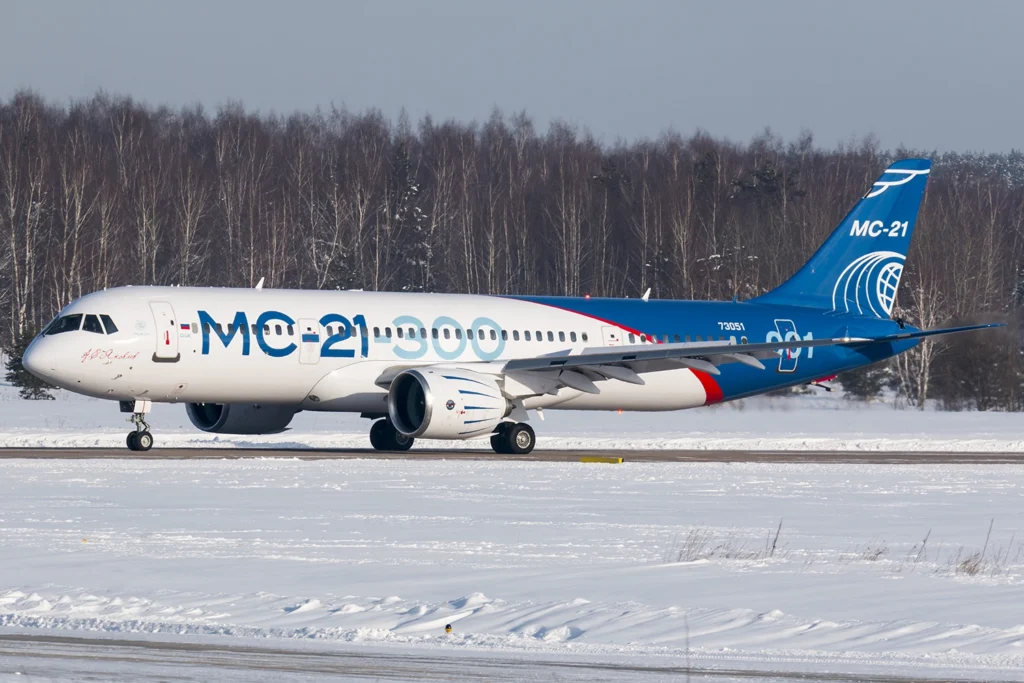
Transport Ministry Cites Flight Safety Around Moscow
Aviatorshchina reported that airlines must brief their crews on the new filming rule and confirm that pilots understand it applies to the airspace around the aircraft, not just the cockpit interior. The order does not name a specific airline. It applies broadly across Russian carriers operating in and around the capital.
The timing links the filming ban to the same July meeting that produced other Moscow airspace changes. Poteshkin’s session on flight safety in the Moscow terminal control area came weeks before Rosaviatsiya, the country’s civil aviation authority, tightened altitude rules for the same zone. That sequence suggests officials view pilot photography as one more variable to control as they respond to drone threats near the capital.
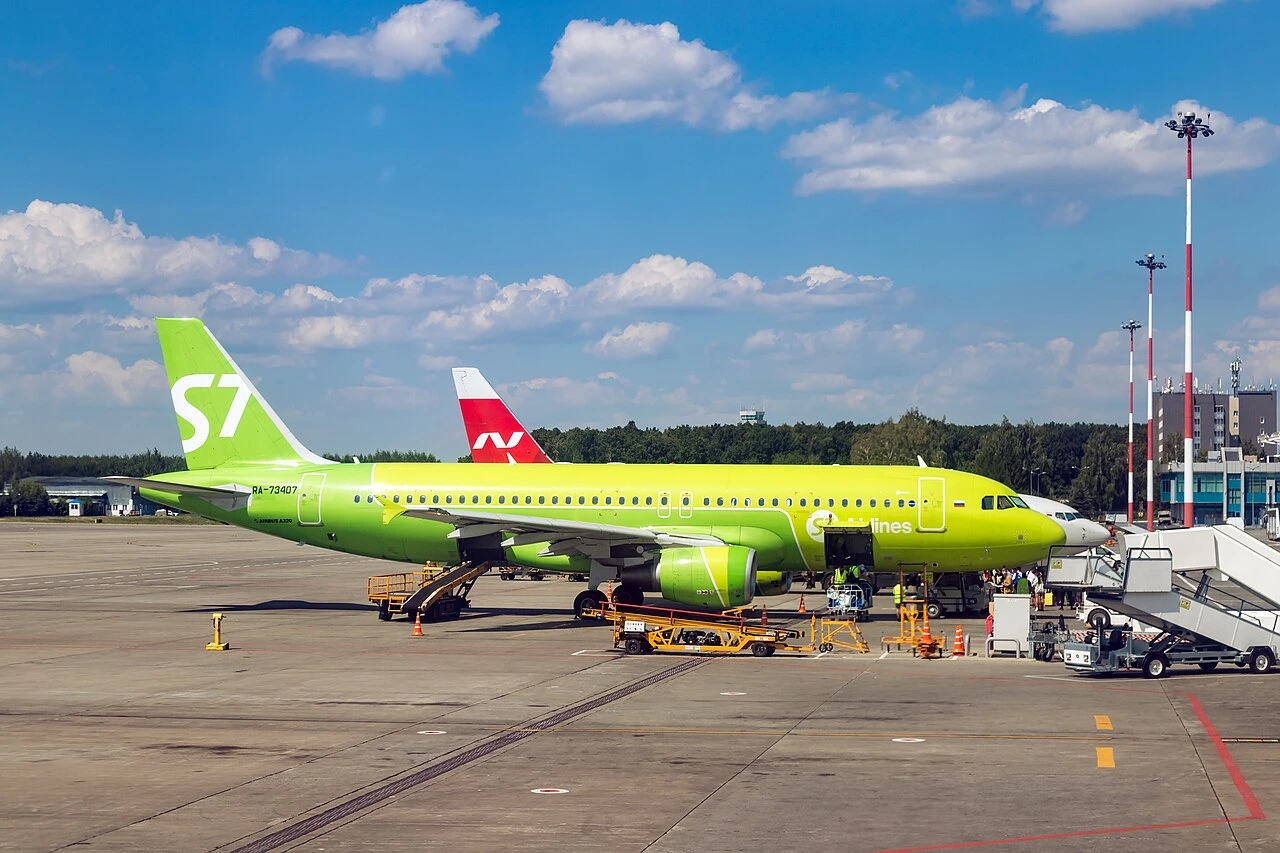
Part of a Wider Clampdown on Aerial Filming in Russia
The pilot filming ban fits a pattern that has spread across Russian regions since 2022. Authorities have steadily expanded bans on publishing footage of air defense activity and drone strikes, citing the risk that geolocation data in videos could reveal strike locations or expose air defense capabilities.
According to Meduza’s reporting on the crackdown, Kursk and Leningrad regions imposed the first such bans in early 2024, and other regions followed with similar rules and fines. Kaluga and Tula regions have separately issued dozens of fines against residents and journalists for sharing images of drone strikes and their aftermath, with penalties reaching 200,000 rubles in Kaluga.
Extending that logic to commercial flight crews marks a new step. Pilots have a unique vantage point over restricted airspace, military installations, and air defense positions, which likely explains why regulators singled them out separately from the regional filming bans that target the general public.
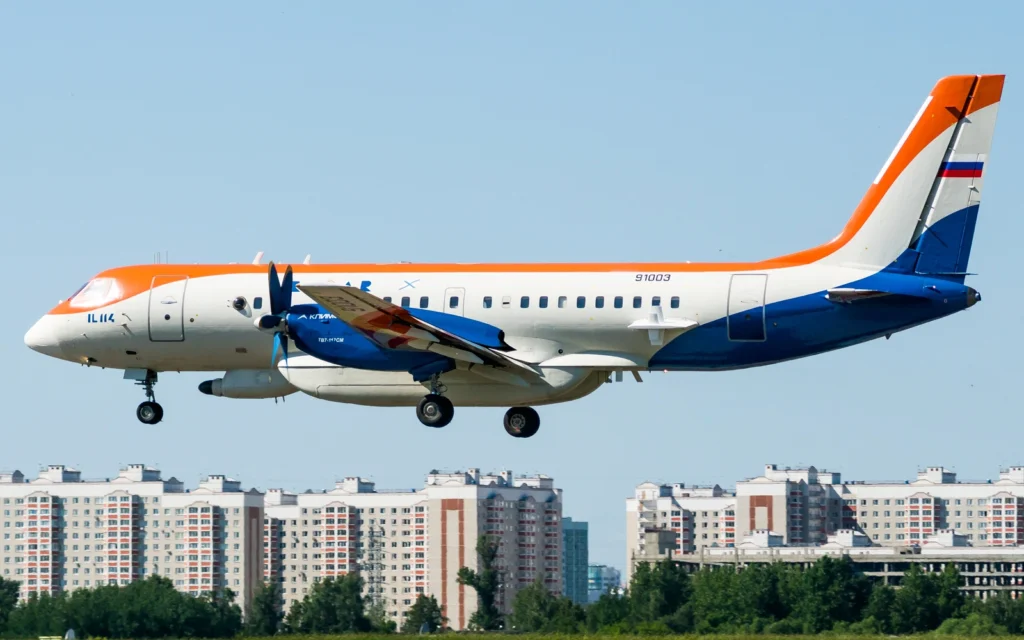
S7 Airlines Restricted Crew Filming Months Earlier
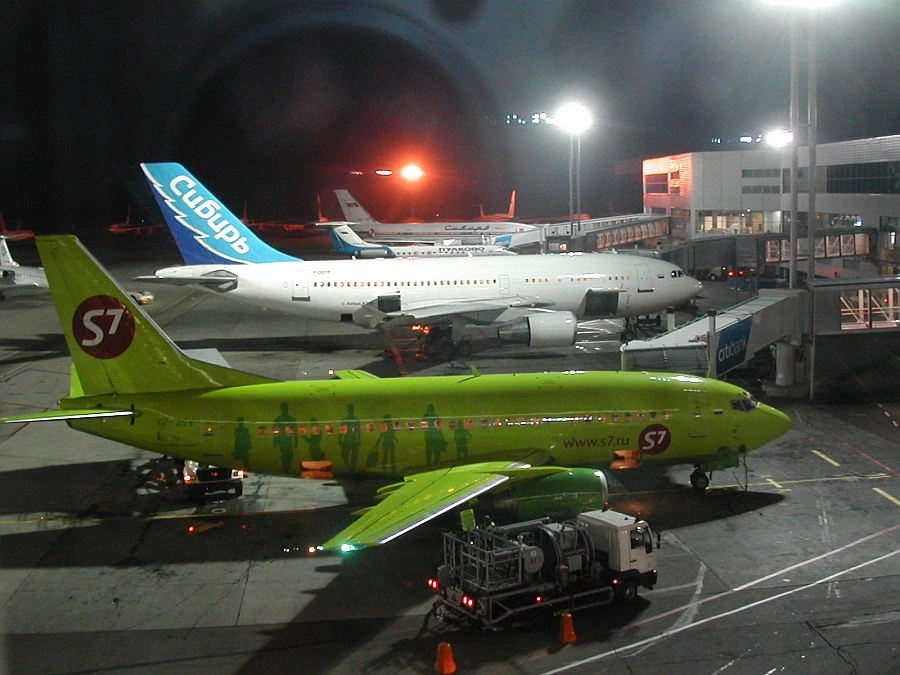
The Transport Ministry’s order was not the first move of its kind. In February, S7 Airlines (S7) pilot Karen Novitsky wrote on his Telegram channel that the Novosibirsk-based carrier had already banned crew members from taking photos or videos while an aircraft is taxiing, taking off, or landing, according to The Insider’s reporting.
That earlier, airline-level policy differs from the new nationwide instruction in scope. S7’s rule targeted ground and low-altitude phases of flight specifically. The Transport Ministry’s directive is broader. It covers the airspace outside the aircraft throughout a flight and applies across the industry rather than to one carrier’s internal policy.
The parallel suggests regulators may have taken a cue from individual airline practices before deciding to formalize the restriction at a national level. Both measures share the same underlying rationale: reducing the chance that crew-shot footage could circulate publicly and reveal sensitive details about Russian airspace or air defense operations.
Airspace Restrictions Pile Up Around Moscow’s Airports
The filming ban arrived alongside separate changes to how planes fly in and out of the capital. In late July, the Kremlin-aligned newspaper Kommersant reported that Rosaviatsiya had lowered the maximum flight altitude in the Moscow terminal control area to 4,900 meters, down from a prior range of roughly 8,250 to 8,550 meters, according to The Insider’s coverage of the altitude change. The same order banned transit flights by Russian and foreign carriers through Moscow’s airspace.
The restrictions cover the area around three of the capital’s busiest airports:
- Sheremetyevo International Airport (SVO), Khimki, Moscow Oblast, Aeroflot’s main hub
- Vnukovo International Airport (VKO), southwest Moscow
- Domodedovo International Airport (DME), south of Moscow
Officials framed the lower altitude ceiling as a way to let aircraft descend and land faster if a drone threat emerges near the capital, according to TASS’s factbox on the restrictions. Airlines, however, told Kommersant that flying lower burns more fuel and can add five to thirty minutes to flight times, depending on the route, an estimate echoed in reporting by Türkiye Today. Rosaviatsiya set the measure to run through August 12, though a NOTAM extended related restrictions to August 26, and industry sources expect further extensions.
Aeroflot’s Broader Strain from the War
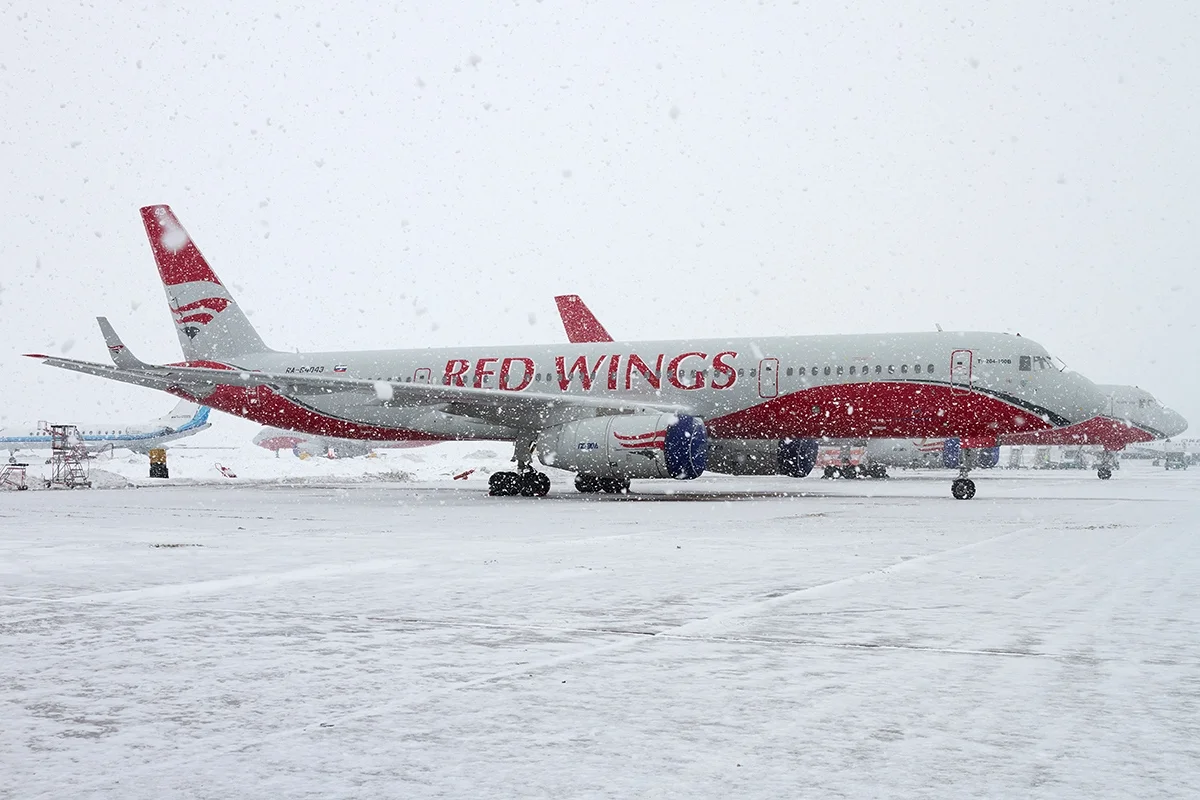
The new rules land on an industry already under pressure. Aeroflot (SU), Russia’s state-owned flag carrier, canceled dozens of flights out of Sheremetyevo in June and July due to crew shortages, citing pilots who had exhausted their annual flight-hour limits. Aviatorshchina, the same Telegram channel that first reported the filming ban, also broke that story.
Airport disruptions from Ukrainian drone strikes have compounded the strain. All four of Moscow’s international airports briefly suspended flights during a mass drone barrage in May, and a separate strike on an air traffic control center in Rostov-on-Don paralyzed more than a dozen southern Russian airports in May 2026. Against that backdrop, the filming ban reads less like an isolated policy and more like one piece of a broader security posture Russian aviation authorities have built around Moscow’s airspace.
What the Ban Means for Passengers and Airlines
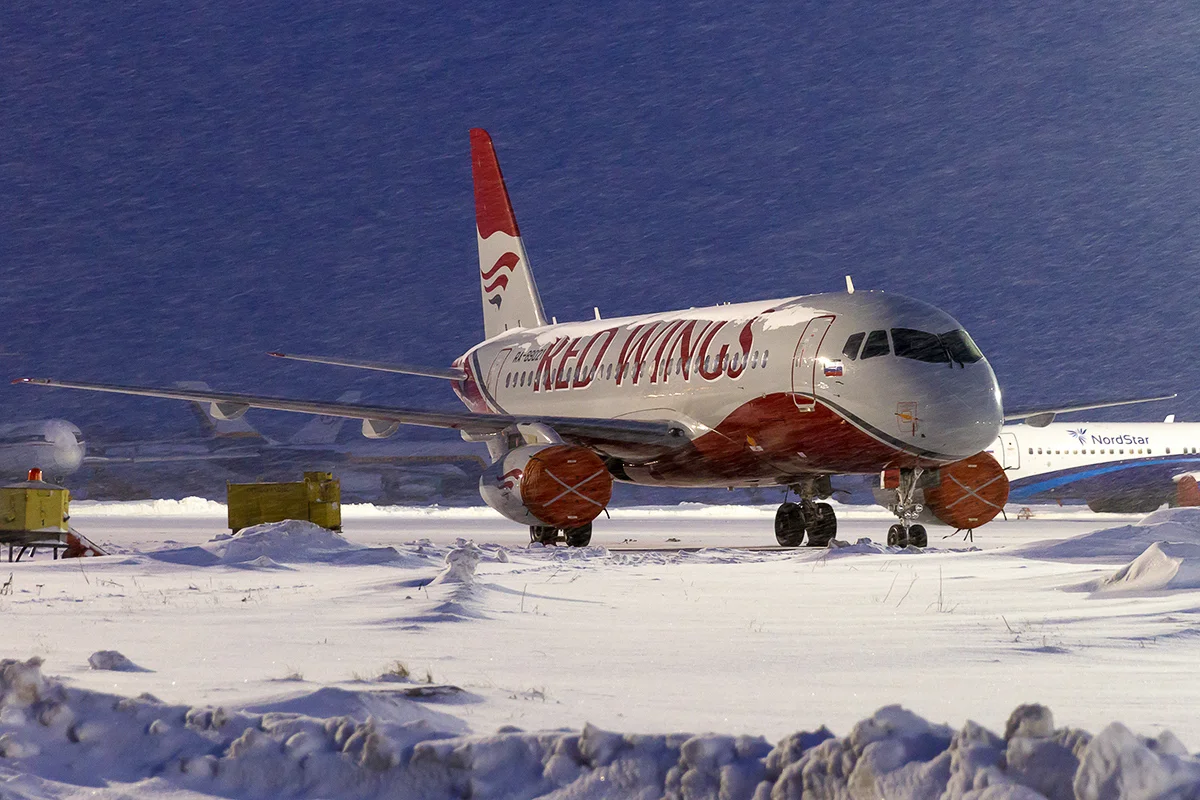
The filming restriction does not appear to affect passengers directly, since it targets flight crews rather than travelers. Airlines face the operational task of briefing pilots and documenting compliance, a routine but not trivial addition to crew procedures.
The bigger operational impact for airlines remains the altitude and transit restrictions rather than the filming rule itself. Longer flight times, higher fuel burn, and rerouted transit traffic carry direct cost implications that a photography ban does not. Together, though, the measures signal that Russian authorities plan to keep tightening control over information and airspace around Moscow for as long as drone attacks continue.