A high-altitude rescue helicopter took off toward Pakistan’s Broad Peak at 8:00 AM on Friday, July 31, 2026, to search for missing mountaineer Nirmal “Nims” Purja and nine other international climbers. According to a report by Nepal News, elite climber Mingma David Sherpa confirmed the deployment in a Facebook update, adding that aerial search and rescue operations are now actively underway across the 8,047-meter Karakoram peak after weather conditions cleared enough to permit flights.
The avalanche struck the ten-member international expedition around midday on Thursday, July 30, severing all communication with the climbing party. Four bodies have since been recovered, though their identities remain unconfirmed, according to Irfan Arshad Khan, president of the Alpine Club of Pakistan. The search remains active as rescue teams race against time, weather, and the mountain’s extreme altitude.
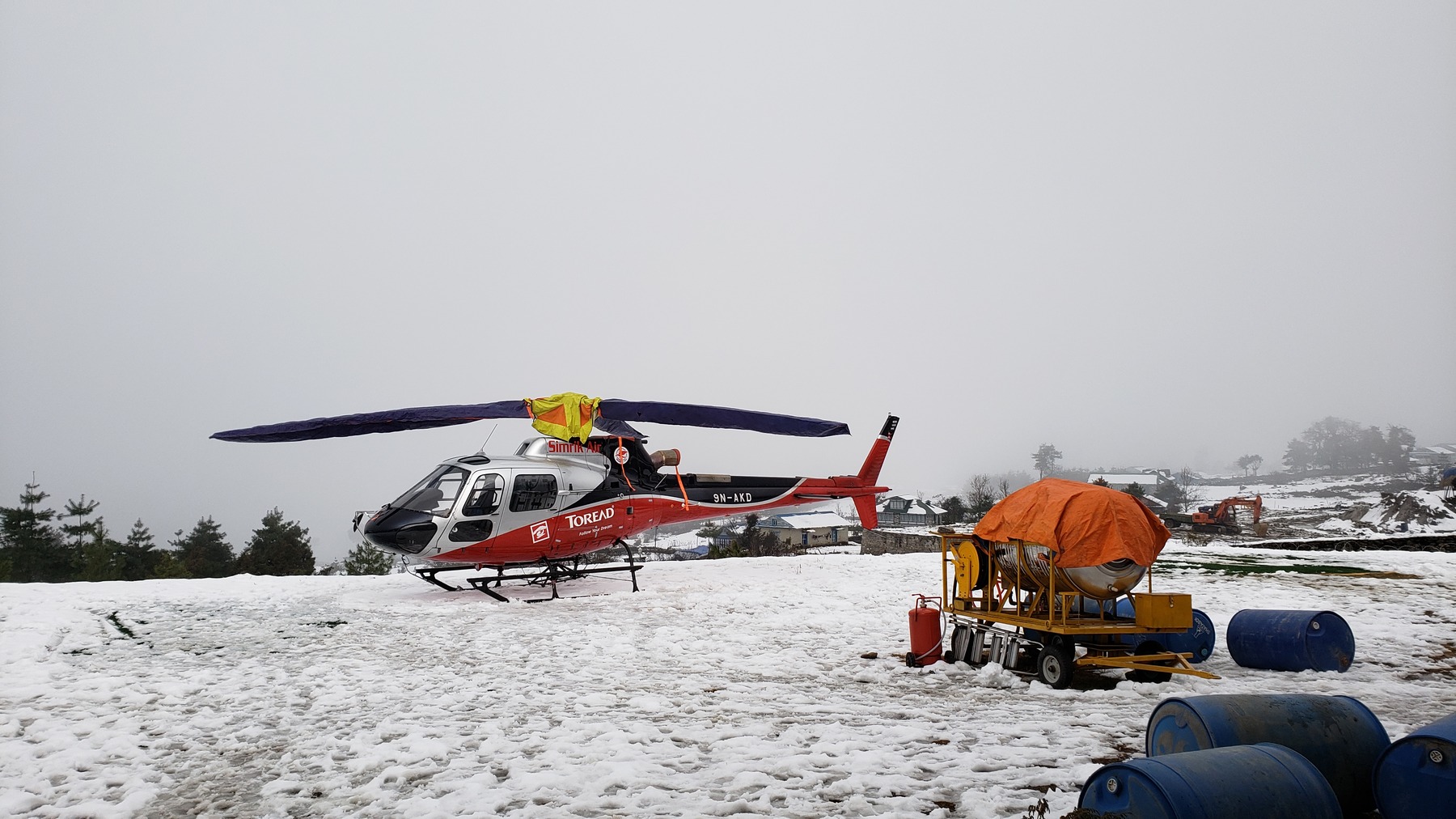
Photo: Surendra Paudel, a helicopter pilot in Simrik Air
What We Know About the Broad Peak Avalanche So Far
The avalanche swept through a high-altitude section of Broad Peak, the world’s 12th-highest mountain, while the international team was moving between camps. The expedition included climbers from Nepal, Pakistan, the United States, China, and Oman. The missing climbers include Purja, fellow Nepali mountaineers Pur Bahadur Gurung, Kili Pemba Sherpa, Nima Sherpa, Gyalu Sherpa, and Nawang Thindu Sherpa, alongside Pakistani climber Sohail Sakhi, Chinese climber Wang Zhong, American climber Mallory Geis, and Omani climber Ahmed Abdullah Al Harthy.
Poor weather initially grounded all helicopter flights, forcing rescue teams to rely on an overland recovery effort. Thaneshwar Guragain, general manager of Seven Summit Treks, said some climbers swept away by the avalanche were brought back to base camp through that ground effort, and the four recovered bodies were found during the operation. Weather conditions only cleared enough for helicopters to launch nearly 20 hours after the avalanche struck.
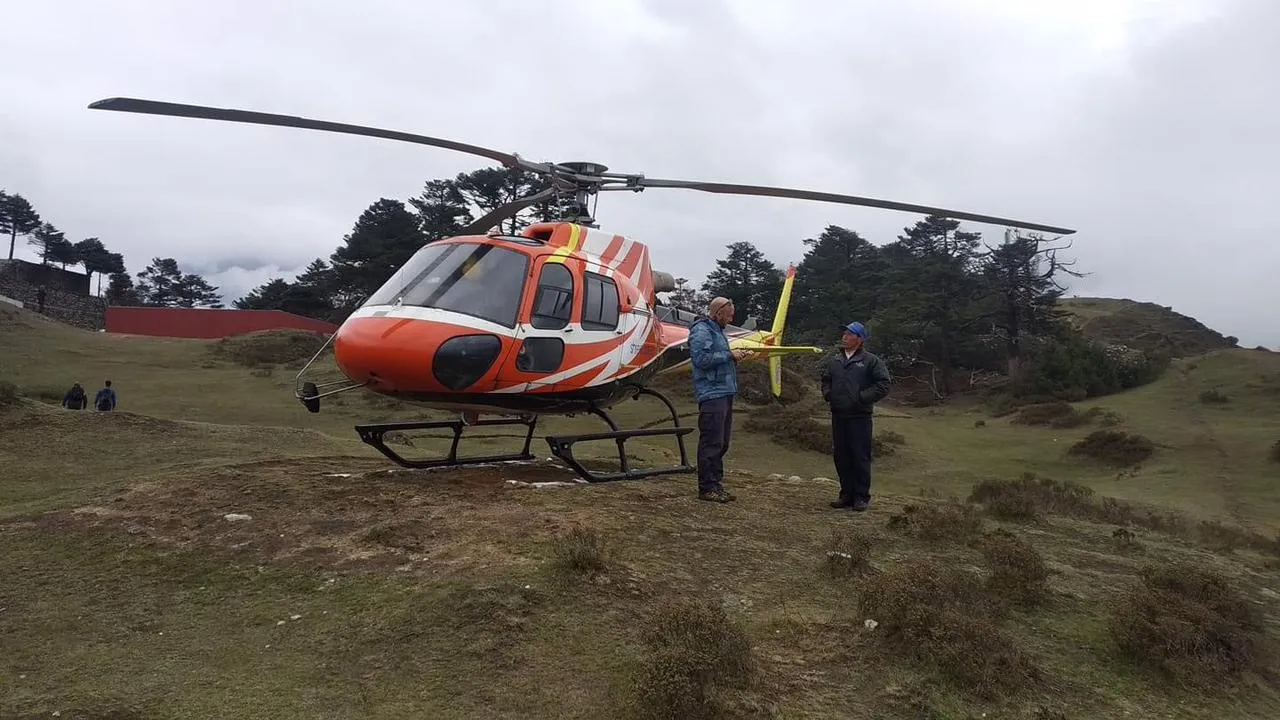
Photo: Ajendra Rai | aviospace.org
Rescue Helicopters Take to the Skies from Skardu
Nepal’s ambassador to Pakistan, Rita Dhital, confirmed that rescue teams, equipment, and helicopters have been deployed from Skardu Airport (KDU), the main aviation hub serving Pakistan’s Karakoram range. “Helicopters are being used for search operations,” Dhital said, adding that drones are also monitoring the incident site while ground rescue teams work their way up the mountain.
The Alpine Club of Pakistan said it is coordinating closely with government authorities to ensure all available resources are mobilized, noting that “helicopter support and all available rescue resources are mobilised at the earliest opportunity, subject to weather and operational conditions.”

Photo: Ajendra Rai | aviospace.org
Why High-Altitude Helicopter Rescues Are So Difficult
Broad Peak’s 8,047-meter summit sits far beyond the operating limits of the helicopters typically used for high-altitude mountain rescue. The Airbus H125, the workhorse of Himalayan rescue operations, carries a service ceiling of roughly 7,000 meters, or 23,000 feet, meaning it cannot safely operate at or near the mountain’s summit even in ideal conditions. Rotors struggle to generate lift in the thin air at extreme altitude, while engines lose power as available oxygen for combustion drops.
Only one helicopter flight has ever gone beyond these limits: pilot Didier Delsalle’s 2005 landing atop Mount Everest in an Airbus AS350 B3, a feat nobody has replicated since. Delsalle later described the violent, unpredictable air currents near an 8,000-meter summit, saying “the updraft winds have enough force to throw you away.” Rescue pilots operating near Broad Peak’s higher camps face similar conditions, forcing crews to strip aircraft of all non-essential weight simply to maintain lift at altitude.
The dangers of high-altitude rescue flying are not merely theoretical. In October 2025, an Altitude Air Airbus H125 registered 9N-AMS, flying a rescue mission from Lukla to Lobuche in Nepal’s Everest region, slipped on snow while landing and crashed on its side.

Purja, widely known as “Nimsdai,” became internationally known in 2019 after climbing all 14 of the world’s peaks above 8,000 meters in just over six months, shattering the previous record by years.
Purja had shared a message on social media shortly before departing for Pakistan, explaining that climbing Broad Peak on this expedition would leave only Cho Oyu remaining in his pursuit of becoming the first person to summit all 14 of the world’s 8,000-meter peaks twice without supplemental oxygen. He wrote that he never took any mountain for granted and asked Broad Peak for nothing more than safe passage up and back down.
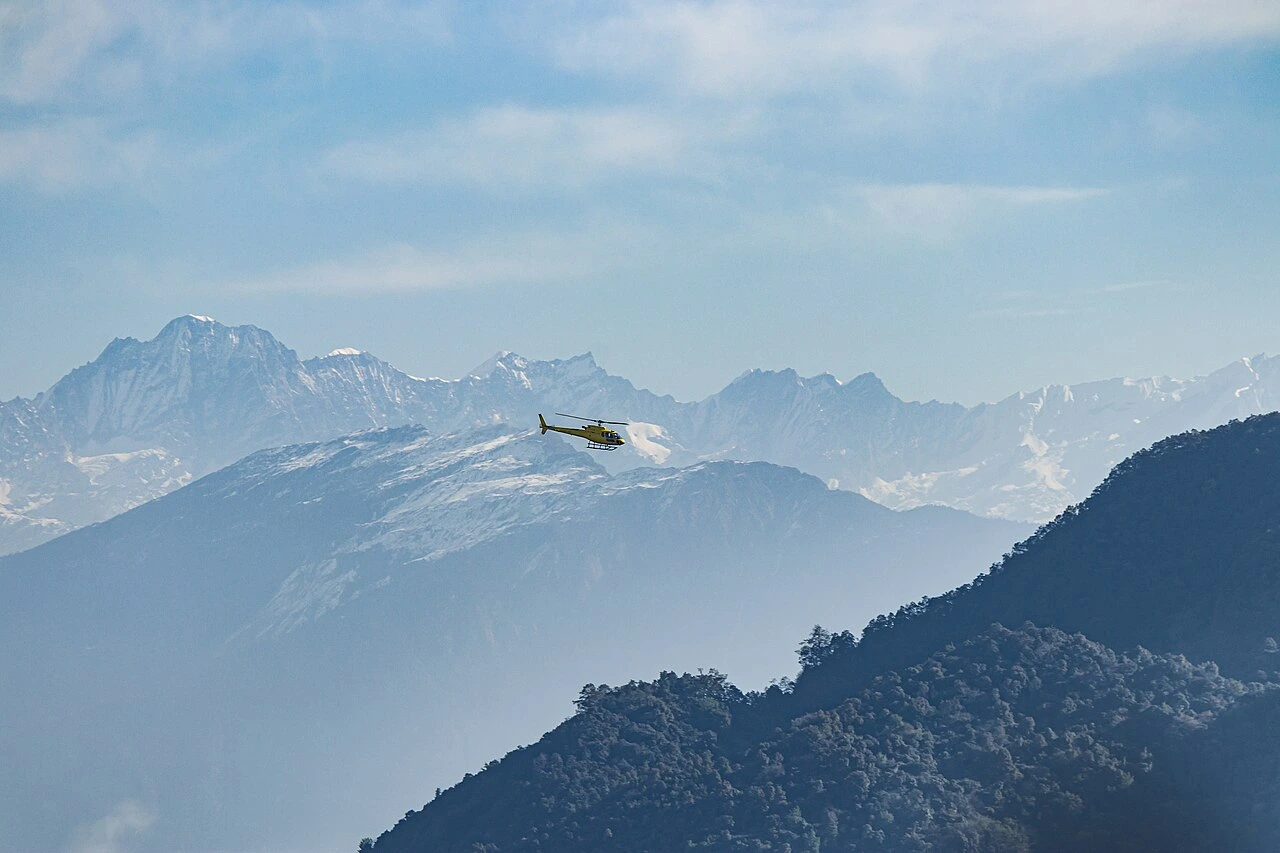
What Happens Next
Search and rescue operations remain active as of Friday, with helicopters, drones, and ground teams working simultaneously to reach the remaining missing climbers. Guragain said the odds of finding survivors are diminishing with each hour that passes, though officials have not ruled out further recoveries as weather conditions permit continued flights. The identities of the four recovered bodies have not yet been confirmed by Pakistani authorities.
This remains a developing story, and further updates are expected throughout the day as rescue teams continue their search across Broad Peak’s upper slopes.