Four airports in Nepal’s Gandaki Province remain closed despite significant government spending on their infrastructure, including runway blacktopping. Balewa in Baglung, Dhorpatan, Palungtar in Gorkha, and Humde in Manang have not returned to operation even after money went into upgrading them, according to a report by Ratopati. The Nepal Civil Aviation Authority (CAAN) confirmed the closures in its latest report, released in late July 2026.
The pattern extends beyond Gandaki Province. Nepal has built 54 airports nationwide, and 19 of them currently sit inactive. The Gandaki cases show why: roads reached remote areas, passenger numbers fell, and airlines walked away from routes the state had already paid to build.
Four Gandaki Airports Sit Idle After Millions in State Spending
CAAN has spent specific sums on each of the four closed airports: 120 million rupees into Balewa Airport, 100 million rupees into Humde Airport, 70 million rupees into Palungtar Airport, and 20 million rupees into Dhorpatan Airport.
None of that spending produced lasting flight operations. Officials in each district describe similar stories: a road arrived, travel by land became easier, and the financial case for keeping flights running fell apart.
Local leaders want the airports put to some use rather than left to decay:
- Balewa: the municipality wants a concrete federal decision on whether to operate the airport or repurpose it
- Humde: the rural municipality has stopped funding incentives for airlines after failing to attract interest
- Palungtar: the mayor has suggested converting it into a flight training center instead
- Dhorpatan: the runway has already been turned into a grazing field
Balewa Airport’s Runway Rebuild Led Nowhere
Balewa Airport opened in 1965 and closed in 1991 once the Pokhara-Baglung road reached the area. It reopened 26 years later, in 2018, after CAAN blacktopped its 700-meter runway at a cost of 82.4 million rupees.
Nepal Airlines and Tara Air ran Twin Otter aircraft to Balewa twice a week for a period after the reopening. An agreement required Baglung Municipality to cover costs whenever passenger numbers on the 19-seat aircraft fell below 12 people per flight.
That arrangement did not hold. As passenger numbers kept falling and the municipality’s financial burden grew, the air service stopped again. Deputy mayor Raju Khadka said local authorities remain ready to act “if the federal government makes a concrete decision and plan on whether to operate the airport or use it for alternative purposes,” adding that the state’s investment should not go to waste.
Humde And Palungtar Airports Show the Same Pattern
Humde Airport in Manang followed a similar arc. CAAN blacktopped its runway in 2012 for 90 million rupees, and Summit Air ran a successful test flight there in 2019.
That test flight raised local hopes for regular service, but no scheduled flights followed. Rural municipality chairman Kanchha Ghale said the local government stopped setting aside a budget to attract airlines this year, calling the airport a case of abandonment that state bodies have shown no interest in fixing.
Palungtar Airport in Gorkha has an even longer history of disuse. It opened in 1961 and closed in 1978 once the Prithvi Highway reached the district, despite the government later spending on runway and fencing upgrades. Mayor Bibash Chintan said upgrading and operating the airport again has stalled, and he now favors turning it into a flight training center instead.
Dhorpatan Airport’s Runway Is Now a Grazing Field
Dhorpatan Airport sits inside Nepal’s only hunting reserve, in the Dhorpatan Valley of Baglung. It has been closed for decades, and its runway has since been converted into a grazing field, even though the site remains fenced and secured.
The Ministry of Culture, Tourism, and Civil Aviation invested 20 million rupees in the airport’s infrastructure. That spending did not prevent the runway from falling out of aviation use altogether, unlike Balewa or Humde, where at least the physical runway surface remains intact for potential future flights.

Nepal Has 19 Inactive Airports Out Of 54 Built Nationwide
The Gandaki closures fit a nationwide pattern. Nepal has built 54 airports in total, and only 35 of them are currently in use, leaving 19 inactive across the country.
Some of these airports, like Gorkha Airport, were built before the famous Tenzing-Hillary Airport in Lukla yet never entered scheduled operation. Others, including Bajhang, Doti, Baitadi, and Langtang, sit unused for reasons ranging from difficult terrain to a lack of commercial demand.
Remote STOL airports face a different challenge than Gandaki’s road-displaced ones. Many were built to serve areas with no road access at all, so a single closure can cut off communities from essential medical and food supplies during emergencies.
Dharan Airport Never Got Built Despite A Land Scandal
Not every failed airport project in Nepal even reached the construction stage. Plans for an airport in Dharan date back to 2003, when businessmen persuaded villagers in Dandha Ghopa to hand over land for the project.
That land ended up registered under Yeti Incorporation rather than used for construction. Decades of ministerial rejections, land disputes, and political instability followed, and the airport has still not been built, even though research into the project has cost the nation 15 crore rupees.
A legal barrier now blocks the project entirely. Nepalese aviation regulations prohibit building two airports in the Terai region within 74 kilometers of each other, and Biratnagar Airport sits only 39 kilometers from the proposed Dharan site.
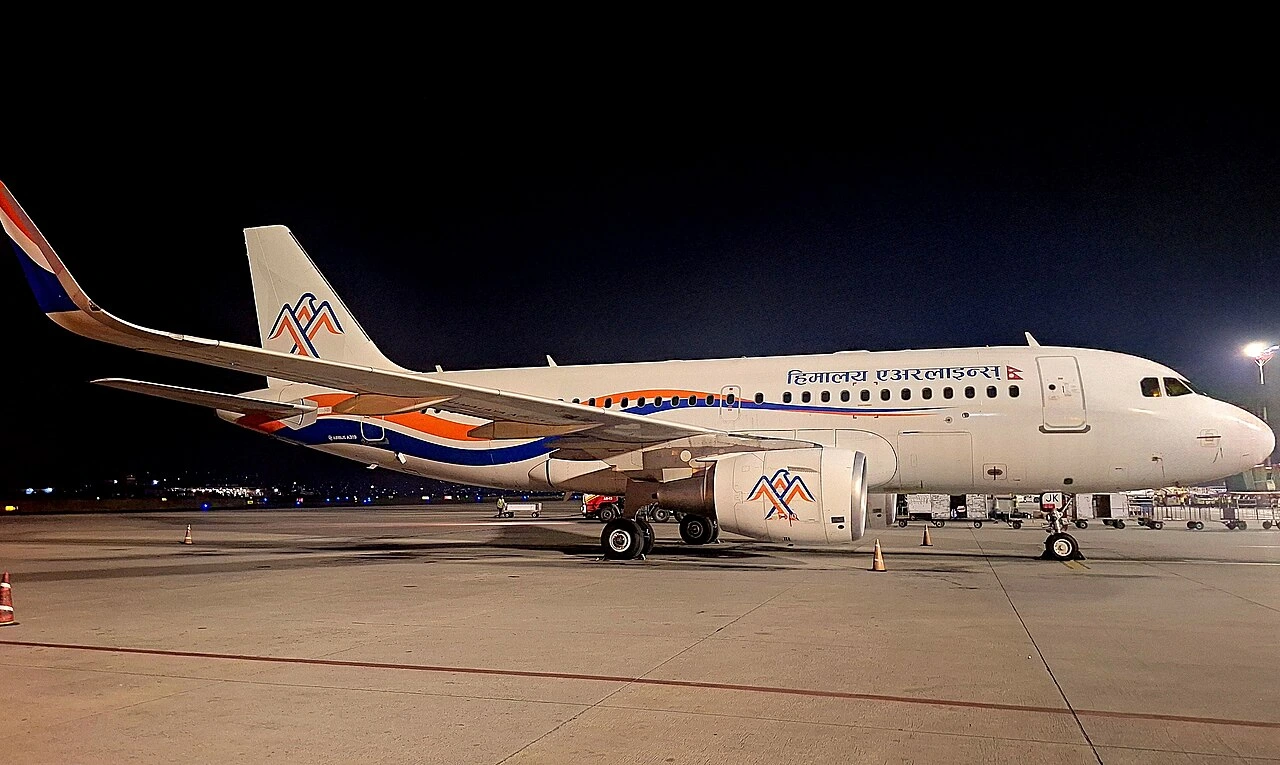
Even Nepal’s International Airports Struggle Despite Bigger Investments
The pattern of underused aviation infrastructure extends to Nepal’s newest international airports. Pokhara International Airport (PHH) opened in January 2023 after a $215.96 million loan from China’s Export-Import Bank, yet it has functioned mostly as a domestic hub with only occasional chartered international flights.
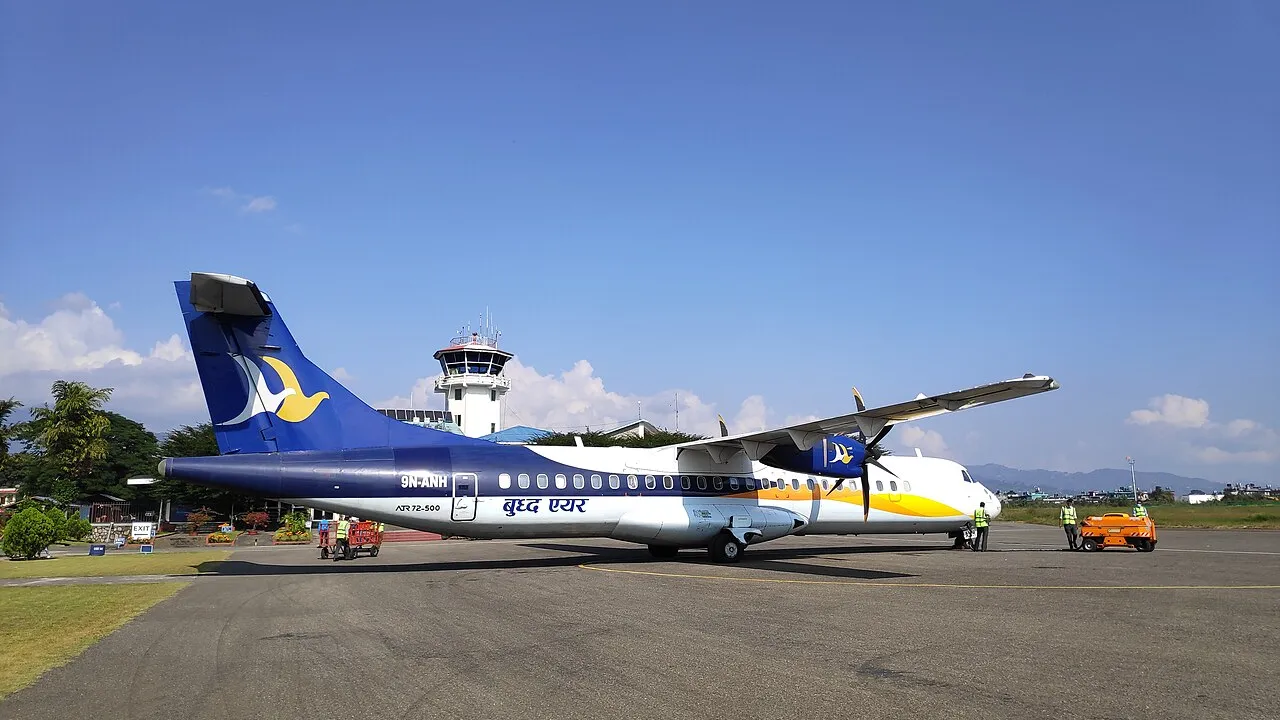
Gautam Buddha International Airport (BWA) in Bhairahawa has faced comparable struggles since becoming Nepal’s second international airport in May 2022. Airport general manager Shyam Kishor Sah has acknowledged the operational deficit directly, saying that “the airport and aircraft are there, but promotion has not been effective.”
Nepal’s government extended a fee waiver scheme for both airports in July 2026, keeping landing, parking, and navigation charges at zero until mid-September 2028. Former CAAN Director General Rajkumar Chhetri has cautioned that no international airline chooses a route based on fee discounts alone, since operational costs and commercial sustainability weigh far more heavily on those decisions.
Why Nepal Keeps Building Airports It Cannot Sustain
A common thread runs through Balewa, Humde, Palungtar, Dhorpatan, Dharan, and even Nepal’s showcase international airports. Infrastructure gets built or upgraded first, and only afterward does it become clear whether airlines or passengers will actually show up.
Officials across these projects describe the same missing link: nobody assessed long-term commercial viability before construction began. A senior Air Traffic Control official noted that authorities can manage risks inside airport boundaries, but have little control over the broader factors, like competing roads or shifting demand, that ultimately determine whether a route survives.

_and_grazing_horses.jpg)

