A British Airways Airbus A320 came close to disaster after suffering an air data system failure on its approach to London Heathrow Airport (LHR) on July 6, 2026. The aircraft, operating as Flight BA919 from Düsseldorf Airport (DUS), stalled at roughly 4,000 feet above Canary Wharf in east London. An unnamed source described the incident as “the most serious ‘near miss’ in the UK in years,” first reported by The Sun.
The captain reportedly took manual control from the first officer after an initial recovery attempt failed. No passengers or crew were injured, and the aircraft landed safely at Heathrow. The UK Air Accidents Investigation Branch (AAIB) has since classified the event as a serious incident and opened a formal investigation into what caused the failure and how the crew responded.
What Happened Aboard Flight BA919
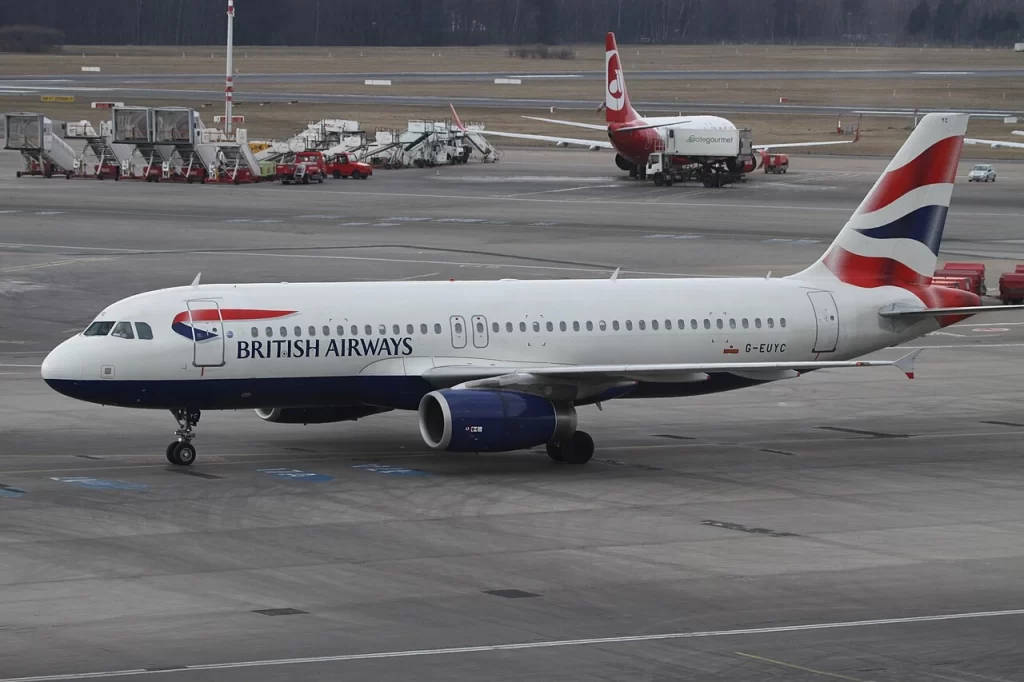
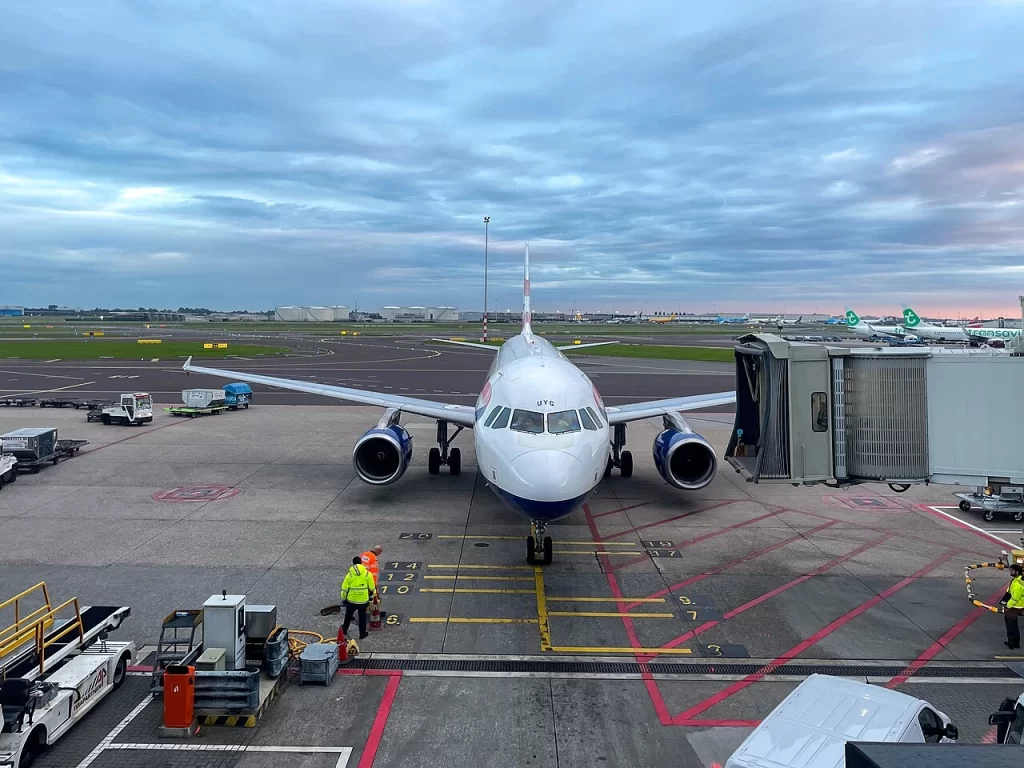
The Airbus A320-232, registered G-EUUN, was on its first approach to Heathrow’s Runway 27L when an Air Data Reference (ADR) failure struck. The failure triggered a stall warning and forced the aircraft’s flight control system to revert from Normal Law into Alternate Law. The crew discontinued the approach and declared a PAN PAN, the internationally recognized call for an urgent situation short of an immediate emergency.
The sequence of events unfolded in three distinct phases:
- First approach: An ADR failure triggers a stall warning; the aircraft reverts to Alternate Law and the crew declares a PAN PAN
- Holding pattern: The crew assesses the failure and prepares to attempt a second approach
- Second approach: A further stall warning occurs at roughly 3,000 feet, followed by a sharp recovery maneuver and an upgrade to MAYDAY
Air Data Failure Forced the Aircraft into Alternate Law
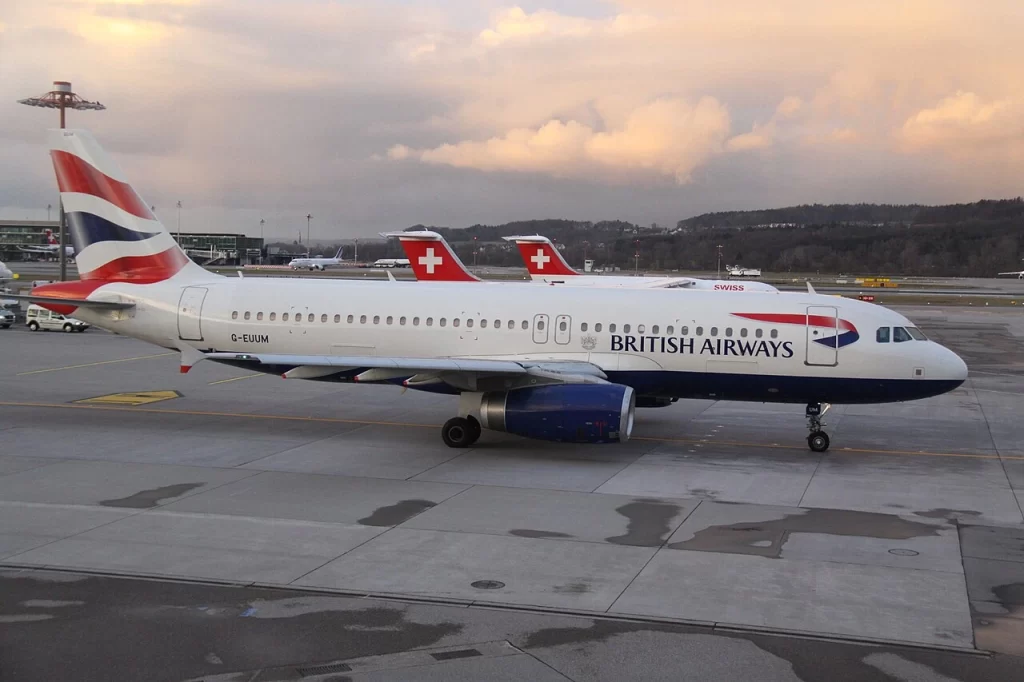
An Air Data Reference system calculates critical flight information, including airspeed and altitude, using sensors such as pitot probes and static ports. Airbus aircraft rely on this data to operate in Normal Law, a flight control mode that provides automatic protections against stalls, excessive bank angles, and overspeed. When an ADR failure occurs, the aircraft can revert to Alternate Law, a mode that remains fully flyable but strips away some of those automatic safeguards.
The AAIB has not disclosed whether the failure affected one ADR sensor or several, and investigators have not yet confirmed whether the aircraft actually reached an aerodynamic stall. Its preliminary notification states only that stall warnings were generated following the failure. 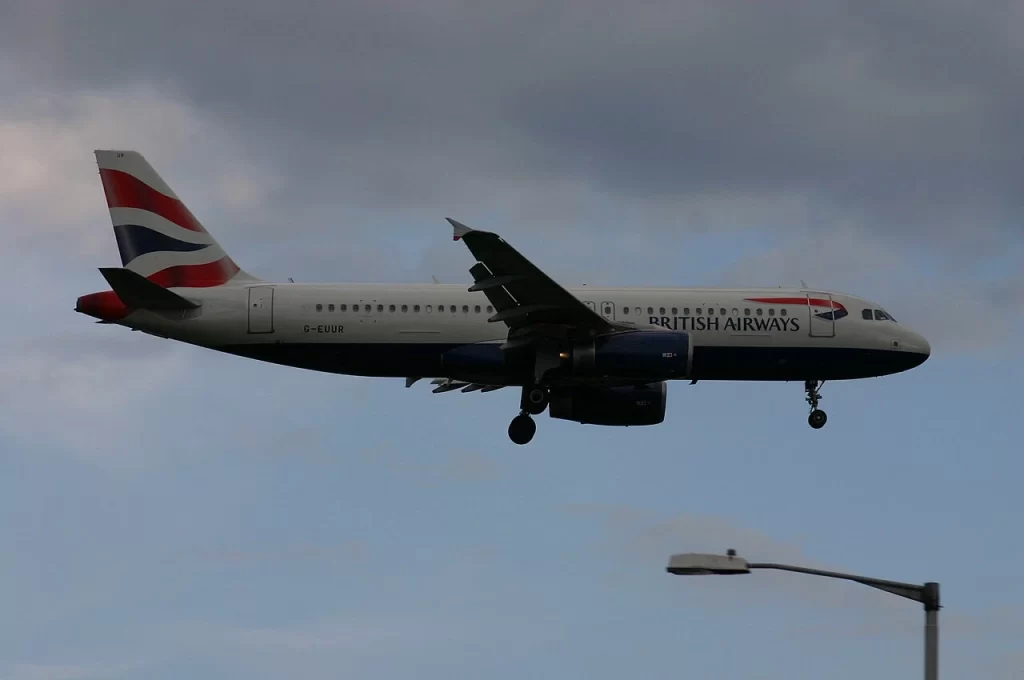
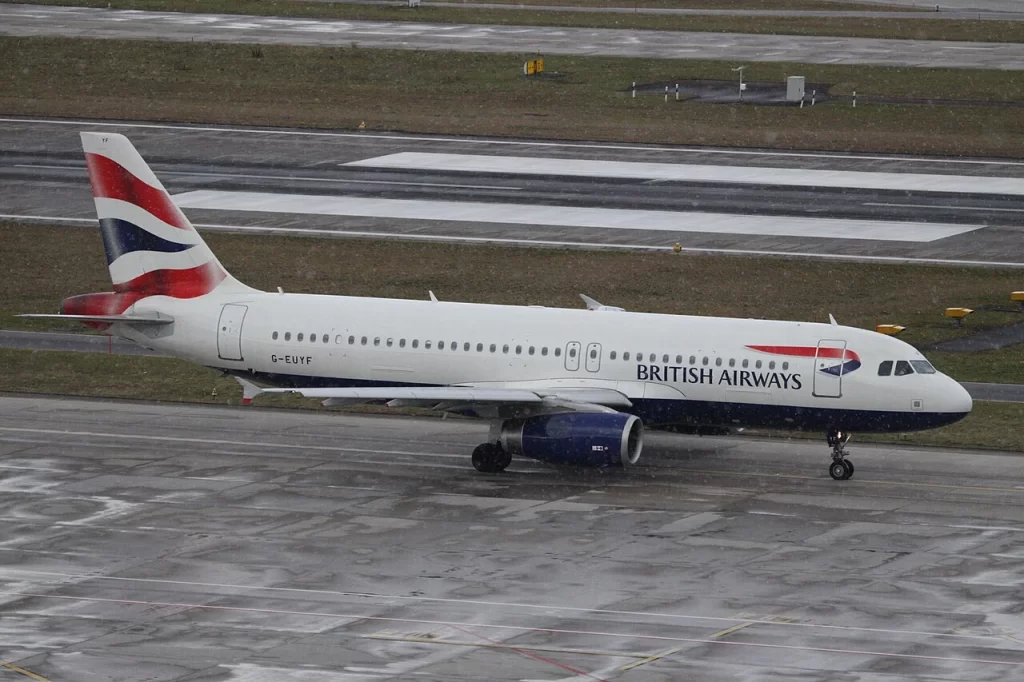
Photo: Aeroprints.com | Wikimedia Commons |
A Second Stall Warning and A Sharp Recovery
The AAIB’s account states that during the second approach, another stall warning sounded when the aircraft was at approximately 3,000 feet. “The crew flew the aircraft under alternate law and declared a PAN,” investigators noted of the sequence. The crew then carried out what the AAIB described as a potentially abrupt recovery maneuver, during which the aircraft descended to around 2,200 feet before regaining its instrument approach.
At that point, the crew escalated their emergency call from PAN PAN to MAYDAY, the highest-priority distress signal in aviation, before continuing to a safe landing. Unnamed sources cited by The Sun claimed the captain physically overrode the first officer’s input during the recovery, calling such intervention rare. One source added that it is “unheard of for a captain to physically intervene in the cockpit.”
The AAIB has Opened a Serious Incident Investigation
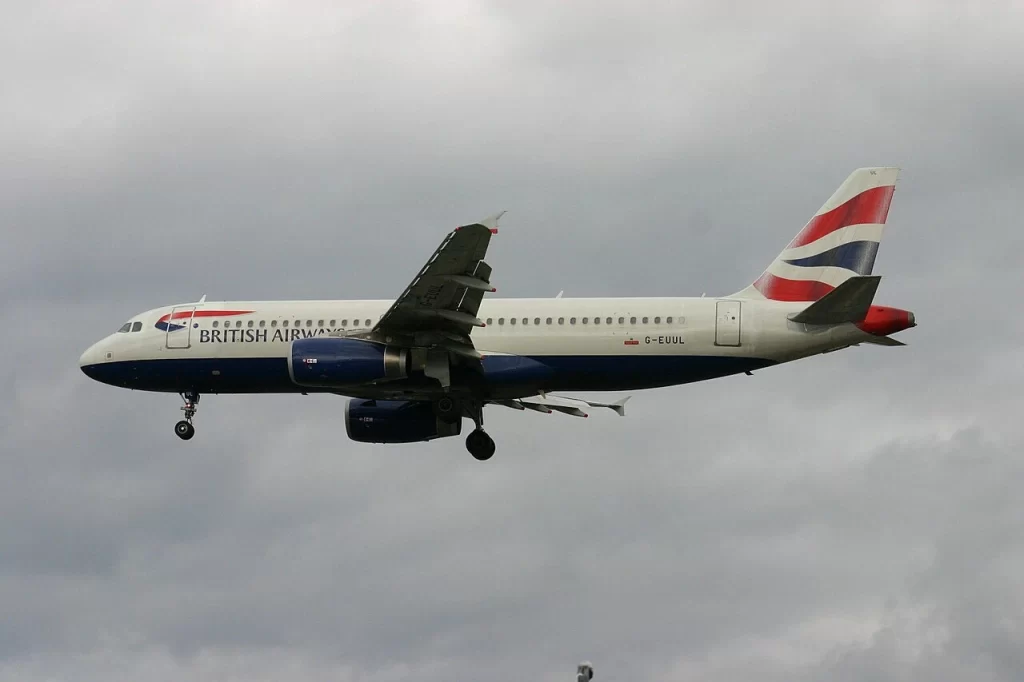
The AAIB has categorized the event as a serious incident rather than an accident, a classification reserved for occurrences that come close to resulting in an accident. Investigations of this kind exist to identify safety lessons rather than to assign blame or liability. The AAIB’s probe is expected to examine flight data recordings, cockpit voice recordings, maintenance history, and crew actions before reaching any conclusions.
Some unverified reports have gone further, with senior aviation figures cited by The Sun suggesting the aircraft came close to a “hull loss,” the term used when an aircraft is destroyed or damaged beyond economic repair. Neither the AAIB nor British Airways has corroborated that characterization. The investigation remains in its early stages, and a formal cause has not been established.
British Airways and Heathrow Respond to The Incident
British Airways confirmed it is cooperating fully with the AAIB’s investigation. A spokesperson said the airline is “assisting the AAIB with its investigation” but is unable to comment further while the review continues. The UK Civil Aviation Authority also declined to comment, noting it does not discuss ongoing reviews.
Separate reporting has claimed the captain involved has since been placed on stress leave, though this detail has not been confirmed by British Airways. The airline carried around 180 passengers on Flight BA919 that day, and no injuries were reported among passengers or crew.
A Difficult Month for British Airways Safety Headlines
The BA919 incident is not the only recent close call to affect British Airways. Earlier in July, a separate British Airways Boeing 787 Dreamliner narrowly avoided an illegally operated drone near Windsor Castle while carrying 216 passengers toward Montreal shortly after departing Heathrow. The UK Airprox Board rated that encounter category A, its highest risk classification, after the drone came within 20 feet vertically and 60 feet horizontally of the aircraft.
What Happens Next
The AAIB investigation into Flight BA919 remains ongoing, and investigators have not set a timeline for a final report. Serious incident investigations of this kind typically take months to complete, particularly when they involve detailed analysis of flight data and cockpit voice recordings.
For now, the aircraft involved remains in service, and British Airways has not announced any operational changes related to the incident.

.jpg)
.jpg)
.jpg)
.jpg)

.jpg)
.jpg)