Pilots use two standard radio calls to flag trouble to air traffic control: “Mayday” for a life-threatening emergency, and “Pan-Pan” for a serious but non-life-threatening situation. Both calls are repeated three times and both come from French, but they trigger different levels of response from controllers. The distinction matters because pilots, airlines, and passengers often confuse the two, sometimes with real consequences for how fast help arrives.
The topic resurfaces every time an airline diverts a flight and passengers hear the word “Pan-Pan” used in news coverage. Most recently, this happened when IndiGo (6E) flight 6E 6271 diverted to Mumbai in July 2025. This article explains what Pan-Pan means, how it differs from Mayday, who uses it, and why getting the terminology right can affect how quickly an aircraft receives priority handling.

What Does Pan-Pan Mean in Radio Calls
Pan-Pan is the international radiotelephony signal for an urgency condition. It tells air traffic control and nearby aircraft that a safety concern exists, but that there is no immediate danger to life or to the aircraft, according to the FAA’s Aeronautical Information Manual.
The pilot repeats the phrase “Pan-Pan, Pan-Pan, Pan-Pan” at the start of the transmission. This warns other stations on the frequency not to interfere with the call, as outlined in Canada’s RIC-22 general radio operating procedures. Controllers then give the aircraft priority handling over routine traffic, though not the absolute priority reserved for a Mayday.
Common triggers for a Pan-Pan call include:
- A single-engine failure on a multi-engine aircraft
- A hydraulic or electrical fault that does not affect controllability
- A lost or disoriented pilot needing navigation help
- A passenger or crew medical issue that is urgent but stable
- A developing low-fuel situation that has not yet become critical
Airlines rarely publicize Pan-Pan calls themselves. Most surface only when a diversion draws local media attention, or when flight-tracking accounts pick up the radio chatter and share it online. That is why coverage of these calls tends to spike around single incidents rather than form a steady news beat.
Pan-Pan Versus Mayday: The Official Difference
Mayday and Pan-Pan sit on different rungs of the same ladder. Mayday declares “distress,” meaning grave and imminent danger requiring immediate assistance. Pan-Pan declares “urgency,” a step below distress where the crew still has control and time to manage the problem.
A Mayday call commands radio silence on the frequency and takes absolute priority over every other transmission. A Pan-Pan call has priority over routine traffic, but a Mayday call, or another Pan-Pan, can still interrupt it. The FAA confirms that Mayday is the only call that outranks Pan-Pan.
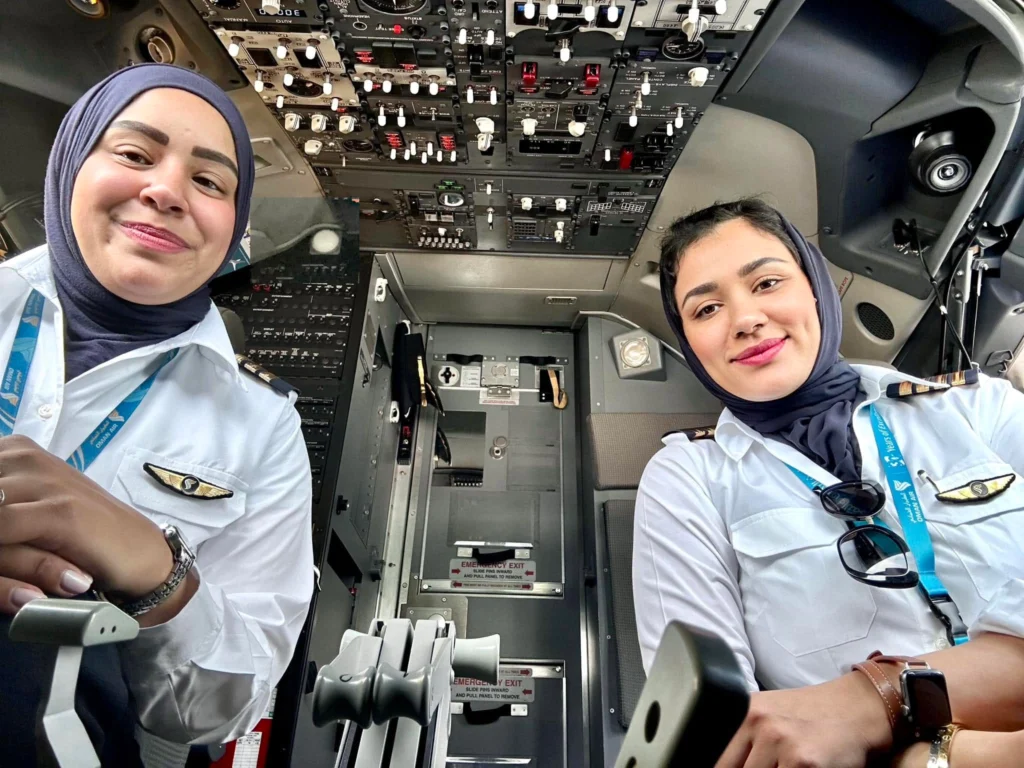
Rachel Maxwell, a former flight attendant turned airline pilot, described the split in simple terms to Travel + Leisure: “I have a problem, and I need help, but I’m not in immediate danger.” Mayday, she added, means the crew needs assistance right away. The choice between the two calls rests entirely with the pilot-in-command, based on their read of the situation in real time.

Why Pilots Choose Pan-Pan Over Mayday
Pilots pick Pan-Pan when they still control the aircraft and have time to troubleshoot or plan a diversion. Alaska Airlines First Officer Carlos Alberto Valdez explained the thinking to Simple Flying: “Some people see it as a two-stage thing – Pan-Pan and Mayday.” He described losing one of three generators on an Embraer jet approaching Phoenix as a Pan-Pan situation, since two generators remained but the crew wanted priority handling to be safe.
A widebody losing one of four engines is another textbook case. The aircraft can usually reach a diversion airport safely on the remaining engines, so the crew calls Pan-Pan rather than Mayday. Pilots can always upgrade a Pan-Pan to a Mayday if conditions worsen mid-flight.
Passengers on board rarely notice a Pan-Pan call at all, since it happens on the cockpit-to-ATC frequency rather than the cabin intercom. Any change they do notice, such as an unscheduled descent or a diversion announcement, usually comes minutes after the crew has already coordinated a plan with controllers on the ground.
How Air Traffic Control Responds To A Pan-Pan Call
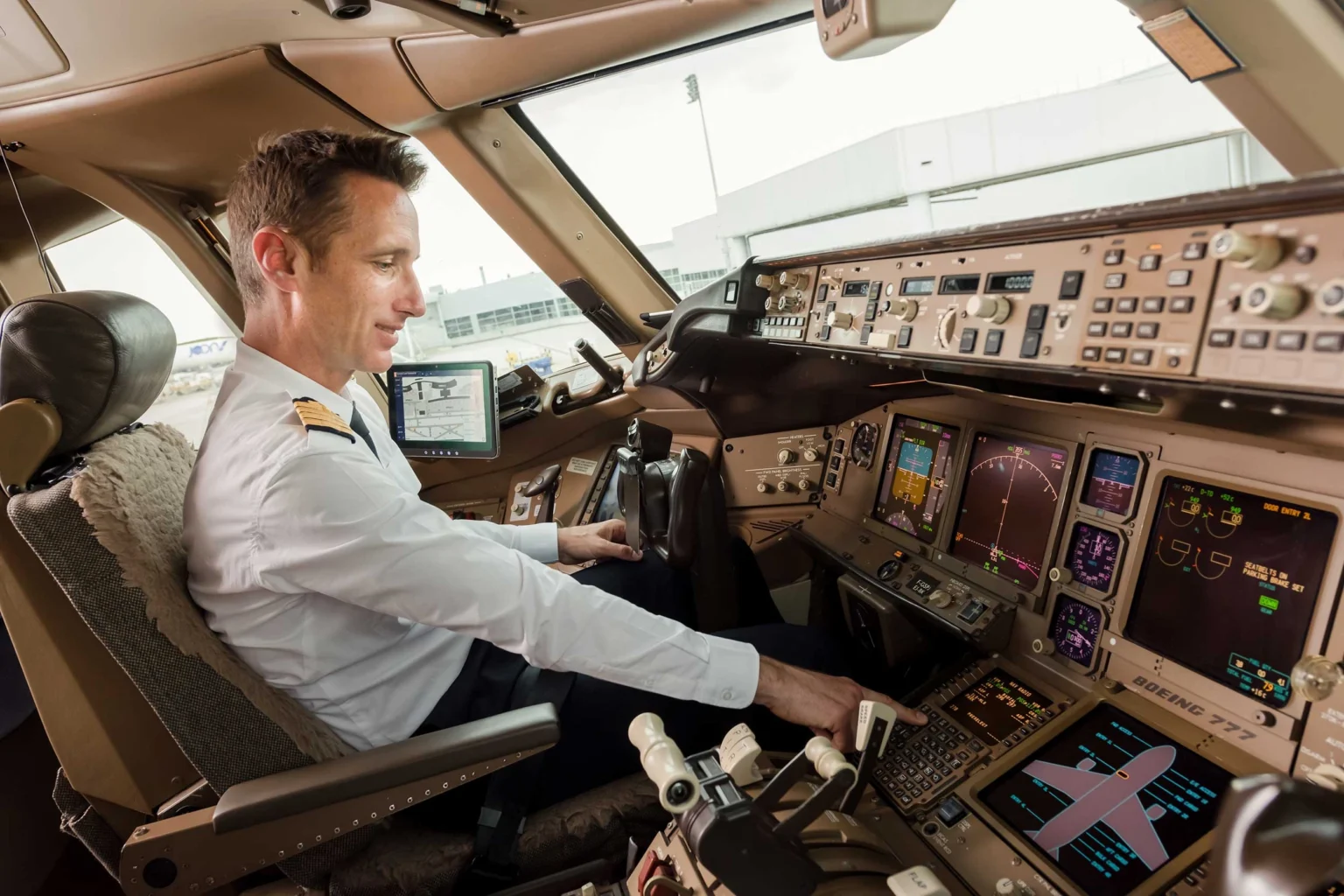
Once a controller hears “Pan-Pan” three times, the response is immediate. The affected aircraft moves ahead of routine traffic, and controllers begin isolating other flights so the crew can work the problem without added pressurel.
Only a Mayday, or a second Pan-Pan aircraft, can take priority ahead of an existing Pan-Pan. This tiered system lets controllers manage several developing situations at once without shutting down the entire airspace, unlike the total radio silence a Mayday can trigger.
Controllers log every Pan-Pan call and typically clear an approach path or runway ahead of the aircraft’s arrival. Airport fire and rescue services are often placed on standby as a precaution, even though the crew does not expect to need them, simply because that is standard protocol for any priority landing.
The French Origins of Pan-Pan and Mayday
Both terms trace back to French. “Mayday” is the anglicized spelling of venez m’aider, meaning “come help me,” chosen because English speakers could pronounce it easily. Radio operators adopted it internationally in the 1920s for its clarity across languages.
“Pan-Pan” comes from the French word panne, meaning breakdown or failure, notes Pilot Teacher’s explainer on the call. Over time, aviation folklore attached a backronym to it, “Possible Assistance Needed,” though this is not the term’s true origin. Both signals were formalized so they would work the same way regardless of the pilot’s native language.
Neither call requires the pilot to specify a cause immediately. The initial three-word signal is meant to grab attention first, with details on the nature of the problem, position, and intentions following in the message that comes right after.