India’s Supreme Court was told on July 28, 2026, that the Aircraft Accident Investigation Bureau (AAIB) will submit its draft final report into the June 2025 crash of Air India (AI) flight AI171 in a sealed cover during the first week of October, The Hindu Business line reported. The update came during a hearing on petitions that seek an independent, court-monitored probe into the crash, which killed 260 people at Sardar Vallabhbhai Patel International Airport (AMD), Ahmedabad.
Solicitor General Tushar Mehta made the disclosure to a bench led by Chief Justice Surya Kant, along with justices Joymalya Bagchi and V Mohana. He confirmed that four simulation tests requested by one petitioner have been completed, and the bench set October 13 as the date for the next hearing. The news arrives more than a year after the deadliest civil aviation disaster in India since 1996, and it follows months of disputes over transparency, pilot blame, and withheld black box data.
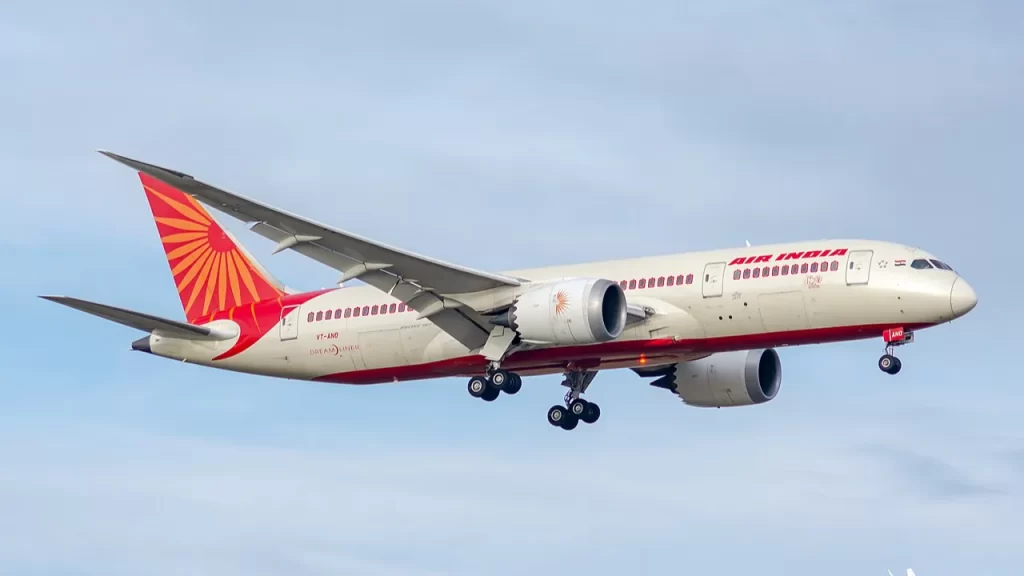
Draft Final Report Due in October After AAIB Missed the One-Year Deadline
The AAIB’s original deadline to publish a final report fell in June 2026, one year after the crash, but the agency instead issued only an interim update citing “significant progress” in evidence analysis. International rules require a final report within twelve months of an accident, or an interim statement on each anniversary if that deadline cannot be met. The distinction matters because the earlier preliminary report, filed within 30 days of the crash, was never meant to be conclusive.
The government told the court this month that the delay stemmed partly from engine examinations carried out in the United States. The AAIB also told the bench there is an “absolute statutory prohibition” on releasing cockpit voice and image recordings to any outside committee or the public, warning that doing so would breach the Aircraft (Investigation of Accidents and Incidents) Rules, 2025.
The petitions now before the court were filed by an NGO, a law student, and Pushkar Raj Sabharwal, the 91-year-old father of the flight’s late pilot-in-command, Captain Sumeet Sabharwal. Sabharwal’s plea argues that an incomplete inquiry “endangers the lives of future passengers and undermines aviation safety at large.” The Federation of Indian Pilots (FIP) may also submit inputs directly to the AAIB, which the bureau will consider if it deems them relevant.

One Year on Families of AI171 Victims Still Demand Transparency
The human cost of the delay was on stark display around the crash’s first anniversary in June 2026. Families of the 260 victims said they still lacked answers roughly a year after Air India Flight AI171 went down 32 seconds after takeoff, and their demands have stayed consistent across countries.
- Publication of the AAIB’s completed final report
- Confirmation that repatriated remains belong to the people they were told
- Formal advocacy from the British government with Indian authorities
- Accountability for the airline and Boeing through the courts
Anisha Patel, whose father Nilkanth had survived cancer before dying in the crash, summed up the frustration simply: “How did it happen? Why did it happen?” Mohammed Shoeb Iproliya, whose wife Nusratjahan Jethara from Leicester was among 53 British nationals killed, recalled that her last words to him were “I miss you,” a farewell she gave before boarding the London Gatwick Airport (LGW)-bound flight.
Separately, close to a year after the crash, roughly 30 relatives wrote directly to Prime Minister Narendra Modi asking for the release of Cockpit Voice Recorder (CVR) and Flight Data Recorder (FDR) data, arguing that if full public disclosure was not feasible, the material should at least be shared with them privately. The AAIB’s position, restated to the Supreme Court this month, is that such disclosure remains legally barred while the investigation continues.
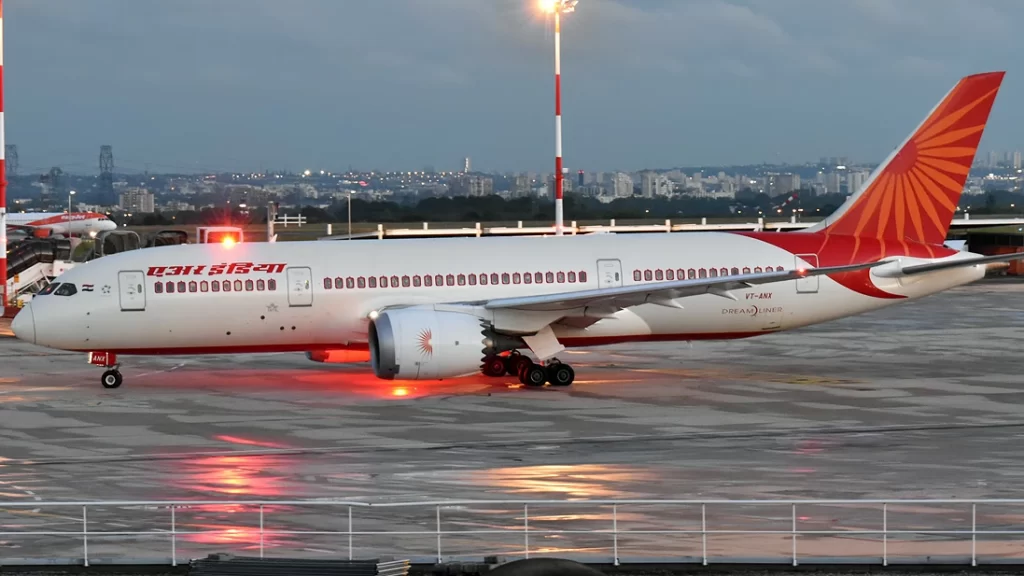
Pilots Body Pushes Electrical Fault Theory as Blame Narrative Draws Pushback
Much of the dispute over the AAIB’s approach centers on how the preliminary report characterized the pilots’ role. That report noted the aircraft’s fuel control switches moved from “RUN” to “CUTOFF” within about a second of each other shortly after liftoff, a detail that fueled speculation the crew mistakenly shut off fuel to both engines.
The FIP, which represents more than 5,000 aviators, formally challenged that reading in a May 2026 submission to the Ministry of Civil Aviation and the AAIB. It argued that a pre-liftoff electrical anomaly, tied to lithium-ion battery behavior and relay response under abnormal voltage in the Boeing 787-8’s architecture, could have driven the switches to cutoff without any pilot input. The federation asked the AAIB to treat the theory as testable and to route it through premier institutions including IIT Bombay before the final report is published.
Black Box Data Remains Sealed Despite Mounting Family Pressure
Nearly ten months after the crash, families were still pressing for access to the flight recorders, arguing that the delay was compounding their grief without bringing them closer to answers. Their central complaint is that access to CVR and FDR data is essential for both accountability and closure, not simply a procedural formality.
The AAIB’s public position has not shifted since then. It maintains that sharing cockpit audio or image recordings with any external party, including grieving families, would breach the accident investigation rules that govern the probe. Family representatives have countered that transcripts, if not the audio itself, have been released in other major international crash investigations, and that withholding even that basic detail after more than a year fuels rather than reduces public speculation.
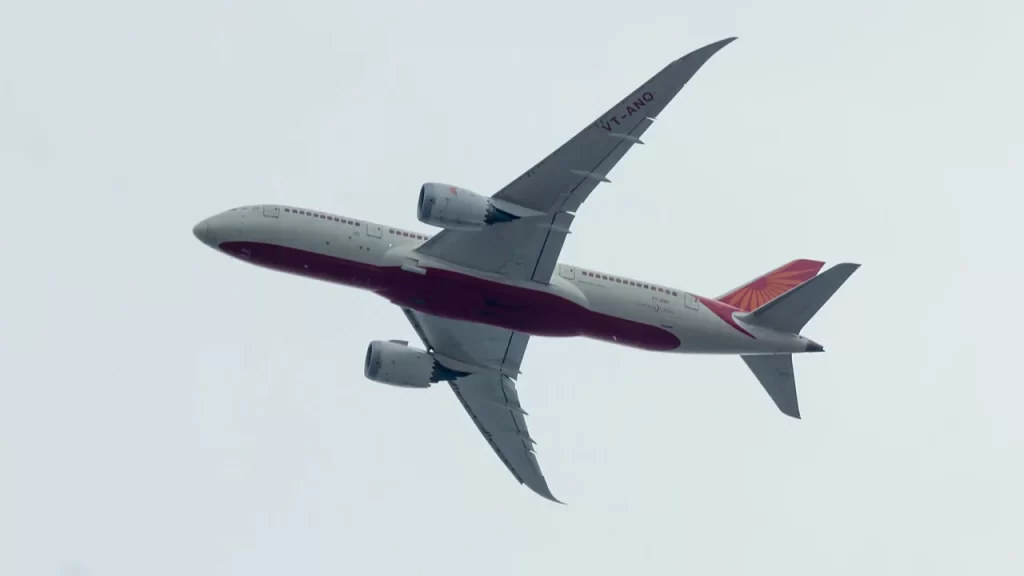
DGCA Scrutiny Widens after Air India Flight 117 RAT Deployment
The AI171 crash has also placed the wider Boeing 787 fleet under a magnifying glass. On October 4, 2025, a separate Air India Boeing 787-8, registered VT-ANO and operating flight AI117 from Amritsar (ATQ) to Birmingham (BHX), experienced an uncommanded deployment of its Ram Air Turbine (RAT) at roughly 400 feet on approach. The aircraft landed safely with no reported injuries.
The Directorate General of Civil Aviation (DGCA) launched a formal probe and asked Boeing for a detailed report covering preventive measures, any similar incidents recorded in the 787 fleet worldwide, and service data tied to recent Power Control Module replacements. Investigators pointed to a fault in the Bus Power Control Unit as a possible trigger.
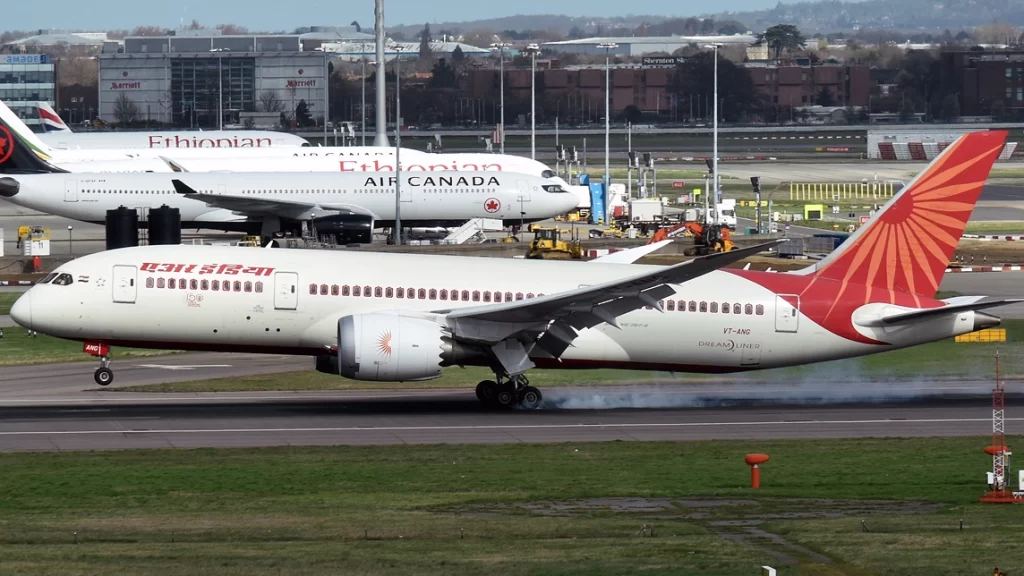
India’s Aviation Regulator Heads into a Critical FAA Review
The AAIB’s handling of the AI171 probe is unfolding just as the DGCA prepares for a high-stakes external audit. The US Federal Aviation Administration (FAA) is set to carry out a formal safety review of the DGCA in November 2026 under its International Aviation Safety Assessment (IASA) programme, which determines whether India keeps its Category 1 rating that allows Indian carriers to expand into the United States and pursue codeshare deals with US airlines.
India has held Category 1 status since 1997, apart from a downgrade to Category 2 between 2014 and 2018 over oversight deficiencies. Its position had strengthened considerably since then: an ICAO audit in November 2022 recorded India’s Effective Implementation score at 85.65 percent, up sharply from 69.95 percent in 2018, and pushed the country into the world’s top 50 for aviation safety oversight.

_(51811148072).jpg)
.jpg)
.jpg)
.jpg)

