After a Turbulent 2025, India’s DGCA Heads Into Crucial FAA Audit After 5 Years After Safety Score Jumped From 69.95% to 85.65%

India’s Directorate General of Civil Aviation (DGCA) is set to face a formal safety review by the United States Federal Aviation Administration (FAA) in November 2026, under the FAA’s International Aviation Safety Assessment (IASA) programme. The timing is significant: the review follows one of the most difficult years in Indian aviation history, defined by a fatal Air India crash that killed 260 people, thousands of IndiGo flight cancellations triggered by the rollout of new pilot fatigue rules, and the discovery of recurring maintenance defects across half the country’s commercial aircraft fleet, The Economic Times reported. 

The IASA review will determine whether India retains its FAA Category 1 status — a designation that allows Indian carriers to operate flights to the United States and enter into codeshare agreements with US airlines. According to the US Department of Transportation, India has held Category 1 status since 1997, except for a period between 2014 and 2018 when it was downgraded to Category 2 following deficiencies found in the DGCA’s oversight framework. The FAA last conducted a full IASA review of the DGCA in October 2021, with follow-up consultations extending through September 2022 and a final determination communicated in April 2023.
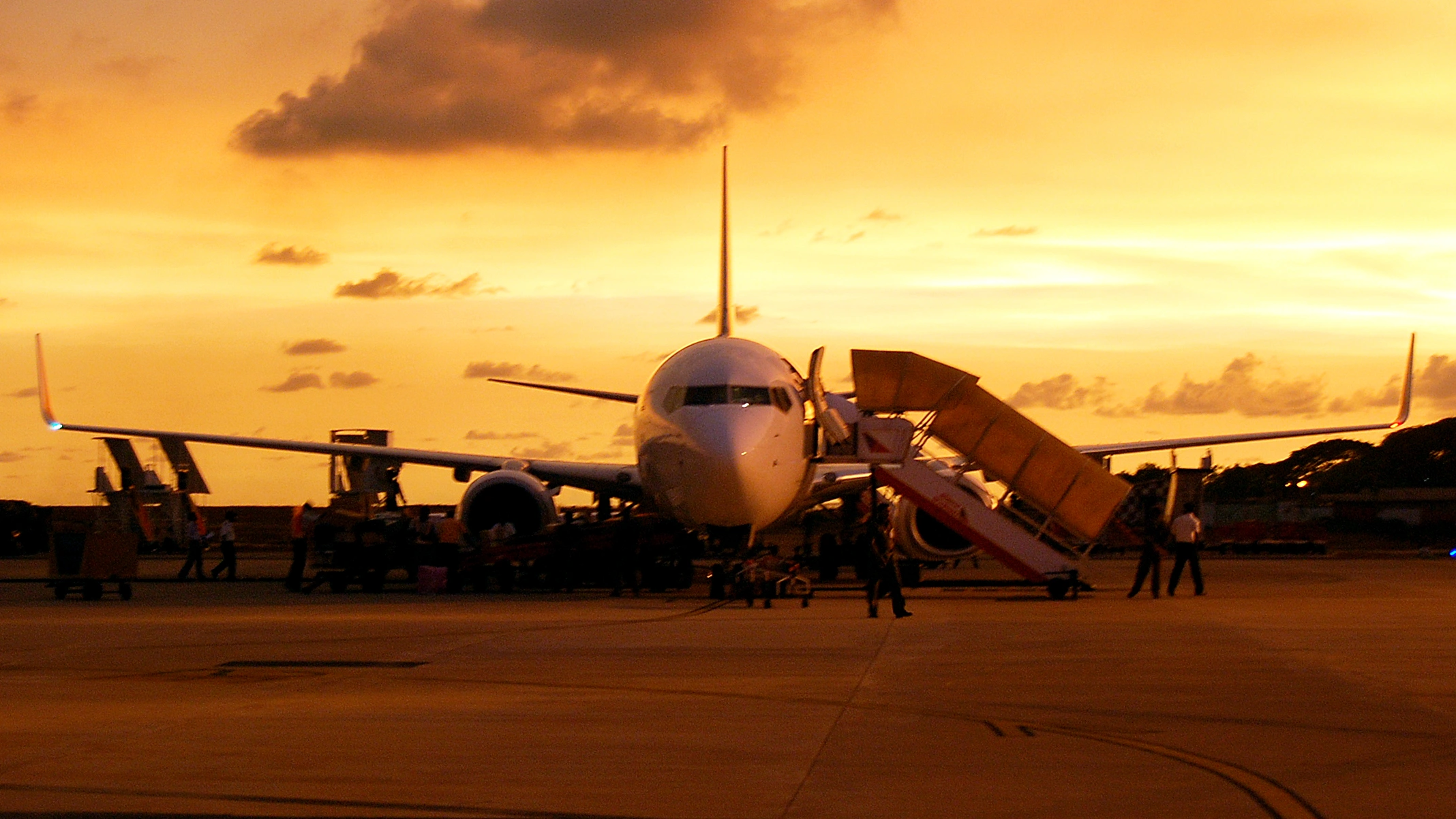
Photo: Premkudva | Wikimedia Commons

What Is the FAA IASA Review and What Is at Stake for India?

The FAA’s IASA programme assesses the civil aviation authority of a country — not individual airlines — for compliance with the International Civil Aviation Organization (ICAO) standards set out in the Chicago Convention. A Category 1 rating means that the country’s civil aviation authority complies with ICAO standards, enabling that country’s airlines to operate into and expand services within the United States, as well as to establish codeshare partnerships with US carriers.

The IASA programme specifically assesses eight critical elements of effective aviation safety oversight, as defined in ICAO Document 9734. These include personnel licensing, operations of aircraft, airworthiness, and the legal and regulatory frameworks within which a civil aviation authority functions.

A Category 2 designation — the consequence of failing to meet these standards — would bar Indian carriers from adding new services to the United States and from establishing new codeshare arrangements with American airlines. India’s downgrade to Category 2 between 2014 and 2018 offers a recent precedent for what that outcome looks like in practice.
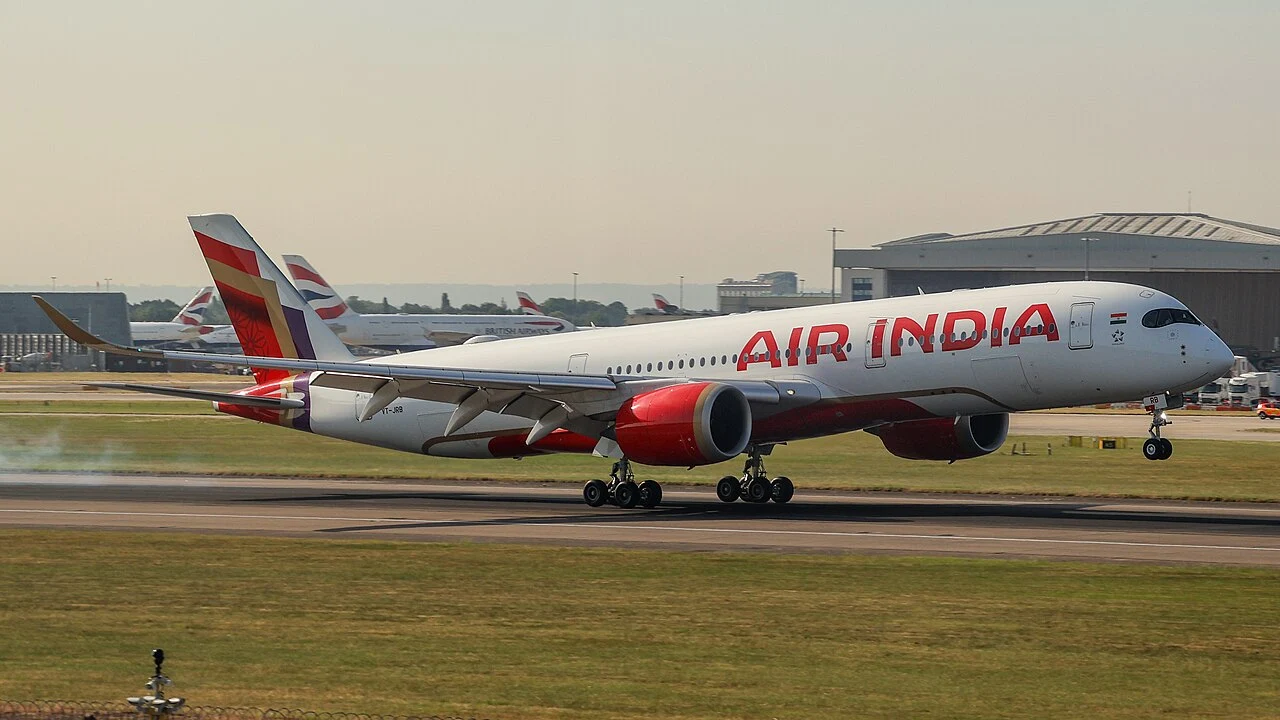
For India, the stakes are commercial as well as reputational. As of 2026, Air India (AI), IndiGo (6E), and Akasa Air all operate or plan to operate international routes connecting India to the United States and to codeshare partners. Any downgrade would disrupt these routes directly and signal to international markets that India’s regulatory framework falls short of global benchmarks.

Photo: S5A-0043 | Wikimedia Commons

The Air India AI171 Crash Changed Everything

The single most consequential event shaping the context of this FAA review is the crash of Air India Flight AI171 on June 12, 2025. A Boeing 787-8 Dreamliner operating from Sardar Vallabhbhai Patel International Airport (AMD) in Ahmedabad to London Gatwick Airport (LGW) lost both engines within seconds of liftoff and crashed into a medical college building. The accident killed 241 of the 242 people on board, plus 19 on the ground — a total of 260 lives. It was the deadliest aviation accident in India since 1996.

The Aircraft Accident Investigation Bureau (AAIB) published a preliminary report in July 2025, revealing that cockpit audio recorded one pilot asking “Why did you cut off?” — to which the other replied “I didn’t.” The report indicated that both fuel control switches moved from “RUN” to “CUTOFF” within one second of each other, starving the engines of fuel shortly after takeoff.

The investigation has since become deeply contested. Reports in early 2026 from Italian and US media suggested some investigators believe the crash involved deliberate cockpit action by the captain, who was allegedly struggling with depression — a claim his family disputes.

Meanwhile, the Federation of Indian Pilots (FIP) submitted a formal technical hypothesis asserting that a pre-liftoff electrical disturbance — rather than any deliberate act — may have triggered the dual-engine fuel cutoff, and urged the AAIB to expand its probe.
Critically, the DGCA’s handling of the investigation has itself attracted scrutiny. India’s Supreme Court criticized the regulator for selectively releasing parts of the crash report that blamed pilots while withholding other critical data. Legal and media experts called for an independent probe, citing a conflict of interest since DGCA officials formed part of the investigating team.

By publishing only an interim rather than a final report, Indian authorities are not obligated to share findings in advance with the US National Transportation Safety Board (NTSB), which participates in the investigation by virtue of the Boeing 787’s US design and manufacture — a procedural choice that adds to transparency concerns heading into the FAA review.

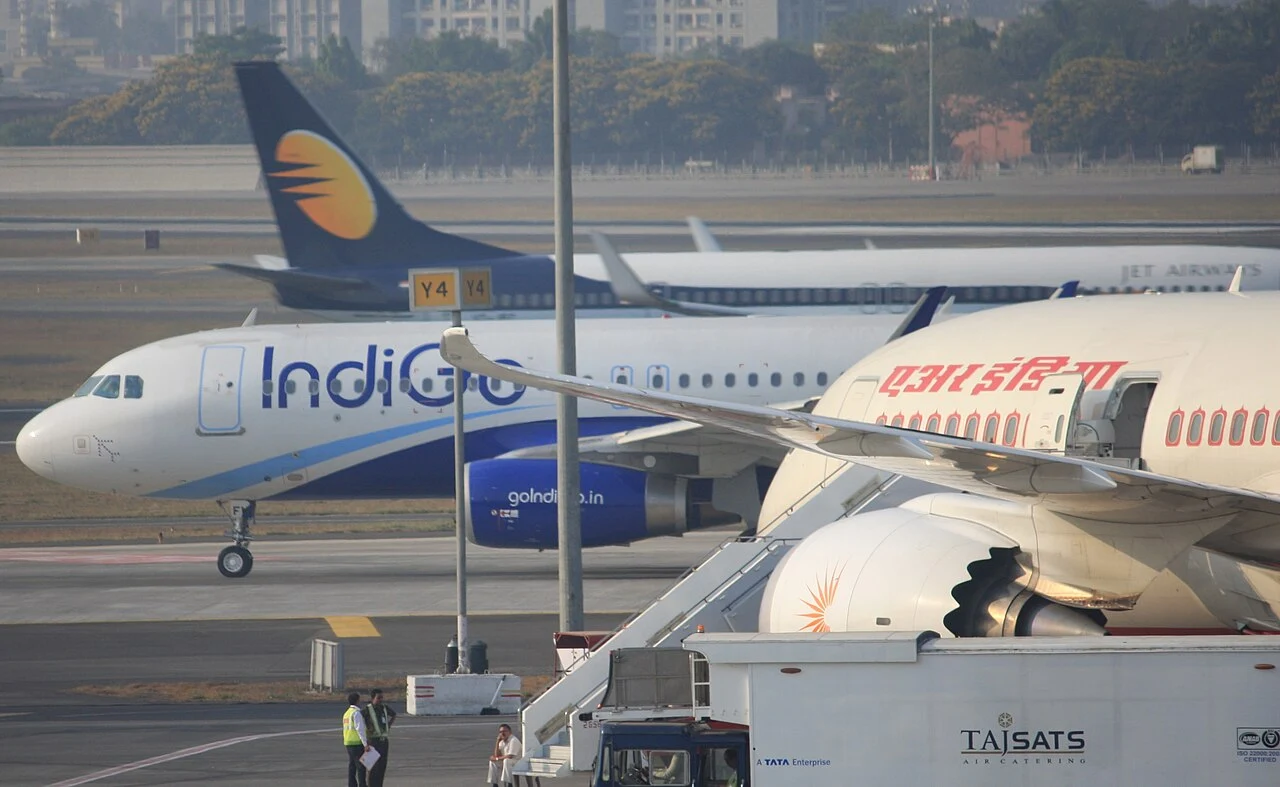
Photo: Andrew Thomas | Wikimedia Commons

The IndiGo FDTL Crisis that Canceled Thousands of Flights

The second defining crisis of 2025 for Indian aviation was the collapse of IndiGo’s scheduling operations following the rollout of the DGCA’s revised Flight Duty Time Limitations (FDTL). The DGCA notified airlines of the new rules in January 2024, deferred implementation in March following industry resistance, and finally scheduled a phased rollout from July 1 and November 1, 2025. The revised rules require pilots to receive a minimum of 48 hours of continuous rest per week, restrict night landings to two per week (down from six), and enforce cumulative flying limits of 60 hours in seven days and 100 hours in 28 days.

When the November phase took effect, IndiGo cancelled over 300 flights in just two days. By December 4, 2025, the cancellation rate hit 19.7% in a single day, and Delhi departures averaged 50 minutes late. In November alone, 1,232 IndiGo flights were cancelled, with 755 attributable directly to FDTL implementation. IndiGo’s CEO apologized, conceding the airline had misjudged the number of pilots needed to operate under the new rules.

The DGCA’s response was sharp. It reduced IndiGo’s winter schedule by 10%, issued show cause notices to CEO Pieter Elbers and COO Isidre Porqueras, and ultimately fined the airline ₹222 million over the disruptions while ordering a ₹500 million bank guarantee.

The DGCA granted IndiGo a temporary exemption from the night-flying limit until February 10, 2026 — but this was widely criticised as a safety compromise. The Airline Pilots’ Association of India (ALPA) pushed back hard, calling the exemption a case of prioritising punctuality over pilot welfare.

IndiGo began full compliance with the FDTL framework from February 11, 2026. In a statement, the airline said: “We have adequate pilots and crew to operate our existing schedule and comply with the regulations going forward.

Photo: Md Shaifuzzaman Ayon | Wikimedia Commons

2,745 Vacancies Across India’s Aviation Safety Bodies

A structural problem will shadow the DGCA’s preparations for the November review: a vast and documented shortage of qualified staff across India’s civil aviation regulatory ecosystem. According to JDA Solutions, there are 2,745 vacant posts across civil aviation regulatory and safety bodies, with 787 of those vacancies sitting within the DGCA itself. The Airports Authority of India (AAI) carries a further 1,667 vacancies in direct recruitment executive positions.

The DGCA’s 787 unfilled posts are partly the result of 441 additional positions created during a restructuring programme between 2022 and 2024. However, the Ministry of Civil Aviation has acknowledged these vacancies and noted that the AAI has expedited recruitment, redeployed staff at operationally sensitive airports, and is continuously reviewing staffing levels.

Staffing deficiency is not a new criticism: the same concern appeared in the FAA’s Category 1 report of July 2018. At that time, the DGCA was found to have corrected the issues — but the recurrence of the same gap in 2025 and 2026 raises questions about whether systemic solutions have been found or whether the problems simply reasserted themselves under the pressure of rapid industry growth.

The DGCA currently lacks independent recruitment powers and operates under the administrative authority of the Government of India. India has been considering replacing the DGCA with a Civil Aviation Authority (CAA) modelled on the FAA — a body with autonomous recruitment, administrative, and financial powers. This reform has been discussed for years without implementation, and the growing staff deficit suggests the matter has gained renewed urgency ahead of November.

Photo: Wikimedia Commons | Quintin Soloviev

Half Of India’s Aircraft Have Recurring Problems

The DGCA’s own surveillance data, compiled in 2025, reveals a sobering picture of fleet maintenance compliance. Surveillance conducted across India’s commercial fleet found recurring defects in approximately half of the country’s 754 commercial aircraft across major domestic carriers. The carrier-specific breakdown reported by JDA Solutions citing Ministry of Civil Aviation data is striking:

  • Air India Group: 191 aircraft with recurring defects out of 267 audited
  • IndiGo (6E): 148 aircraft with recurring defects out of 405 audited
  • Air India Express, SpiceJet, Akasa Air, and Alliance Air: also showed significant defect rates

The DGCA’s internal audit findings following the AI171 crash were candid. They acknowledged aircraft being flown with unrectified defects and worn-out tires, outdated simulator software used for pilot training, unrecorded system-generated alerts in technical logbooks, and obstruction-limitation data at airports not updated for years. A 2026 DGCA audit previously flagged significant safety lapses at major Indian airports, including faded runway markings, faulty simulator training, and inadequate maintenance practices.

Photo: Indigo – X

DGCA Has Responded with Audits, Reforms, And New Rules

Against this backdrop, the DGCA has moved to intensify its oversight activity. The regulator conducted 3,890 surveillance inspections, 56 audits, and hundreds of ramp and night checks during 2025.

Between January and March 2026, the DGCA carried out a further 41 audits across airlines, charter operators, and helicopter services — 29 special audits and 12 regulatory audits. The government informed Parliament of these figures in April 2026, with Minister of State for Civil Aviation Murlidhar Mohol confirming the numbers in a written Lok Sabha reply.
Following the AI171 crash, the DGCA launched a 360-degree Special Safety Audit — a shift from the previous model, where different DGCA directorates conducted independent, area-specific checks without cross-departmental coordination. The new framework aims to identify systemic vulnerabilities rather than isolated incidents.

On the regulatory side, the FDTL reform itself — though chaotic in implementation — represents a meaningful alignment with international standards. The revised FDTL rules not only align with FAA and EASA cumulative flying limits but in some areas, such as the 48-hour weekly rest requirement, actually exceed those international benchmarks. The DGCA has also introduced Electronic Personnel Licences (EPL) and updated Class 1 Medical certification rules as part of a broader modernisation of its licensing architecture.

International Validators Give India Passing Grades

Despite the volume of domestic criticism, India’s aviation safety record as assessed by international bodies presents a different picture. The FAA reaffirmed India’s Category 1 status as recently as April 2023. At the 42nd ICAO Assembly in Montreal in September 2025 — notably, after the AI171 crash — ICAO Council President Salvatore Sciacchitano awarded the DGCA a Council President Certificate for progress in establishing an effective aviation safety oversight system. DGCA Director General Faiz Ahmed Kidwai received the certificate on behalf of India.

India’s ICAO USOAP (Universal Safety Oversight Audit Programme) Effective Implementation score stands at 85.65%, well above the global average. No Indian airline is on the EU Air Safety List — meaning EASA has no systemic concerns with the DGCA’s oversight of Indian carriers. Major Indian carriers, including Air India and IndiGo, maintain IATA Operational Safety Audit (IOSA) registration, requiring compliance with global safety standards.

This dissonance — strong international audit scores alongside damning domestic findings — has itself attracted commentary. As JDA Solutions, a consultancy led by former FAA Chief Counsel and Deputy Administrator Sandy Murdock, observed in February 2026:

“Perhaps it is time to reconsider the USOAP and IASA dual reviews? They both are merely report cards that find that enhanced safety performance is needed. But, the outside team returns to their offices and the deficient DGCA has to try to figure how to meet the standards — amend rules, increase their independence, hire a higher quality of technical experts, up the intensity of its internal Safety Culture.”

Photo: Wikimedia Commons | Sunil Nath

How India’s Category 1 History Frames the November Review

India’s IASA journey has been uneven. The country first achieved Category 1 status in August 1997. A December 2012 FAA audit identified deficiencies in the DGCA’s oversight, leading to a Category 2 downgrade in 2014. India regained Category 1 in 2014 and was re-affirmed in July 2018 and again in April 2023 — each time after the DGCA demonstrated corrective action on specific findings.

Following the April 2023 reaffirmation, the DGCA issued a statement that captured the tone it seeks to project ahead of this cycle:

“FAA has stated that DGCA has demonstrated a commitment towards ensuring an effective safety oversight of India’s aviation system and appreciated the positive manner in which DGCA has worked with them.”

The November 2026 review will be the first full IASA assessment since the AI171 crash, the IndiGo FDTL crisis, and the emergence of fleet-wide defect data. The FAA will evaluate whether the DGCA’s oversight capability is keeping pace with India’s extraordinary aviation growth — a market now ranked as the world’s third-largest domestic aviation market, with over 1,500 aircraft on order across Indian carriers and domestic passenger traffic growing at 6.9% annually.


The Broader Indian Regulatory Ecosystem

India’s aviation regulatory environment is not just the DGCA. The Airports Authority of India (AAI), the Bureau of Civil Aviation Security (BCAS), and the Aircraft Accident Investigation Bureau (AAIB) all play roles that the FAA will examine in the context of systemic oversight. The AAIB, in particular, has been under pressure given the AI171 investigation controversies, including reports that some investigators were not aware of the DGCA’s planned visit to Boeing’s Seattle facility to examine the fuel control switch module.

Separately, legal analysis published in May 2026 in the Supreme Court of India journal SCC Online has called for the DGCA to be elevated to an independent statutory regulator equivalent to the FAA. As the analysis put it: “The DGCA needs to be elevated to be an independent regulatory authority that can be equivalent to the FAA based in the USA and CAA based in UK. Being an independent and statutory regulator, the DGCA can ensure fast response and help in effective enforcement of the safety protocols and standards.”

Photo: Anna Zvereva | Wikimedia Commons

What The FAA Review Will Likely Examine

Based on the structure of past IASA audits and the publicly available findings from India’s 2021 assessment, the November 2026 review is likely to scrutinise several specific areas:

  • Personnel licensing: Whether the DGCA’s pilot licensing, medical certification, and examiner programmes meet ICAO standards in an environment where airlines are rapidly expanding and pilot shortages persist
  • Operational oversight: Whether the DGCA’s surveillance of airline operations — including FDTL compliance — is adequate given the crisis of December 2025
  • Airworthiness: Whether the recurring aircraft defect patterns documented in DGCA’s own surveillance data are being addressed systematically
  • Accident investigation independence: Whether the AAIB’s investigation of AI171 meets ICAO standards for impartiality and transparency
  • Staffing capacity: Whether the DGCA has sufficient qualified technical personnel to oversee a rapidly expanding fleet.


Leave a Comment

Your email address will not be published. Required fields are marked *

Scroll to Top