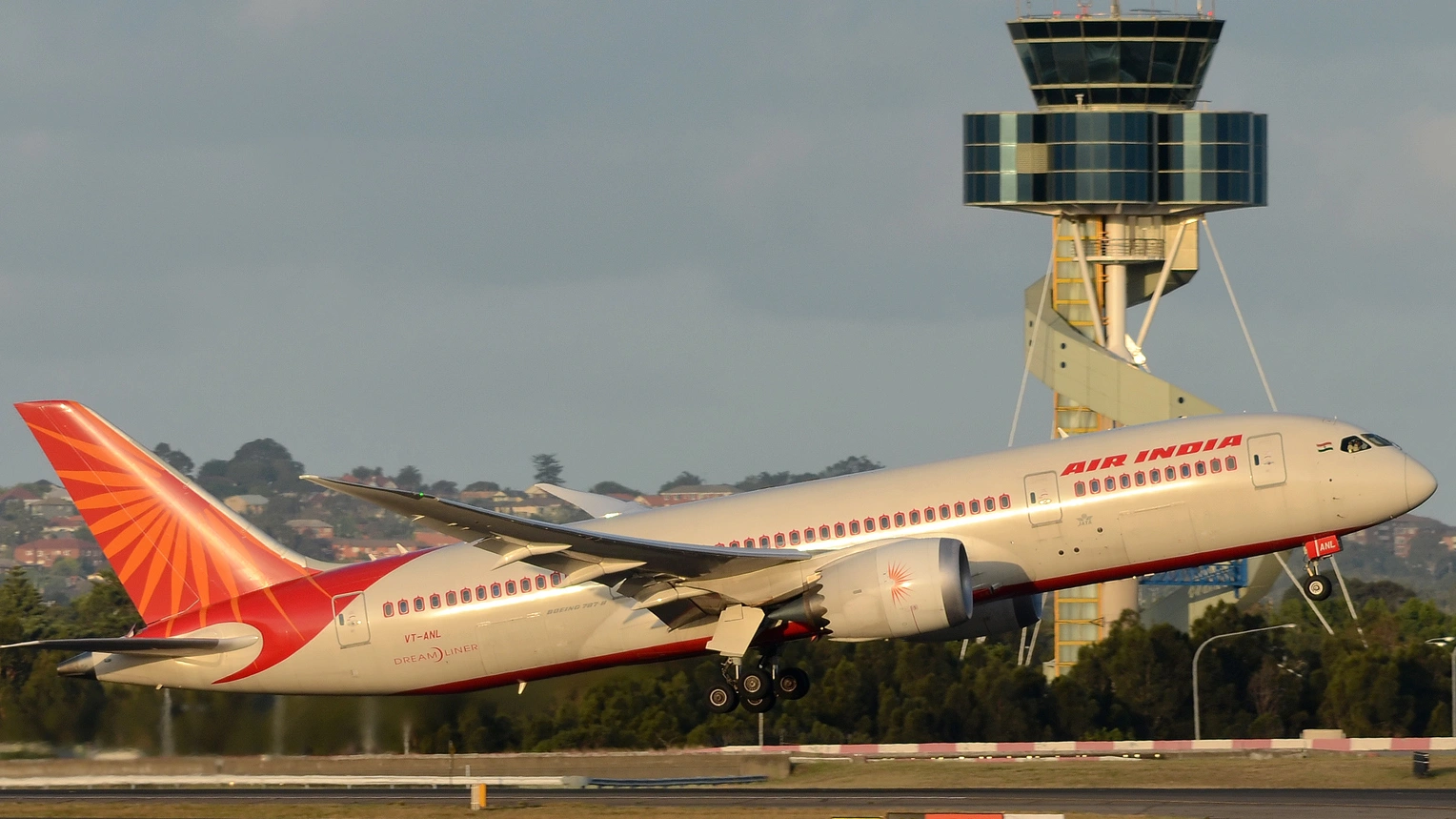
One year after Air India (AI) Flight AI171 crashed 32 seconds after takeoff from Sardar Vallabhbhai Patel International Airport (AMD), Ahmedabad, the families of 260 victims say they remain without answers. The Boeing 787-8 Dreamliner, registered VT-ANB and bound for London Gatwick Airport (LGW), went down on 12 June 2025, killing 241 of the 242 people on board and 19 on the ground.
India’s Aircraft Accident Investigation Bureau (AAIB) released a 15-page preliminary report in July 2025 but has not yet published its final findings. On the first anniversary of the tragedy, grieving relatives from the United Kingdom, India, and elsewhere say unresolved questions about the cause of the crash, the handling of remains, and a compensation process they regard as opaque are compounding their pain.
Families Describe Grief Without Closure
On the first anniversary of the crash, the human cost of the unresolved inquiry is stark. Mohammed Shoeb Iproliya, whose wife Nusratjahan Jethara from Leicester was among the 53 British nationals killed, told the BBC he still struggled to sleep. He recalled that the last words his wife said to him from the runway were “I miss you” and a reminder to meet her at London Gatwick.
“It is a very difficult day, 12th of June, 2025. I never forget that day,” he said. After one year, he said he was seeking just one thing: “truth only.”
Seven British families, who lost mothers, fathers, and brothers in the crash, met publicly for the first time in March 2026, speaking to ITV News nine months after the disaster. Each described the experience of the days after the crash in similar terms.
Nick Meek, who lost his brother Jamie — who had been returning from his honeymoon — described the period immediately after the disaster as one of “complete uncertainty.” He said: “There was a complete lack of communication and empathy. You felt completely lost and you don’t know where to turn.”
UK Families Say the British Government Failed Them
A recurring theme in testimonies from British relatives is that the UK’s Foreign Office did not provide adequate support after the crash. Chirag Patel, who lost his mother Manju Patel, said his family received almost no help after registering with the Foreign Office. “There was no phone call,” he said. “They said, ‘we’re overwhelmed’. They were just like deer in headlights.”
Zunairah Master, who lost her 31-year-old brother Mohammed Adnan Master, said the family’s experience was made worse by the absence of consular help. “We had no support from the (UK) government,” she said. “My dad called the British Embassy and they were of no help.”
Several families said they had since written to two successive UK Foreign Secretaries requesting meetings but had not received a response. In reply to ITV News, a UK government spokesperson said the Foreign Office continued to provide support through dedicated consular caseworkers and remained in contact with Indian authorities. Families said that statement did not match their experience.
Doubts Over Whether Families Received the Correct Remains
Some British relatives have expressed serious uncertainty about whether the remains they cremated or buried belonged to their loved ones. Miten Patel, who lost both his parents in the crash, said a UK coroner later found that his mother’s repatriated remains had been mixed with someone else’s.
“Every single one of us when we were on the ground, you didn’t know who you were taking back,” he said. “We weren’t allowed to see anything. We weren’t allowed to physically identify anything ourselves.”
Chirag Patel said he could not confirm with certainty that the remains he cremated were his mother’s. “Sadly, I cannot be 100% sure,” he said. Jay Mervana, who lost his father, described police remaining present during funeral rituals to ensure coffins were not opened. “That was confirmation we weren’t going to open them,” he said.
Separately, Gulf News reported that at least one family was forced to abandon a funeral after receiving the wrong remains and that in another case two victims’ remains were found in the same coffin. Indian authorities had used DNA testing, sniffer dogs, and dental records to identify victims, and by 28 June 2025 had officially declared all fatalities positively identified.
Lawsuits Filed Against Boeing and Honeywell
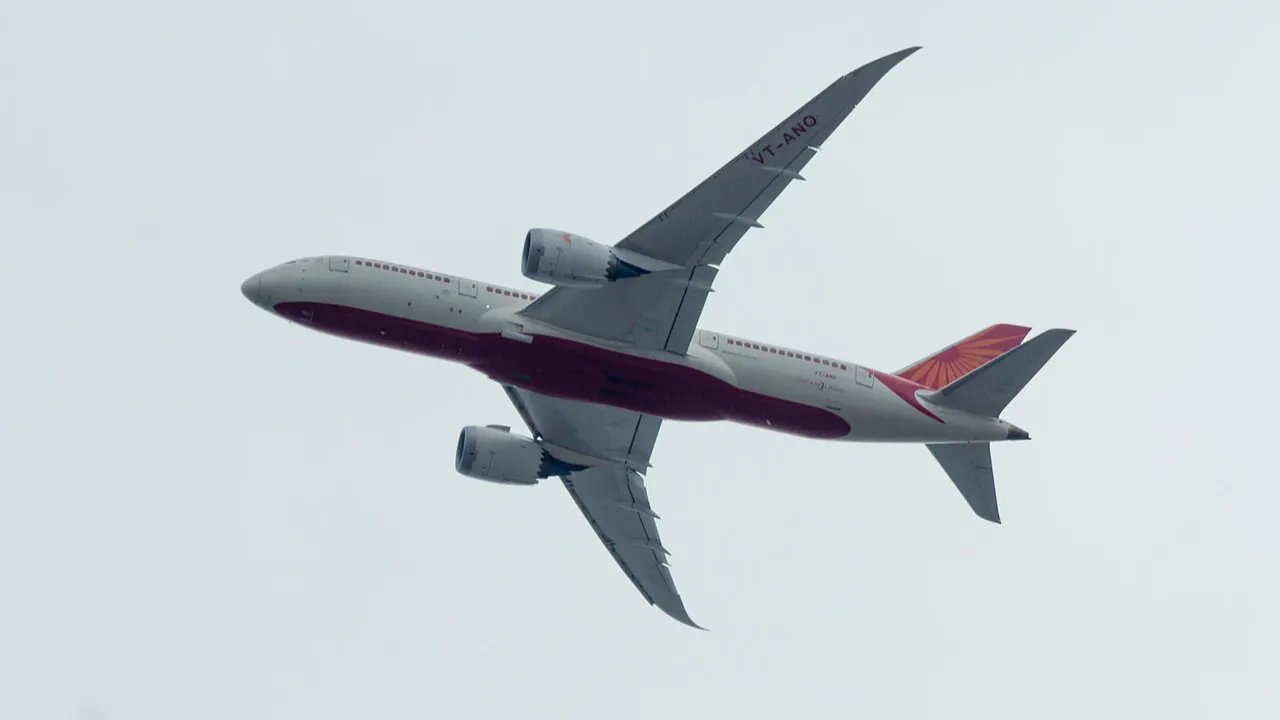
In September 2025, families of four passengers filed a product-defect and negligence lawsuit in Delaware Superior Court against Boeing and aircraft parts manufacturer Honeywell. The suit alleged that a defective fuel cutoff switch design — placing the switches directly behind the thrust levers — made inadvertent activation during normal cockpit activity foreseeable.
Benjamin Major of The Lanier Law Firm, co-counsel for the families, said in a statement:
“It is shocking that Honeywell and Boeing both knew of this danger and did absolutely nothing to prevent the inevitable catastrophe that occurred on June 12.”
He added that once the engines shut down, the aircraft “basically became a 250,000-pound lawn dart.”
NBC News reported that the AAIB’s preliminary report had itself noted Air India had not conducted the switch inspections recommended in a 2018 FAA advisory. Several further lawsuits have since been filed in UK courts. As of June 2026, neither Boeing nor Honeywell had issued substantive public statements on the litigation.
What The Families of AI 171 Are Asking for Now
One year on, the requests from victims’ families are consistent across jurisdictions. They want the AAIB’s final report published. They want confirmation that the remains in their possession belong to the people they lost. They want the British government to advocate formally on their behalf with Indian authorities. And they want the airline and its manufacturer to face accountability through the courts.
Anisha Patel, whose father Nilkanth had survived cancer before dying in the crash, put it simply: “How did it happen? Why did it happen?”
Air India told ITV News that supporting the families affected by the tragedy remained its highest priority. The airline said it had stayed in close and regular contact with the families over the previous nine months and continued to provide assistance during their bereavement.
The carrier acknowledged that no amount of financial compensation could replace the loss of a loved one and pledged to maintain its support for all affected families.
Meanwhile, the AAIB has not issued a statement marking the anniversary, and no date has been publicly announced for the release of its final investigation report.


.jpg)
.jpg)
.jpg)