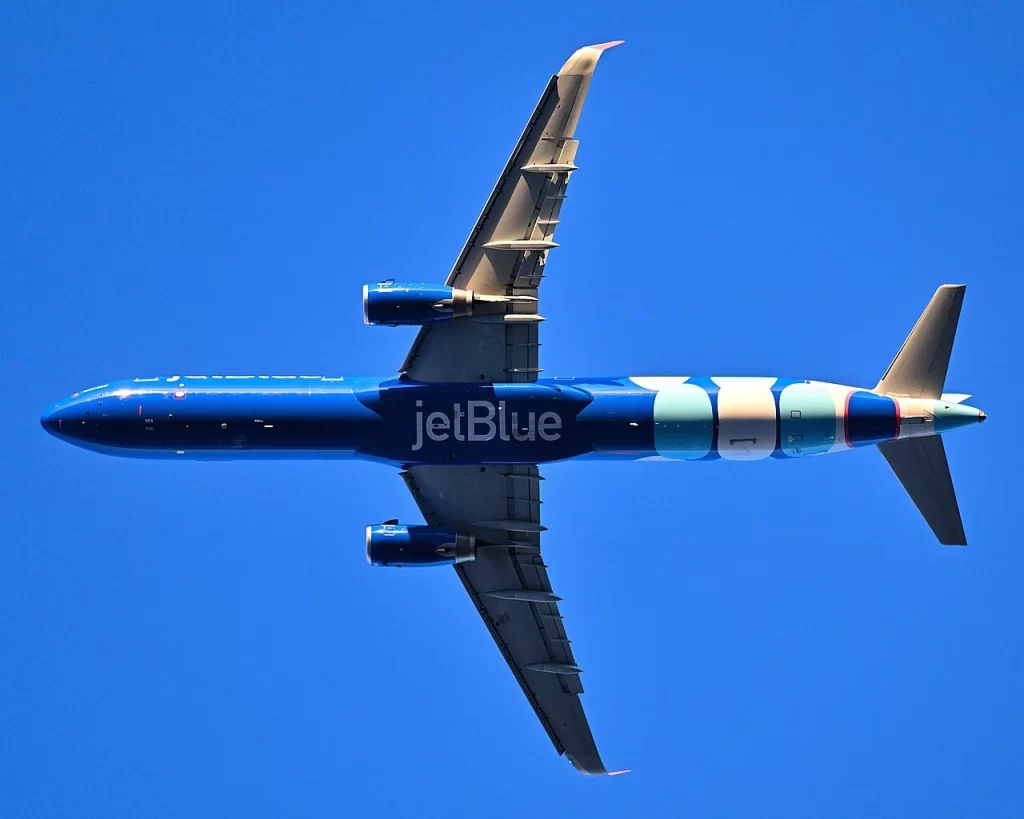
JetBlue Airways is turning Fort Lauderdale-Hollywood International Airport (FLL) into a one-stop connecting hub between secondary U.S. cities and the Caribbean and Latin America. The airline is capitalizing on the collapse of Spirit Airlines (NK), which vacated enormous capacity at FLL when it shut down entirely, according to a report by Aviation Week. JetBlue President Marty St. George said on the carrier’s second-quarter earnings call that Spirit’s exit created one of the biggest network opportunities in JetBlue’s history.
The expansion involves a new banked schedule at FLL designed to connect smaller American cities with JetBlue’s wider Caribbean and Latin American network. Schedule data shows JetBlue is set to nearly double its FLL capacity in 2026 compared with the year before, even as the carrier simultaneously scales back its presence in New York and posts a wider quarterly net loss.
JetBlue Builds A New Connecting Hub at Fort Lauderdale
St. George explained the strategic logic using Albany as an example. He said a JetBlue customer flying out of Boston or New York already has broad access to leisure destinations across the Americas, but a traveler in a smaller market like Albany previously only reached Fort Lauderdale and Orlando directly.
“Now with connectivity in Fort Lauderdale, if you’re a customer in Albany, for example, you get access to all of the Caribbean and everywhere we fly in Central and South America,” St. George said. “So, I think it’s really a game changer for TrueBlue as much as it is for the local market.”
The banked schedule groups arrivals and departures at FLL into tighter connecting windows. That structure lets passengers from mid-sized cities reach island and Latin American destinations with a single stop, rather than routing through JFK or another larger JetBlue base.
Spirit Airlines’ Collapse Opens the Door for JetBlue’s Expansion
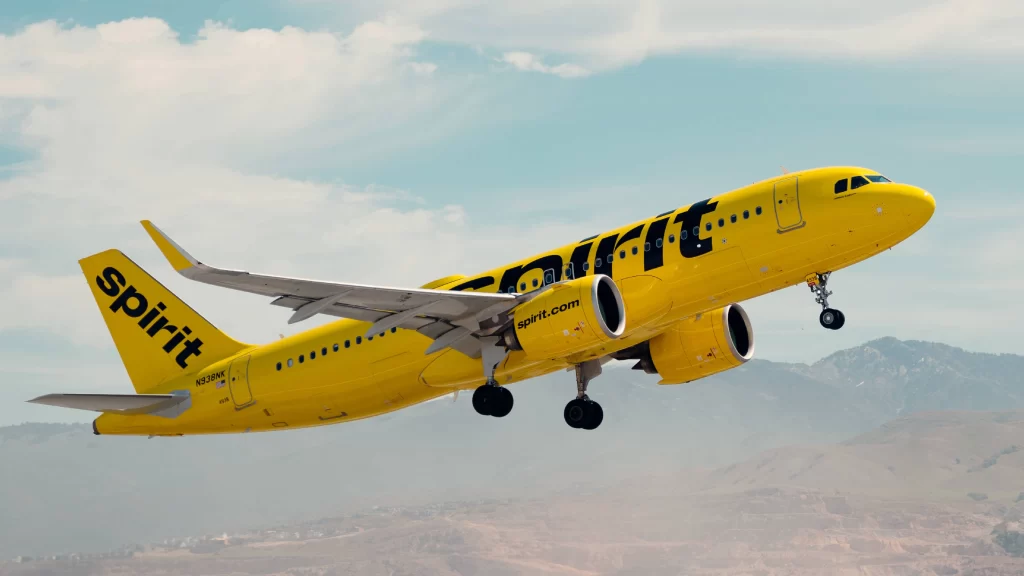
Spirit Airlines ceased all operations on May 2, 2026, after cycling through two rounds of Chapter 11 bankruptcy before shifting to full liquidation. The carrier had been Fort Lauderdale’s primary hub, and its exit vacated a large share of the airport’s gates and slots almost overnight.
JetBlue moved quickly to absorb that capacity. Analysis of OAG Schedules Analyser data shows JetBlue is scheduled to offer about 6.3 million departure seats from FLL during 2026, up roughly 55% from 4 million in 2025. The airline’s share of airport capacity is projected to rise from about 20% to almost 31%, making it FLL’s largest carrier following Spirit’s departure.
Rival Frontier Airlines has also grown at FLL following Spirit’s collapse, though JetBlue has captured the larger share of the opportunity. The airline’s Fort Lauderdale market share by capacity climbed to 36% in 2026, up from 24% a year earlier, once broader annual figures are counted alongside the OAG departure-seat data.
New Routes Stretch from Albany to the Caribbean and Latin America
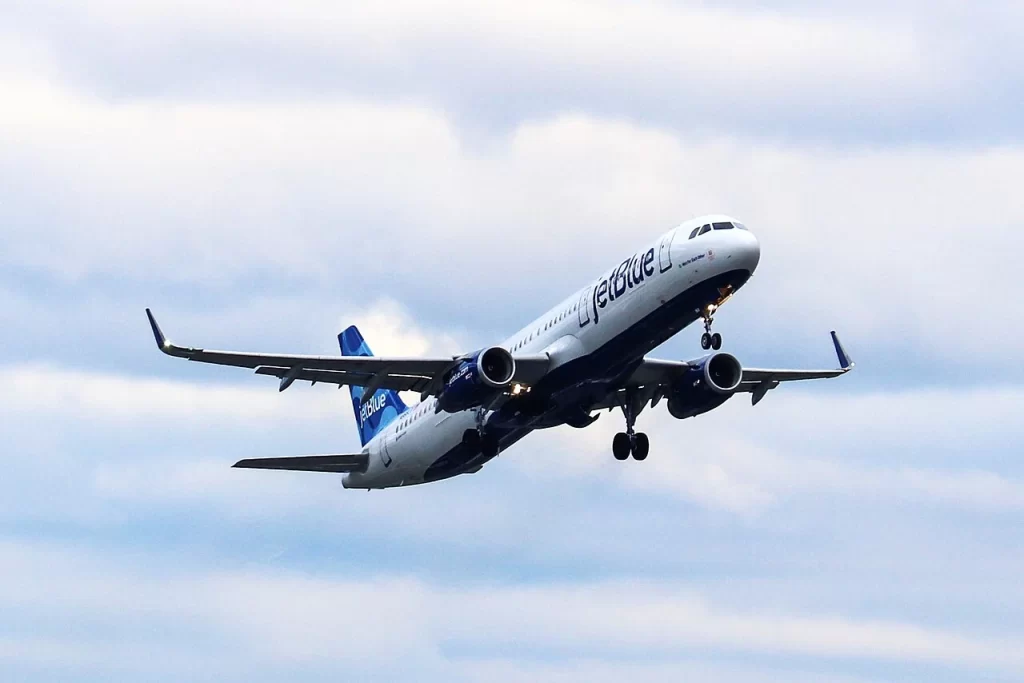
JetBlue’s network expansion at FLL includes new or restored service to a long list of domestic and international cities. The added or reinstated routes include:
- Atlanta, Austin, Baltimore, Charlotte, Chicago O’Hare, Cleveland, Dallas/Fort Worth, Detroit, Houston Intercontinental, Jacksonville, Nashville, New Orleans, Orlando, and Tampa
- Ponce, Puerto Rico
- Barranquilla and Cali, Colombia, scheduled to begin later this year
- Columbus and Indianapolis, to follow after the Colombian routes launch
Six of these represent entirely new JetBlue cities served from FLL, while five connect the airport with cities already in JetBlue’s network that previously lacked nonstop Fort Lauderdale service. JetBlue now plans to operate nearly 130 daily departures from FLL this summer, more than 75% above 2025 levels and the largest schedule the airline has ever run from the airport.
Fort Lauderdale Growth Is Coming at New York’s Expense
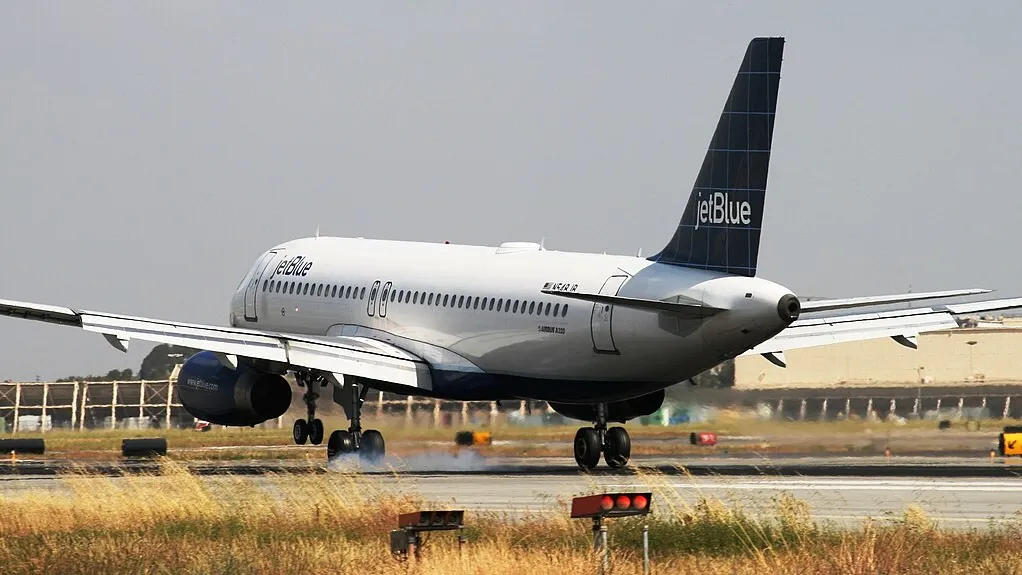
The added capacity at FLL has not appeared from nowhere. OAG data shows JetBlue’s scheduled capacity from New York John F. Kennedy International Airport declining by about 5% year over year in 2026, while capacity from Newark Liberty International Airport (EWR) is also being reduced as the airline concentrates growth in South Florida .
JetBlue confirmed on June 17, 2026 that it will close its flight attendant base at Newark along with its Technical Operations maintenance bases at both Newark and New York LaGuardia Airport (LGA) this fall. No employees will lose their jobs as a result, with affected staff offered transfers to other bases instead.
The airline has already cut two Newark routes as part of the same pullback. Twice-daily service between Newark and Harry Reid International Airport in Las Vegas ended on June 10, removing more than 13,000 seats from the market in a single month, while Newark-Los Angeles service is set to end in early 2027.
Despite the retreat, JetBlue still calls the New York metro area its largest single market. The carrier held roughly a 13% share of airline seats across five metro-area airports at the end of 2025, and it opened its first airport lounge, BlueHouse, at JFK in December 2025, with a second location planned for Boston Logan International Airport.
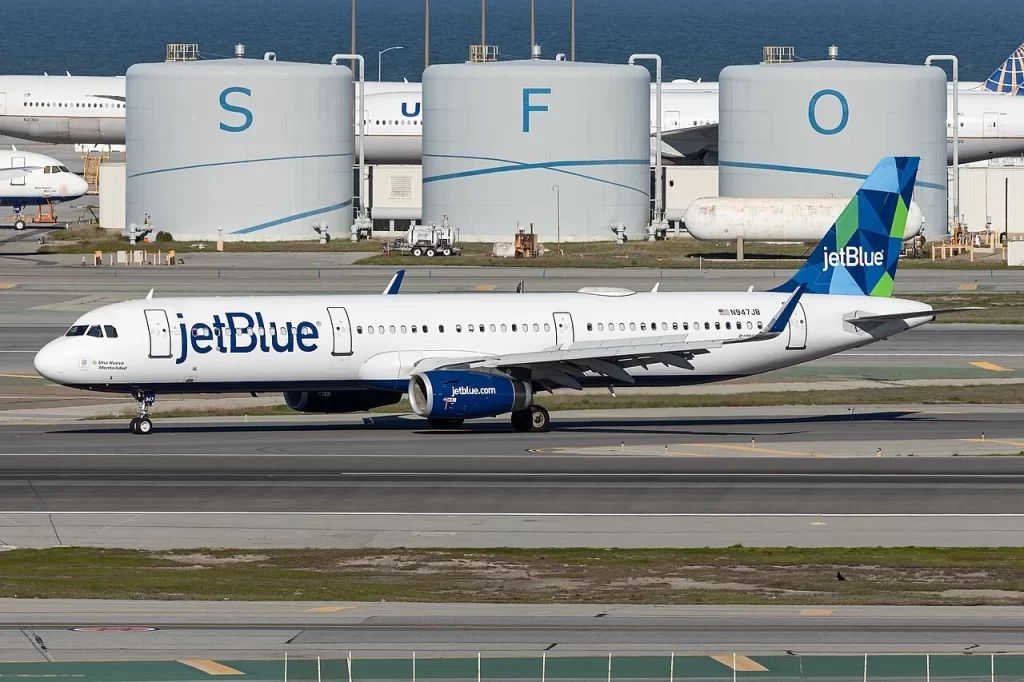
JetBlue Is Also Betting $58.5 Million On LaGuardia, Even After Cutting Back There
JetBlue’s New York retreat has not stopped the airline from making a large, separate bet at LaGuardia. The carrier won a bankruptcy auction for 22 takeoff and landing slots there that once belonged to Spirit Airlines, with a winning bid of $58.5 million, according to court documents cited by Reuters. Rival Frontier Airlines placed the second-highest bid, at $57.5 million.
The slots cover 11 daily arrival and departure pairs, and would let JetBlue add 11 more round-trip flights at one of the most tightly capped airports in the country. The price still landed well under Spirit’s own valuation, which had once put the slots as high as $86.7 million, with a worst-case liquidation floor estimated at $69.4 million.
Federal Aviation Administration (FAA) Administrator Bryan Bedford had said he wanted Spirit’s LaGuardia slots to go to a low-cost carrier or be retired from service altogether, a stance that shaped which bidders had a realistic shot. Assuming court and FAA approval, the purchase would nearly double JetBlue’s current LaGuardia slot count, from 31 to 53, though the airline has said any new flying tied to the deal is unlikely to begin before 2027.
That timing echoes comments St. George made about the airport’s economics only weeks earlier. He had said LaGuardia is “a $40 [enplanement fee] airport for us. And the fountain is really pretty, but … I think people would rather have low fares than a really nice fountain,” a reference to the airport’s renovated Terminal B and its 25-foot water feature. JetBlue had shrunk its LaGuardia flying from as many as 50 daily flights to just 13 by early 2026, before this purchase.
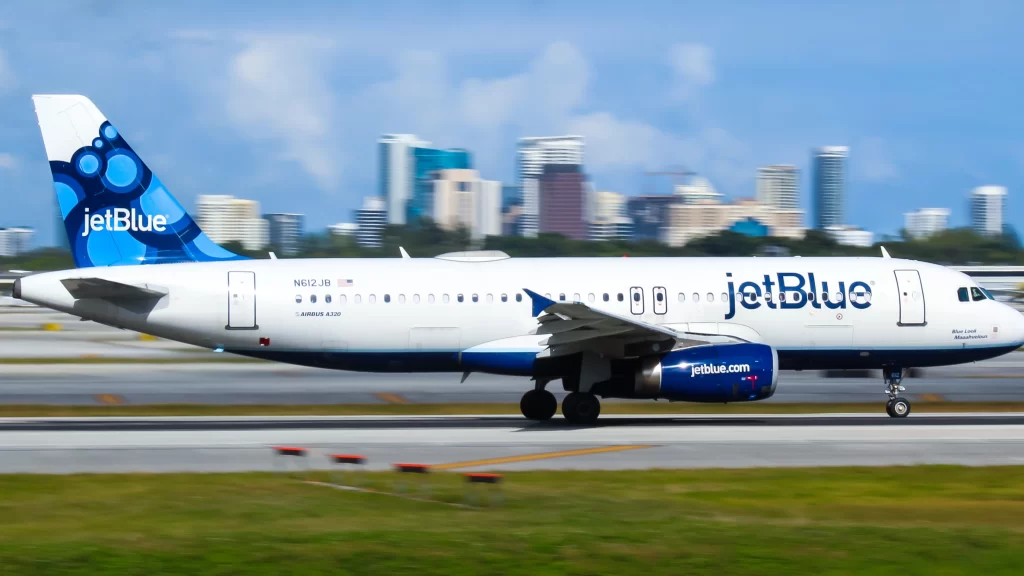
Mint Business Class Is Following the Fort Lauderdale Expansion
JetBlue’s premium Mint product is expanding at FLL alongside the wider network buildout. The airline will launch daily Mint service to San Diego International Airport on November 19, 2026, after a 22-month hiatus on the route, and it plans to add up to eight daily Mint-equipped flights to Los Angeles and three a day to San Francisco from Fort Lauderdale.
JetBlue’s original Mint cabin, flown on the single-aisle Airbus A321-200, remains notable well beyond this expansion. Its 80-inch lie-flat bed is longer than several widebody business class products from carriers with far larger route networks, placing it ahead of both Qatar Airways’ QSuite and Japan Airlines’ Safran Unity seat on raw bed length, though behind Lufthansa’s Allegris Extra Long Bed and Virgin Atlantic’s Cirrus NG. A new airport lounge at FLL is also under consideration as the premium push continues.
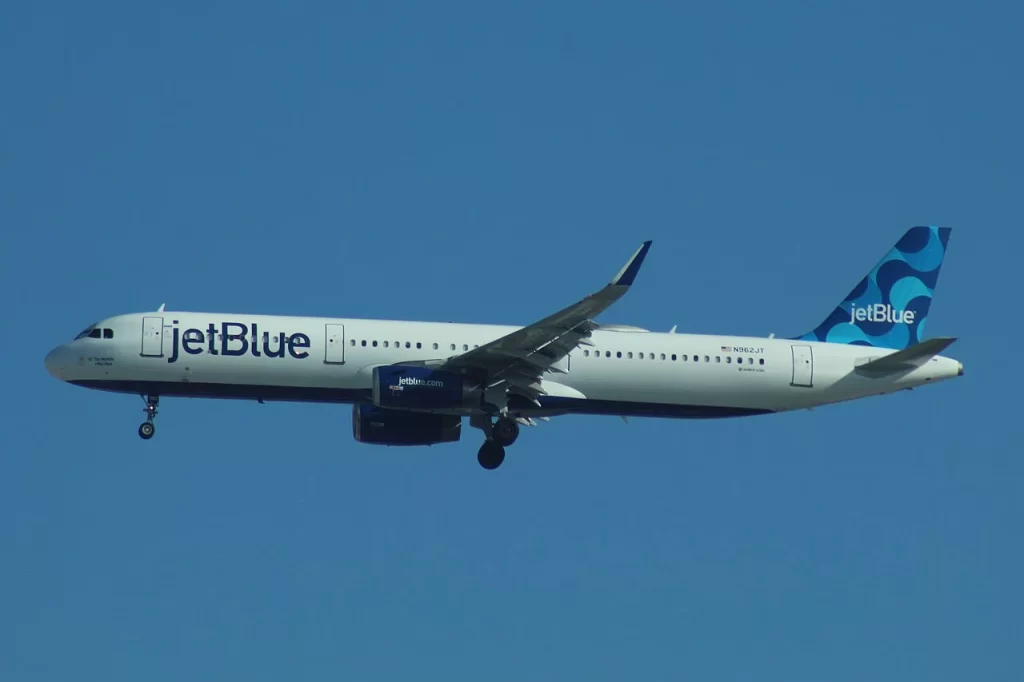
The Growth Comes Against a Difficult Financial Backdrop
JetBlue’s Fort Lauderdale expansion is unfolding while the airline’s overall finances remain under pressure. The carrier reported total operating revenues of $2.7 billion for the three months to June 30, up 14.5% year over year, but operating expenses rose 20.8% over the same period, driven partly by an 80.7% jump in fuel costs.
JetBlue posted a net loss of $247 million for the quarter, compared with a $74 million loss a year earlier, and recorded an operating margin of -5.2%. The airline executed a $500 million aircraft-backed financing transaction during the quarter to strengthen liquidity, a move that follows founder David Neeleman’s April 2026 warning that total debt could climb toward $9 billion without a turnaround.
Fort Lauderdale itself is performing well within that difficult picture. Unit revenue at FLL rose 11% year over year in the second quarter despite capacity growing by nearly 40%, and the airport became one of JetBlue’s fastest-growing loyalty markets, with TrueBlue enrollments up 44% and co-branded credit card acquisitions more than doubling.
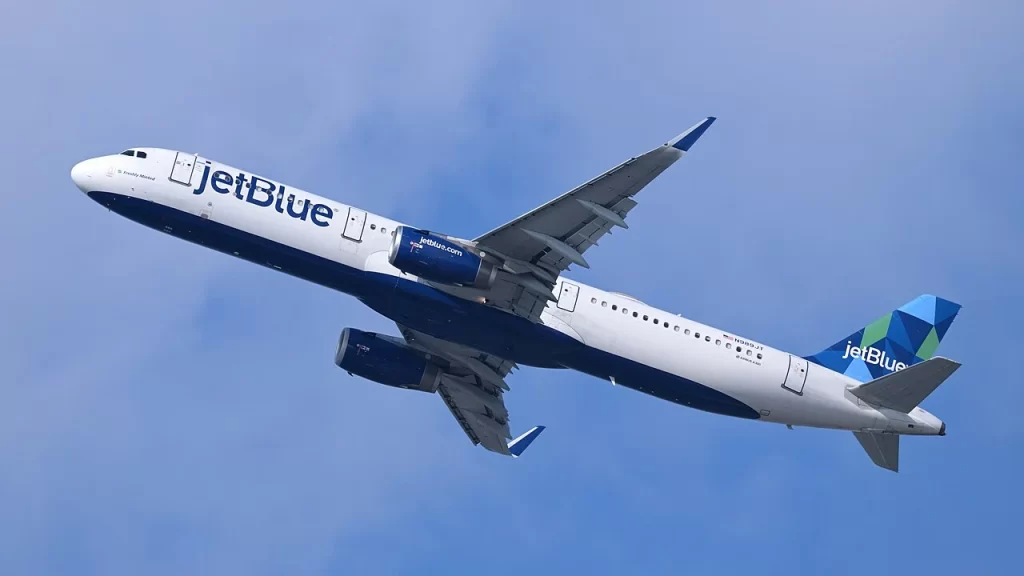
What Airport Limits Could Slow Next
St. George said Fort Lauderdale would remain primarily a local market even as connecting traffic grows, estimating that the connecting share would stay well under 50% given the strength of local demand. JetBlue expects to operate more than 150 daily departures from FLL by the end of 2026 or early 2027, with St. George saying the airline sees room for a further tranche of growth beyond that.
Physical airport capacity may cap how far that growth can go. St. George said international arrivals capacity at FLL remains constrained, and the airport’s planned Terminal 5 expansion is not expected to open before 2030, leaving JetBlue to build its one-stop network within existing infrastructure for at least the next several years.

_departing_BOS.jpg)
_(2420771510).jpg)


