ETOPS is the certification system that allows twin-engine aircraft to fly far from the nearest airport, including across oceans, deserts, and polar regions. The Federal Aviation Administration (FAA) introduced the framework in the 1980s, and the International Civil Aviation Organization (ICAO) has overseen an evolved version of it since 2012. Every transatlantic flight on a Boeing 777 or Airbus A350 today operates under some form of this system.
The rules exist to answer one question. If a twin-engine jet loses one engine over open ocean, can it still reach a safe airport in time? This guide walks through what ETOPS means, how it developed, how aircraft and airlines earn certification, and how the rules apply to today’s widebody and narrowbody fleets.
What Does ETOPS Stand For
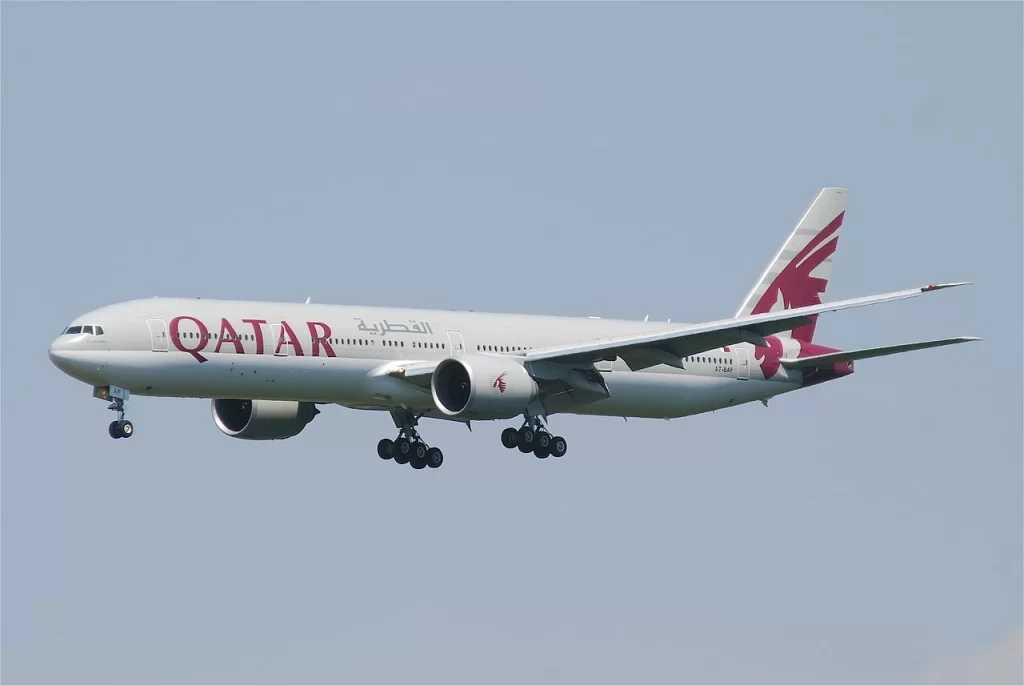
ETOPS originally stood for Extended-range Twin-engine Operational Performance Standards. The FAA and other regulators have since broadened the definition to Extended Operations, reflecting the fact that the underlying safety principles now apply to aircraft with more than two engines as well. Industry insiders often joke that ETOPS stands for “Engines Turn or Passengers Swim,” a nod to the anxiety the rules were designed to eliminate.
At its core, ETOPS defines how long an aircraft may fly from a suitable diversion airport with only one engine running. An aircraft with ETOPS-180 certification can operate up to 180 minutes, or three hours, from the nearest adequate airport. The clock starts the moment an aircraft crosses that one-hour threshold from the nearest usable runway.
Why Regulators Created The 60-Minute Rule
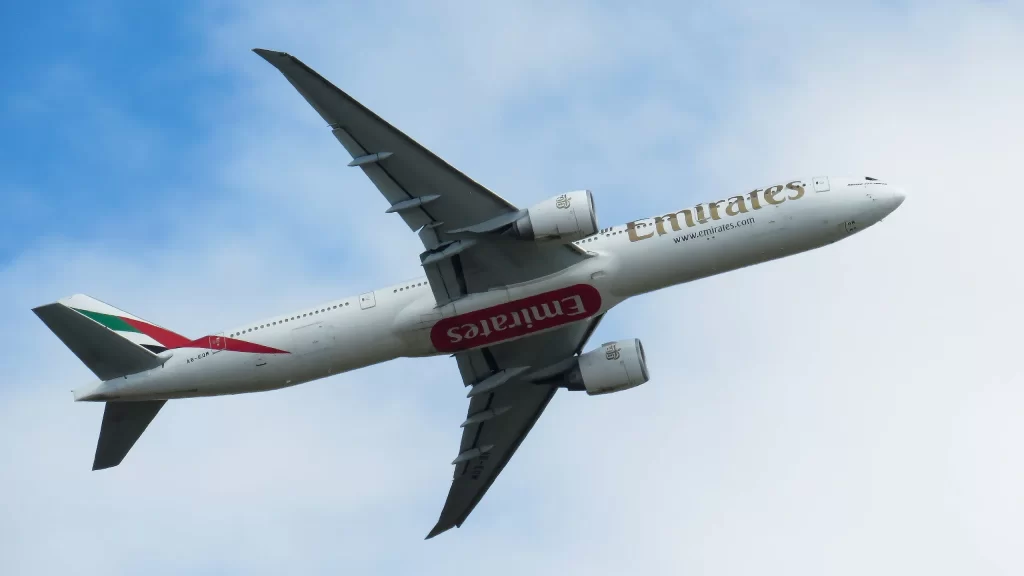
Federal Aviation Regulation 121.161, adopted in 1953, restricted twin-engine aircraft to routes within 60 minutes of an adequate airport. Piston engines of that era failed often enough that regulators saw little alternative. Three- and four-engine aircraft carried their own restriction, a 60-minute limit that stayed in place until 1964.
The rule effectively barred twinjets from crossing oceans. Airlines instead relied on four-engine aircraft like the Boeing 747 and three-engine jets like the Douglas DC-10 and Lockheed TriStar for transatlantic and transpacific service. These designs offered enough built-in engine redundancy to fly oceanic routes without special approval.

The 1985 Breakthrough That Opened Transatlantic Skies
Jet engines improved dramatically through the 1960s and 1970s, but regulators remained cautious. Then-FAA Administrator Lynn Helms captured the skepticism in 1980, when Boeing first pushed for a higher rating on its new 767. He told the manufacturer bluntly, “It’ll be a cold day in hell before I let twins fly long-haul over water.”
The FAA reversed course within five years. In 1985, the agency granted Trans World Airlines (TW) the first ETOPS approval, allowing the airline to fly a twin-engine Boeing 767 nonstop from Boston (BOS) to Paris (CDG). That single route launched the modern ETOPS era and set the diversion limit at 120 minutes.
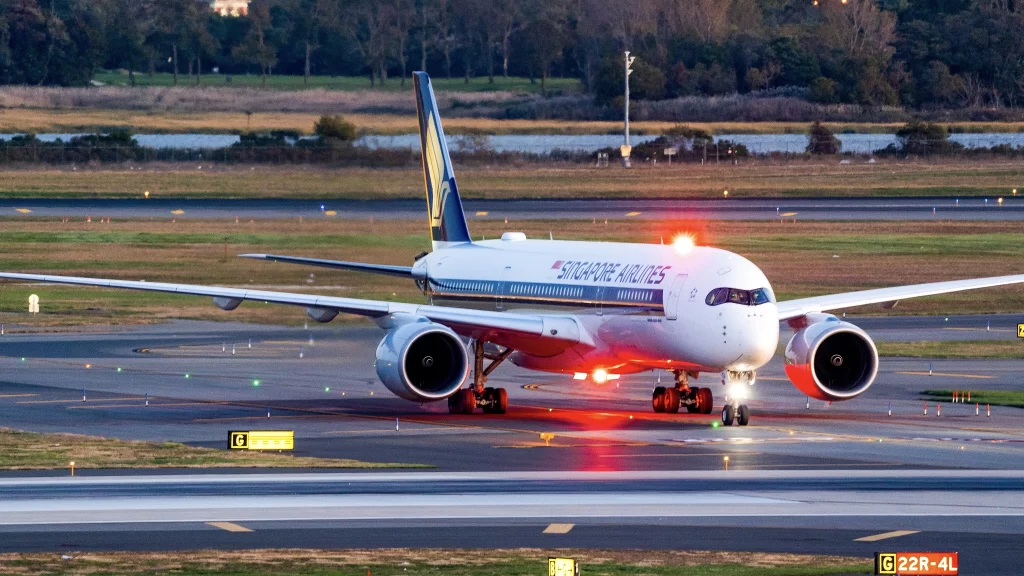
Airbus followed quickly with its A310, securing a 120-minute rating for Singapore Airlines. Boeing then pushed further, winning a 180-minute ETOPS rating for its new 777 at launch rather than the usual one year of in-service experience. That approval let the 777 cover 95% of the earth’s surface from day one, a first for any twinjet program.
How ETOPS Diversion Times Are Measured In Minutes, Not Miles
Regulators measure ETOPS limits in flying time, not distance, because aircraft cruise at different speeds. A single-engine cruise speed under standard, still-air conditions determines how far an aircraft can travel within its approved window. This keeps the safety margin consistent across aircraft types regardless of how fast each one flies.
Common ETOPS ratings in use today include:
- ETOPS-120: Covers most North Atlantic crossings and shorter oceanic routes
- ETOPS-180: The baseline for most modern long-haul twins, covering the majority of transatlantic and transpacific routes
- ETOPS-207 and ETOPS-240: Cover longer Pacific crossings with limited diversion airports
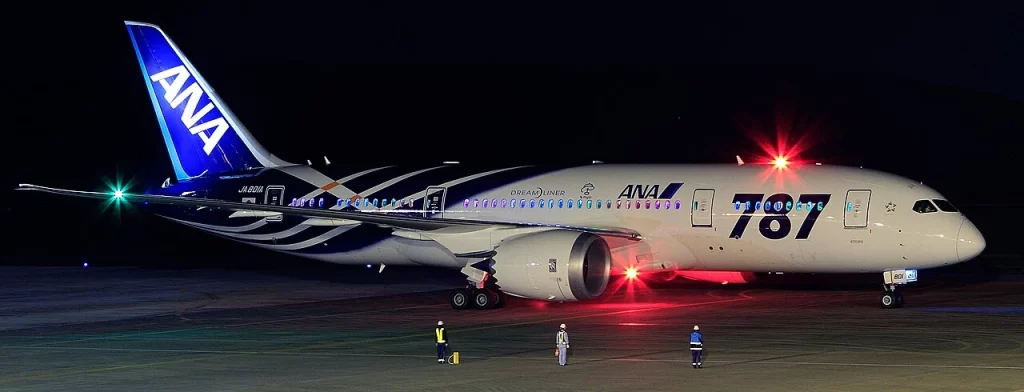
- ETOPS-330: Enables polar routes and extremely remote crossings, held by the Boeing 777 and 787
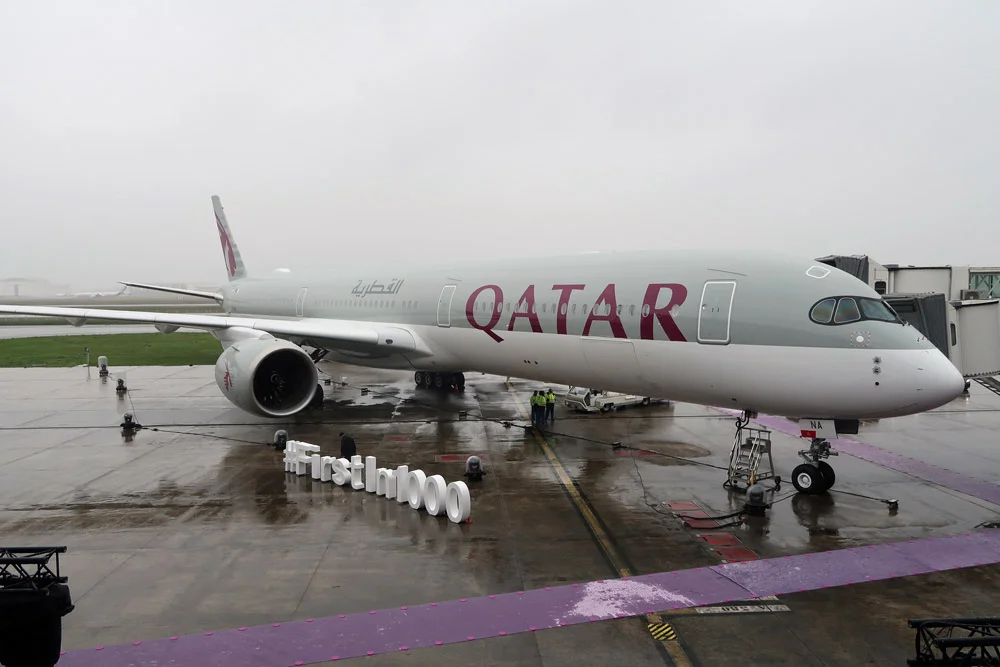
- ETOPS-370: The current record, held by the Airbus A350-900, covering nearly the entire globe outside a small part of Antarctica
The Two Pillars Of ETOPS Safety: Preclude And Protect
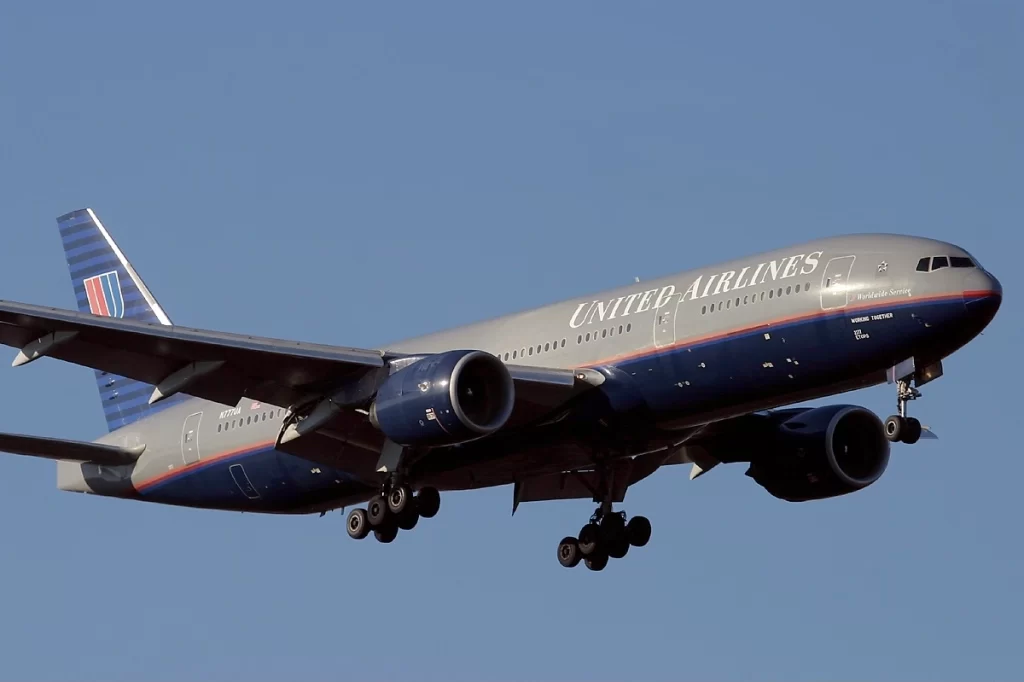
Boeing’s own airport technology briefings describe ETOPS through a two-part philosophy: preclude and protect. Preclude means designing engines and aircraft systems reliable enough that an in-flight shutdown becomes exceptionally rare in the first place. Protect means ensuring that if a diversion does happen, the aircraft, crew, and passengers can reach a safe airport without incident.
Engine reliability improvements have driven most of the preclude side of that equation. Modern turbofans experience in-flight shutdowns at a rate of less than one per 100,000 engine hours, and the probability of a simultaneous dual-engine failure on a twin-engine ETOPS flight sits at roughly one in a billion. Maintenance requirements built into ETOPS, including engine condition monitoring and oil consumption tracking, further reduce the odds of an unplanned diversion.
How Aircraft Earn ETOPS Certification
Before any airline can fly ETOPS routes, the aircraft and engine combination itself must pass a Type Design Assessment. Manufacturers submit an EDTO Configuration, Maintenance and Procedures document that spells out special inspections, hardware life limits, and maintenance practices required to sustain the rating. Regulators also require a demonstration flight proving the airframe performs safely on a single engine.
Newer aircraft types increasingly earn ETOPS approval before they even enter commercial service, rather than accumulating a track record first. This shift reflects decades of accumulated reliability data across the wider fleet of similar engines and systems. The Boeing 787 Dreamliner, for example, entered service already certified to ETOPS-330.
How Airlines Earn Operational Approval
Aircraft certification alone is not enough. Each individual airline must separately earn operational approval, proving its own maintenance program, crew training, and dispatch procedures meet ETOPS standards. Two paths exist: the in-service track, which typically requires one year of operating experience at a lower diversion time before moving up, and the accelerated track for carriers without that history.
Airlines pursuing accelerated approval must show a fully developed maintenance program, an ETOPS-specific maintenance manual, and a dedicated engine-condition-monitoring system. A significant rule bars a single technician from performing the same maintenance task on both engines of an aircraft, reducing the risk that one repeated human error grounds both power plants at once. Airlines must also maintain an ETOPS-specific minimum equipment list for predeparture checks before every extended flight.
What Makes An Airport A Valid ETOPS Diversion Alternate
Not every airport qualifies as a usable ETOPS diversion point. Regulators require each alternate to meet minimum runway length, width, and strength standards, along with a minimum firefighting response capability, generally equivalent to ICAO Category 4. The airport must also provide current weather reporting and NOTAMs, and it must offer an instrument approach beyond GPS alone.
Alternates do not need to stay continuously open, but operators need a credible plan to reopen emergency services quickly if a diversion occurs. Some remote military airfields, including U.S. Navy facilities like Diego Garcia, serve as ETOPS alternates under special arrangements. These remote outposts fill gaps across the Pacific and Indian Ocean where few suitable civilian airports exist.

How Flight Crews Plan An ETOPS Route
Dispatchers build every ETOPS flight plan around equal time points, the spots along a route where the flying time to two different diversion airports is identical. Beyond that point, the nearer alternate changes, and the crew must know exactly which airport becomes the closest option at every stage of the crossing. Route planning must also account for a critical fuel scenario, covering an engine failure, a rapid cabin decompression, or both happening together at the worst possible point on the route.
Diversion time cannot exceed the limit of the most time-restricted aircraft system on board, typically the cargo fire suppression system. A 180-minute ETOPS approval, for example, requires fire suppression equipment certified to run for 195 minutes, building in a 15-minute safety buffer. Weather at every planned alternate must also stay above minimums throughout the flight, and dispatchers must reroute in real time if conditions at an alternate deteriorate mid-flight.

ETOPS Ratings Of Today’s Widebody And Narrowbody Jets
Nearly every modern long-haul twin now flies under ETOPS certification, and the rules have expanded to narrowbody jets flying thinner long-haul routes. Notable current ratings include:
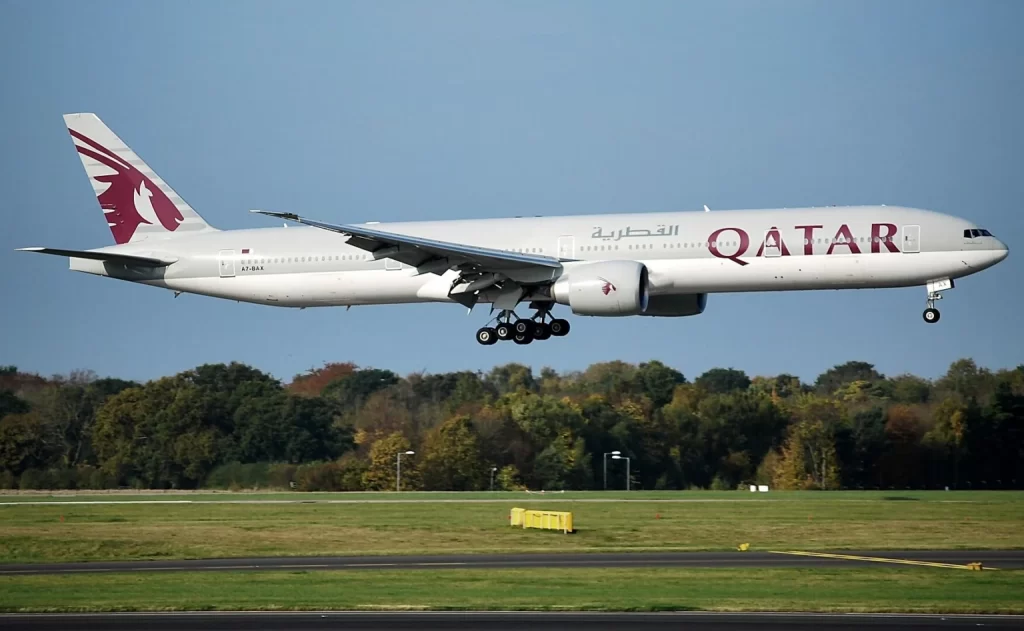
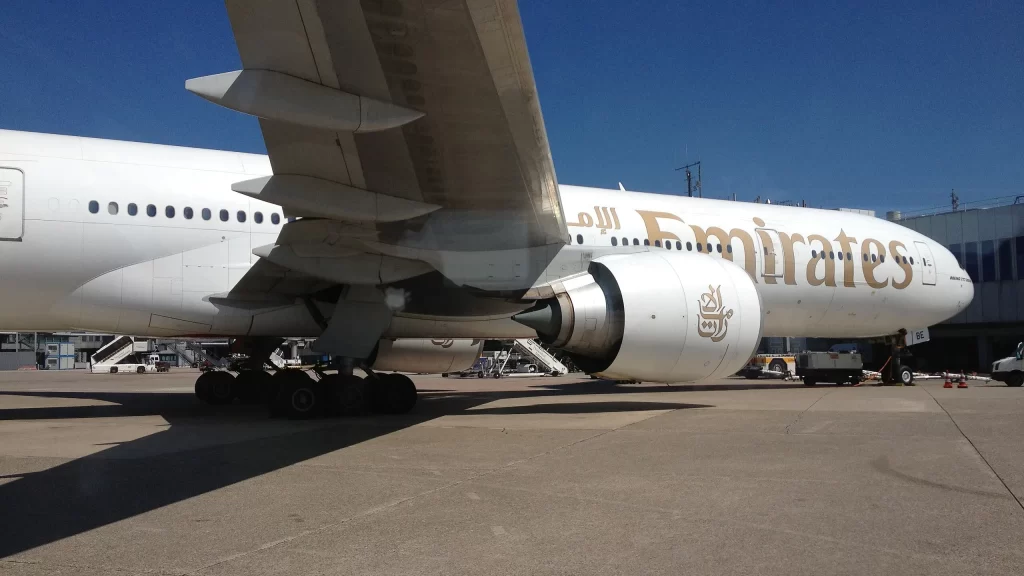
- Boeing 777: ETOPS-330, a rating the type has held for decades of oceanic service
- Boeing 787 Dreamliner: ETOPS-330, enabling worldwide route flexibility from entry into service
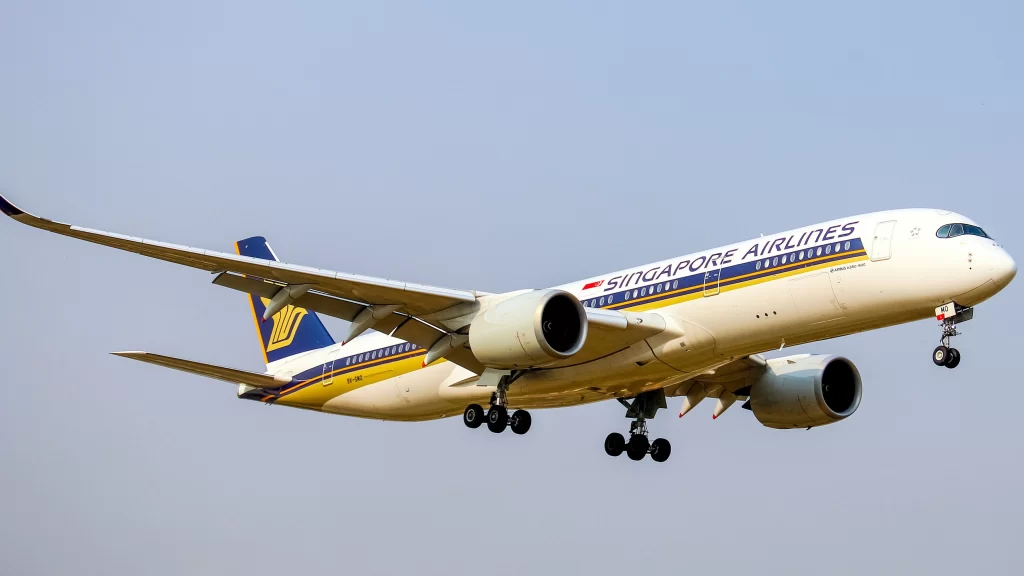
- Airbus A350: ETOPS-370, the current industry record following certification testing
- Airbus A330: Typically ETOPS-240, a mainstay of transatlantic widebody service
- Boeing 737 MAX: ETOPS-180, opening East Coast-to-Western Europe routes to a narrowbody jet
- Airbus A321XLR: ETOPS-180 at minimum, purpose-built for thin long-haul city pairs
Four-engine jets like the Boeing 747 and Airbus A380 never needed ETOPS approval at all. Their built-in redundancy meant they could lose one or even two engines and still complete a flight safely, a margin twin-engine aircraft have had to earn through certification instead.

Polar Operations And Extra ETOPS Requirements
Flights crossing the North Polar area above 78 degrees north latitude or the South Polar area face additional requirements beyond standard ETOPS. Carriers must designate specific en route alternates with passenger-recovery plans, since a diversion in the Arctic or Antarctic could strand passengers far from normal support infrastructure. Airlines must also monitor fuel freezing risk and maintain a plan to protect crews from radiation exposure during solar flare activity.
Polar operators must carry at least two cold-weather exposure suits for crew members in case of an emergency landing. Communications present another challenge, since conventional radio infrastructure does not exist across most of the Arctic. Aircraft instead rely on high-frequency radio and satellite datalink systems, switching from magnetic to true-heading navigation as they approach the pole.
From ETOPS To EDTO: The 2012 Regulatory Shift
ICAO formally moved away from the ETOPS name in 2012, introducing Extended Diversion Time Operations, or EDTO, through Amendment 36 to Annex 6. The change reflected a broader goal: applying consistent extended-range safety principles to all multi-engine aircraft, not just twinjets. Despite the official shift, most airlines, regulators, and journalists have kept using the original ETOPS terminology.
The FAA still uses “ETOPS” today, simply redefining the acronym as “Extended Operations” rather than retiring it. The European Union Aviation Safety Agency, by contrast, kept ETOPS for twin-engine aircraft while introducing a separate term, Long Range Operations, for three- and four-engine jets flying extended routes. Both frameworks rest on the same underlying preclude-and-protect safety philosophy.
Common Myths About ETOPS
Public misconceptions about ETOPS persist despite the system’s strong safety record. A few of the most common are worth addressing directly.
- “ETOPS means engines turn or passengers swim.” The joke overstates the risk. Multiple diversion airports exist along every approved ETOPS route, and aircraft can fly hundreds of miles on one engine to reach one.
- “Four-engine planes are always safer.” Modern twin-engine reliability now matches or exceeds older four-engine designs, and additional engines simply mean additional components that could fail.
- “ETOPS lets airlines cut corners on safety.” The opposite is true. ETOPS imposes maintenance, training, and monitoring requirements well beyond standard non-extended operations.

Why ETOPS Still Matters For New Aircraft Today
ETOPS remains one of the final hurdles any new widebody must clear before entering service. Boeing’s newest twinjet, the Boeing 777-9, is working through exactly this process now, with a seventh test airframe beginning ETOPS trials in July 2026 as the program targets an ETOPS-330 rating matching its 787 and 777-300ER predecessors. Boeing has said it will not deliver a single 777-9 before that certification is complete, underscoring how central the rating remains even for an aircraft otherwise ready for airline service.
The Federal Aviation Administration (FAA) has applied that same discipline across decades of aircraft programs, from the Boeing 767’s first Atlantic crossing in 1985 to the polar testing now underway for Boeing’s largest twinjet. What began as a narrow exception for one TWA route has become the standard that lets most long-haul flights, on aircraft from the Boeing 737 MAX to the Airbus A321XLR, cross oceans on two engines instead of three or four.

.jpg)

.jpg)


.jpg)