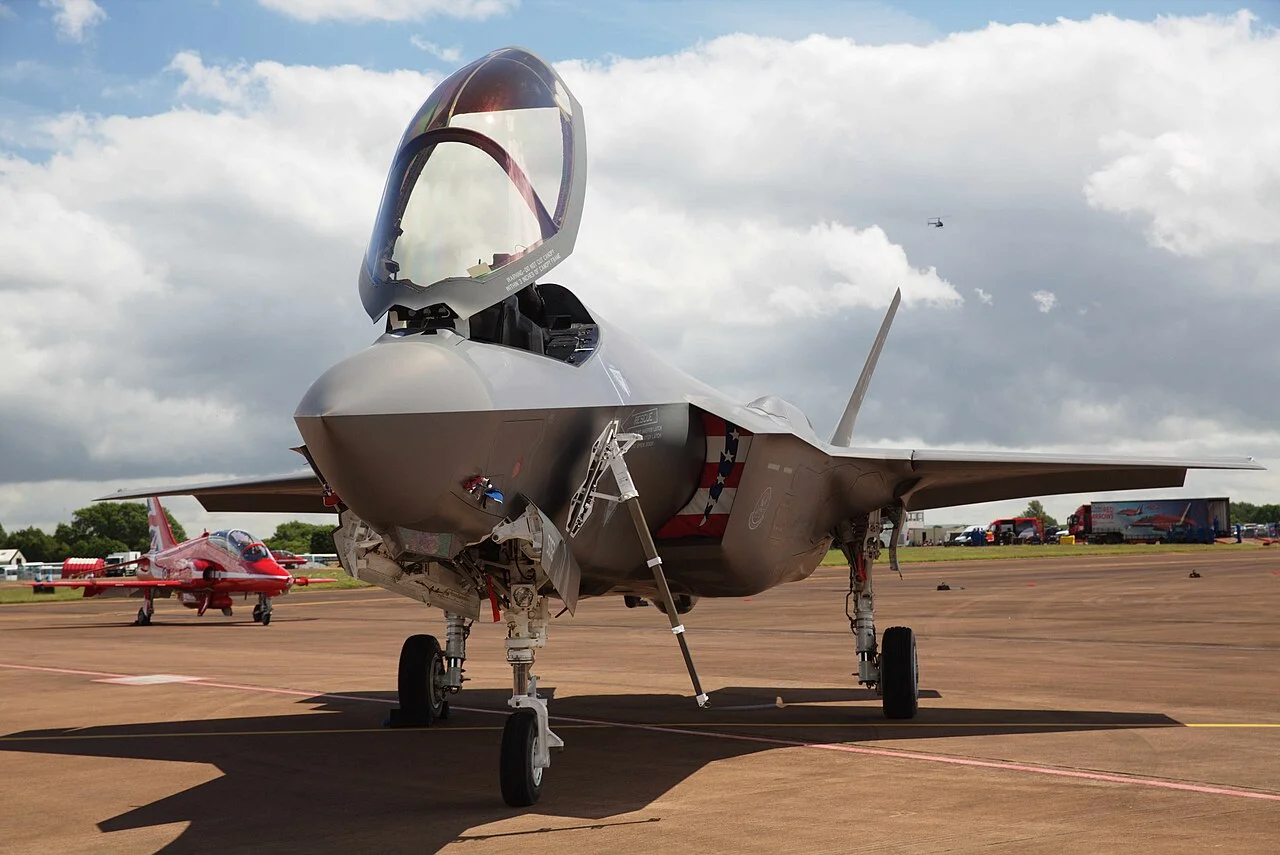
Japan operates roughly 55 of a planned 147 Lockheed Martin F-35 jets, split between 105 F-35A conventional variants and 42 F-35B short take-off models. Despite that scale of investment, a senior Japanese official who spoke anonymously told the Eurasian Times that Tokyo cannot independently integrate its own weapons onto the aircraft without approval from the United States government and Lockheed Martin. That restriction, more than cost or capability, is what pushed Japan into the trilateral Global Combat Air Programme (GCAP) with the United Kingdom and Italy.
The complaint centers on how the F-35’s mission systems and data networks are centrally controlled from Washington. Every software update, source-code change and new weapon requires sign-off from U.S. agencies, a process the Japanese official said caused repeated delays even after multiple requests. Only Israel has secured an exception, integrating domestic munitions onto its F-35I “Adir” fleet under a bespoke arrangement with Washington.
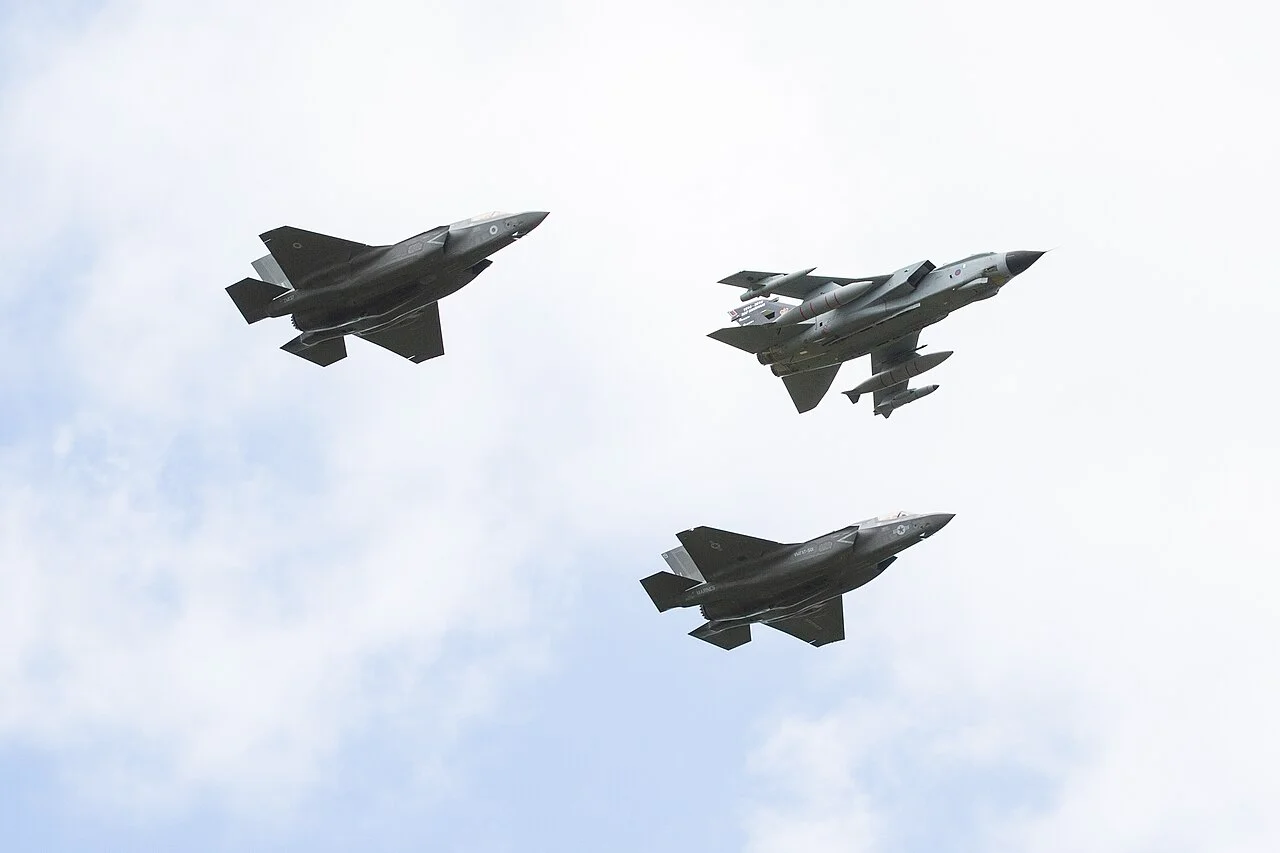
The F-35’s Closed Architecture Frustrates Foreign Operators
Foreign F-35 operators sign up to a shared logistics and sustainment system built around U.S. oversight, which keeps the fleet standardized but limits national control. Japan has assembled many of its jets domestically through a final-assembly line, yet that manufacturing role does not extend to the aircraft’s software or weapons architecture. GCAP, by contrast, is being pitched to Tokyo as an aircraft it can modify, arm and export largely on its own terms.
Japan has grown increasingly cautious about depending on a single ally for defense technology as Washington’s trade posture under President Donald Trump has shifted. Tokyo’s Ministry of Defense has simultaneously pursued a broader shift away from its post-war pacifist posture, raising defense spending toward 2 percent of GDP and pursuing long-range strike capabilities of its own.
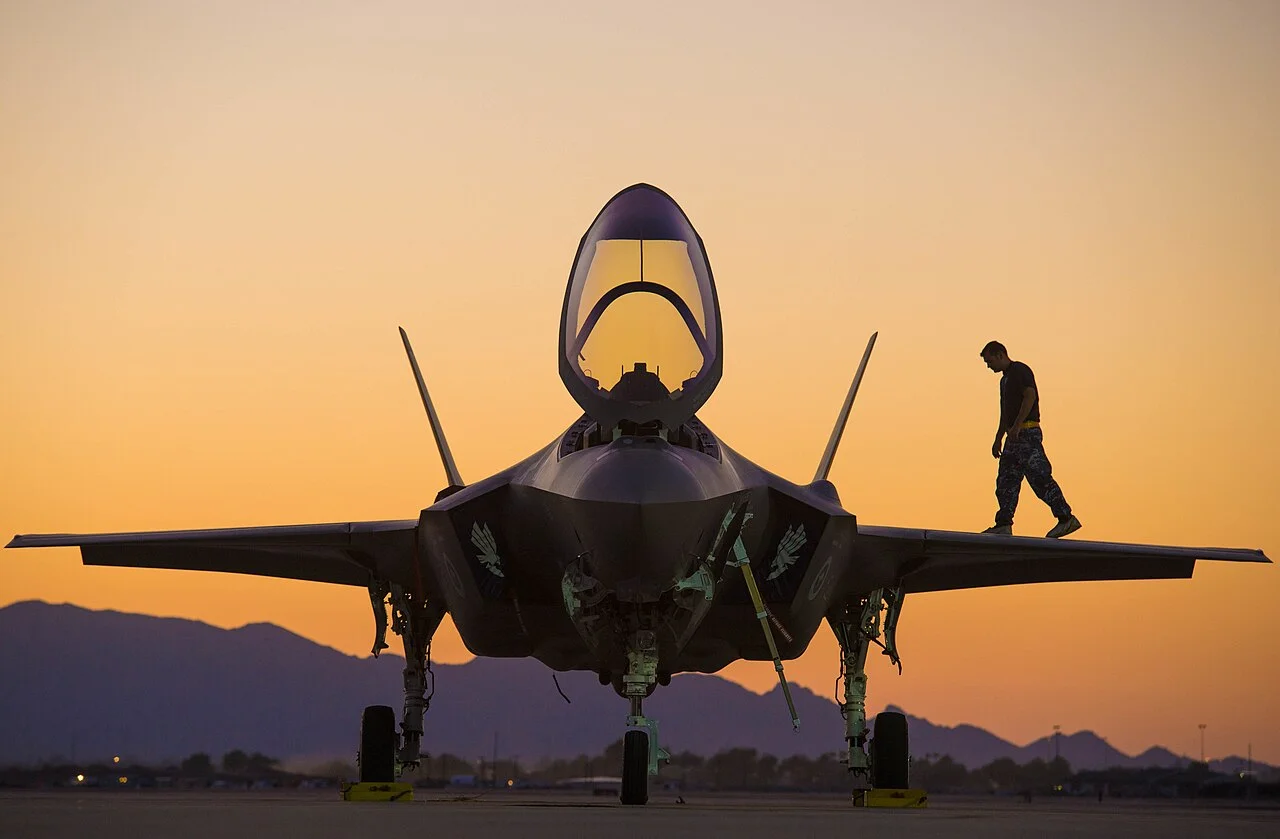
Japan’s Fleet Of 147 F-35s Still Anchors Its Air Power
Japan remains the largest F-35 customer outside the United States, with its order replacing the aging F-4EJ Kai Phantom fleet across the Japan Air Self-Defense Force (JASDF). The jets complement Japan’s existing F-15J/DJ fleet and are assembled partly through a domestic final-assembly line, giving Tokyo manufacturing exposure even as it lacks control over the aircraft’s core software. Lockheed Martin delivered a record 191 F-35s globally in 2025, pushing the worldwide fleet past 1,300 aircraft and one million cumulative flight hours.
The F-35 has also seen recent combat use by other operators, including a central role in Operation Midnight Hammer against Iranian air defenses in June 2025. That operational record keeps the F-35 relevant to Japan’s near-term deterrence posture even as Tokyo pursues a longer-term alternative through GCAP.
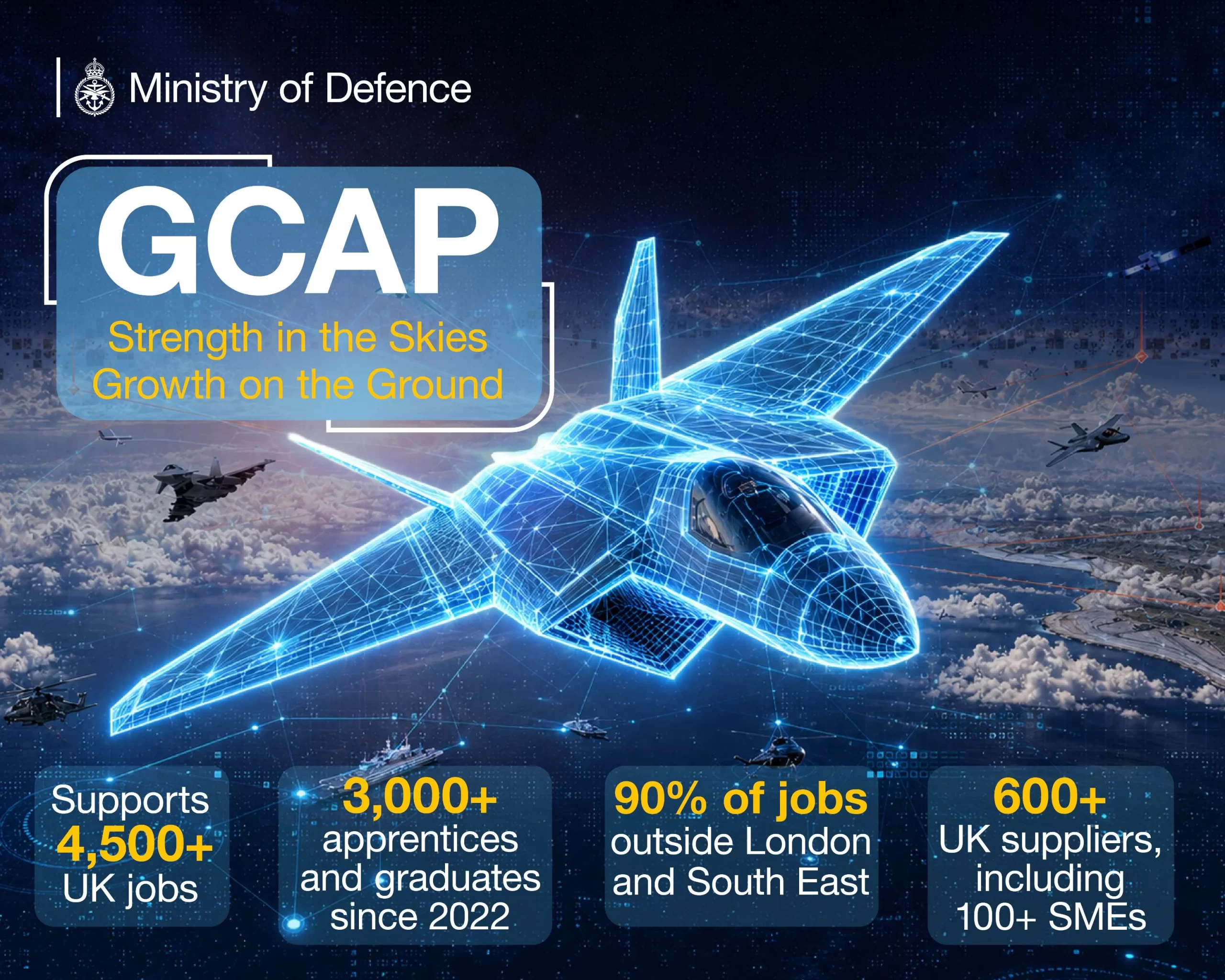
Inside GCAP’s Multi-Billion-Dollar Development Push
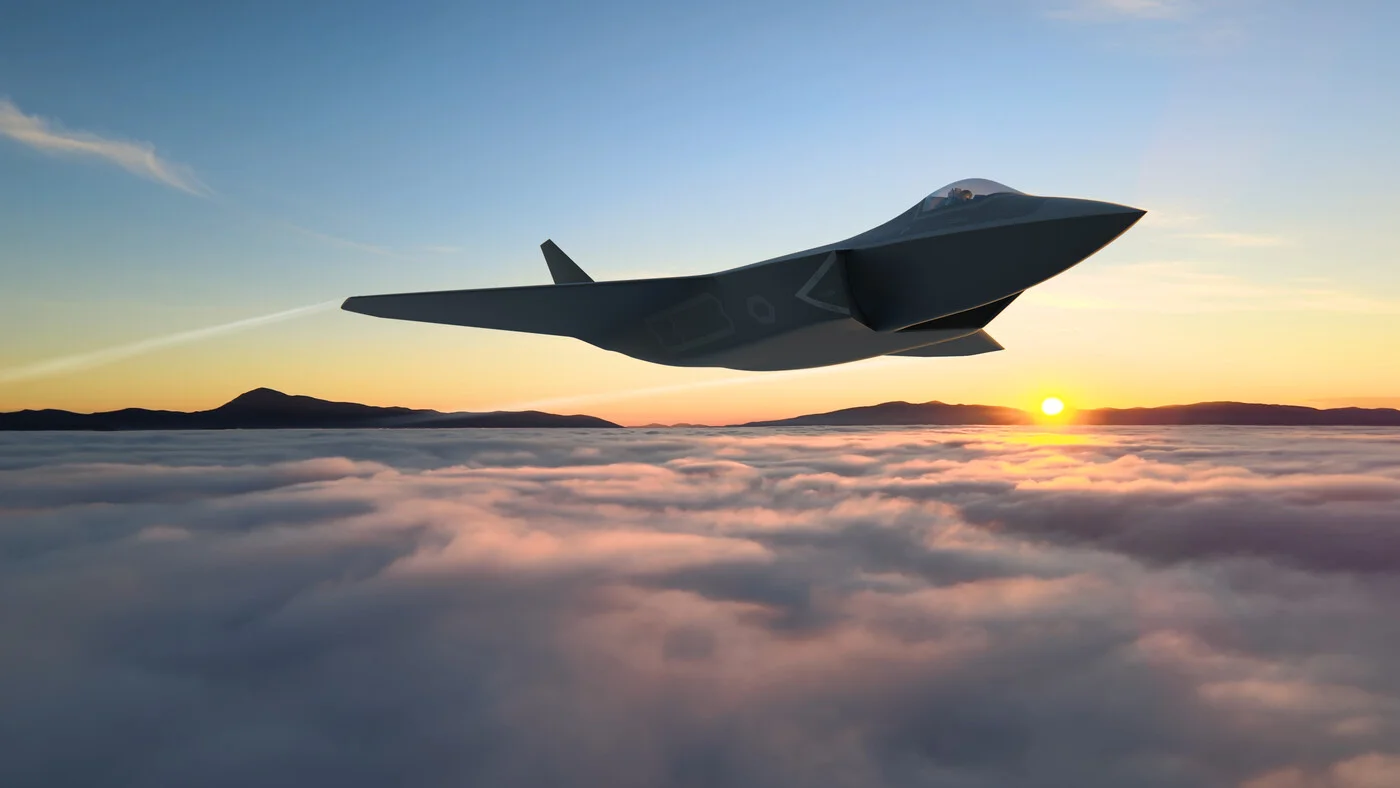
GCAP was formally launched in December 2022 by the UK, Italy and Japan to build a sixth-generation stealth fighter by 2035, replacing the Eurofighter Typhoon and Mitsubishi F-2. The programme is run by Edgewing, a joint venture equally owned by BAE Systems, Leonardo and Japan Aircraft Industrial Enhancement Co (JAIEC), which has been awarded a contract worth roughly $6 billion for core technology maturation.
Canada joined in July 2026 as GCAP’s first observer nation, gaining access to development information without financial or procurement commitments.
Japanese Defence Minister Shinjiro Koizumi has met GCAP’s chief executive, Marco Zoff, calling the programme an extremely important project that will determine Japan’s future air capabilities. Rolls-Royce, Italy’s Avio Aero and Japan’s IHI Corporation signed an expanded propulsion collaboration agreement in September 2025, while Mitsubishi Electric, Leonardo and Italy’s ELT Group formed a separate consortium to develop the aircraft’s sensors and communications systems. A UK-based flight demonstrator is targeted to fly by late 2027, ahead of GCAP’s planned entry into service in 2035.
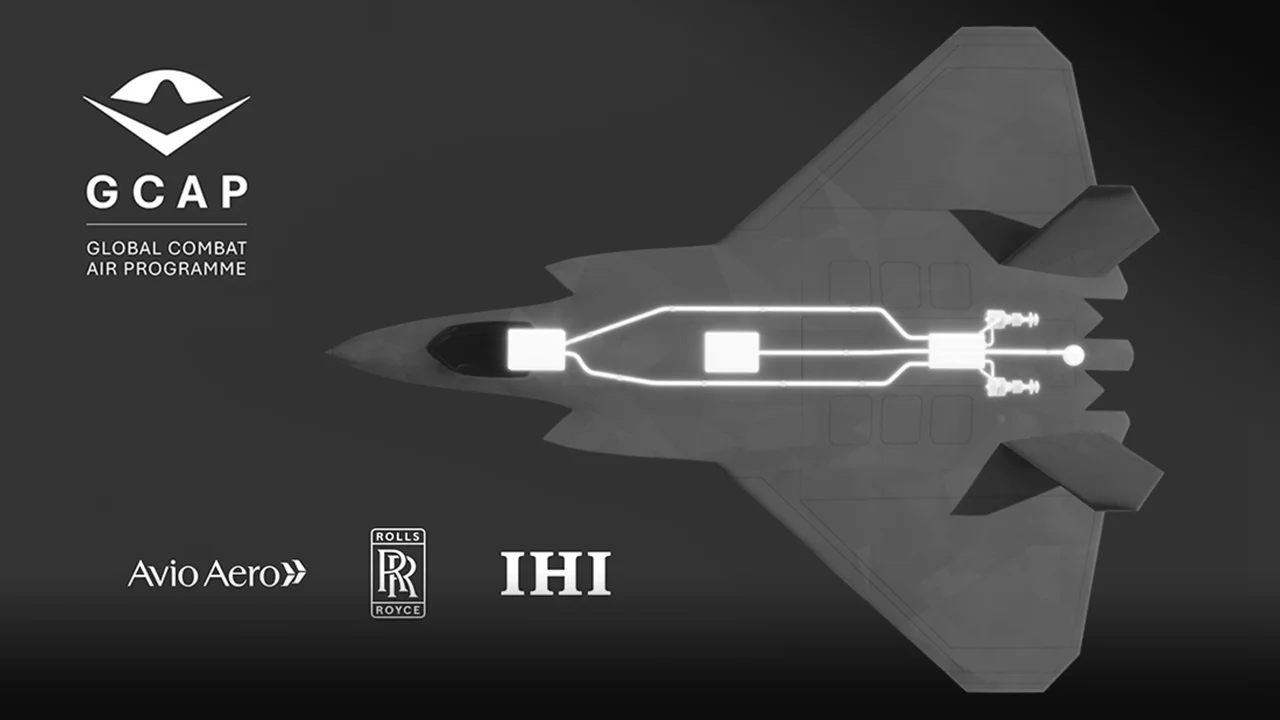
Rolls-Royce
| X (formerly Twitter)
What GCAP Offers That The F-35 Does Not
GCAP is designed as a “system of systems” rather than a single airframe, built around several capabilities:
- An ISANKE and ICS sensor suite that its developers say collects up to 10,000 times more data than legacy radar systems.
- Direct command of uncrewed “loyal wingman” drones and shared allied combat assets.
- A combat-cloud architecture using onboard AI to process data in contested, jammed environments.
- Full national authority for each partner nation to modify software and integrate its own weapons, unlike the F-35’s centrally controlled systems.
That last point is the one Tokyo cares about most, since it directly answers the restriction the anonymous Japanese official described.
GCAP is not the only sixth-generation effort underway, though it is currently the most institutionally consolidated. China is flight-testing two prototypes, the Chengdu J-36 and Shenyang J-50, while the United States is not expected to begin full-scale prototype testing of its own sixth-generation jet until 2028. Europe’s rival Future Combat Air System, led by France and Germany, collapsed in June 2026 after industrial disputes between Dassault Aviation and Airbus, leaving GCAP as Europe and Japan’s clearest path to a working sixth-generation jet by the mid-2030s.
Japan Is Still Weighing More F-35 Purchases as a Stopgap
Even as Tokyo commits to GCAP, Japanese officials have separately discussed buying additional F-35 jets or extending the Mitsubishi F-2’s service life in case GCAP slips past 2035, according to a National Security Journal report. Japan’s chief trade negotiator, Ryosei Akazawa, has raised additional U.S. defense purchases in tariff talks with Washington, and reports say Trump personally offered Japan the Boeing F-47 during a call with Japanese leadership. Japan’s Ministry of Defense has publicly denied any change to its F-35 procurement plans or the GCAP timeline.
That denial has not fully quieted the debate. GCAP’s early funding has faced its own setbacks, including a temporary £686 million Edgewing contract that briefly left the programme facing a funding deadline in mid-2026 before fuller financing followed. Retired Lieutenant General Eiichirou Fukazawa, a former Northern Air Defense Force commander, has warned that any further slippage would weaken Japan’s overall defense posture given rising pressure from China’s military buildup.
The dual-track approach reflects a broader hedging strategy across Japan’s defense establishment. Tokyo is unwilling to bet its entire future fighter capability on a single trilateral programme, even one designed to solve the access problems that frustrate it about the F-35. At the same time, the anonymous official’s comments to the Eurasian Times suggest Japan’s frustration with U.S. control over the F-35 runs deeper than budget disputes over GCAP’s cost overruns.
The Road Ahead for Tokyo’s Sixth-Generation Bet
Japan has also floated bringing India into GCAP to share development costs, though analysts say India’s existing tilt toward the French-led FCAS successor effort complicates that outreach. For now, GCAP remains Tokyo’s central hedge against dependence on Washington, built on a promise of full national control that the F-35 was never designed to offer its foreign operators.

.jpg)