Etihad EY416 Encounters Turbulence Over Phuket: Passengers Disembark A321neoSafely

Phuket International Airport (HKT), Thailand’s third-busiest international gateway, confirmed to The Phuket News that no passengers or crew were injured after Etihad Airways Flight EY416 reported turbulence during approach on January 14, 2026.

The flight, operating from Abu Dhabi to Phuket, encountered unstable atmospheric conditions shortly before landing at approximately 11:50 a.m. local time, prompting precautionary medical and emergency service deployment; the aircraft touched down normally, and airport operations remained unaffected.
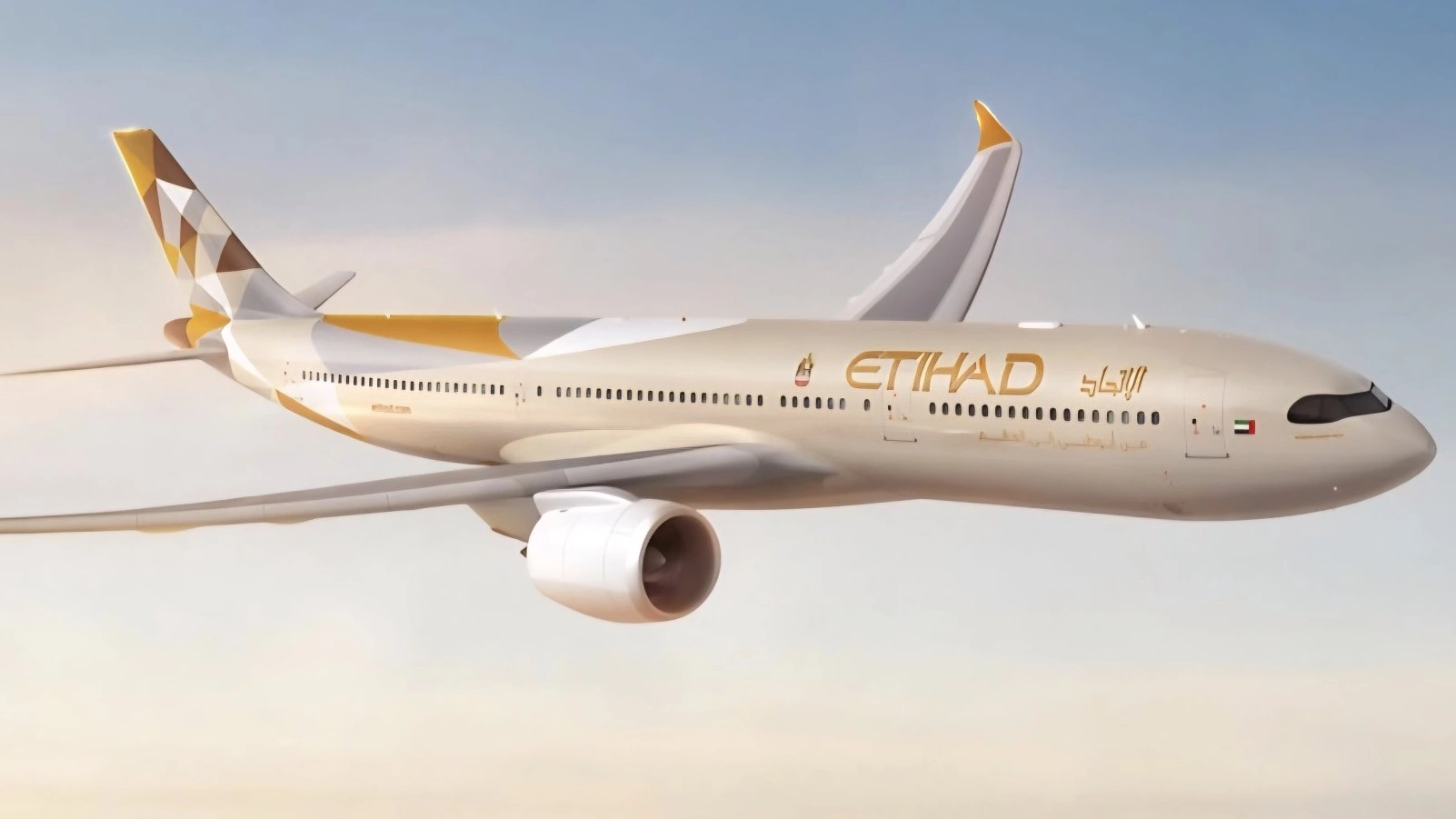
Phuket International Airport

Attribute Details
Name Phuket International Airport
IATA / ICAO HKT / VTSP
Location Mai Khao, Thalang, Phuket, Thailand
Owner/Operator Airports of Thailand (AoT)
Terminals International & Domestic
Annual Passengers ~17–18 million (2024)
Role Third-busiest airport in Thailand
Runway One main runway (09/27)
Primary Connectivity Major Asian, Middle Eastern, European gateways

Etihad Airways

Attribute Detail
Airline Etihad Airways
IATA / ICAO EY / ETD
Founded July 11, 2003
Commenced operations November 5, 2003
Headquarters Khalifa City, Abu Dhabi, UAE
Hub Zayed International Airport, Abu Dhabi
Fleet size ~107 aircraft (2025)
Destinations 120+ global destinations

Emirates turbulence reduction technologies: SkyPath, Lido mPilot, and IATA integration

Etihad’s Turbulence Event Details and Aircraft context

Etihad Flight EY416, a regularly scheduled service from Abu Dhabi to Phuket, signalled encountering turbulence over Thai airspace during descent. Initial reports speculated about injuries, but Phuket Airport’s follow-up stated that:

  • The aircraft, carrying approximately 160 passengers, landed safely at 11:50 a.m. local time after reporting turbulence (though we don’t know whether it was Clear Air Turbulence or not).

  • Emergency services were readied at the gate as a precaution following airline crew coordination with ground control.

  • Medical evaluations conducted immediately following disembarkation confirmed no injuries to passengers or crew.

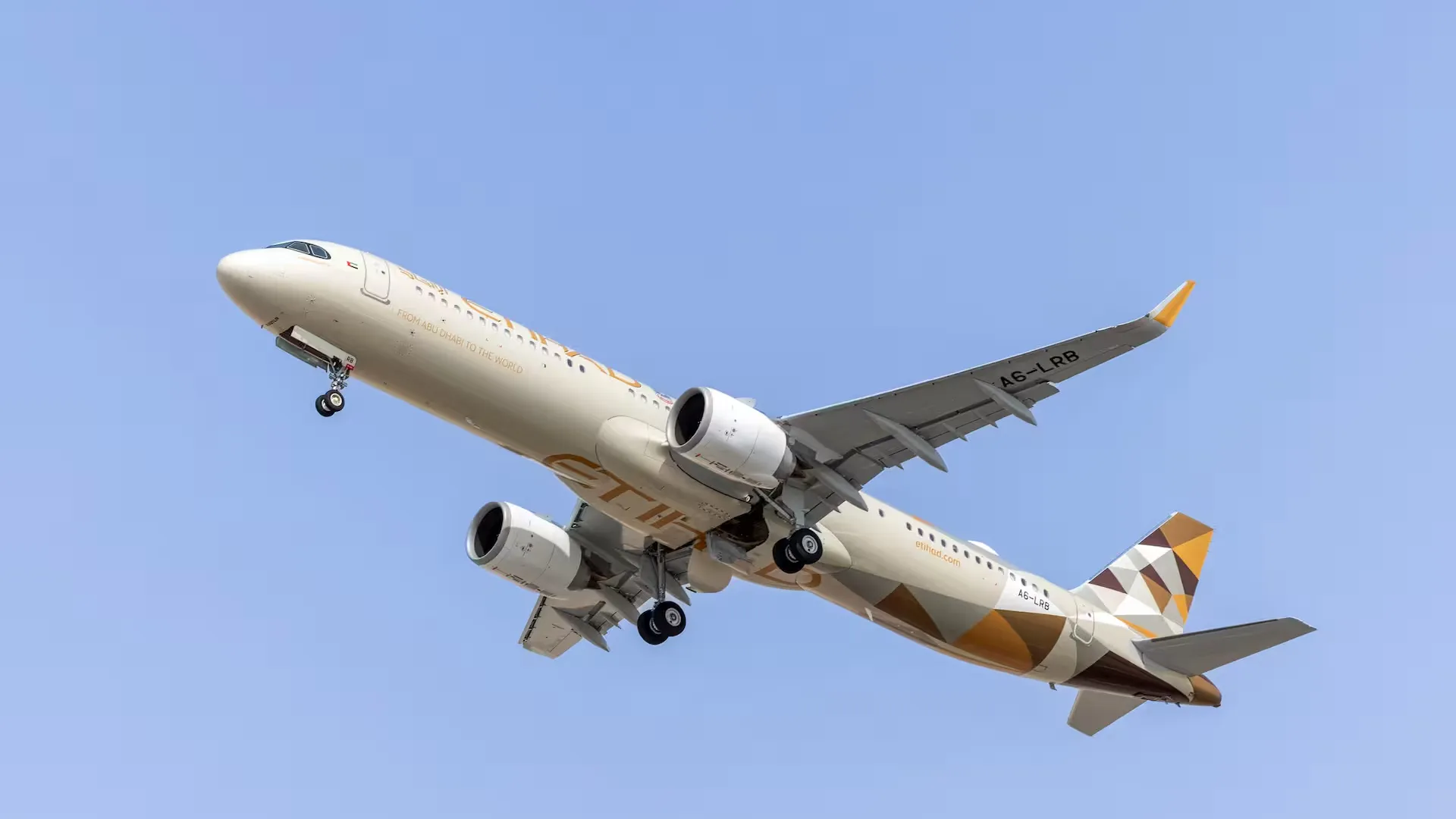
EY416 is operated daily between Abu Dhabi and Phuket. The aircraft involved in the incident was an Airbus A321neo. According to planespotters.net, Etihad’s A321neos have an average age of 2.7 years. Etihad’s fleet comprises of 16 aircraft of this type. The carrier configures its A321neo in for different ways, two of which are the following:
Etihad Airways Airbus A321neo — V.1 vs V.2 cabin configuration comparison

Feature A321neo V.1 – Business A321neo V.2 – Business A321neo V.1 – Economy A321neo V.2 – Economy
Total aircraft seats colspan applies colspan applies colspan applies colspan applies
Aircraft total capacity 198 seats 208 seats 198 seats 208 seats
Seat count 16 8 182 200
Seat pitch 36 inches 36 inches 30–31 inches 30–31 inches
Seat width 20 inches 21 inches 18 inches 18 inches
Seat recline 5 inches 5 inches 3 inches 3 inches
Cabin density Lower-density premium cabin Ultra-low-density premium cabin Medium-density economy High-density economy
Seating emphasis Balanced premium capacity Spacious, exclusive premium seating Standard short- to medium-haul comfort High-capacity efficiency
In-flight dining Premium dining service Gourmet, premium dining Standard economy service Standard economy service
In-flight entertainment Personal premium screens Personal premium screens Seatback entertainment Seatback entertainment
Service style High-touch premium service Bespoke, highly personalized service Efficient full-service economy Functional, efficiency-focused economy
Typical route intent Business-heavy or mixed-demand routes Premium-leaning, leisure or VIP routes Regional / medium-haul High-volume leisure routes

Heere are the other two types of configurations:

Etihad Airways Airbus A321neo — V.3 vs A321neo LR cabin configuration comparison

Feature A321neo V.3 – Business A321neo LR – First Class A321neo LR – Business A321neo V.3 – Economy A321neo LR – Economy
Total aircraft capacity 223 seats 160 seats 160 seats 223 seats 160 seats
Cabin class Business First Business Economy Economy
Seat count 8 2 14 215 144
Seat pitch 42 inches 80 inches 78 inches 30 inches 30 inches
Seat width 21 inches 22 inches 22 inches 18 inches 18.4 inches
Seat recline 5 inches 180° (fully flat) 180° (fully flat) 3 inches 5 inches
Seating layout Two rows at front cabin Enclosed luxury suites Lie-flat suites High-density single-aisle Long-range optimized economy
Power availability USB at every seat Universal power + USB Universal power + USB USB at every seat Universal power + USB
Lavatory access Dedicated forward lavatory Exclusive First Class lavatory Shared premium lavatory Three rear lavatories Multiple cabin lavatories
Cabin emphasis Short-/medium-haul premium comfort Ultra-exclusive long-haul luxury Long-haul premium comfort Maximum seat density Comfort-optimized long-haul economy
Typical mission profile High-density leisure markets Flagship premium routes Long-range intercontinental Regional / leisure routes Long-range thin routes

Data: SeatMaps

[Note: Due to a dearth of publically available photos of Etihad’s A321neo, we have used other photos]

Photo: Etihad

As the registration of the aircraft involved in the incident isn’t publicly available, we are not exactly sure which of the four possible configurations were used in Etihad’s A321neo involved in turbulence over Phuket today.

In aviation terminology, turbulence refers to irregular atmospheric motion caused by eddies and vertical wind shear, which can provoke sudden altitude changes and cabin shake; modern airliners are engineered to withstand significant turbulence levels without compromising structural integrity.

According to Skybrary, turbulence can arise in cases such as thunderstorms, when air movements are associated with convective activity, or when there is temperature gradient near to a Jet Stream:

” Jet Stream Turbulence, like turbulence caused by Mountain Waves, which can form downwind of ridges, occurs clear of cloud and in the form of Clear Air Turbulence (CAT) (CAT). Very localised, but sometimes severe, Wake Vortex Turbulence may be encountered when following or crossing behind another aircraft. This turbulence is due to wing tip trailing vortices generated by the preceding aircraft; however, this phenomena is distinctively transient”.

Photo: Etihad

Aviation Safety Laws: Industry and Thai regulations

The International Air Transport Association (IATA) recommends real-time turbulence reporting and avoidance strategies under its Turbulence Aware Programme, which aggregates anonymised data to enhance predictive routing and reduce passenger discomfort. And Etihad is a part of this program.

Turbulence Aware aggregates anonymised turbulence data generated by flights operated by participating carriers. This continuous, real-time exchange of precise information enables flight crews and operational planners to better anticipate atmospheric disturbances, thereby reducing their impact and supporting the selection of smoother, more fuel-efficient routings.

Etihad Airways plans to implement the platform across its entire fleet of nearly 100 Airbus and Boeing aircraft, allowing turbulence reports to be transmitted automatically into IATA’s shared system without manual intervention.

Photo: Anna Zvereva | Wikimedia Commons

The initiative is expected to gain additional value from Etihad’s expanding global route network, enhancing data density across the Middle East and the five continents the airline serves. As participation increases, the breadth and reliability of the dataset improve, strengthening the program’s overall effectiveness for the wider aviation industry, and it has been noted that:

  • More than 25 airlines are participating in the program
  • This includes 2,600 aircraft operating the software
  • It led to 51 million reports in 2024

When Etihad joined the program, Kamil Al-Awadhi, IATA Regional Vice-President, Africa and Middle East, said that access to accurate and timely turbulence data was “essential for enhancing flight safety and passenger comfort”:

“We welcome Etihad Airways’ participation in Turbulence Aware, which strengthens the industry’s ability to mitigate the impact of turbulence in real time. Their contribution will further improve global coverage, ensuring flight crews have the information they need to make safer and more efficient operational decisions.”

Despite efforts such as these, aircraft are bound to pass patches of turbulence.

Photo: papas Dos | Wikimedia Commons

Were there any injuries in Etihad’s EY 416 that suffered turbulence in Phuket?

Airport authorities moved quickly to clarify the situation after an Etihad Airways flight arrived in Phuket amid online speculation about passenger injuries, with several posts alleging that passengers had been hurt during turbulence. Officials confirmed that the aircraft landed normally and that all 160 passengers disembarked without harm.

Phuket Airport Director Monchai, cited confirmation received directly from the flight crew following arrival saying:

“There were no injuries,”
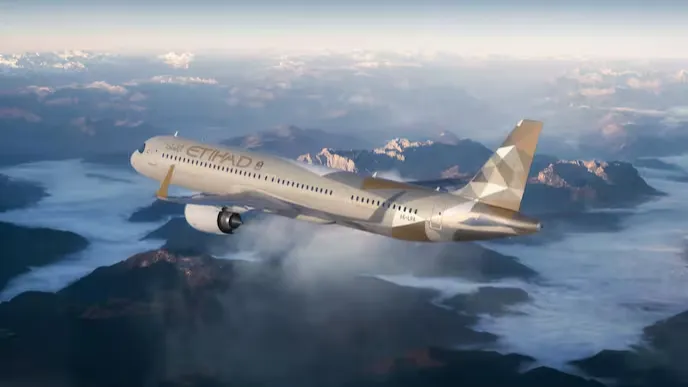
Photo: Etihad

The clarification came after all the passengers had disembarked from Terminal 1. In its official statement, Phuket Airport explained that precautionary measures were initiated at approximately 11:00 a.m. after airline representatives informed airport medical services that the aircraft had encountered turbulence and that the extent of any potential injuries could not yet be determined.

According to The Phuket News,

“According to the airport statement, coordination was immediately established with the Narenthorn Emergency Medical Center and its emergency response network. Aircraft parking bay 15 was prepared, while airport fire and rescue teams, medical staff and ground personnel were placed on standby to provide assistance to passengers and crew upon arrival. The aircraft touched down at Phuket Airport at 11:50am. Initial medical checks conducted after landing confirmed that no passengers or crew members had been injured as a result of the turbulence”.
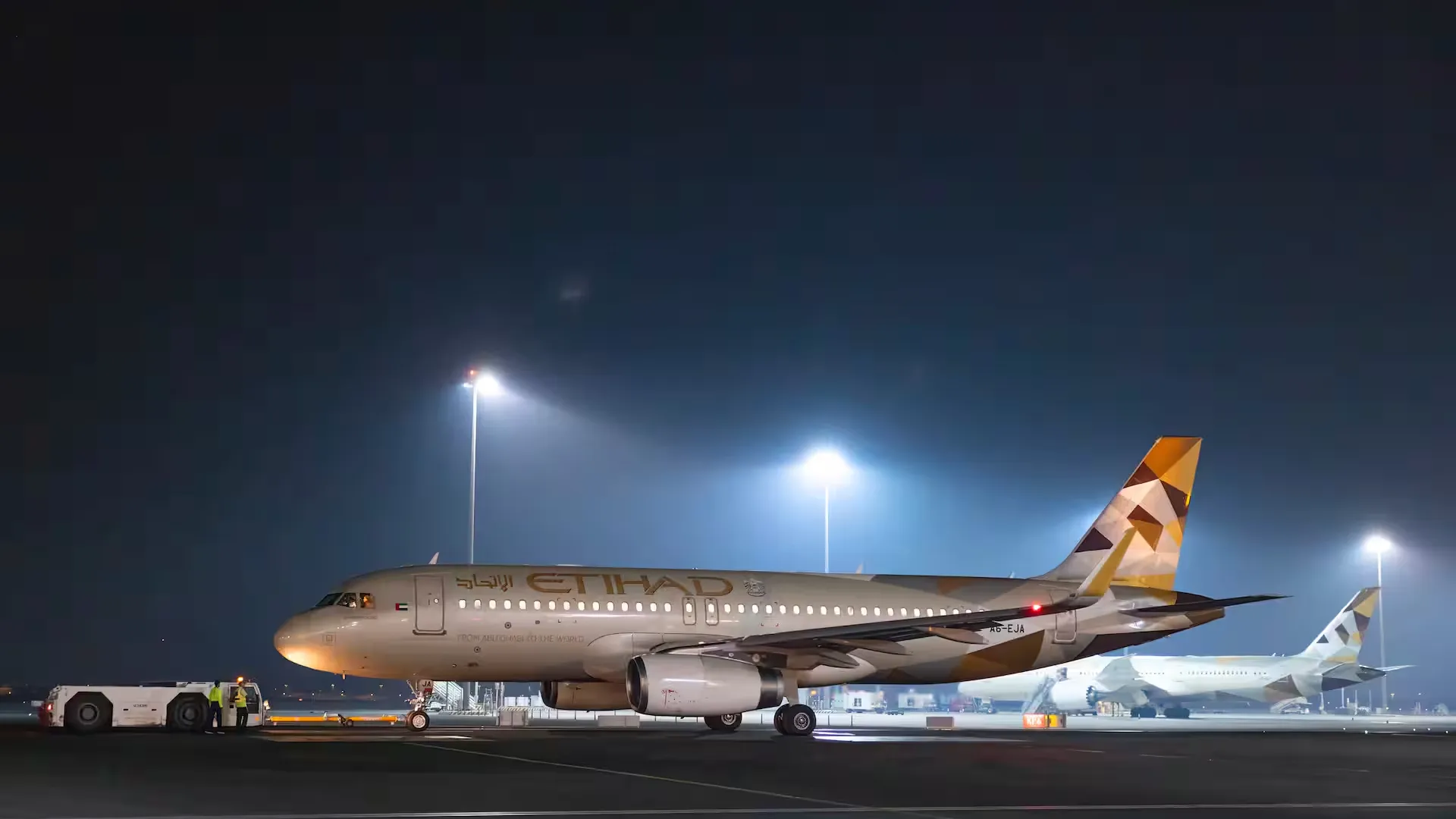
Photo: Etihad


All in All

In its statement, the airport noted that comprehensive emergency response protocols were firmly established and supported by routine training exercises conducted in accordance with international aviation standards, ensuring preparedness for a wide range of contingencies.

The airport also acknowledged the cooperation and readiness of regional medical and emergency partners, including:

  • Thalang Hospital
  • Vachira Phuket Hospital
  • The Kusoldharm Phuket Foundation
  • Bangkok Hospital Siriroj
  • Bangkok Hospital Phuket

all of which supported the precautionary measures taken during the incident. Reiterating its commitment to high professional standards and quality of service, Phuket Airport encouraged the public to seek updates exclusively from official and verified sources to avoid the spread of misinformation.
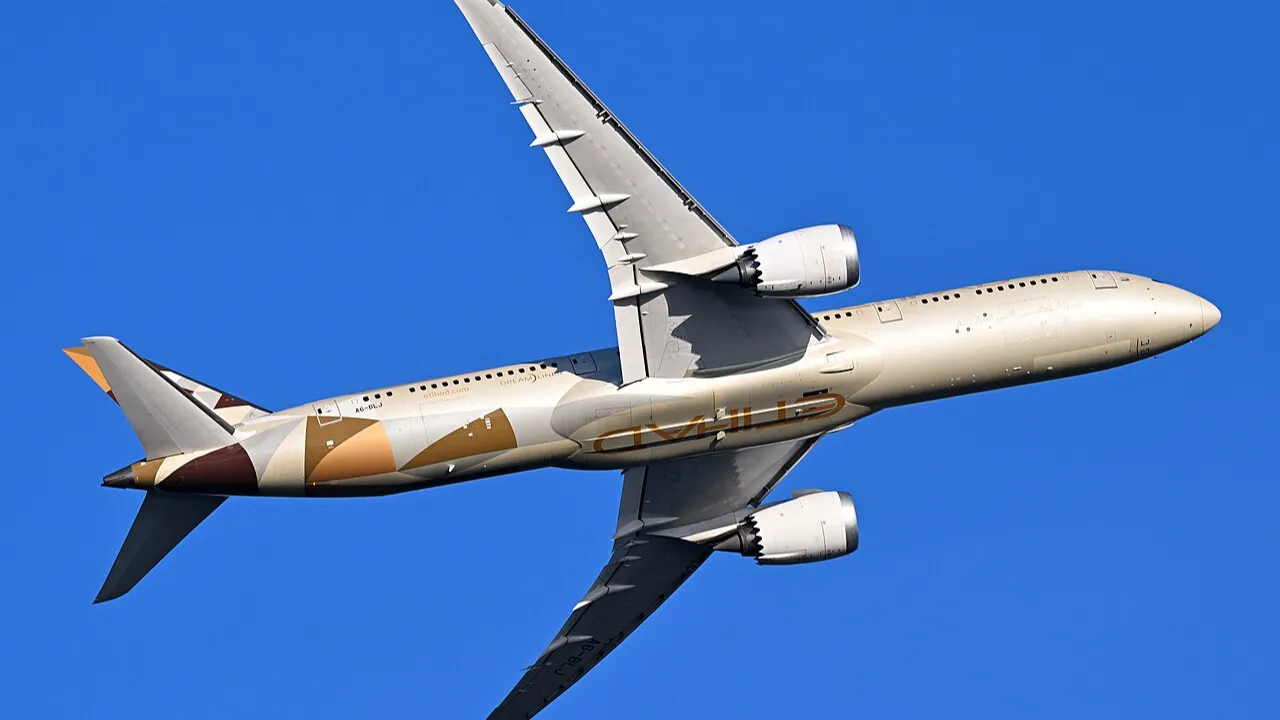

Photo: 4300streetcar | Wikimedia Commons

One thing has to be asserted: the aircraft didn’t suffer a severe bout of turbulence, a phenomena which has a broad spectrum:

Turbulence category Operational characteristics Aircraft control and potential effects
Light turbulence Minor, irregular movements in aircraft attitude or altitude Aircraft remains fully controllable; effects are noticeable but minimal
Moderate turbulence More pronounced fluctuations affecting altitude, attitude, and airspeed Continuous positive control is maintained, though passenger comfort may be significantly reduced
Severe turbulence Sudden and substantial changes in altitude, attitude, and airspeed Temporary loss of effective control may occur; unsecured items can be displaced and minor structural stress or damage is possible
Extreme turbulence Violent, unpredictable aircraft movements Capable of causing serious structural damage and may lead to sustained or irrecoverable loss of aircraft control

Leave a Comment

Your email address will not be published. Required fields are marked *

Scroll to Top