Pilots representing Spirit Airlines (NK) have publicly urged key creditors led by investment firm Citadel to maintain funding for the beleaguered ultra-low-cost carrier, warning in their letter that withholding additional cash could trigger liquidation as the airline navigates its second Chapter 11 bankruptcy in less than a year.
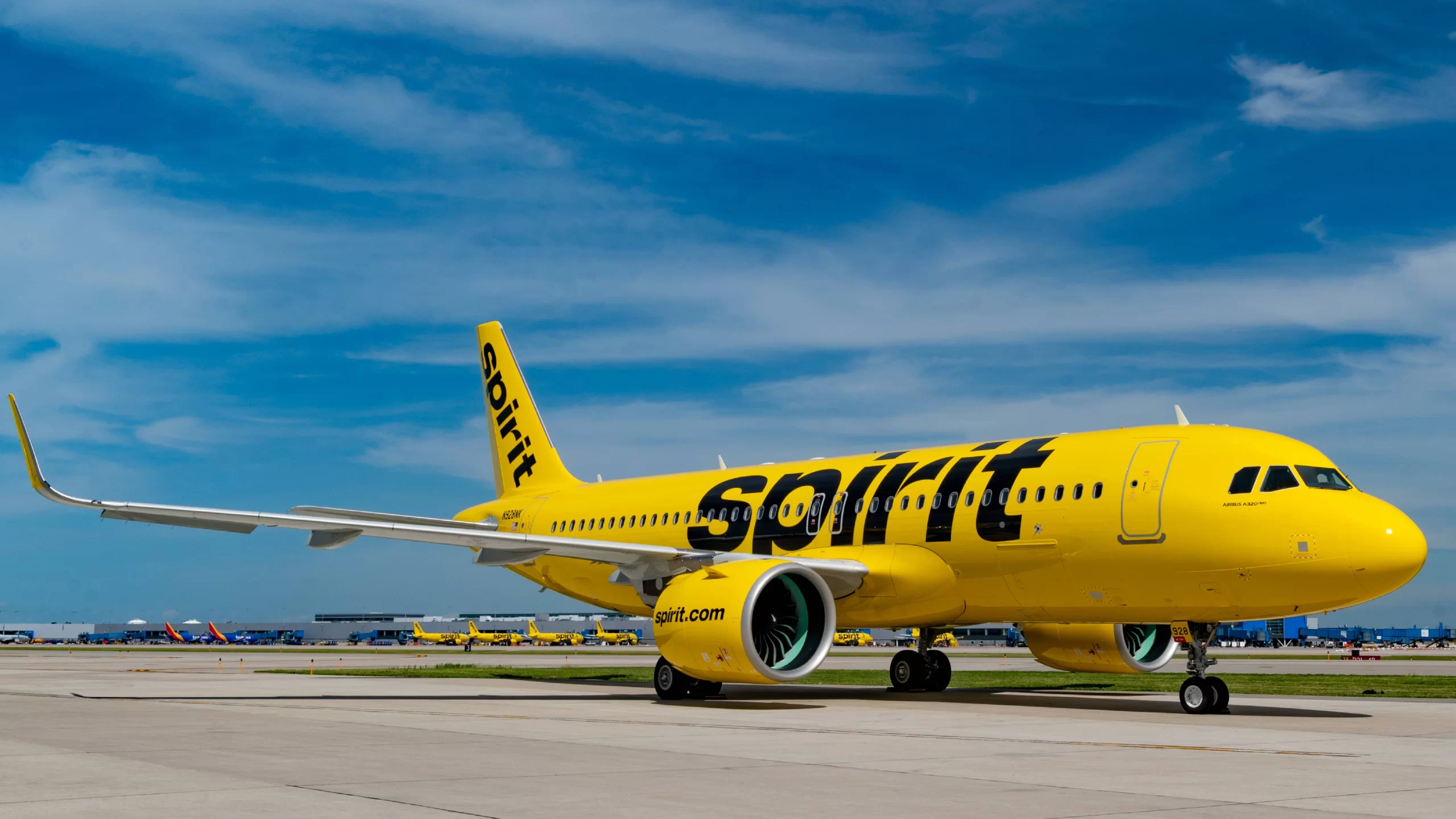
Spirit Airlines entered Chapter 11 in August 2025 and is pursuing a comprehensive restructuring plan designed to reduce debt, cut costs, and reposition the airline for sustainable operations. While initial funding agreements have kept the airline solvent, the next tranche of financing — critical for continued restructuring — now hangs in the balance, prompting pilots to appeal directly to Citadel and other bondholders.
Spirit’s Pilots’ Appeal to Bondholders
Pilots represented by the Air Line Pilots Association (ALPA) delivered an open letter to principal bondholders, arguing that Spirit’s restructuring progress is significant but incomplete, and that halting further funding now could force the airline to liquidate.
Spirit pilots and flight attendants have already contributed more than $100 million worth of labor concessions in support of the restructuring, according to ALPA statements. The letter emphasizes that continuing to fund the airline could allow Spirit to emerge from bankruptcy as a more financially stable and competitive carrier.
Key points raised by pilots include:
-
Spirit has made meaningful restructuring gains, including significant cost reductions and fleet optimization.
-
Further debtor-in-possession financing (DIP) is critical to maintain operations.
-
Bondholders must decide whether to fulfil existing funding commitments.
-
Liquidation would have severe economic impacts on communities where Spirit operates.
The pilots’ appeal underscores the union’s view that continued funding by Citadel and other lenders could prevent sudden market exit and preserve jobs, while withdrawal of funding could trigger mass layoffs and broader economic harm in South Florida.
“South Florida will lose one of its most important homegrown aviation employers. Families will be displaced. Small businesses connected to travel and aviation will suffer immediate harm. The regional and national ripple effects will be real and long-lasting. A preventable airline shutdown on this scale would also reduce competition in air travel nationwide, leading to fewer choices and higher fares for travelers”.
Spirit’s Restructuring Context and Pilot Furloughs
Spirit’s current predicament follows a tumultuous period for the airline, which has faced prolonged financial losses, stiff competition from larger legacy carriers, and challenges executing past strategic plans, including halted merger negotiations.
Spirit previously emerged from a Chapter 11 process in March 2025, after converting roughly $795 million in debt to equity and securing fresh capital from existing investors and bondholders.

After reaching a deal with existing lenders and debtors to release up to $475 million in funding known as Debtor-In-Possession financing, it was decided that the funding would be released in installments, reported Paddle Your Own Kanoo.
According to Spirit’s own SEC filings, the company drew $200 million on October 14, followed by $50 million on November 7, and a further $100 million on December 15 after resolving a dispute over predefined conditions tied to a December 13 deadline. That leaves roughly $125 million of the $475 million new-money facility still undrawn, available in a single final tranche once Spirit meets its remaining conditions.
The $475 million represents only the ‘new money’ portion of a larger $1.2 billion DIP facility, which also includes up to $750 million in rolled-over pre-petition secured notes, according to Spirit’s SEC disclosures.
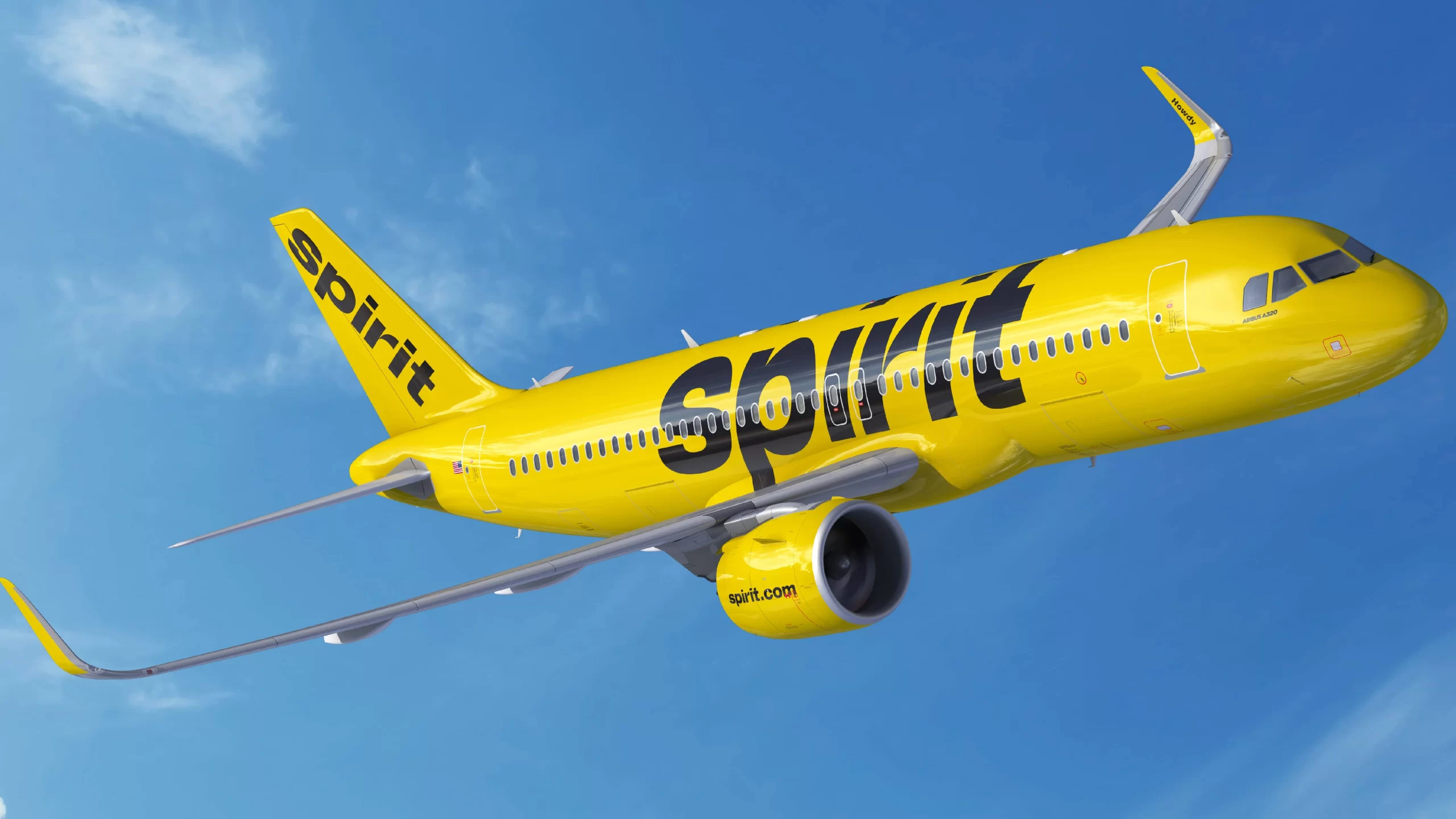
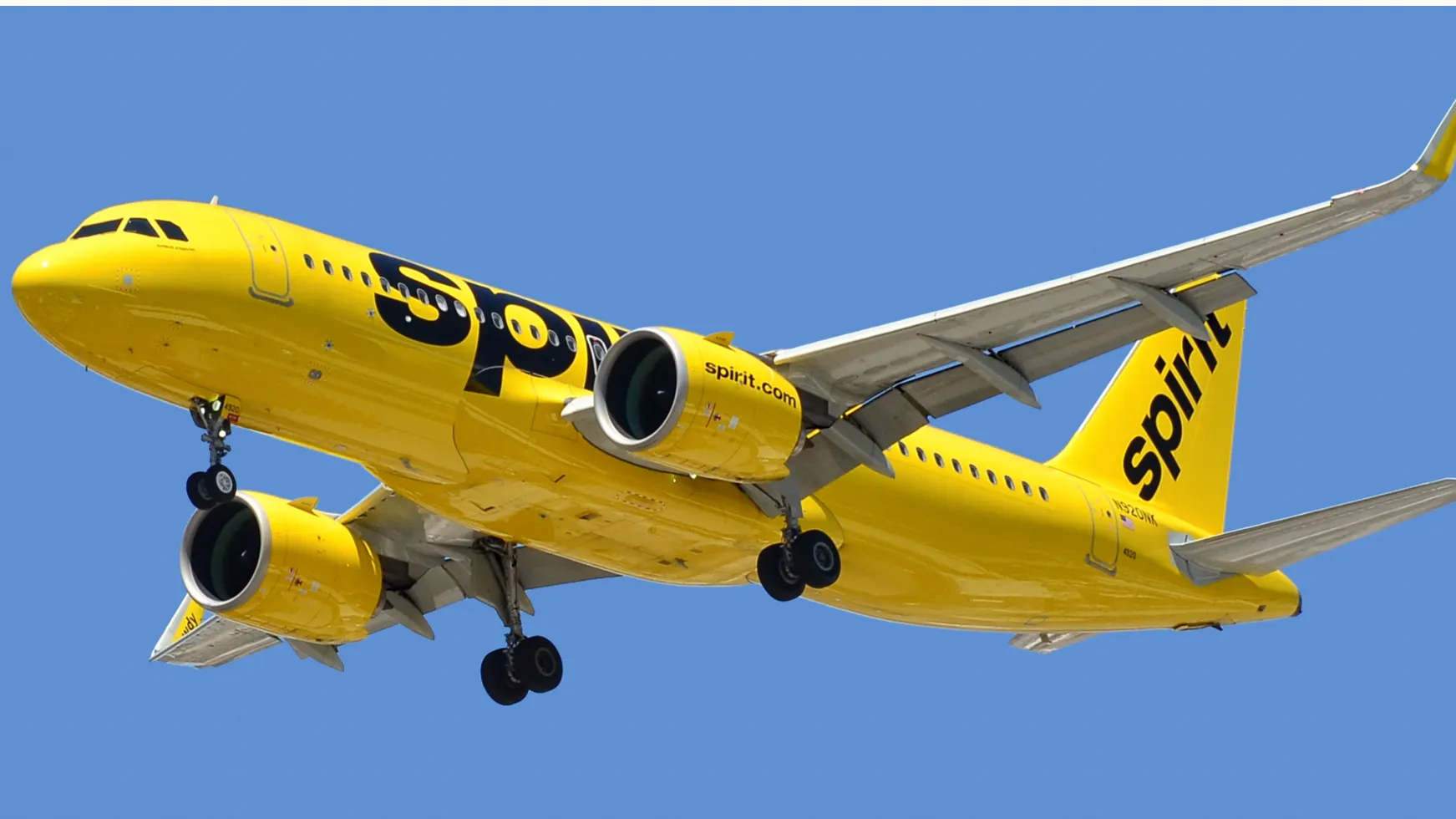
According to data from planespotters.net, Spirit Airlines has a fleet of 127 aircraft that average 8 years. This includes 77 Airbus A320 that average 9.4 years and 50 Airbus A321s that average 5.8 years.
Spirit’s Financial and Operational Challenges
Spirit’s restructuring strategy includes:
-
Reducing route network and fleet size;
-
Rejecting certain airport leases and ground handling agreements;
-
Negotiating aircraft deferrals and operational cost concessions;
-
Furloughing pilots and other staff to align capacity with demand.
The airline’s restructuring has already resulted in tough workforce decisions, including CNBC’s report that the carrier will:
” furlough 270 pilots this fall as the carrier prepares for a smaller off-season schedule to try to find its financial footing. The airline will also downgrade 140 pilots from captain to first officer”
The Pilot’s Letter: Key Excerpts
The joint letter by Jason Ambrosi, the President of Air Line Pilots Association, Int’l and Ryan P. Muller, the Chairman of Spirit Airlines ALPA Master Executive Council Spirit Airlines’ current appeal to bondholders, led by Citadel, highlights a critical juncture in the airline’s Chapter 11 process.
The pilots’ union said Spirit Airlines’ restructuring now depends on securing the additional debtor-in-possession (DIP) financing needed to keep the airline operating as a going concern. It argued that labor groups had already made significant concessions to support the restructuring and called on Citadel and other financial stakeholders to provide the remaining funding required to complete the process.
The warning highlights the stakes of the negotiations: without additional financing, Spirit could face liquidation, potentially affecting thousands of employees and families while creating wider consequences for South Florida’s economy and the US airline industry.

.jpg)

