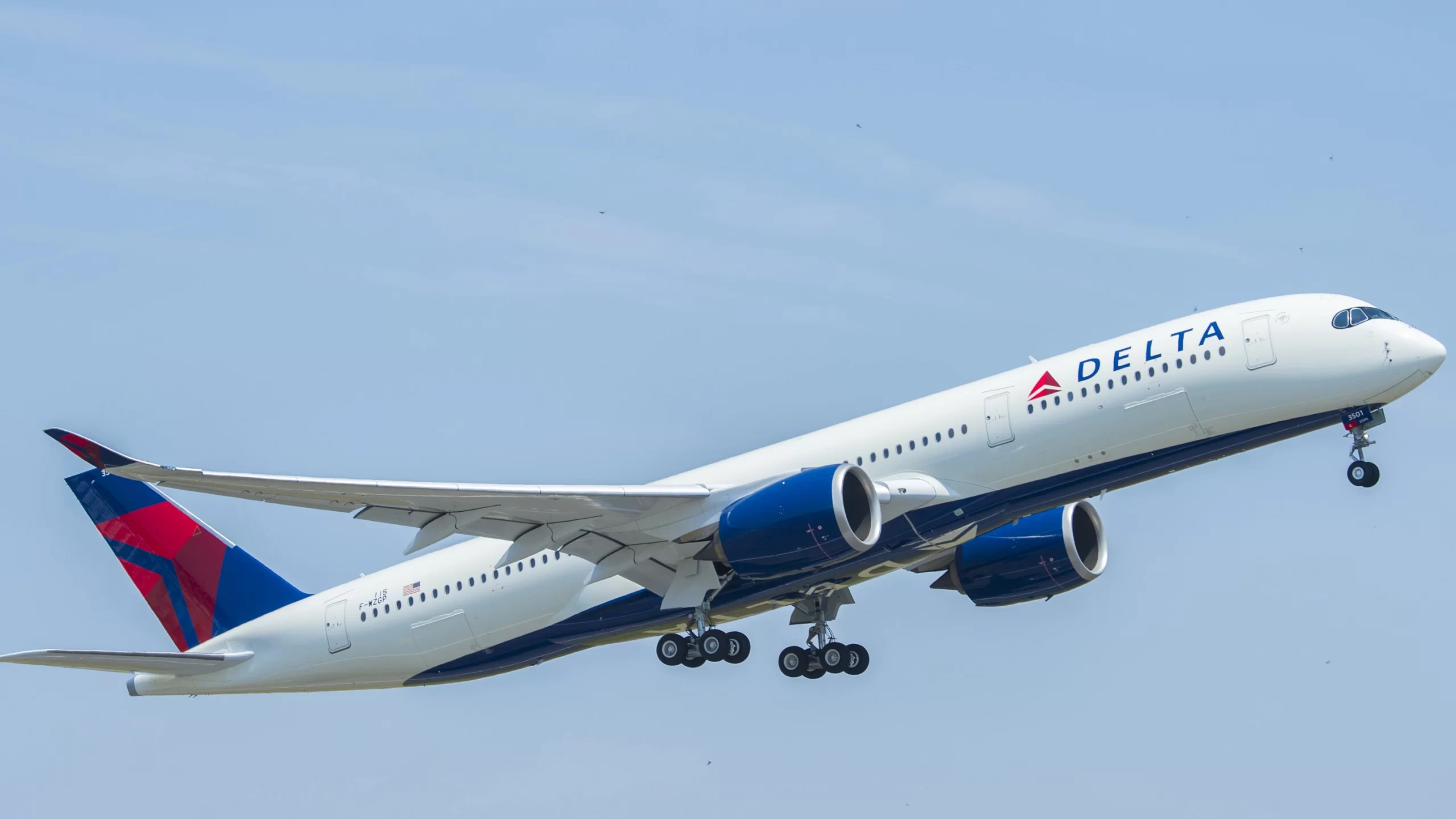
Delta Air Lines (DL) cancelled a flight from Haneda Airport (HND), Tokyo, to Minneapolis–Saint Paul International Airport (MSP), Minneapolis, on the night of Friday, July 10, 2026. According to reporting from View from the Wing, the Airbus A350 sat on the ground for 5.5 hours before Delta called off the flight at 11 p.m. local time, well past the aircraft’s original afternoon departure slot.
Delta blamed the cancellation on a mechanical fault that left the crew short of the duty hours needed to complete the 12-hour flight to Minneapolis. The airline then told the cabin that it could not secure enough hotel rooms for everyone and would give vouchers only to passengers with a documented health concern or a baby, a decision that triggered viral mockery after a crew member’s announcement was caught on video.

How the Delay Unfolded on the Tarmac
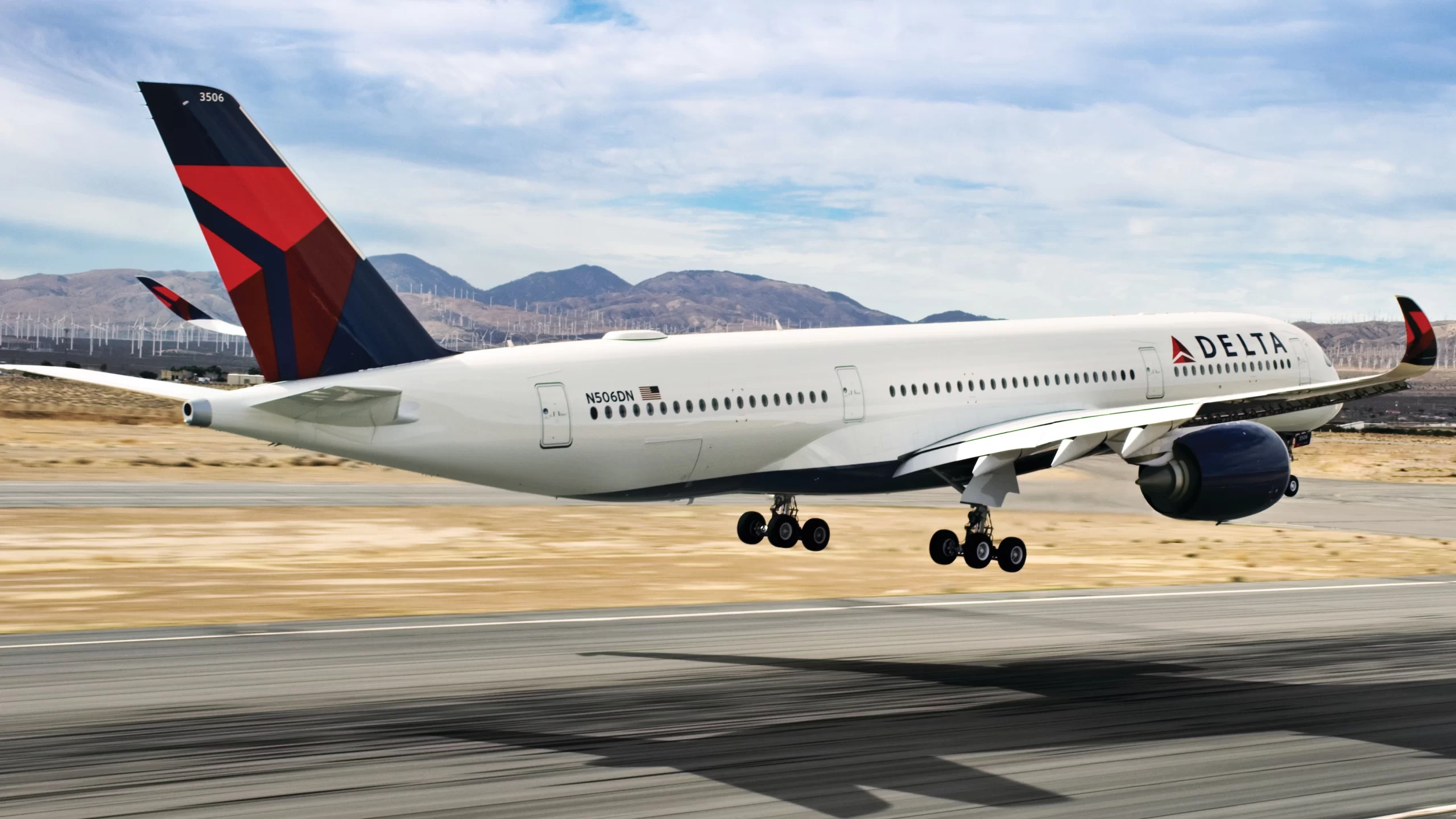
Passengers boarded for the scheduled afternoon departure but waited at the gate for one to two hours while the aircraft was fuelled. The jet then pushed back and taxied before stopping for a further two hours once ready to depart, at which point the cockpit crew discovered a hydraulic problem.
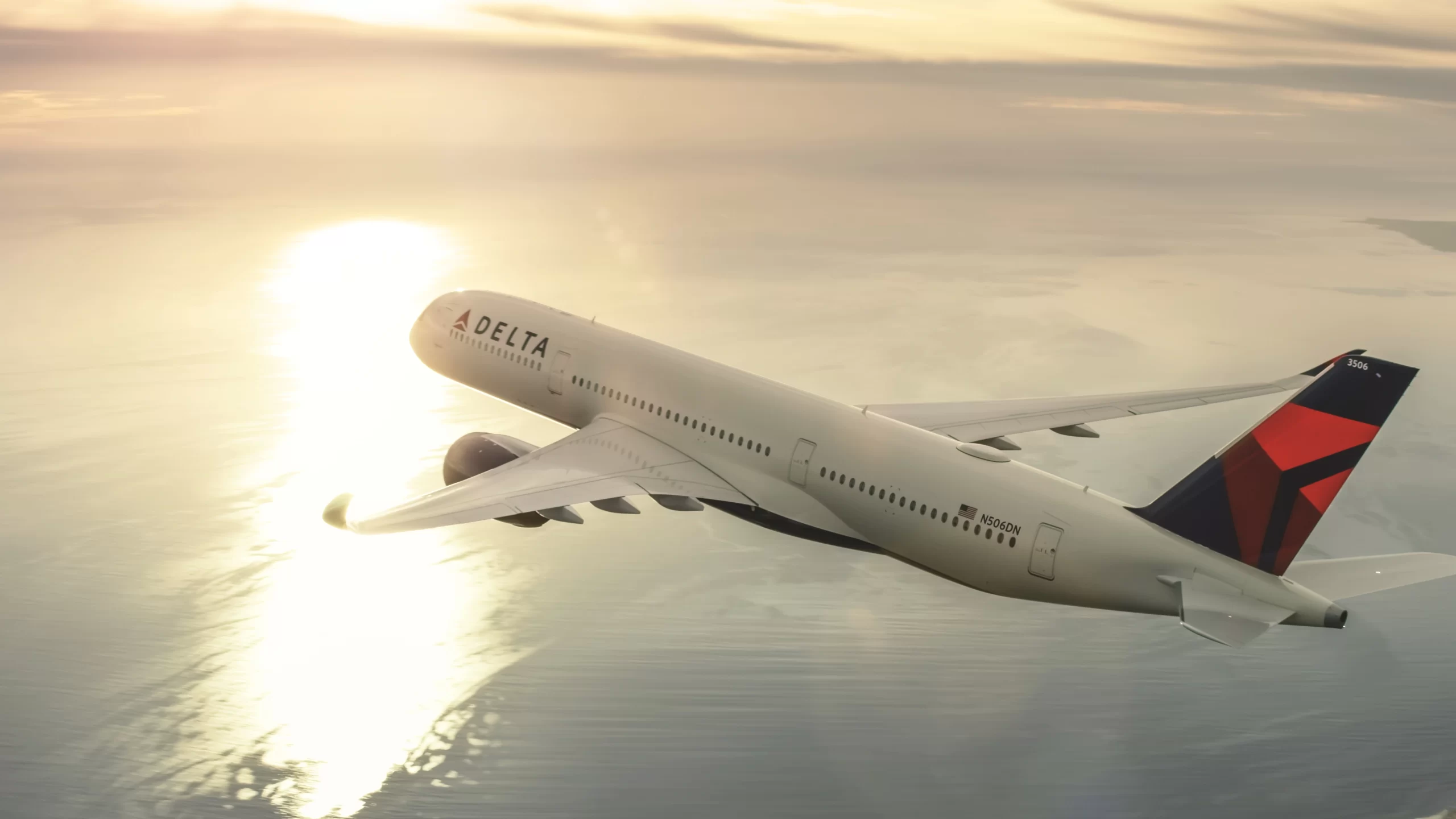
Delta moved the Airbus A350 to a remote parking stand, where mechanics boarded to investigate. One passenger said crew first described a computer problem, then said the computers were fine, but an aileron was malfunctioning. Flight blogger Gary Leff, writing for View from the Wing, said the shifting explanations likely described the same underlying flight-control fault in different terms — a computer warning, an aileron issue, and a hydraulic fault.
While the aircraft underwent repairs, passengers learned Delta needed to weight-restrict the flight and decide whether to offload cargo. Because the repairs were expected to run longer than the crew’s remaining duty time allowed under Federal Aviation Administration rules, Delta cancelled the flight entirely.
The Hotel Announcement That Went Viral
A passenger aboard the flight posted video to Instagram describing the sequence: a 5.5-hour wait on the taxiway, an 11 p.m. cancellation announcement, and a plan requiring passengers to clear immigration again and collect luggage before an overnight stay.
The crew member’s announcement, captured in the video, apologised for the shortage of rooms and explained the airline’s priority order:
“Another deep apology that we couldn’t secure enough hotel room for every customer on this flight. For the customer who has a health concern — family with baby — so please contact Delta for a hotel voucher.”
A passenger then asked to confirm the policy, prompting the line that spread across social media:
“So no baby, no hotel?”
“No baby, no hotel. Everyone make babies right now.”
The exchange, view from the wing reported, became “the best announcement” one passenger said they had ever heard on a plane. One commenter on the original report pushed back on the framing, arguing Delta’s stated policy simply gave first priority to medical cases and families with infants while it worked to secure more rooms, rather than excluding everyone else outright.
Why Hotel Rooms Were Limited in the First Place
Delta’s own tarmac-delay policy commits the airline to providing water, snacks and working lavatories once a ground delay passes certain thresholds, and the US Department of Transportation requires airlines to give passengers the chance to deplane before four hours elapses on an international departure. Delta’s contingency plan states it will meet or exceed federal guidance on food, water and medical attention during any tarmac delay.
Overnight hotel accommodation after a cancellation is a different matter. The US Department of Transportation withdrew a proposed rule under the Biden administration that would have forced airlines to guarantee cash compensation, meals and lodging for controllable disruptions, arguing mandatory payouts could create a perverse incentive to cancel flights rather than attempt repairs.
That leaves hotel provision in the US largely a matter of each airline’s own contract of carriage rather than federal law, unlike the European Union’s EU 261 framework, which caps hotel accommodation at three nights and requires meals after a three-hour delay for flights departing the bloc.
This is not the first time a Delta flight between Haneda and Minneapolis has ended in a cancellation and a scramble for rooms. Flight DL120, running the reverse Haneda-to-Minneapolis route, aborted its takeoff on June 29, 2025, after the crew detected a hydraulic malfunction just before the wheels left the runway. Delta gave each of those passengers a hotel voucher worth up to JPY 30,000, plus JPY 5,000 for meals and transport, and rerouted some travellers through Los Angeles.
Delta’s hotel shortages have not been limited to Japan. In May 2025, the airline bused roughly 200 passengers from a cancelled Naples-to-Atlanta flight to a hotel that held just 13 rooms, leaving many stranded in a parking lot with their luggage and no onward transport.
What Passengers Can Do Next
Passengers affected by a cancelled Delta flight have several avenues for recourse, though none guarantee an outcome:
- Request a hotel voucher directly from a gate agent or Delta’s customer service line, and ask the agent to confirm whether the cancellation is coded as “controllable”
- Keep receipts for any self-booked hotel, meal or transport costs, since Delta may reimburse reasonable expenses after a controllable delay
- File a complaint with the Department of Transportation’s Aviation Consumer Protection division if the airline fails to meet its own contract of carriage
- Check whether a travel credit card, such as one offering trip-delay insurance, covers hotel and meal costs during the disruption
Delta has not issued a public statement specifically addressing the July 10 cancellation or the crew member’s remarks at the time of publication.