The U.S. Department of Transportation (DOT) under President Donald Trump has officially withdrawn a Biden-era proposal that would have required airlines to compensate passengers for certain airline-caused delays and cancellations.
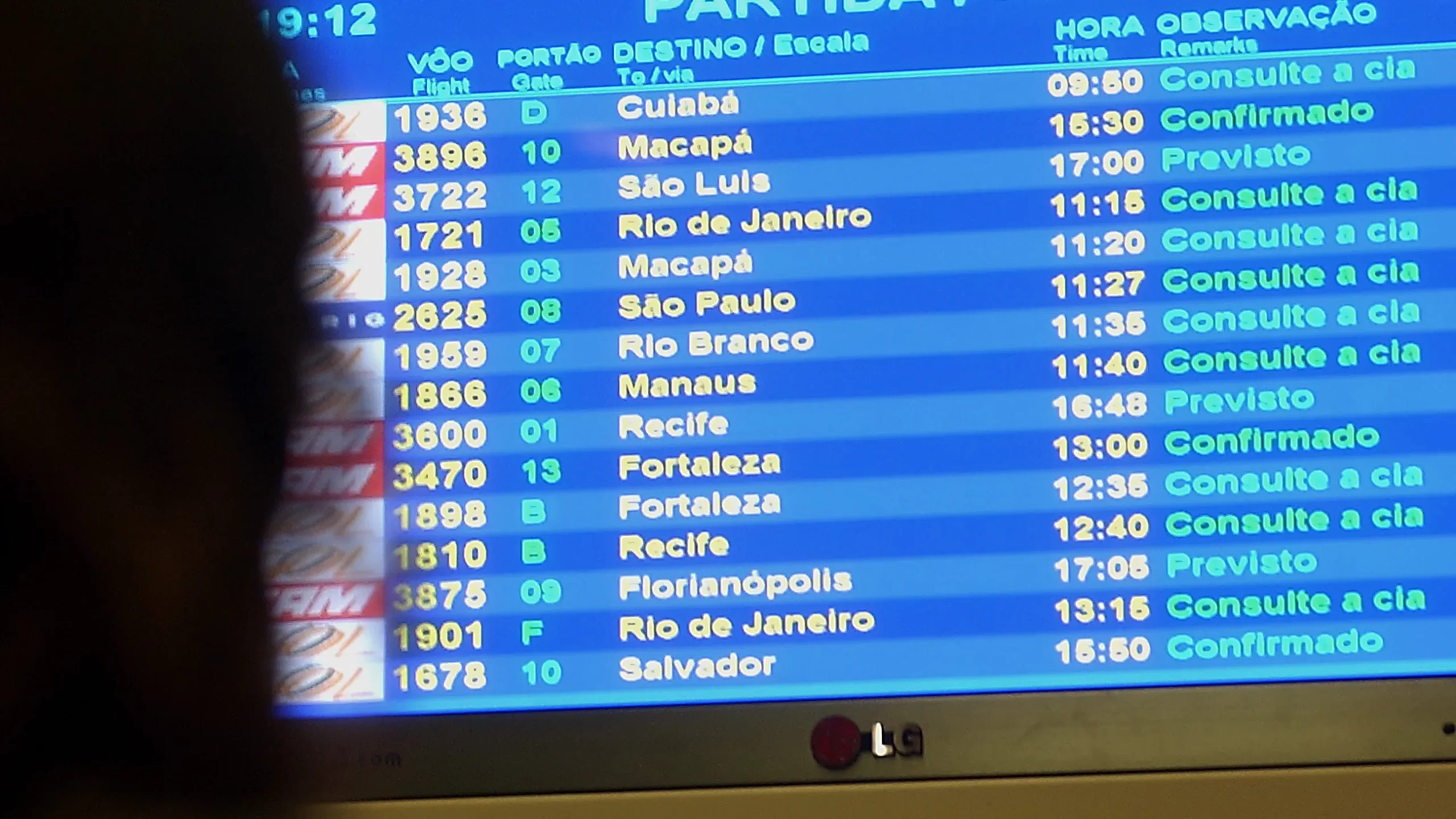
The plan, initially floated in late 2024, would have required carriers like Delta Air Lines (DL) and United Airlines (UA) to pay up to $775 for flight disruptions.
Under the withdrawn proposal, the DOT had sought to institute a tiered cash compensation regime:
- $200–$300 for three-to-six-hour delays
- $375–$525 for six-to-nine-hour delays
- $750–$775 for delays of nine hours or more
In addition, airlines would have been required to cover rebooking on the next available flight, regardless of whether it was on the same airline, and to pay for meals, overnight lodging, and transfer transport if passengers were stranded.
The proposal differentiated obligations for smaller carriers, potentially reducing burdens on regional or low-capacity airlines.
The Biden administration pursued a broader expansion of federal protections for airline passengers, including tougher enforcement against carriers and new rules concerning refunds, fees and flight disruptions.
Reaction to Trump Scraping Biden’s Compensation Rule from Airlines and Industry
The USDOT revealed its plans to do away with Biden’s proposal in September. Last month, eighteen Democratic senators, including Maria Cantwell, Richard Blumenthal and Ed Markey, had urged the Trump administration to retain the proposal. They argued that passengers should not be left to absorb unexpected costs when an airline’s own actions cause major disruptions.
However, on Friday, it was decided that the plans proposed by the Biden government would put “unnecessary regulatory burdens” in explaining why it would not go forward. Airlines for America (A4A), which represents major U.S. carriers including Delta, United and American, welcomed the decision. The group argued that the proposed requirements exceeded the DOT’s authority, created unnecessary regulatory burdens and did not address the issues most important to passengers.
A4A also added that it looked forward to working with the USDOT on “implementing President Trump’s deregulatory agenda.”
Former Transportation Secretary Pete Buttigieg criticized the decision on social media, arguing that the outcome was unsurprising given the Trump administration’s relationship with the airline industry.
There are fears that this is not the only aviation rule put forth during the Biden era that might be rescinded:
- A directive that “required airlines and ticket sellers to display service fees alongside ticket prices so customers could avoid hidden costs”, on which was proposed in April 2024, is on hold due to a court challenge, reported Financial Express.
- In May 2025, a lawsuit against Southwest Airlines (drafted in the Biden era), which accused the most popular budget carrier of the US of operating chronically delayed flights, was dropped by the Department of Justice
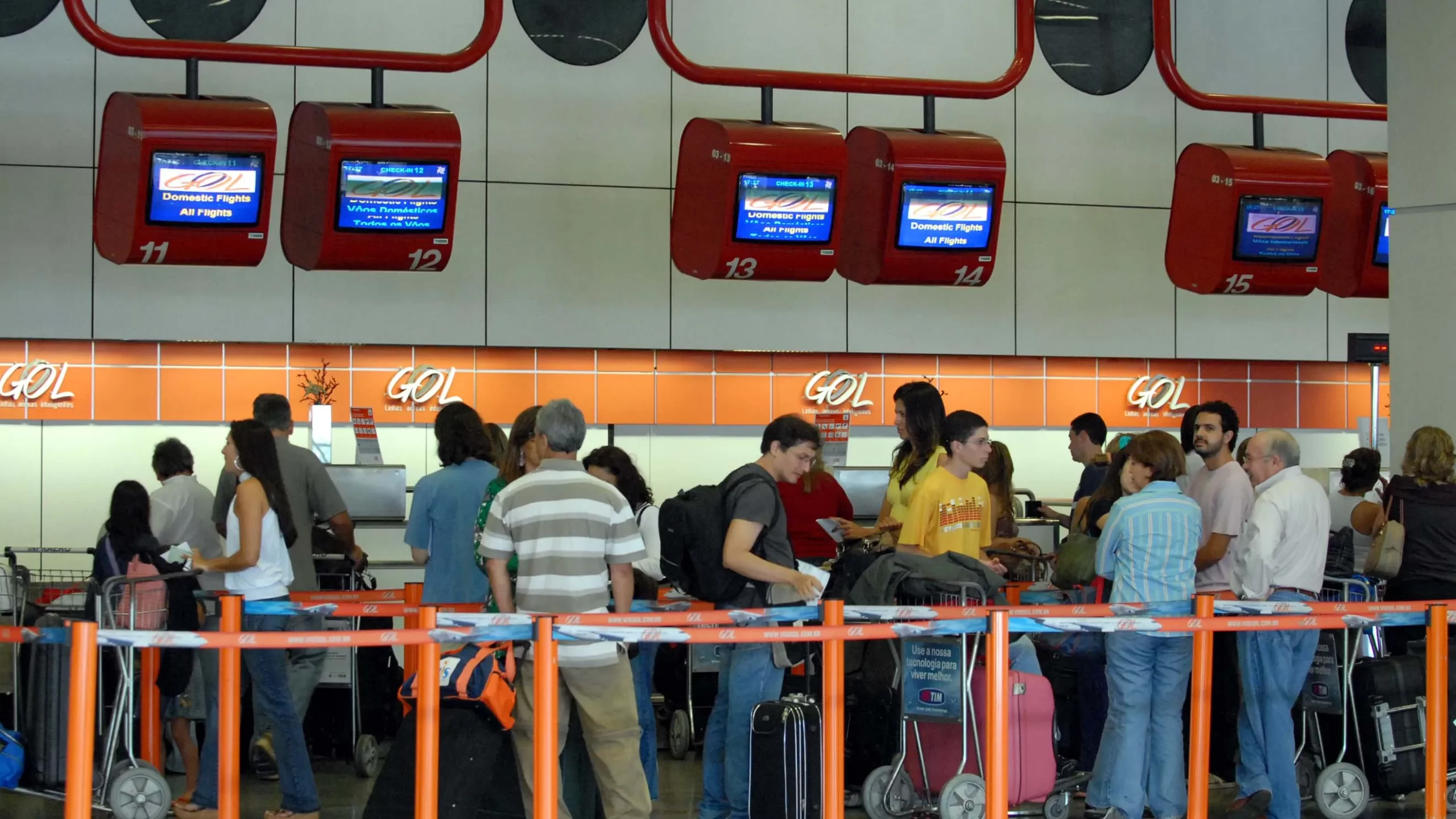
Reactions For/Against Trump Ditching the Biden-era Proposal on Airline Compensation
It doesn’t come as a surprise that carriers in the United States had been fiercely opposing Biden’s plans.
Spirit Airlines argued that mandatory compensation could create perverse incentives, particularly when maintenance problems arise. The carrier said forcing airlines to pay hundreds of dollars per passenger, alongside hotel and meal costs, could encourage airlines to cancel flights preemptively rather than operate aircraft when there is any uncertainty.
Transportation Secretary Sean Duffy’s office defended the decision, saying the DOT wants to “allow airlines to compete on the services and compensation that they provide to passengers rather than imposing new minimum requirements.”
Nevertheless, airline stocks continued to decline through the day, according to Al Jazeera, compounding an already difficult period for the industry following the record government shutdown:
-
JetBlue is tumbling 3.6 percent for the day.
-
Delta is down 1.3 percent.
-
American Airlines is down 1.2 percent from the opening bell.
-
United Airlines is down 1 percent.
-
Southwest is down 0.2 percent

All in All
A few months ago, the European Union changed its flight delay compensation: passengers needed to be airlines to be delayed by four hours on short-haul flights or be six or more hours on long-haul flights before passengers were entitled for compensation. Previously delays longer than three hours were compensated. The U.S. proposal would have moved the country toward a more prescriptive compensation framework, although its proposed structure differed from the European system.


.jpg)

