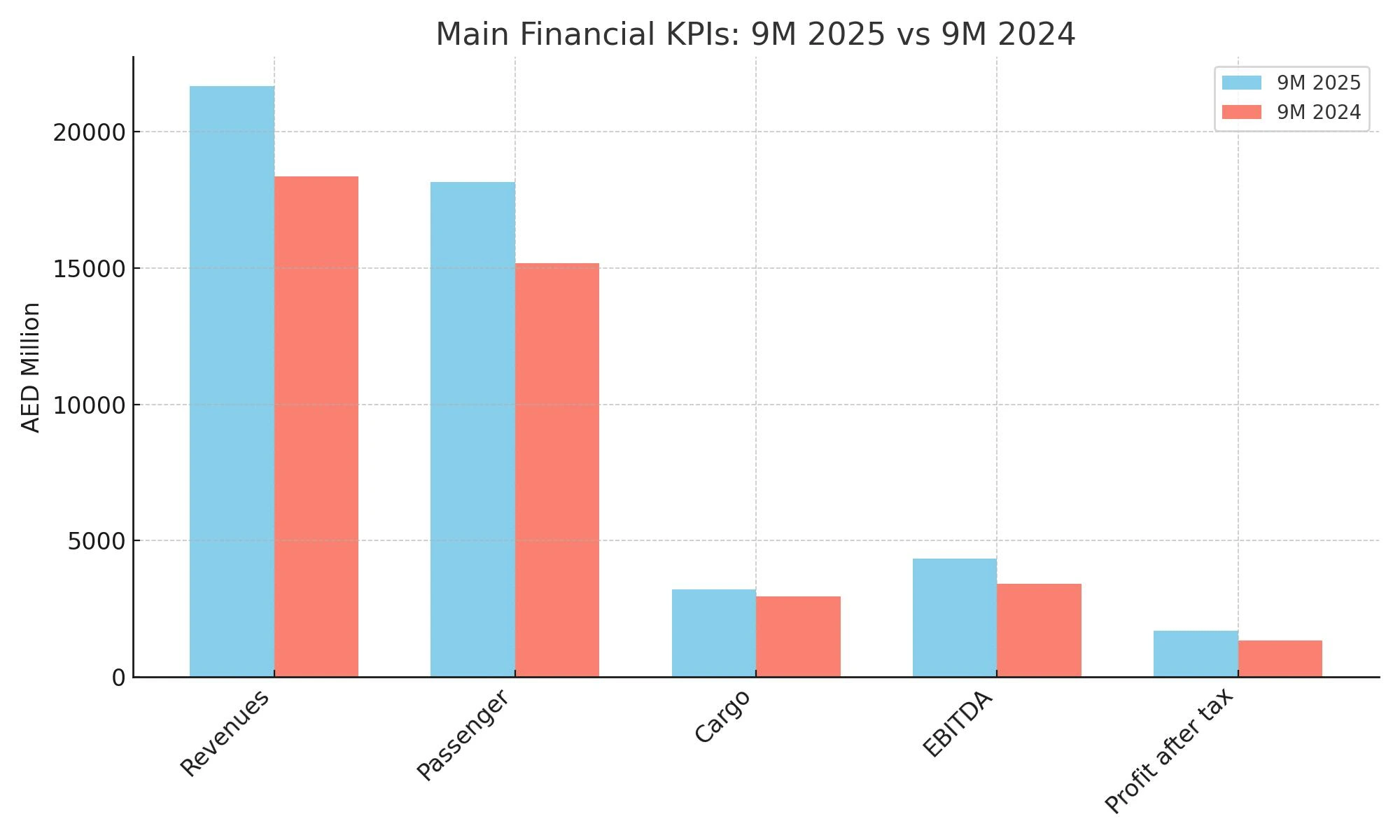
On 14 November 2025, Etihad Airways (EY), one of the big three Middle East carriers, announced a record profit after tax of AED 1.7 billion (US $463 million) for the first nine months of 2025, marking a 26 % year-on-year growth. The carrier reported total revenue of AED 21.7 billion (US $5.9 billion), driven by a 20 % increase in passenger revenue to AED 18.2 billion and an 8 % rise in cargo revenue to AED 3.2 billion — all underpinned by robust capacity expansion and load-factor improvements.
Etihad’s Performance Metrics
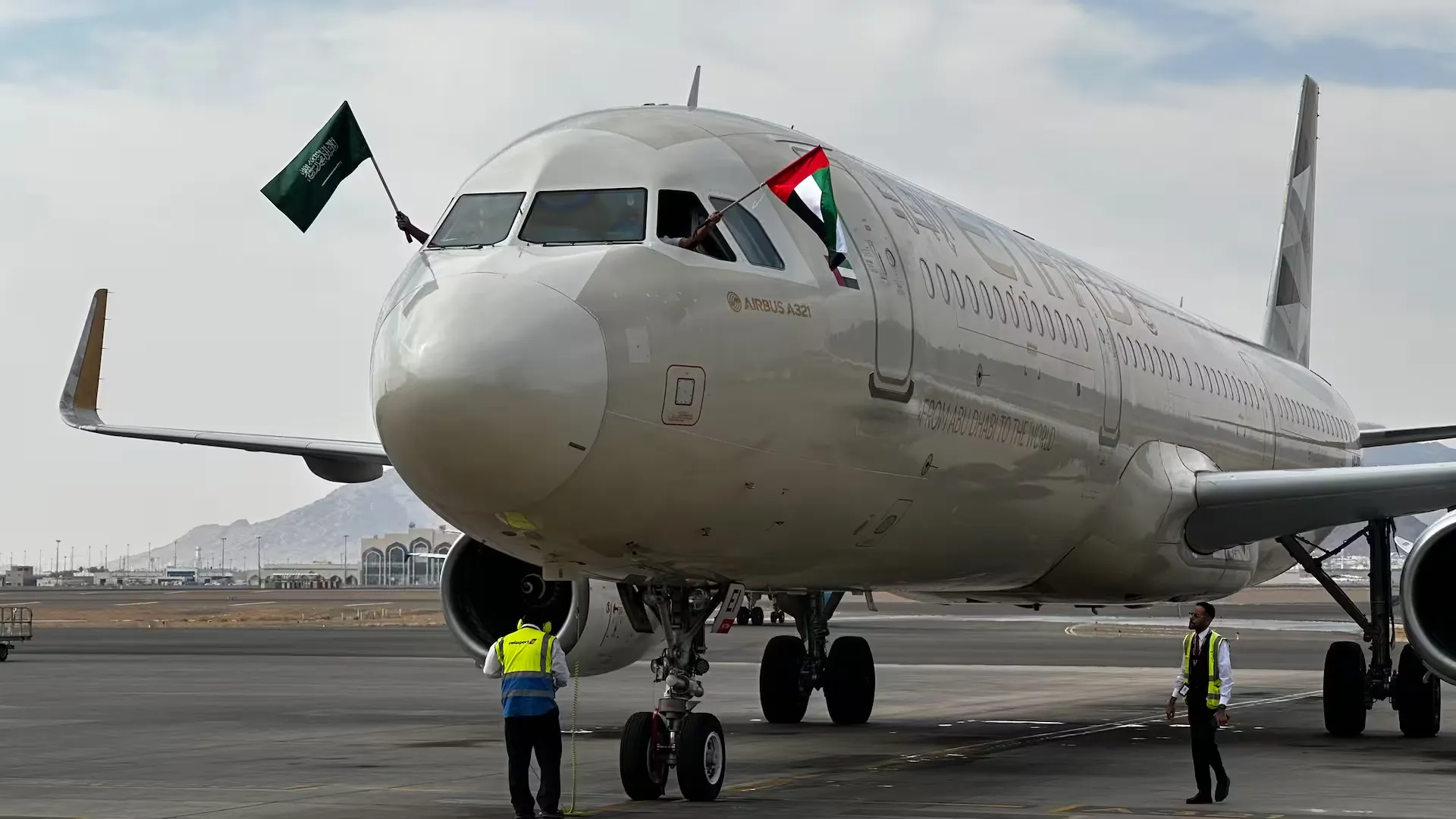
Etihad’s operating fleet reached 115 aircraft at the end of September 2025, up 19 aircraft year-on-year. The latest data in planespotters.net shows that the carrier has 117 aircraft in its fleet.
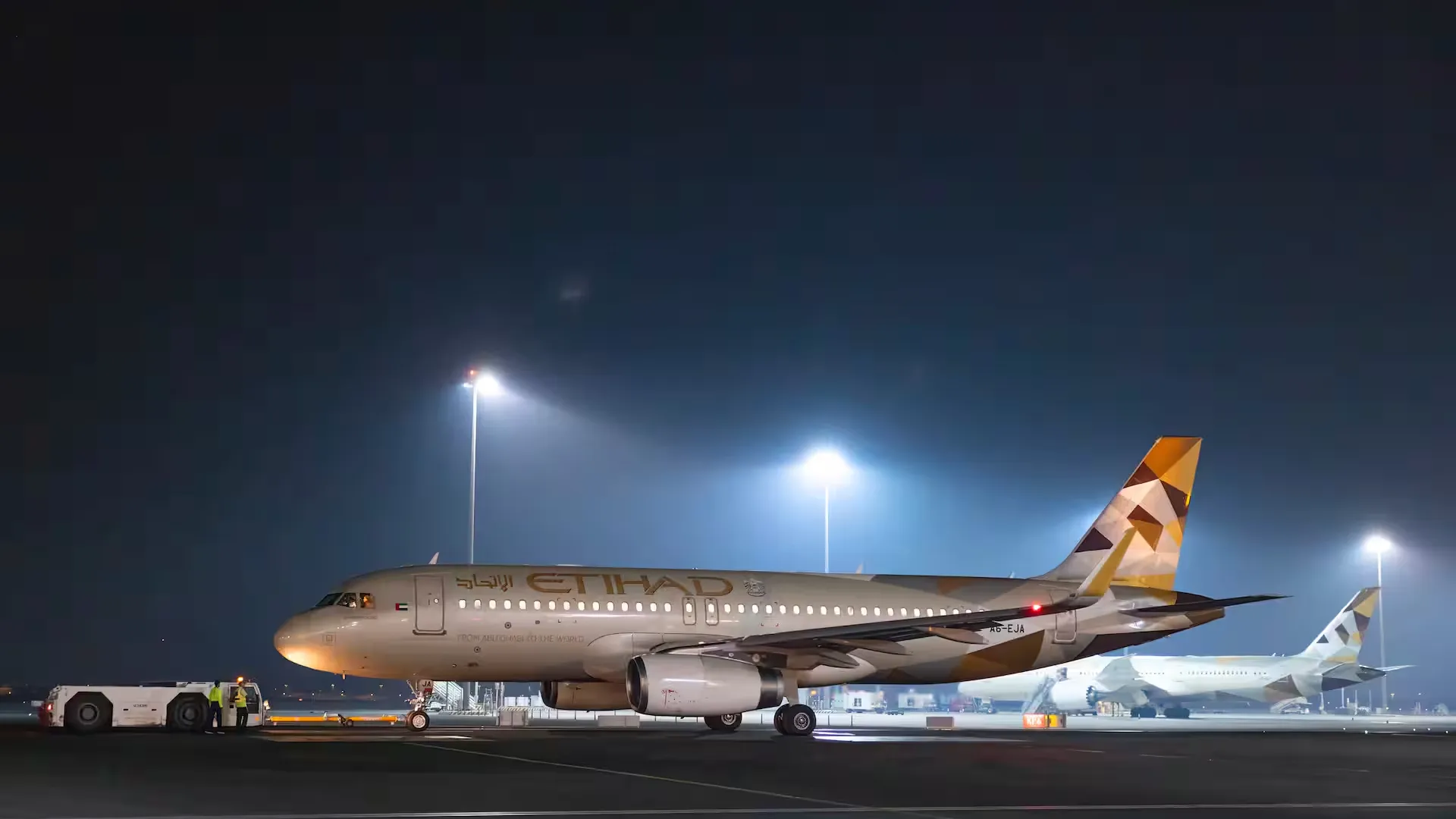
In July this year, Etihad took delivery of five aircraft:
- two Boeing 787 Dreamliner, which was hoped would “support long-haul operations to destinations across Asia“.
- one Airbus A350-1000, set to enhance the carrier’s capacity on high-demand routes
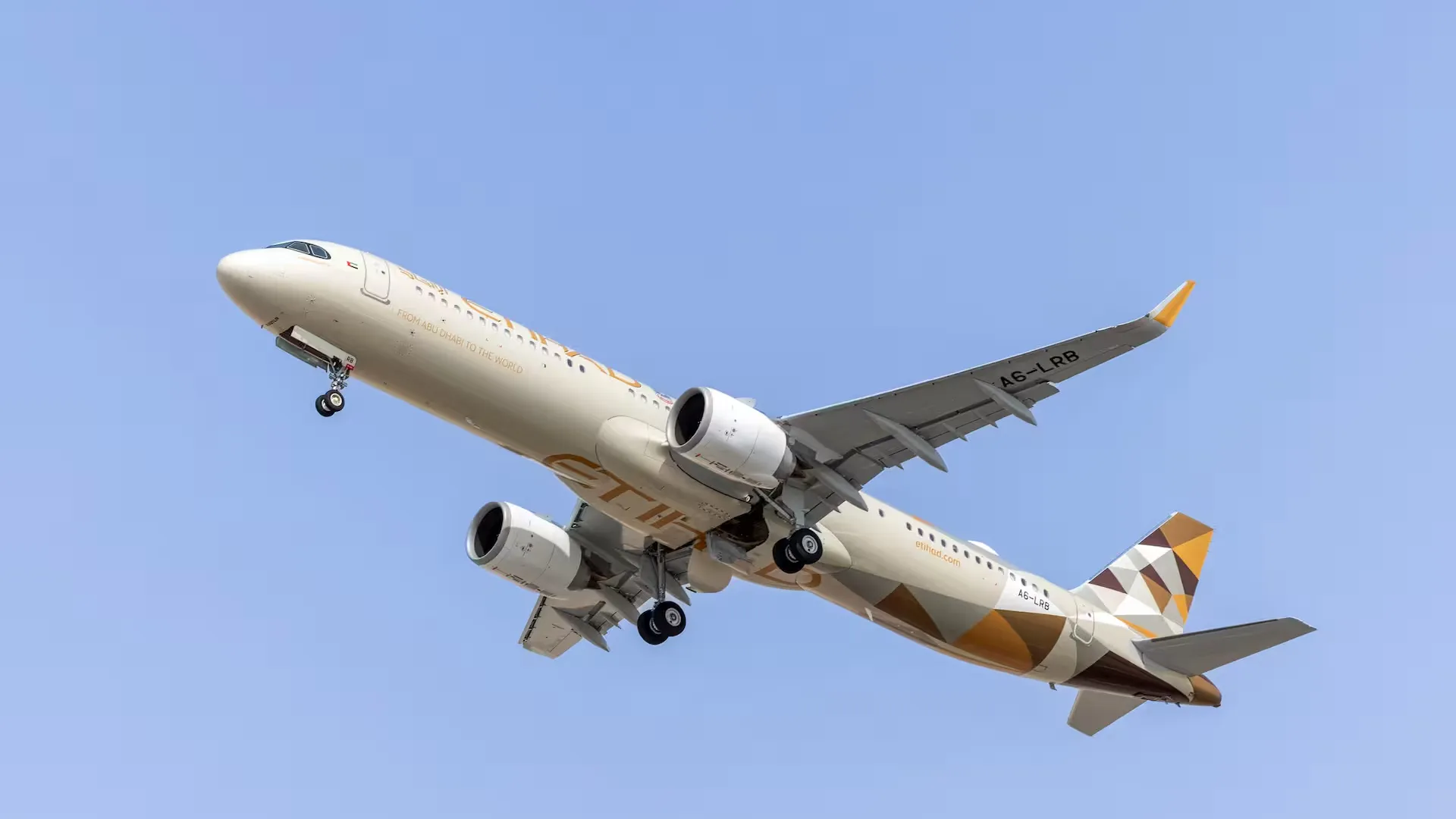
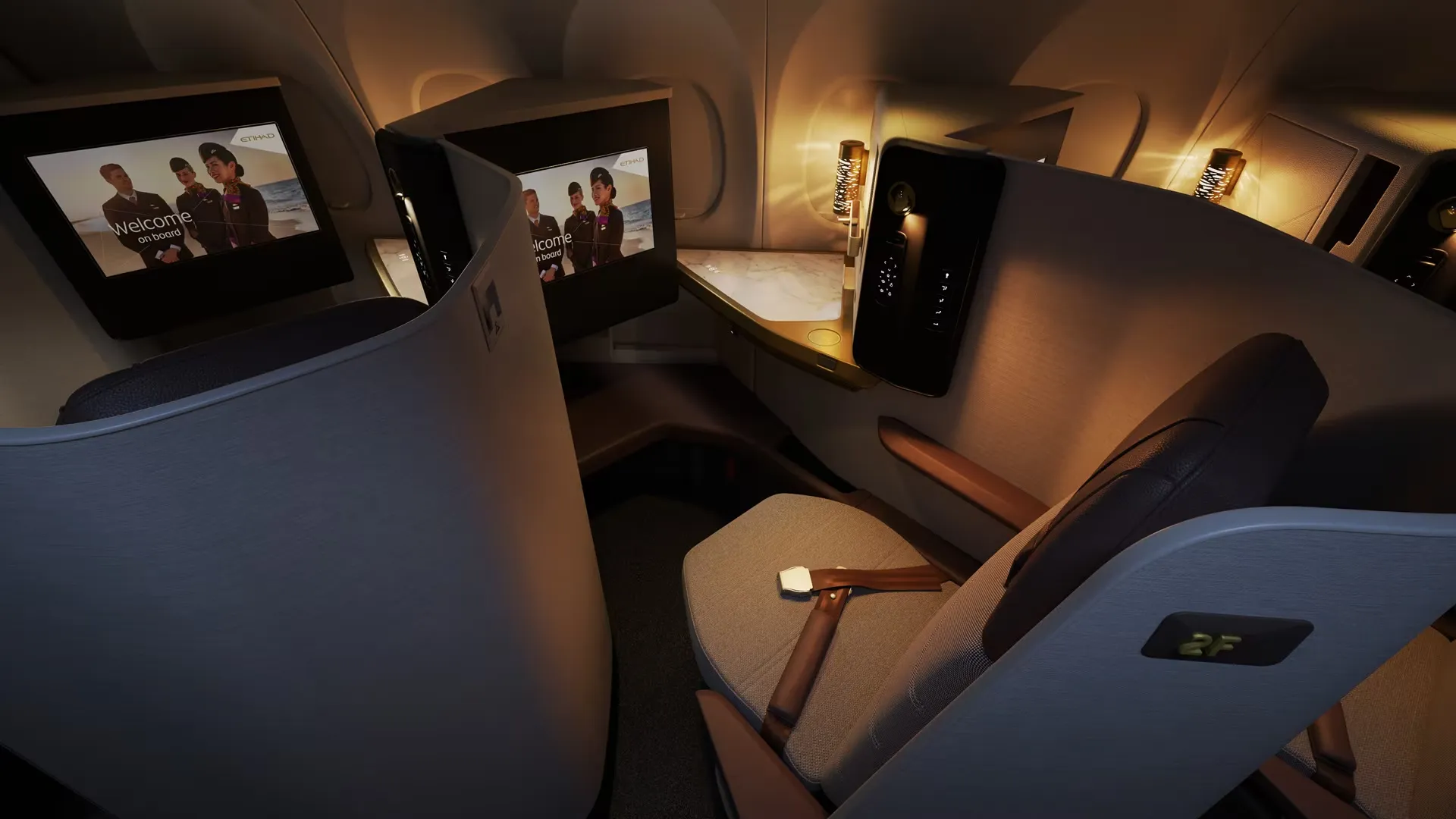
- one A321LR, which was hoped would define “luxury again with a revolutionary cabin configuration to Etihad’s narrowbody operations.. bringing premium in-flight experiences to medium and short-haul routes“.
- one A320ceo
Following the delivery of these five aircraft, Etihad Airways operated one of the world’s youngest fleets, with an average aircraft age of 8.7 years. The airline subsequently added two Airbus A321LRs, three Boeing 787s, two Airbus A350s and one Airbus A320 to its fleet, supporting its continued network and capacity expansion.
The carrier’s growth also drove a more than 20% year-on-year increase in Available Seat Kilometres (ASK) during the quarter. In July, Etihad reached another milestone by carrying 20 million passengers on a rolling 12-month basis for the first time, while its new A321LR fleet entered commercial service on August 1, 2025, initially flying to Phuket. The aircraft introduced premium features to single-aisle operations, including private First suites and fully lie-flat Business Class seats in a 1-1 configuration.
For the first nine months of 2025, Etihad carried 16.1 million passengers, an 18 % increase over the same period in 2024. The airline’s earnings before interest, tax, depreciation and amortisation (EBITDA) rose 27 % to AED 4.3 billion (US $1.2 billion), lifting the EBITDA margin to 20 % (up 1 percentage point). Etihad’s load factor reached 88 %, up one point year-on-year, while capacity (Available Seat Kilometers) increased by 17 %.

Strategic Drivers Behind Growth
Besides the fleet renewal, the airline attributes its strong performance network growth and operational discipline. The influx of new aircraft in the third quarter included Airbus A321LRs, Boeing 787s and Airbus A350s — all supporting the expansion of Etihad’s premium offerings. The enhanced passenger revenue stemmed largely from higher capacity, improved yields and demand recovery in global markets; cargo business also contributed, supported by higher volumes and yields.
| KPI / Metric | 9M 2025 (AED m) | 9M 2025 (US$ m) | YoY Change / Notes |
|---|---|---|---|
| Cash flow from operations | ~6,000 | >1,500 | +40% year-on-year, strong operating performance |
| Customer satisfaction | – | – | Improved across all cabins, especially premium, after A321LR introduction |
| ASK (Available Seat Kilometers) | – | – | +17% year-on-year |
| Passengers carried | 16,100,000 | – | +18% year-on-year, Load factor 88% (+1pp YoY) |
| Operating fleet | 115 aircraft | – | +19 aircraft YoY, half from Q3’25 |
These are the number that reflect these higher volumes and yields:
-
Etihad is operating nearly 300 passenger flights daily, maintaining a network of more than 100 destinations, with 91 actively served as of 30 September.
-
During Q3, Etihad opened new routes to Atlanta and Al Alamein, while also revealing upcoming services to Salalah, Kazan, and Krakow, expanding its footprint across the Middle East, Europe, and Central Asia.
-
In Europe specifically, the carrier has added over half a million seats for 2025, strengthening its contribution to Abu Dhabi’s inbound tourism strategy.
-
Over the past year, Etihad has launched or announced 31 new destinations, highlighting its focus on positioning Abu Dhabi as one of the best-connected hubs globally.
Customer satisfaction metrics likewise rose, with the new A321LR narrow-body product being particularly well-received in premium cabins — reinforcing Etihad’s premium strategy.
Etihad: 2025’s First Nine-Month Comparison with 2024
Etihad’s profit after tax during the first nine months of 2025 was approximately $95 million greater than the profit for the same period the previous year — a 26% year-on-year increase. Its network destinations have gone up by 26 and so the number of landings have significantly increased too.
Etihad Airways – Main Operating KPIs
| KPI | 9M 2025 | 9M 2024 | 9M 2023 | Variance YoY (2025 vs 2024) |
|---|---|---|---|---|
| ASK (bn) | 80.2 | 68.2 | 52.0 | 17% |
| Passenger number (m) | 16.1 | 13.6 | 10.1 | 18% |
| Passenger load factor (%) | 88% | 87% | 86% | +1 pp |
| Network destinations | 112 | 86 | 72 | +26 |
| Total landings (‘000) | 76 | 66 | 51 | 14% |
| Operating fleet | 115 | 95 | 79 | +20 |
| Cargo tonnes (leg tonnes ‘000) | 509 | 482 | 422 | 6% |
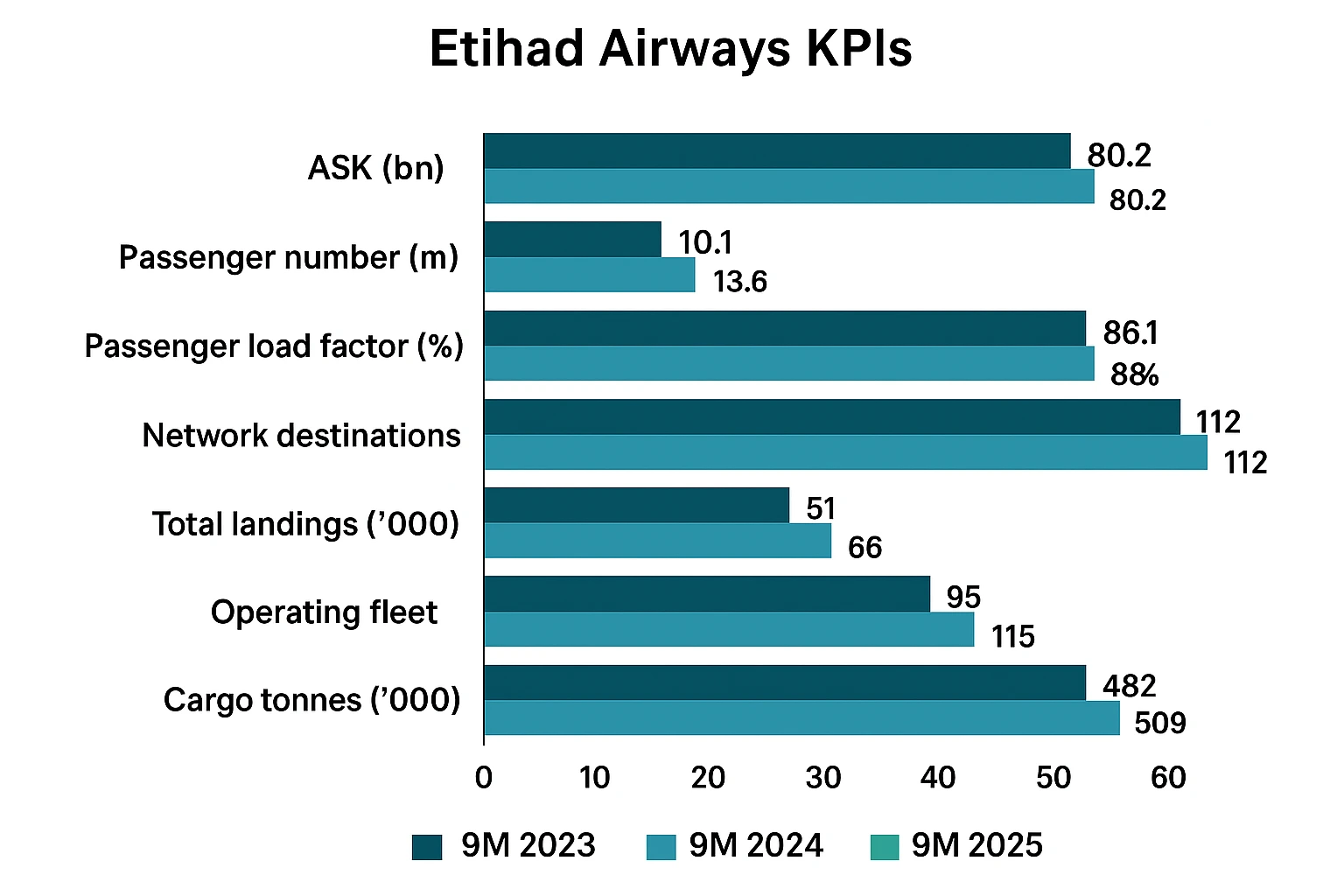
The comparison highlights Etihad Airways’ continued improvement across key financial and operational metrics, including revenue and unit performance. The airline’s growth has outpaced the wider market and contributed significantly to passenger growth in the UAE, reflecting its broader strategy of expanding its network, enhancing the customer experience and maintaining operational efficiency. CEO Antonoaldo Neves also attributed the results to the strength of the airline’s workforce, the growing appeal of Abu Dhabi as a global destination and continued support from its passengers.
| Main financial KPIs | 9M 2025 (US$ m) | 9M 2024 (US$ m) | 9M 2025 (AED m) | 9M 2024 (AED m) | Year-on-year |
|---|---|---|---|---|---|
| Revenues | 5,904 | 5,001 | 21,681 | 18,368 | 18% |
| Passenger | 4,945 | 4,132 | 18,159 | 15,176 | 20% |
| Cargo | 875 | 808 | 3,215 | 2,968 | 8% |
| EBITDA | 1,180 | 931 | 4,335 | 3,417 | 27% |
| Profit after tax | 463 | 368 | 1,702 | 1,351 | 26% |
| EBITDA Margin (%) | – | – | 20% | 19% | +1pp |
| Profit Margin (%) | – | – | 8% | 7% | +1pp |