On 17th November 2025, Qantas Airways (QF) extended Airbus A321XLR service to the Brisbane Airport (BNE)–Sydney Kingsford Smith Airport (SYD) route, building on the aircraft’s initial entry into Qantas service on Sydney-Melbourne and Sydney-Perth flights two months earlier.
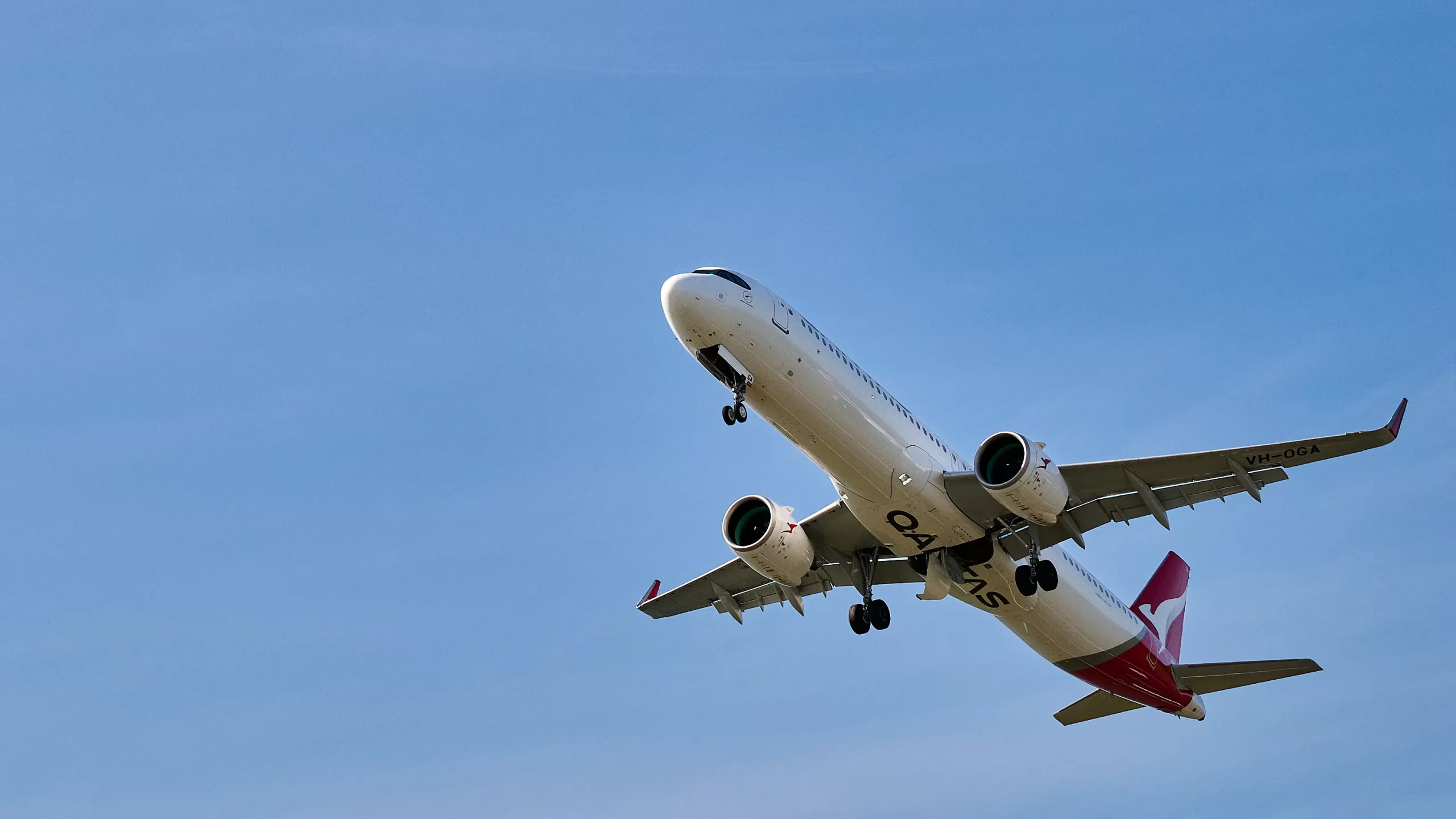
What is new for Qantas (and its A321XLR) at Brisbane?
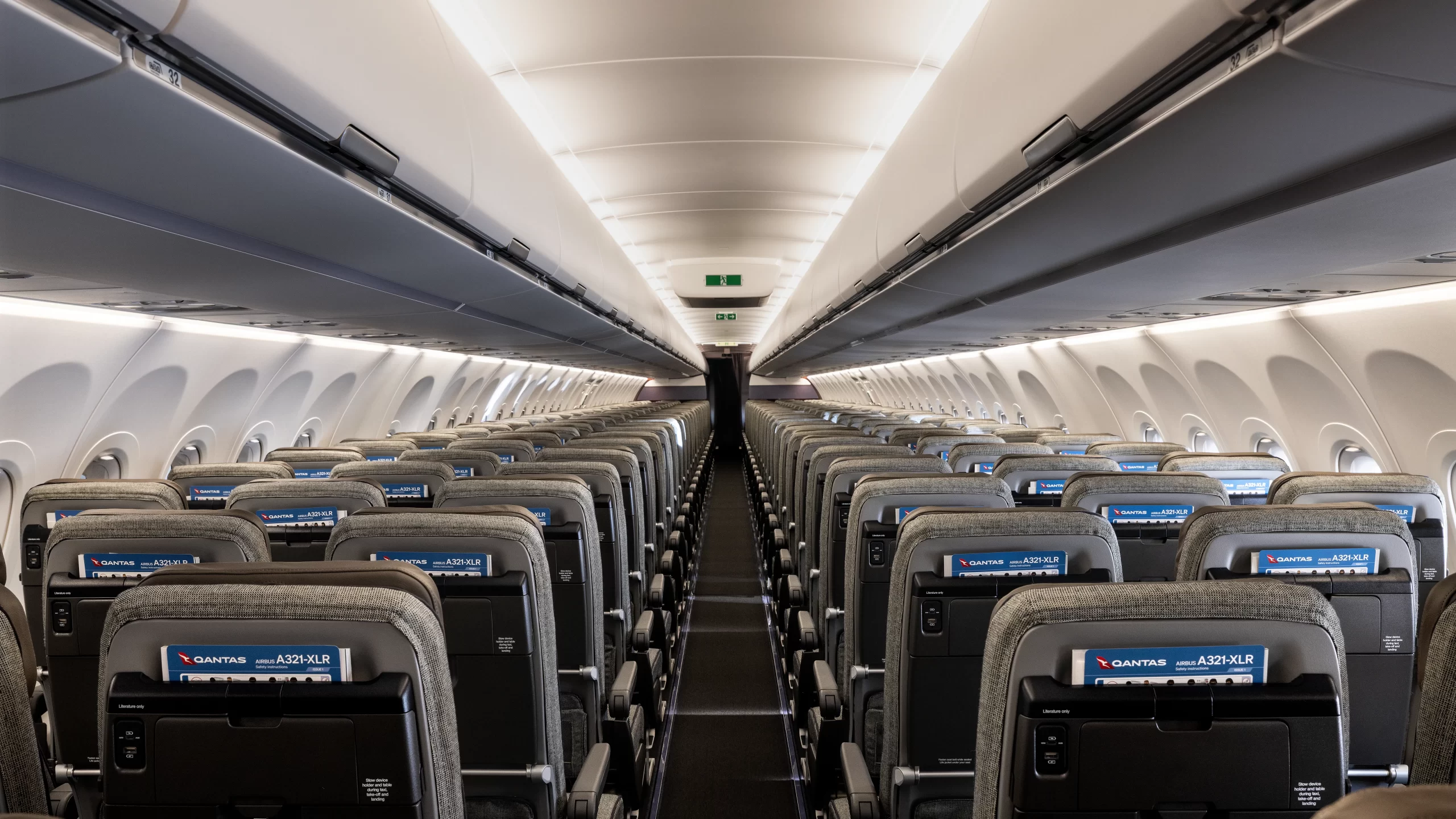
Qantas’ A321XLR flying daily between Brisbane and Sydney aims to offer both superior comfort:
- Larger windows
- Higher ceilings
- Fast and free Wi-Fi
- wider and longer cabin than Qantas’ Boeing 737s
- Space for approximately 60 percent more baggage in its overhead bins
The aircraft will also have significant environmental gains, which is largely due to its Pratt & Whitney PW1100G-JM geared turbofan engines and lightweight materials, and as a result the A321XLR burns less fuel per seat
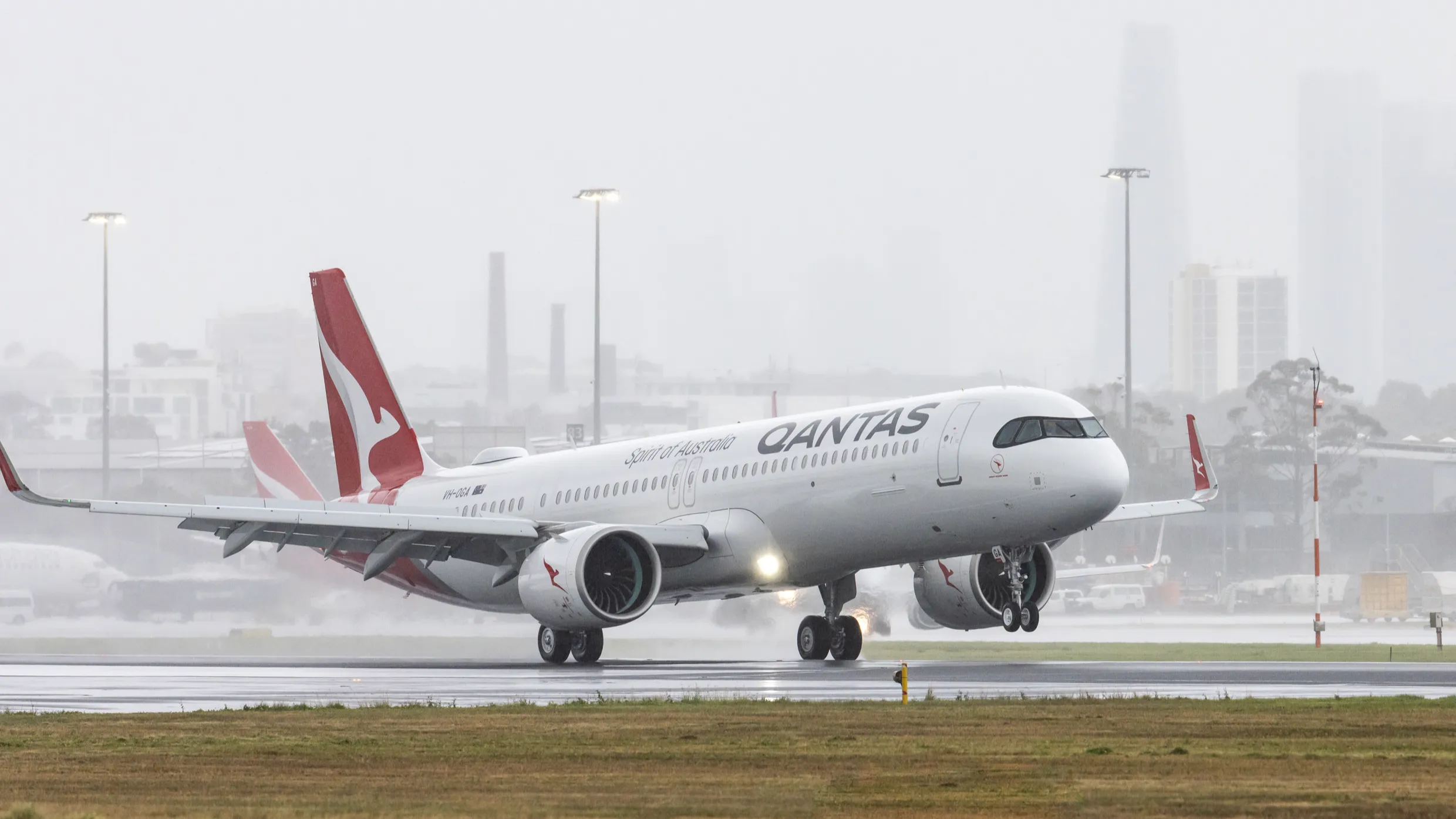
Qantas currently has 48 A321XLRs on firm order, of which 16 will be configured with lie-flat business-class seats for transcontinental and short- to medium-haul international routes. On the domestic front, Qantas plans to gradually phase out its Boeing 737-800s with the XLR offering.
Qantas Domestic Chief Executive Markus Svensson hailed the deployment as particularly meaningful, noting that Queensland is “where Qantas was founded” over a century ago, and that the XLR would help in the carriers sustainability goals and expects it to “be well received on our Sydney-Brisbane service, one of our busiest routes“.

How will Qantas’ fleet change with the introduction of the A321XLRs?
Qantas has two Airbus A321XLRs, which are no more than a year old, and help in the renewal of the carrier’s fleet.
| Reg | Config | Delivered | Aircraft Name | Age |
|---|---|---|---|---|
| VH-OGA | C20Y180 | Jun 2025 | Great Ocean Road | 0.6 Years |
| VH-OGB | C20Y180 | Aug 2025 | Outback Way | 0.3 Years |
Data: planespotters.net
These two aircraft and the other of this type that Qantas has ordered will help replace the Boeing 737s that Qantas operates. Qantas 777s are 17.4 years old and are the second oldest aircraft type in the fleet, only behind Airbus A330. 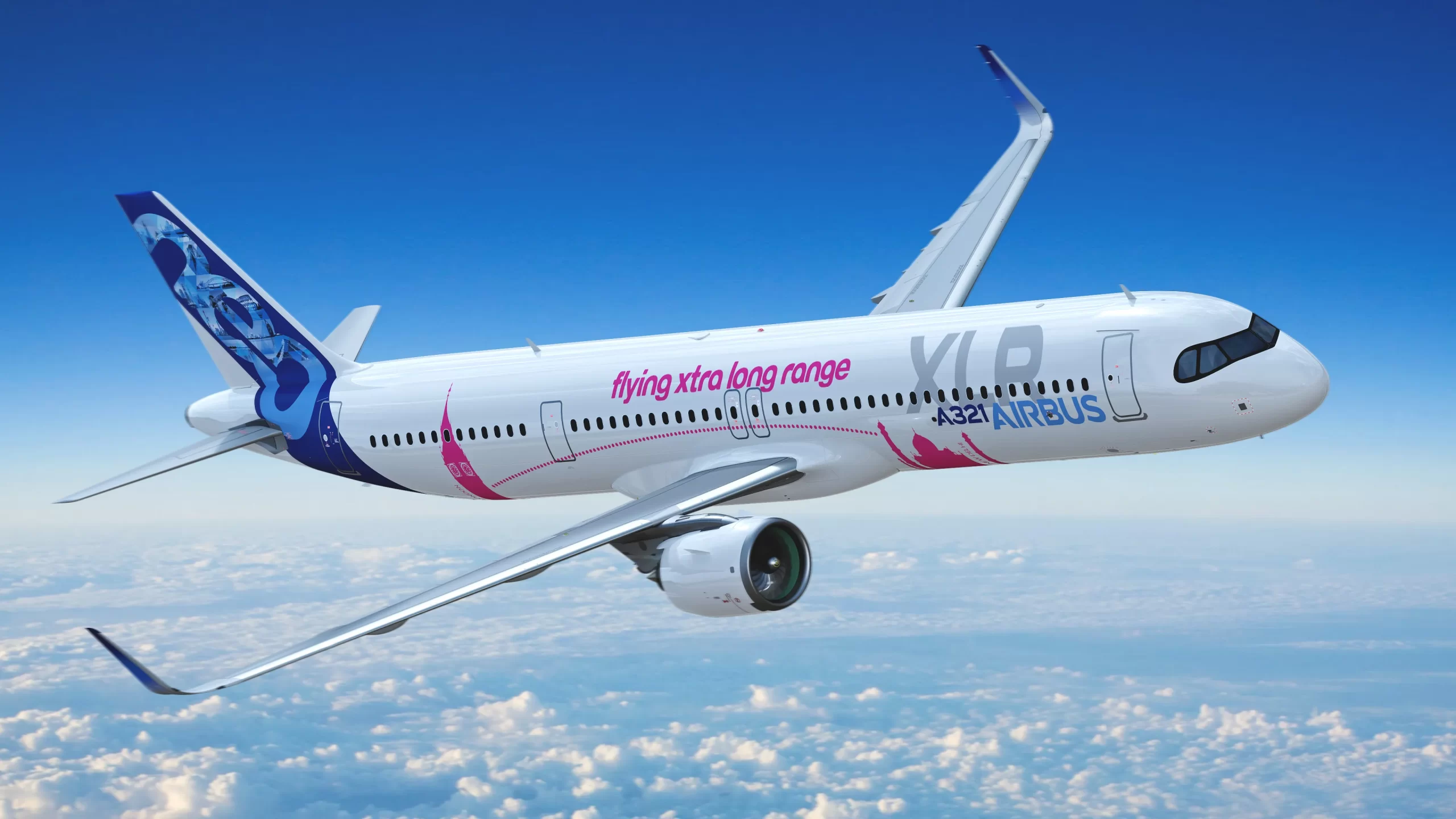
Photo: Airbus
Apart from the Brisbane Airport CEO Gert-Jan de Graaff remarked that the quieter engines benefit not only travellers but also the local community (after all, Airbus itself claims that the A321XLR has 50% less noise footprint). de Graaff linked this fleet renewal to a broader vision for a more sustainable future as Brisbane Airport celebrates 100 years:
“The introduction of this aircraft complements the transformation currently underway in our terminals. We’re investing in screening upgrades, expanded retail and dining options, and improved passenger facilities to create a world-class airport experience from check-in through to boarding.”
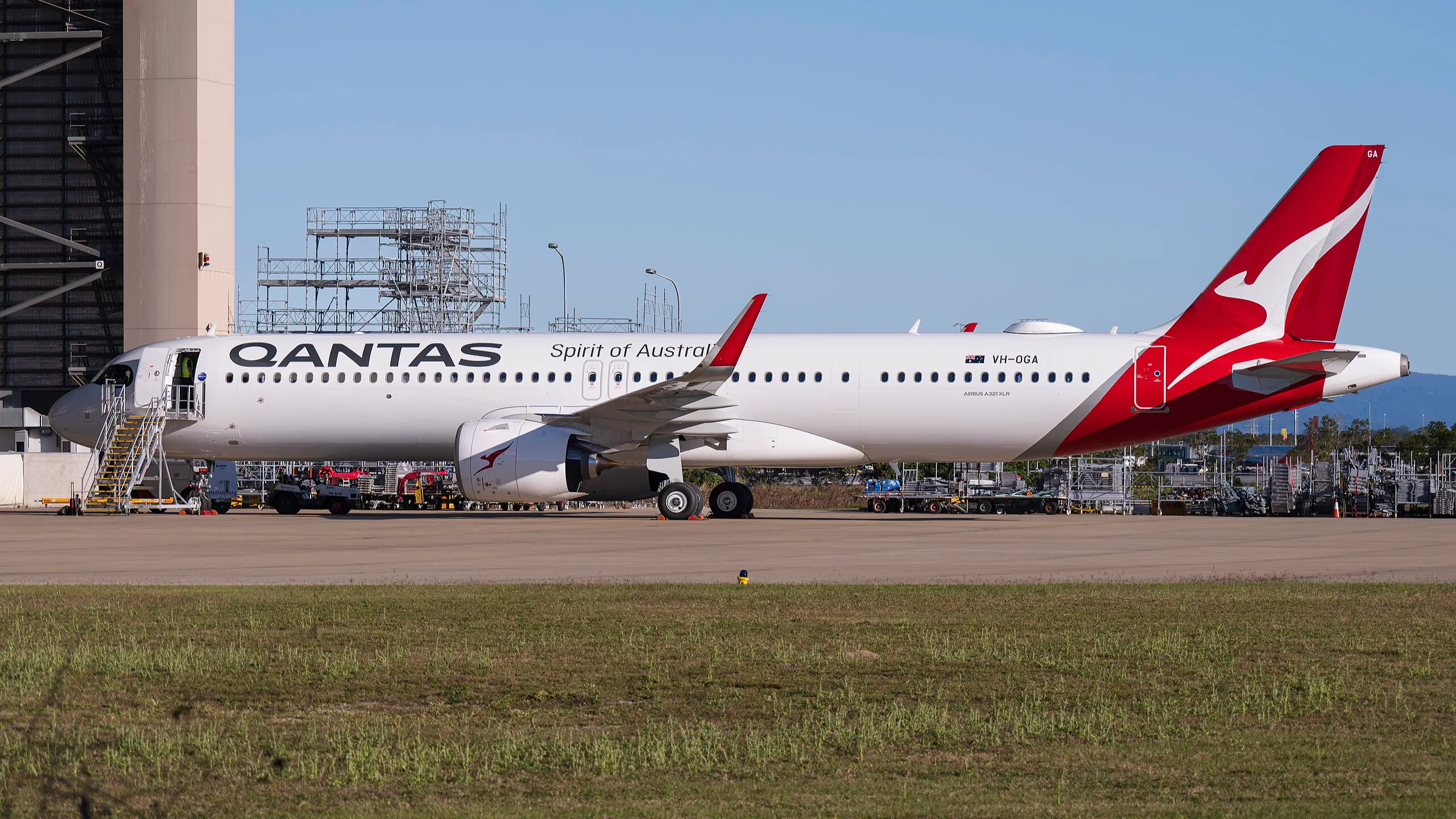
Qantas’ A321XLR that will operate the Brisbane-Sydney Route
The delivery flight of Qantas’ A321XLR registered VH-OGA and named “Great Ocean Road,” occurred on 2 July 2025 and became notable as the longest A321XLR delivery flight to date, as it made its journey from Hamburg via Bangkok to Sydney on 2 July 2025. The journey stretched 9,600 kilometers and the aircraft took 42 door to door hours with 21 hours of flying time.
The first Qantas A321XLR commercial flights took place on 25 September 2025, marking the official launch of the aircraft on major domestic routes, including:
- Sydney–Melbourne
- Sydney–Perth
Qantas began its extensive pilot training for the A321XLR on August 2024, using the advanced CAE 7000XR simulator. Approximately 240 pilots and 2,000 cabin crew members were trained ahead of the aircraft’s entry into service. This preparation phase ensured that operational crews were ready for the new jet, according to Qantas Newsroom.
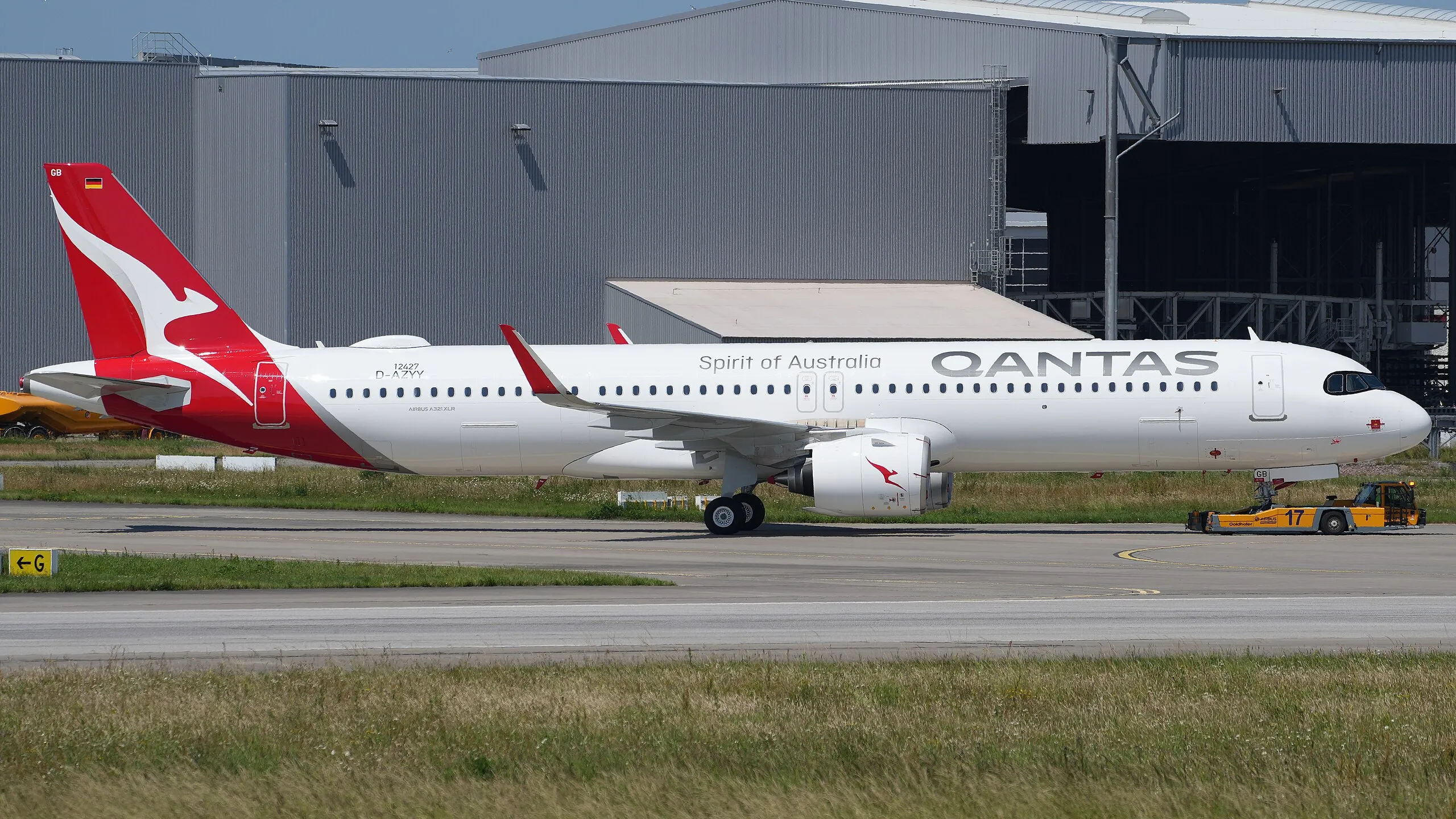
According to Airbus, the A321XLR is “the perfect route opener with lower risk for point-to-point operations”, and claims that this aircraft type that has 30% lower fuel burn and CO₂ emissions per seat.
All in All
Qantas’ deployment of the A321XLR on its Brisbane–Sydney route represents a step in modernizing its domestic network, something that a lot of carriers around the world are working towards. As the airline takes delivery of more aircraft, the A321XLR will likely reshape Qantas’ route network, offer greater number of Available Seat Miles (ASMs) for passengers and with its lower noise profile also aid the communities around where the airports it will serve are located around.



.jpg)