An airport slot is a formal permission that allows an airline to use an airport’s full infrastructure to arrive or depart at a specific time and date. The International Air Transport Association (IATA) defines it as “a permission given by a coordinator for a planned operation to use the full range of airport infrastructure necessary to arrive or depart at a Level 3 airport on a specific date and time.”
Slots exist because demand for flight times at busy airports far exceeds the available capacity, making a fair and structured allocation system essential for global aviation. The slot system affects airlines, passengers, and airport operators around the world.
As of summer 2025, there were 215 slot-coordinated airports worldwide, and approximately 43 percent of all passengers globally depart from a slot-coordinated airport. On average, nine new airports are declared Level 2 or Level 3 each year, reflecting the growing mismatch between airport capacity and passenger demand.
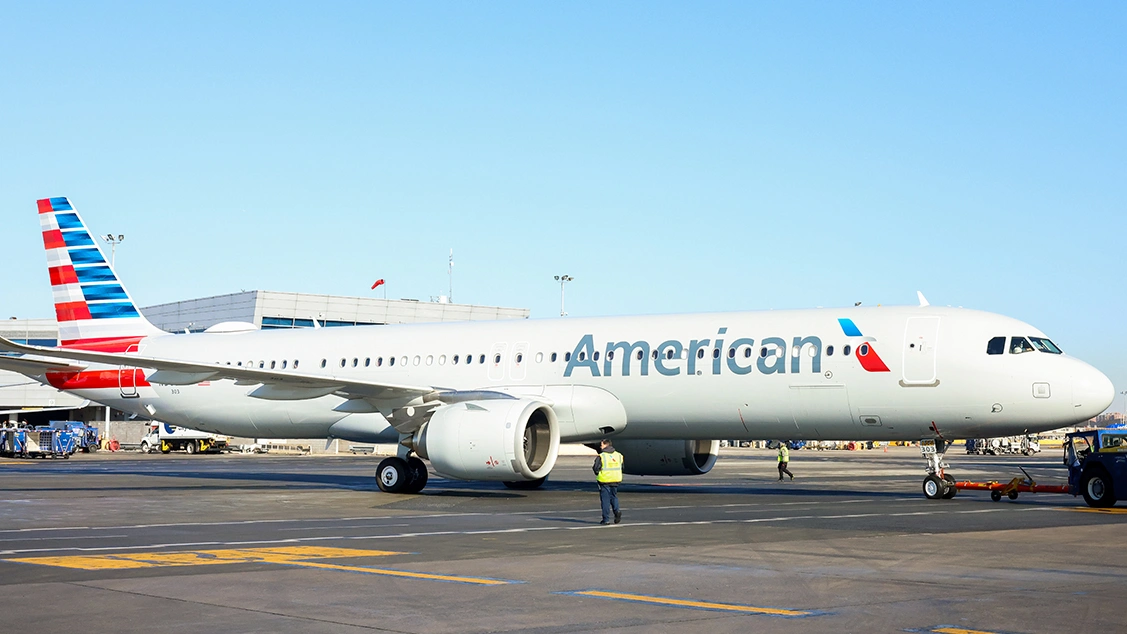
Allocating Airport Slots Began After World War II
Airlines have coordinated their schedules under the auspices of IATA since 1947, initially through bilateral timetable discussions aimed at improving interline connections and handling arrangements. The first biannual Timetable Coordination Meeting was convened by IATA in 1948, attended by just three airlines: BEA, Alitalia, and Air France. With the rapid growth of commercial aviation, congestion emerged at major airports in the early 1960s.
IATA broadened the scope of slot discussions to manage anticipated delays to an acceptable level. The Worldwide Airport Slot Guidelines (WASG), which is the cornerstone of global slot coordination, were first published in 1976 and have since been revised 33 times to reflect changing industry needs.

Understanding Level 1, 2, and 3 Airports to Understand Slots
IATA classifies all airports worldwide into three levels based on their capacity relative to demand. The three levels are defined as follows:
Level 1 (non-coordinated):
Capacity is adequate to meet demand. No slot allocation is required.
Level 2 (Schedules Facilitated):
There is potential for congestion, particularly at peak times. Airlines voluntarily submit schedules to a facilitator to assist with planning and avoid bottlenecks. Participation is not mandatory, but non-participants may face penalties if the airport is later reclassified as Level 3.
Level 3 (Coordinated):
The airport is highly congested. Every airline must hold an allocated slot for both arrival and departure. Independent slot coordinators manage all allocations. As of the summer 2022 scheduling season, there were 156 Level 2 airports and 195 Level 3 airports globally. By summer 2025, the number of Level 3 coordinated airports had grown to over 215.
- Well-known Level 3 airports include:
New York John F. Kennedy International Airport (JFK) - London Heathrow Airport (LHR)
- Amsterdam Airport Schiphol (AMS)
- Paris Charles de Gaulle Airport (CDG)
- Melbourne Airport (MEL)
- Beijing Capital International Airport (PEK)

Who Governs Airport Slot Allocation?
Three key stakeholders govern the global slot coordination process. According to IATA, those three stakeholders are airlines, airports, and independent slot coordinators.
The Worldwide Airport Slot Board (WASB) — made up of seven members each from IATA, Airports Council International (ACI), and the Worldwide Airport Coordinators Group (WWACG) — oversees the WASG and ensures it reflects globally accepted best practices.
Independent slot coordinators sit at the centre of the process. At London Heathrow Airport (LHR), slot allocation, exchange, and trading are managed by Airport Coordination Limited (ACL). In the United States, the Federal Aviation Administration (FAA) governs slots at the three designated Level 3 US airports: JFK, New York LaGuardia Airport (LGA), and Ronald Reagan Washington National Airport (DCA). The mix of public and private institutions illustrates that slot governance varies significantly by country and region.
The IATA Slot Conference (ISC) serves as the main industry forum for slot allocation. The conference has taken place since 1948 and today attracts over 1,300 delegates representing more than 250 airlines and 300 capacity-constrained airports. It is held twice yearly:
- in June for the upcoming northern hemisphere winter season
- in November for the following summer season.
Here are the objectives of the slot allocation as noted by IATA:
| Core objective | Explanation |
|---|---|
| Improve passenger and cargo choices | by boosting connectivity and competition at congested airports for passengers and cargo. |
| Provide convenient and reliable schedules | that meet demand, remain consistent across seasons, and are operationally reliable. |
| Ensure fair and transparent slot allocation | through an independent slot coordinator acting in an open, non-discriminatory manner. |
| Maximise airport capacity utilisation | and promote regular reviews of capacity and demand for seasonal slot allocation. |
| Balance access between airlines | ensuring fair opportunities for both existing carriers and new entrants. |
| Enable operational flexibility for airlines | to respond to regulatory changes and shifting market demand conditions. |
| Reduce congestion and delays | at busy and capacity-constrained airports. |

How Are Airport Slots Allocated?
Slot allocation begins approximately one year before the relevant scheduling season. According to IATA, the process follows three main rules applied in sequence.
Step 1 — Historic Precedence (Grandfather Rights)
An airline that used a slot series in the previous equivalent season retains the right to that slot in the new season. These are called grandfather rights, and they are automatically renewed provided the airline meets the usage threshold. Historic slots may not be withdrawn to accommodate new entrants or any other category of operator.
Step 2 — The 80/20 Rule (Use It or Lose It)
To retain a historic slot, airlines must operate it for at least 80 percent of the scheduled season. If an airline falls below this threshold, the slot returns to the pool for reallocation. At highly congested airports such as Heathrow, utilization rates typically reach 95–98 percent, well above the minimum requirement, reflecting the intense demand for slots.
Step 3 — The Slot Pool
Slots that are returned, surrendered, or newly created form a pool. Of this pool, 50 percent must be allocated to new entrant airlines, and the remaining 50 percent to non-new entrant requests.
A new entrant is currently defined as an airline holding fewer than seven slots at that airport on a given day, a threshold raised from five slots under a recent update to the WASG to improve access for smaller carriers.
The WASG also includes a secondary criterion giving priority to requests that have spent longer time on the waitlist, further helping carriers that have been unable to gain entry at an airport in previous seasons.
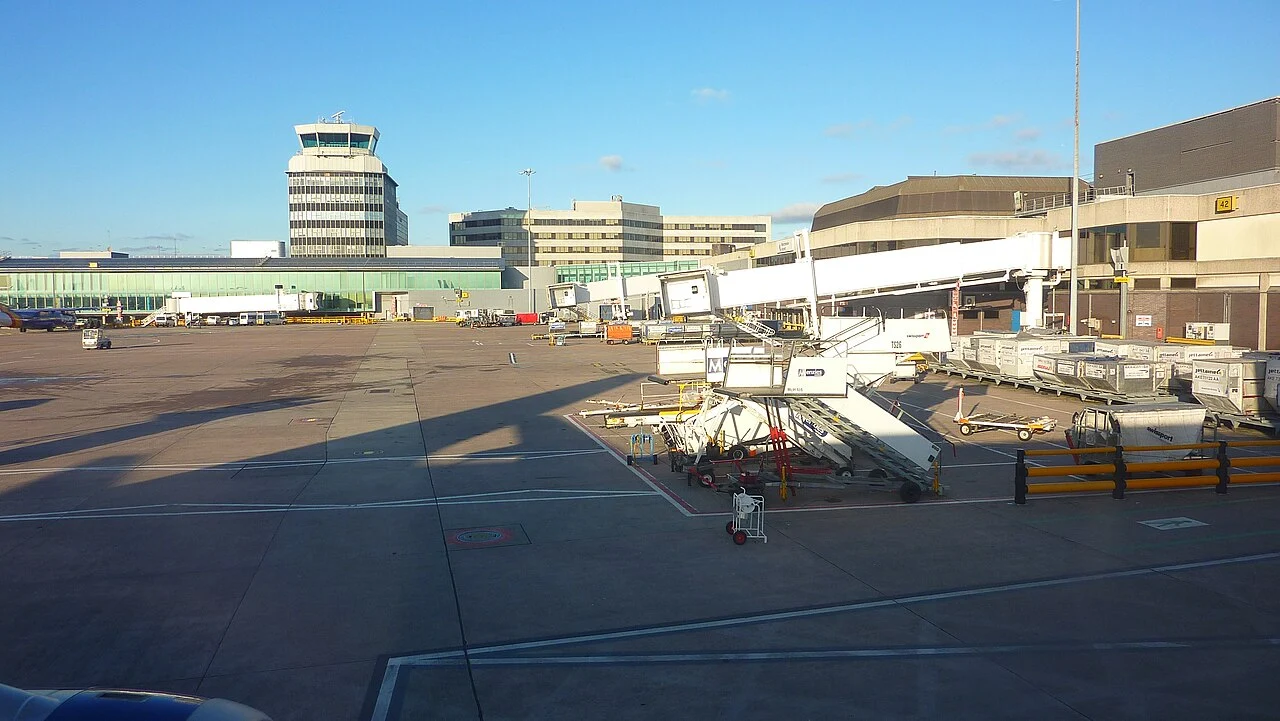
The Worldwide Airport Slot Guidelines
The WASG is jointly published by IATA, ACI, and the WWACG and sets a single global standard for slot management. It is continuously updated to reflect best practices, with the most recent edition incorporating significant changes to new entrant definitions, performance monitoring, and allocation priorities.
The prime objective of the WASG, as stated by IATA, is “to ensure the most efficient declaration, allocation and use of available airport capacity in order to optimize benefits to consumers, taking into account the interests of airports and airlines.”
Within the European Union, slot allocation is also governed by EU Council Regulation No. 95/93, which is legally binding and applies to all community airports. While the EU rules broadly align with the WASG, there are minor differences; the WASG remains the globally accepted standard outside EU jurisdiction.