Aircraft maintenance engineers with an EASA Part 66 licence are being recruited across Europe, the Gulf, and Asia in 2026, as airlines and maintenance, repair and overhaul (MRO) firms race to replace a retiring workforce. The European Union Aviation Safety Agency (EASA) issues this licensing framework, which lets holders inspect, maintain, and formally release aircraft back into service. Boeing’s 2025 Pilot and Technician Outlook puts global demand at 710,000 new maintenance technicians over the next 20 years, while Airbus separately projects 705,000, and both figures point to the same structural problem: an ageing workforce that is retiring faster than new engineers can be trained.
The shortage is already reshaping hiring at major carriers. Gulf airlines such as Emirates (EK) and Etihad Airways (EY) are actively recruiting EASA Part 66 holders into tax-free roles in Dubai and Abu Dhabi, while European operators warn that more than half their engineers feel underpaid and many are considering leaving the trade altogether. This article explains what the licence covers, what it costs in time and training, how much it pays across different regions, and why the career path has become one of aviation’s most urgent recruitment stories.
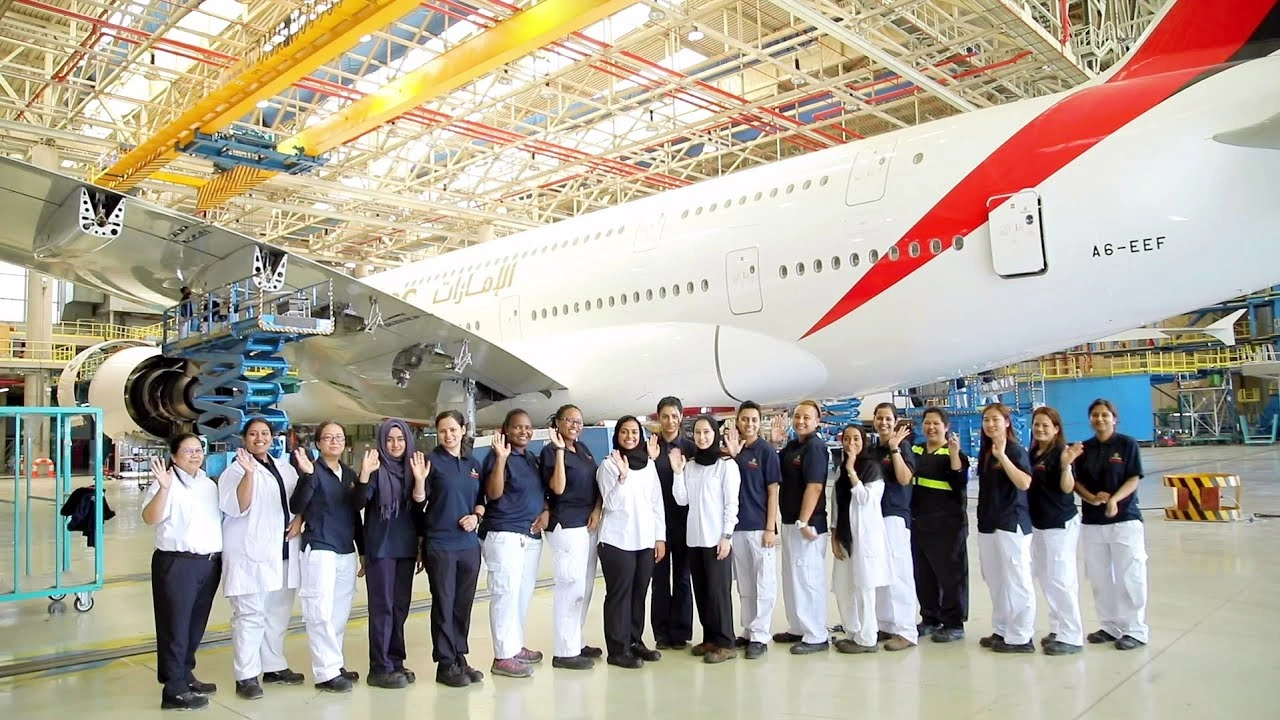
Training Pathways and How Long Qualification Takes
Most engineers qualify through an EASA-approved Part 147 training organisation, which combines classroom study, workshop practice and supervised on-the-job training. Part 147 training must provide a minimum of 800 training hours for Category A and 2,400 hours for Category B, split between theory and hands-on skills training at an approved maintenance organisation.
Experience requirements shrink for structured training and grow for informal routes. A Part 147 approved course requires one year of practical experience for Category A, a military background requires two years, and no formal training at all requires three years; the Category B experience requirements run roughly a year longer at each tier. Once training and experience are complete, candidates submit EASA Form 19 to the national authority that will issue their licence.
Industry veterans debate whether a degree-first or apprenticeship-first route works better. One senior engineer, a crew chief at Lufthansa Technik Philippines, argued in a widely shared LinkedIn post that new entrants should train on the job first, warning that graduates without apprenticeship experience risk becoming “unemployable as entry level mechanics” despite holding an advanced qualification. That view reflects a broader industry consensus that hands-on hours, not classroom hours alone, determine whether an engineer is hire-ready.
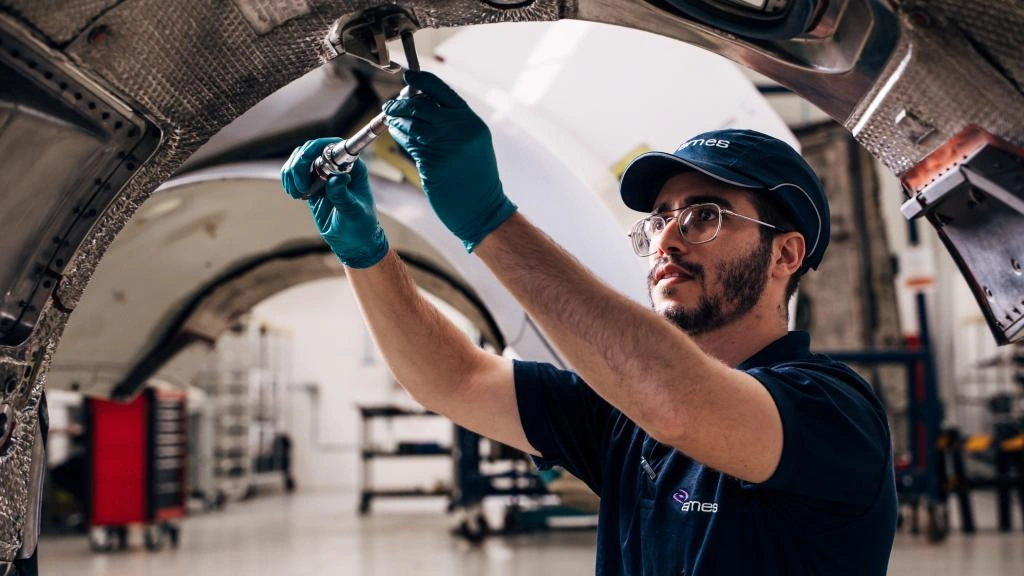
Why Global Demand for Licensed Engineers Is Surging
The scale of the coming shortage is unusual even by aviation’s cyclical standards. Boeing’s 2025 outlook breaks its 710,000-technician forecast down regionally, with Eurasia, including Europe, accounting for 167,000 technicians, representing 23 percent of global demand, while South Asia, Southeast Asia and Africa are the fastest-growing regions, with demand expected to triple over 20 years.
Multiple structural factors are converging at once. Roughly 27 percent of certified mechanics in North America are over 64 years old, with 80 percent of that group expected to retire within six years, and the pandemic caused early retirements that left approximately 5,000 fewer new mechanics entering the industry. Training capacity has not kept pace either, since about one-third of available aviation maintenance technician school seats remain unfilled, a gap the industry attributes to weak career awareness and instructor shortages.
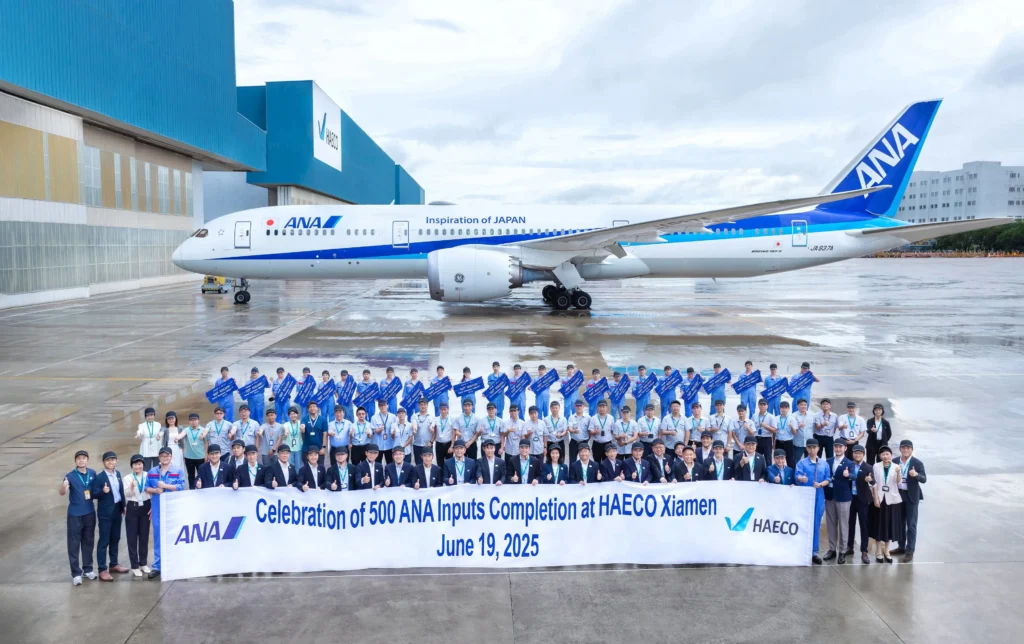
The United States shows the same pattern at a national level. Industry projections point to a deficit of 40,613 certificated mechanics by 2036, with the current workforce carrying a median age of 53 and roughly 40 percent approaching retirement within five years. The U.S. Bureau of Labor Statistics reported a median annual wage of $78,680 for aircraft mechanics and service technicians as of May 2024, and it separately projects steady annual job openings as retirements outpace new entrants.
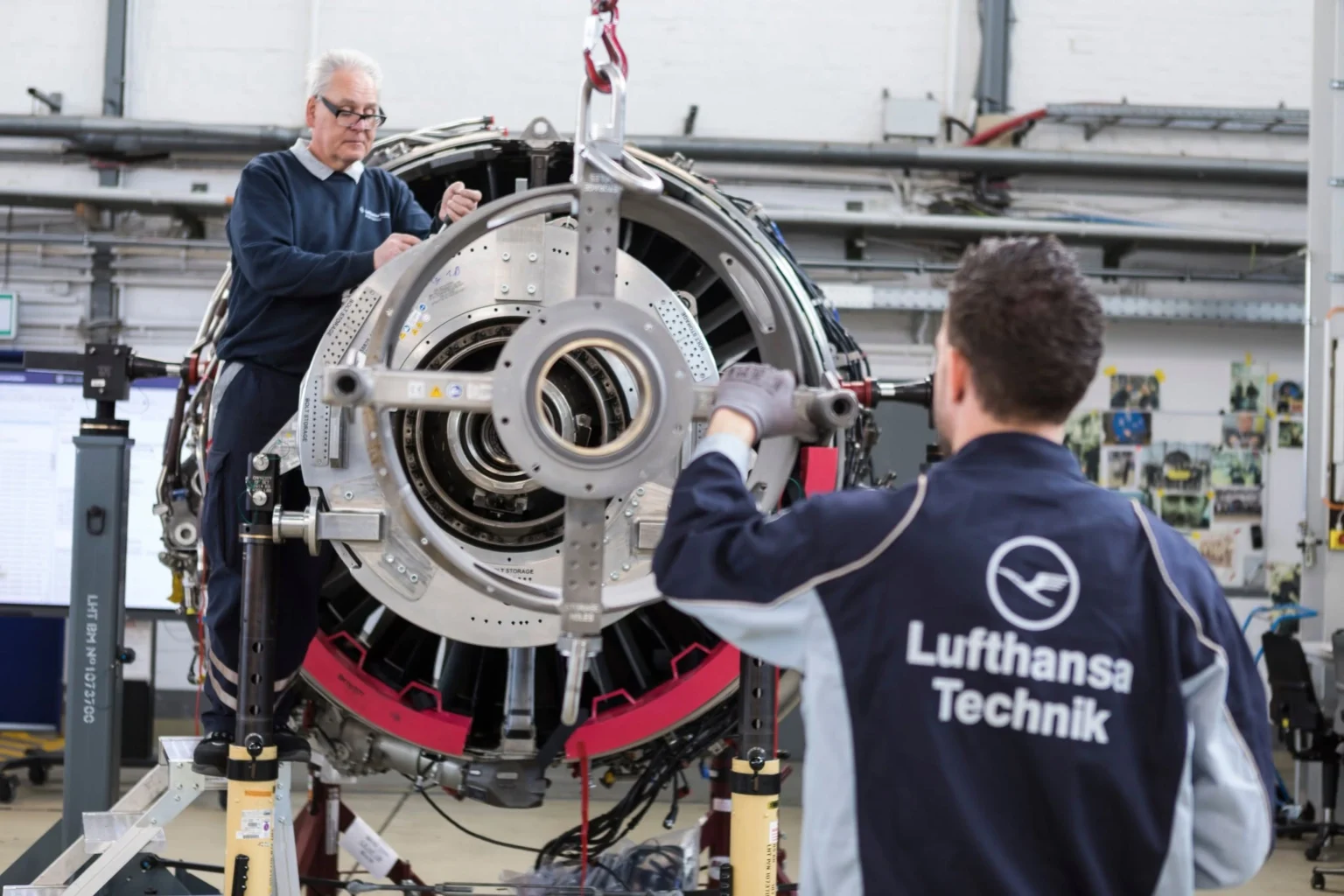
Salary Expectations Across Regions
Pay varies sharply by region, licence category and employer, but a few benchmarks stand out. In the United States, jet-qualified mechanics earn an average salary of $102,696, with a range starting at $82,715 and exceeding $129,598 depending on experience, licences and airline, according to Bureau of Labor Statistics data cited by Epic Flight Academy. The shortage itself is inflating pay further, with the same industry data pointing to signing bonuses of $5,000 to $15,000 and wage premiums of 15 to 25 percent in high-demand locations.
Gulf carriers offer a different value proposition built on tax-free income rather than headline salary alone. At Etihad Airways, engineers command a monthly salary range of AED 9,000 to AED 35,000, with typical averages around AED 16,000, and junior licensed engineers with basic type ratings earning AED 12,000 to AED 18,000 monthly.
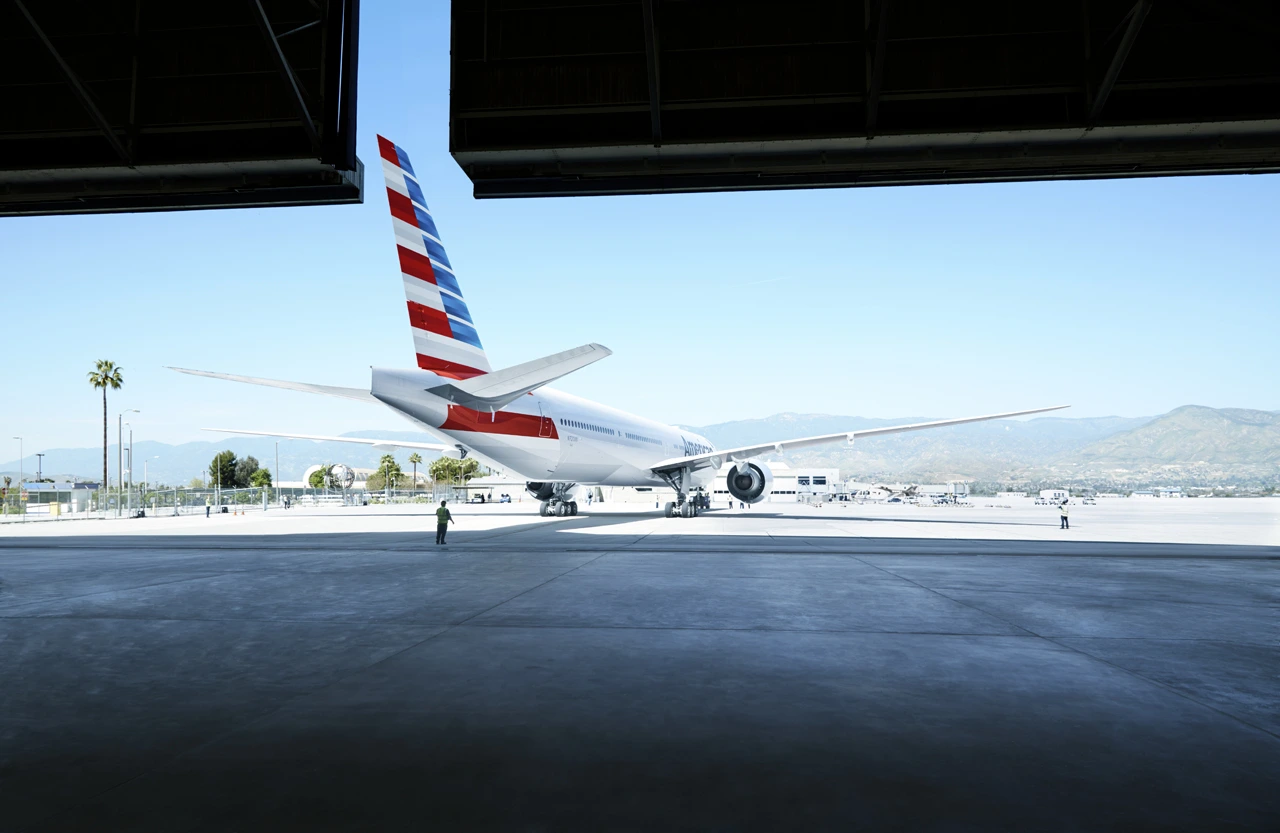
Etihad’s own recruitment listings confirm the licence requirement directly, stating candidates need a valid aircraft maintenance licence from the GCAA, EASA Part 66, or an ICAO type convertible to GCAA, alongside seven to ten years of maintenance experience.
Europe, by contrast, sits at the lower end of the global pay scale relative to responsibility. Industry surveys cited by Aviathrust found that 56 percent of European engineers feel inadequately compensated and 45 percent are considering leaving the profession entirely, a finding explored further below.
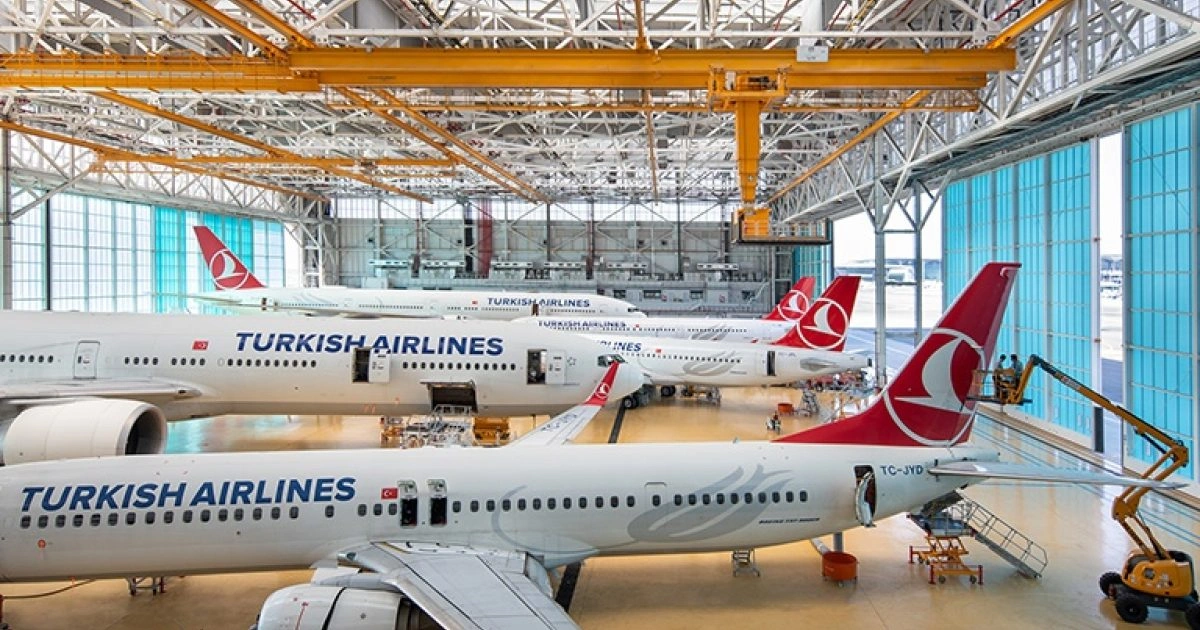
Gulf Carriers Are Recruiting Aggressively for Licensed Engineers
Emirates (EK) and Etihad Airways are among the most active recruiters of EASA Part 66 holders outside Europe, driven by rapid widebody fleet expansion. Emirates Engineering, the airline’s maintenance division, describes itself as one of the world’s most technologically advanced facilities and supports both the Emirates fleet and thirty other airlines through third-party maintenance contracts.
Etihad’s engineering arm, based at Abu Dhabi Zayed International Airport (AUH), has grown into a sizeable operation in its own right. Etihad Engineering employs around 2,000 professionals from around the world and covers airframe maintenance, component repair, overhaul services and technical training. The airline is expanding its widebody fleet toward 200 aircraft by 2030, which will require a proportional expansion of its certifying engineer headcount.
Recruitment pages at both carriers consistently list EASA Part 66 alongside GCAA licensing as an accepted qualification. A recent Etihad job posting specified candidates must hold two current Etihad aircraft type ratings across Boeing 777, 787, or Airbus 320, 350 and 380 families, with a minimum of seven to ten years of maintenance experience. That level of specificity signals how selective Gulf carriers can afford to be, even amid a global shortage.
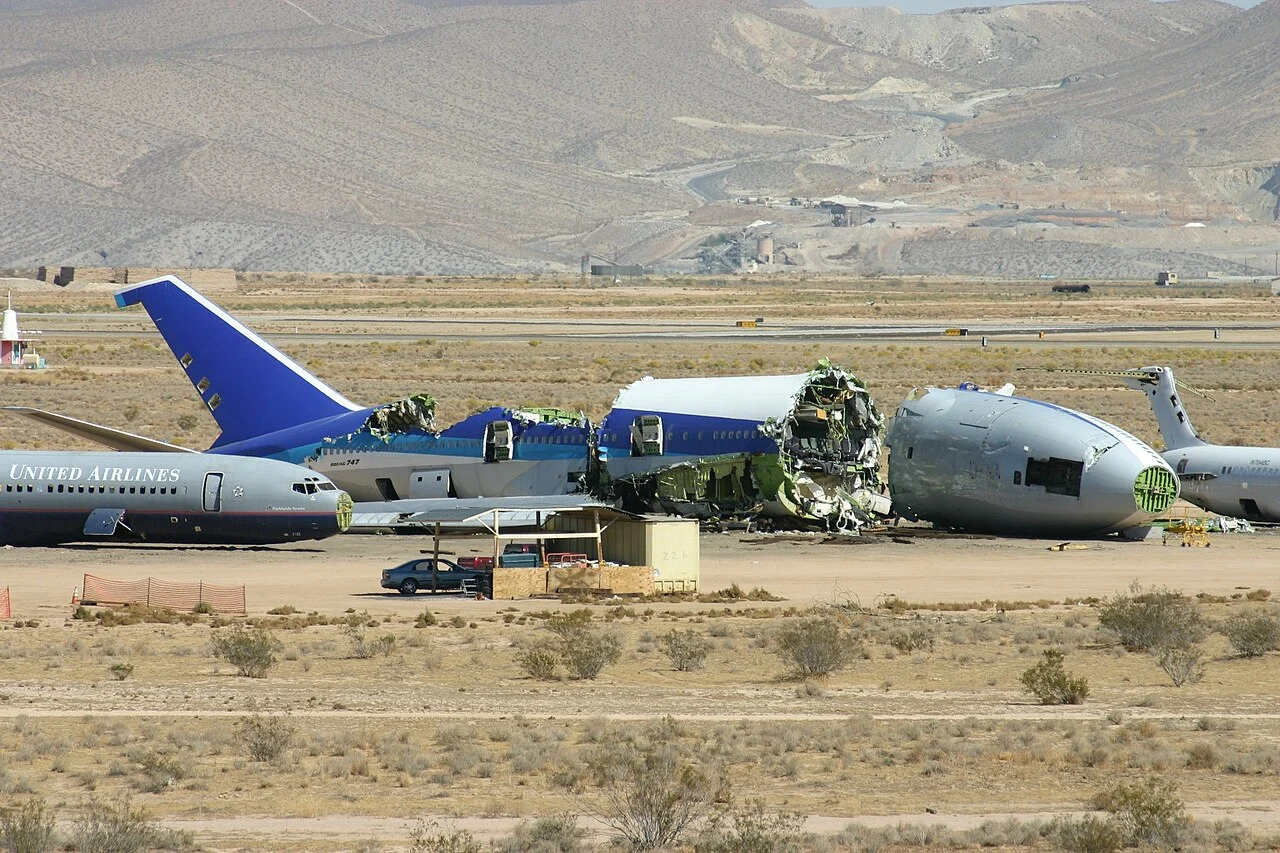
How To Start a Career with an EASA Part 66 Licence
Entry requirements are deliberately broad, since EASA prioritises demonstrated competence over a specific educational background. A strong foundation in mathematics, physics and engineering principles is expected, and a high school diploma with a science or technical focus typically meets the minimum bar.
Practical steps for someone starting today include:
- Researching Part 147 approved training organisations in the target licensing country
- Choosing a category, B1.1 mechanical or B2 avionics, before beginning modules, since switching later adds years
- Budgeting for 800 to 2,400 training hours depending on category, plus logged practical experience
- Applying to the relevant national aviation authority using EASA Form 19 once modules and experience are complete
- Researching type-rating requirements at target employers, since airlines like Etihad require type ratings on specific aircraft before hiring senior engineers
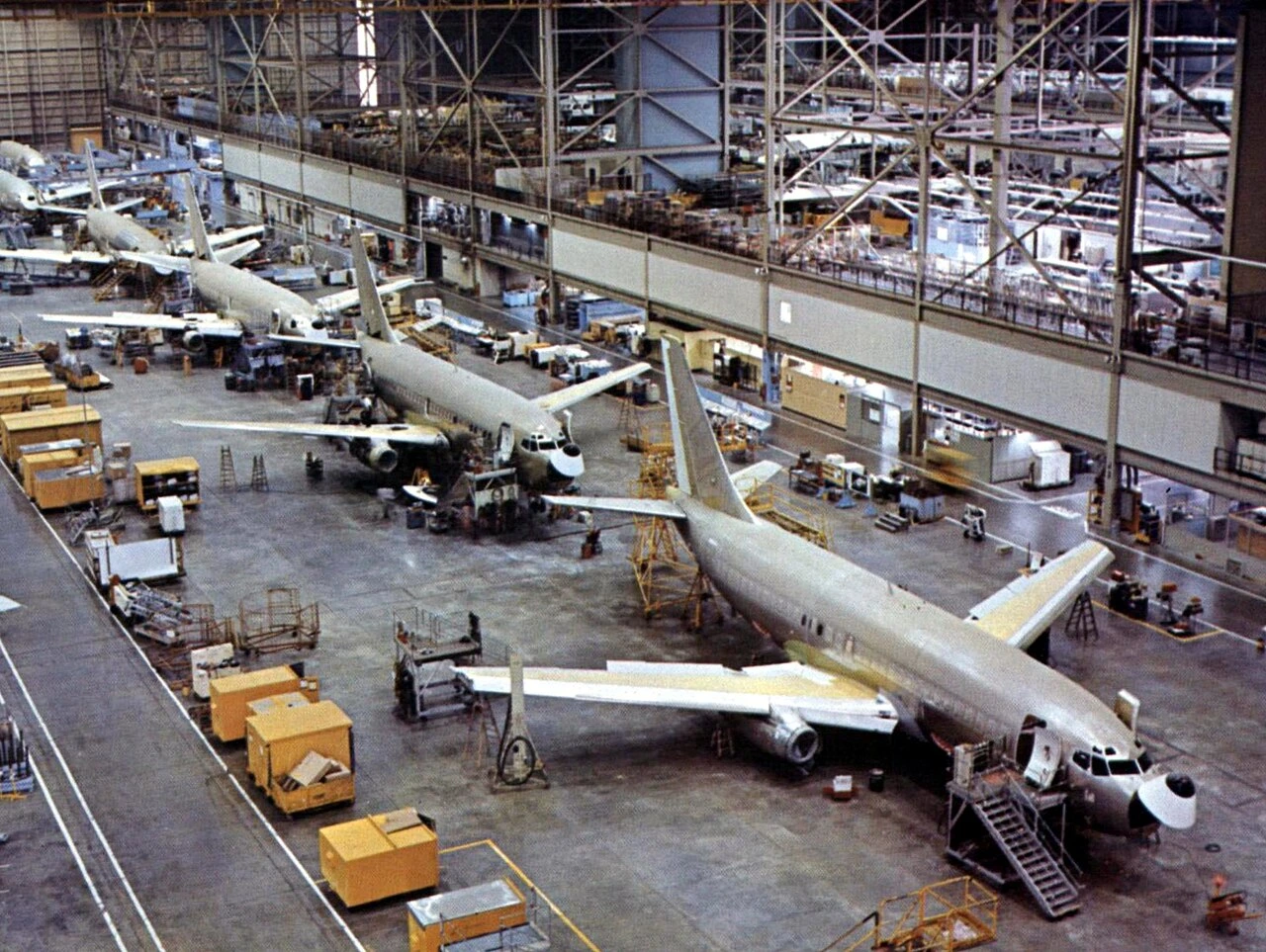
The path is long, typically five to seven years from a standing start to a fully type-rated licence, but the payoff is a qualification recognised well beyond Europe’s borders. With Boeing and Airbus both forecasting demand in the hundreds of thousands over the next two decades, the licence looks less like a niche technical credential and more like a passport into one of aviation’s most stable, and increasingly well-paid, career tracks.


.jpg)
.jpg)