The conventional wisdom about last-minute flight deals is built on assumptions that no longer reflect how airline pricing algorithms actually work in 2026 — and following outdated advice will reliably cost more money, not less. Expedia’s 2026 Air Hacks Report, drawing on millions of data points and released in February 2026, confirmed a fundamental shift: Friday has replaced Tuesday as the cheapest day to both fly and book, driven by business travellers departing midweek and returning Thursday, which frees up Friday inventory at lower prices.
The report also confirmed that August is the most affordable month to travel internationally, with flights averaging 29 percent cheaper than December and saving travellers approximately USD 120 per ticket.
Airfare pricing has changed materially since 2022 through three converging forces: AI-driven dynamic pricing models that re-price tickets every few minutes, post-pandemic demand recovery that pushed Gulf-Asia routes 9 percent higher in Q1 2026, and the near-complete adoption of yield management systems so sophisticated that the window between “too early” and “too late” to book cheaply has narrowed to specific measurable periods backed by millions of data points.
What has changed is the specific mechanics: the tools that operationalise flexibility have grown dramatically more sophisticated, the points-and-miles ecosystem has emerged as the primary arena for genuine last-minute savings, and data from Expedia, Google Flights, Hopper, and CheapAir now provides actionable booking windows precise enough to replace the rule-of-thumb advice that dominated earlier guides.

What Google Flights and Expedia Data Reveal About Flight Booking
The single most important advance in consumer airfare research over the past three years is the accumulation of large-scale empirical data on the relationship between booking lead time and fare price.
Google Flights data, as reported by The Everygirl’s April 2026 flight booking guide, identifies the optimal domestic booking window at 23 to 51 days before departure — with the sweet spot at 39 days — and the optimal international window at 49 days or more. Booking inside 14 days of departure for domestic travel carries a 20 to 35 percent premium over the optimal window, per CheapAir’s 2026 study cited by Truescho — confirming that the romanticised last-minute cash deal is not merely less likely than it used to be, it is now reliably more expensive.
The Points Guy’s May 2026 best booking time analysis, which synthesised the Google, Expedia, and Hopper datasets, found that midweek travel remains structurally cheaper than weekend travel — with Monday through Wednesday departures approximately 13 percent cheaper than weekend departures according to Google’s 2025 report, and NerdWallet’s 2026 Expedia data analysis confirmed Tuesday is the cheapest day to fly at 14 percent below Sunday prices.
For travellers who cannot control their departure day, the key actionable insight is that paying a layover penalty, such as choosing a connecting itinerary over nonstop, saves an average of 22 percent across domestic routes, per Google Flights’ own published data. A traveller who combines the optimal booking window, a midweek departure, and a connecting routing can save 35 to 45 percent against a last-minute weekend nonstop booking on the same route.
There is some debate as to which of the two between Google Flights and Skyscanner helps find cheaper flights, but analysts say the fares might be country-dependent.
Flight Maps and Flexible Destination Search
The most underutilized feature in consumer airfare search is the geographic exploration map that Google Flights, Skyscanner, and Kayak all offer at no cost. Setting your home airport and travel dates and allowing the map to display fares to every reachable destination simultaneously transforms a constrained “flight to City X” search into an open “cheapest flight from here” optimisation. This is a framing that gives the algorithm maximum latitude to surface genuinely discounted inventory.
In 2026, Google Flights has extended this capability with an “Explore” feature that allows travellers to specify interests — beaches, wildlife, food culture, mountains — and receive destination suggestions filtered by the currently cheapest available fares in that category. Expedia’s Flight Deals tool, which scans millions of flights daily to find routes priced at least 20 percent below their typically predicted price from any chosen departure airport, provides an alternative operationalisation of the same principle. Both tools are particularly powerful for last-minute searches because they surface routes on which airlines are actively managing unsold inventory.
Hopper’s price prediction algorithm, which Truescho’s 2026 analysis identifies as confirming Tuesday departures are 14 percent cheaper than Sunday departures, also notifies users when it detects an anomalous price drop on a watched route. This passive monitoring capability requires no active search after the initial setup.

How Red-Eye Flights and Off-Peak Travel Can Save You Money
Among the oldest pieces of budget travel advice, flying during undesirable hours remains genuinely effective. Expedia’s 2026 Air Hacks Report reported thay Friday is the cheapest day to fly economy, saving 18 percent compared to Saturday, while Thursday is the cheapest day for business class, saving 17 percent compared to Sunday.
The mechanism is business traveler behavior: as corporate travel patterns have shifted toward shorter trips with midweek departures and returns, Friday afternoon and evening flights that once carried premium pricing now reflect leisure-dominant demand, which is more price-sensitive and therefore attracts lower fares.
Red-eye and early morning departures retain their price advantage through a parallel mechanism: seats that an airline cannot fill with higher-yield day travelers get dynamically priced downward as departure approaches.
The practical implication is that travelers with genuine schedule flexibility should search specifically for departures between 5 and 7 a.m. and between 9 p.m. and midnight, filter by price, and compare the savings against any hotel or transit costs the inconvenient timing may generate.

Points And Miles Might Deliver Premium Seats
The most significant evolution in last-minute flight economics since 2021 is the emergence of the points-and-miles ecosystem as the primary arena for genuine last-minute premium travel savings. While cash fares for last-minute economy travel have become reliably expensive as AI pricing systems eliminate unsold inventory discounts, several major loyalty programmes systematically release premium cabin award space at the last minute specifically because they prefer miles redemption to flying empty business class seats.
Simple Flying’s March 2026 guide to last-minute business class awards confirmed that Lufthansa, SWISS, Austrian, United MileagePlus, Air Canada Aeroplan, and American AAdvantage are the programmes most consistently offering last-minute business class saver award space — typically within two to three weeks of departure, and sometimes within days.
The mechanics are explained by One Mile at a Time’s airline award release analysis: airlines release award seats when their revenue management systems determine that the probability of selling those seats for cash is sufficiently low that the opportunity cost of a miles redemption is acceptable.
Seats.aero, an aggregator that scans partner award space across dozens of programmes simultaneously, has become the definitive tool for last-minute business class award searches — MileValue’s September 2025 guide to last-minute award space recommends it as the first search step before checking any individual airline’s loyalty portal.
Budget Carriers and Hidden Flight Discounts Travelers Should Know
Beyond the algorithmic and points-based strategies, several structural market features persist in 2026 that the source article’s framework correctly identifies and that retain their validity with updated specifics.
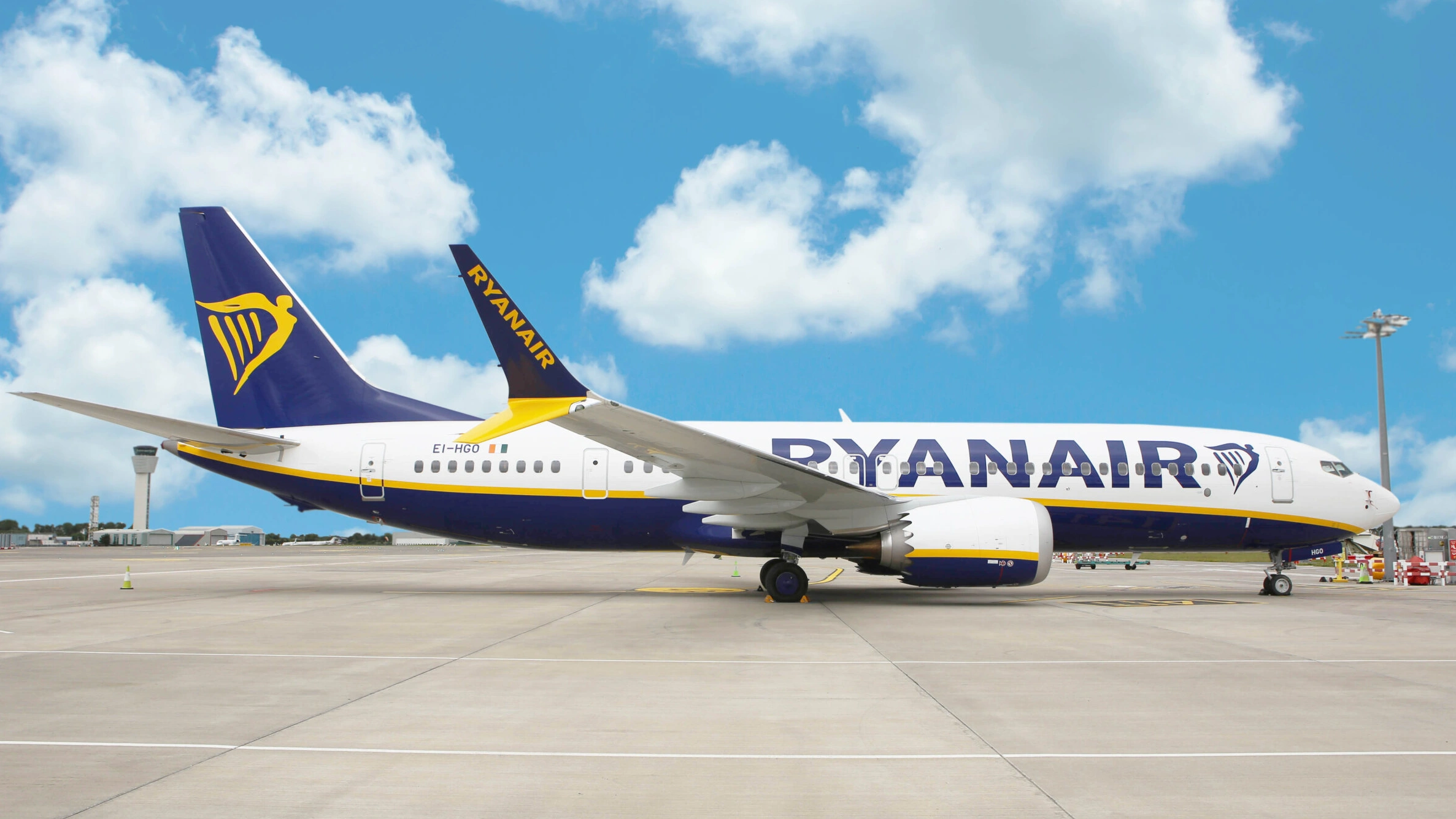
The budget carrier fee transparency issue is that the advertised fare frequently understates total cost by excluding checked bags, seat selection, and boarding pass printing. IdeaWorksCompany’s 2025 Yearbook of Ancillary Revenue confirmed global ancillary revenue reached USD 148.4 billion in 2024, making it essential that travellers compute the all-in fare — base price plus all mandatory and likely optional fees — before concluding that a budget carrier is cheaper than a legacy airline’s bundled offering.
Bereavement fares remain available through a small number of carriers, with Alaska Airlines continuing to offer discounted compassionate fares for immediate family bereavement. However, the booking requiring a phone call and documentation — typically the name of the deceased and contact details for the funeral home.
Setting Price Alerts and Using the Algorithm Against Itself
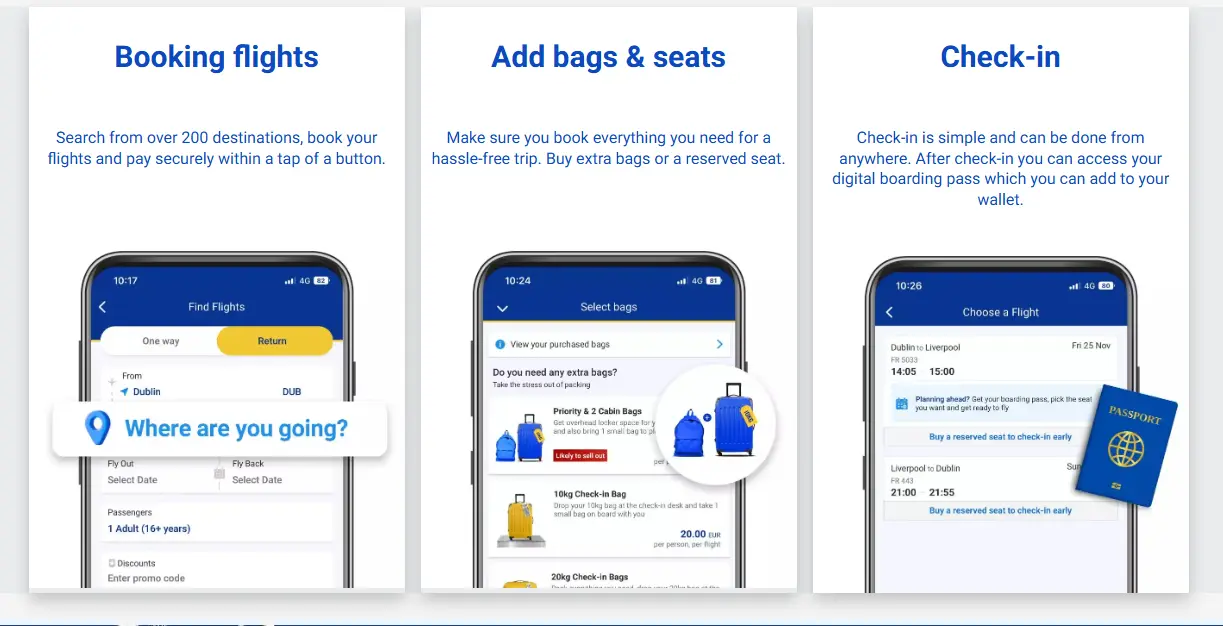
The most underutilised free tool in every budget traveller’s toolkit is the price alert — and in 2026, both Google Flights and Kayak have extended their alert capabilities significantly beyond simple threshold notifications. Google Flights’ price tracking feature, which can be activated for any specific route and date combination, sends email notifications when fares drop below a user-defined threshold or when the algorithm detects the current price is abnormally low relative to historical patterns for that route.
Kayak’s Price Alert and Price Forecast tools go further, with the forecast function explicitly advising whether to “buy now” or “wait” based on predicted near-term price movement.
The Points Guy’s booking time analysis confirms that for holiday travel specifically — Thanksgiving and Christmas in the U.S. context — the optimal monitoring start date is August, with the target book-by date around mid-October. The source quoted Lindsay Schwimer, a consumer travel expert at the booking app Hopper, who said:
“We tell people to start monitoring in August but our typical book-by date is mid-October.”
For routes with the least pricing history such as:
- newly launched routes
- seasonal servicesr routes dominated by a single carrier
……………price alerts provide the most value, because the historical baseline is thinner and genuine anomalous discounts are harder for the algorithms to anticipate.