

Delta Air Lines’ Flight 4819 crash landing at Toronto Pearson International Airport was one of the most recent air accidents, and a horrifying one at that. A month or so ago when the Sikorsky UH-60 Black Hawk, based at Fort Belvoir, Virginia crashed with the American Airlines Flight 5342 killing all 67 people aboard both aircraft, it was the first major crash in the US for sixteen years.
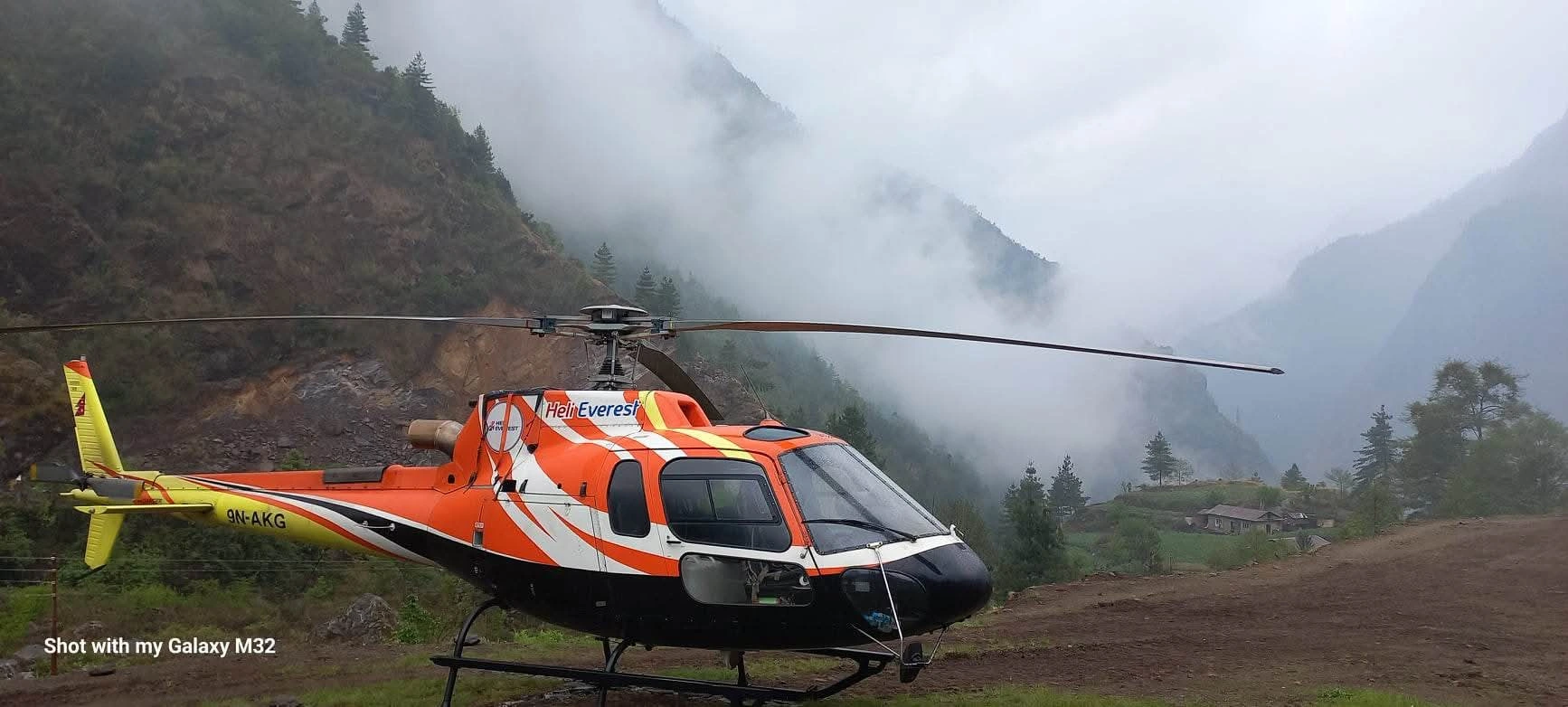
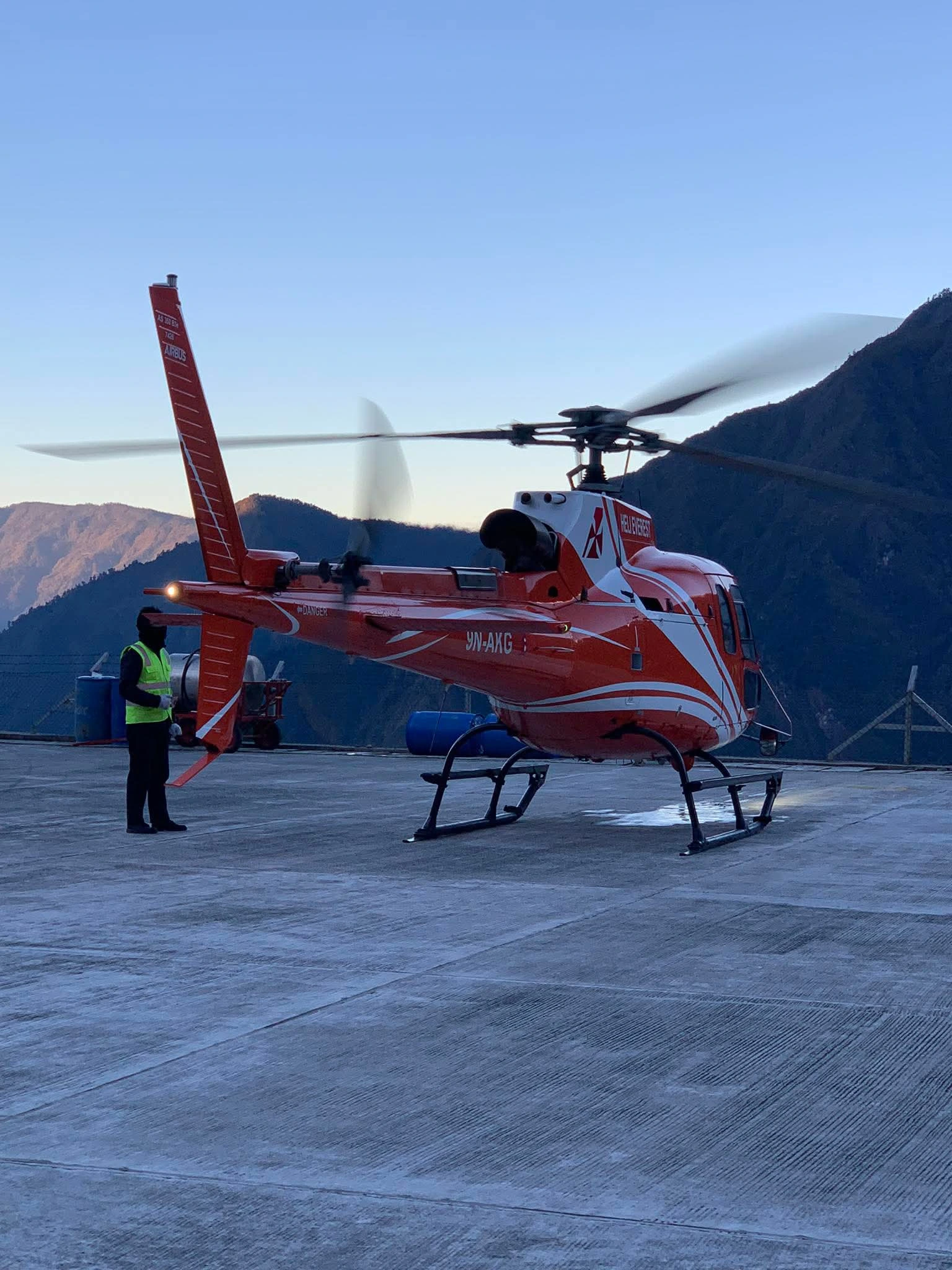
In the nation Nepal, which is home to STOLports such as the Hillary (Lukla) Airport, a fatal aircraft crash (of Yeti Airlines Flight 691 ) took place in January 2023, followed by Saurya Airlines’ CRJ 200LR’s crash in 2024. Between this time, the nation saw a number of helicopter accidents – the most notable of which was the crash of a chopper of Air Dynasty – one of the significant air service providers in Nepal. Other incidents were the crash of Simrik Air’s chopper in Shankhuwashabha, the incident involving the only Nepalese female helicopter pilot Priya Adhikari in the Dhaulagiri Base Camp, among others.

Photo: Karan Bhatta | aviospace.org
Standing against a backdrop of such circumstances, one wonders if helicopters are safer than planes.
A brief look at the comparison of the accident rates of helicopters and planes
A useful starting point for comparing helicopter and airplane safety is the term “accident rate.” In aviation, this refers to the number of accidents relative to the number of flights operated over a given period, and it is commonly expressed as accidents per million flights. This provides an estimate of the risk of experiencing an accident on an individual flight.
Accident Rate of Planes
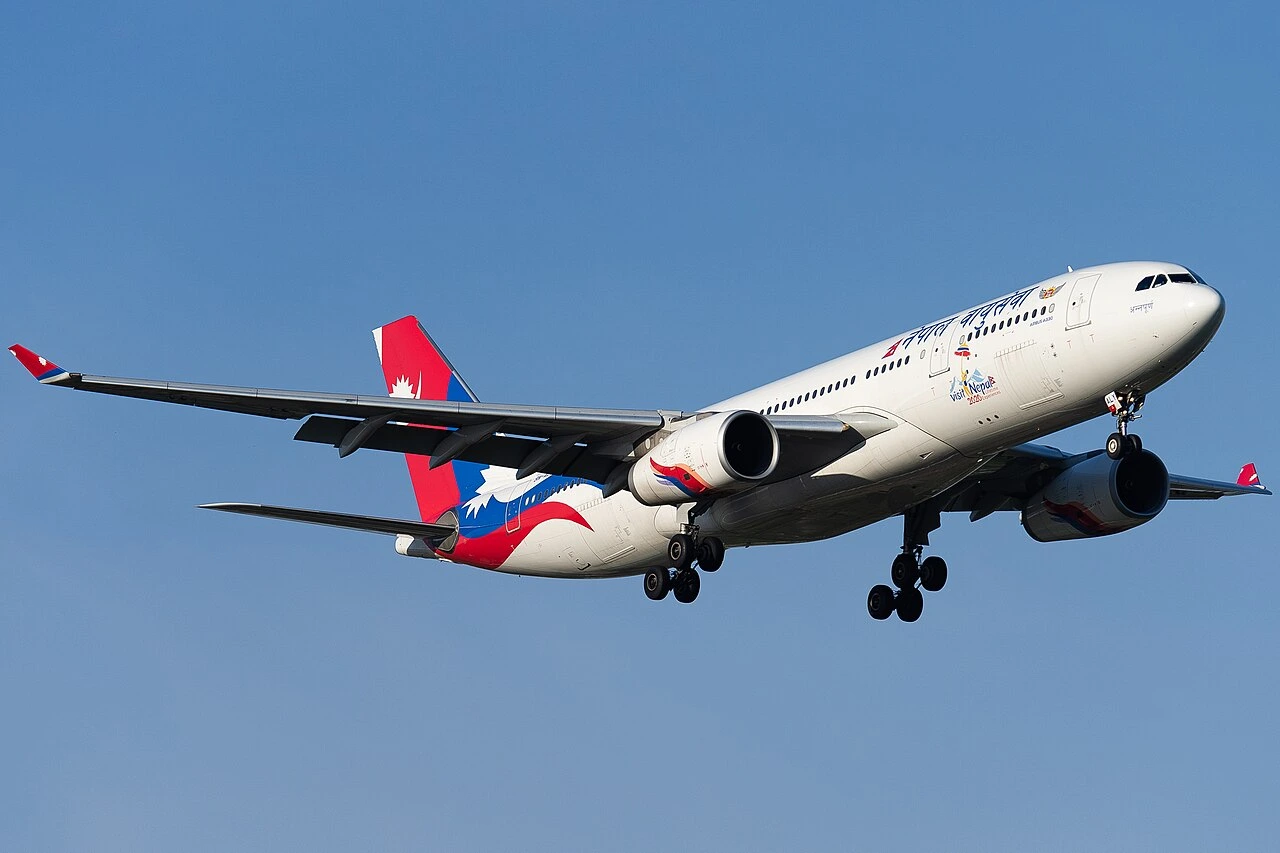
Commercial aviation has recorded exceptionally low accident rates in recent years. According to IATA, the global accident rate fell to 0.80 accidents per million flights in 2023, meaning there was roughly one accident for every 1.26 million flights. The figure was down from 1.30 accidents per million flights in 2022 and was the lowest rate recorded in more than a decade.
The five-year average from 2019 to 2023 stood at 1.19 accidents per million flights, equivalent to about one accident for every 880,293 flights. IATA also reported that the fatality risk fell to 0.03 in 2023, compared with 0.11 in both 2022 and the five-year average. At that level, IATA estimated that a person would have to fly every day for an average of 103,239 years before experiencing a fatal accident.
The 2023 figures were particularly strong for jet aircraft. There were no fatal accidents or hull losses involving passenger jets during the year, while the single fatal accident recorded in IATA’s overall dataset involved a turboprop aircraft and resulted in 72 fatalities.
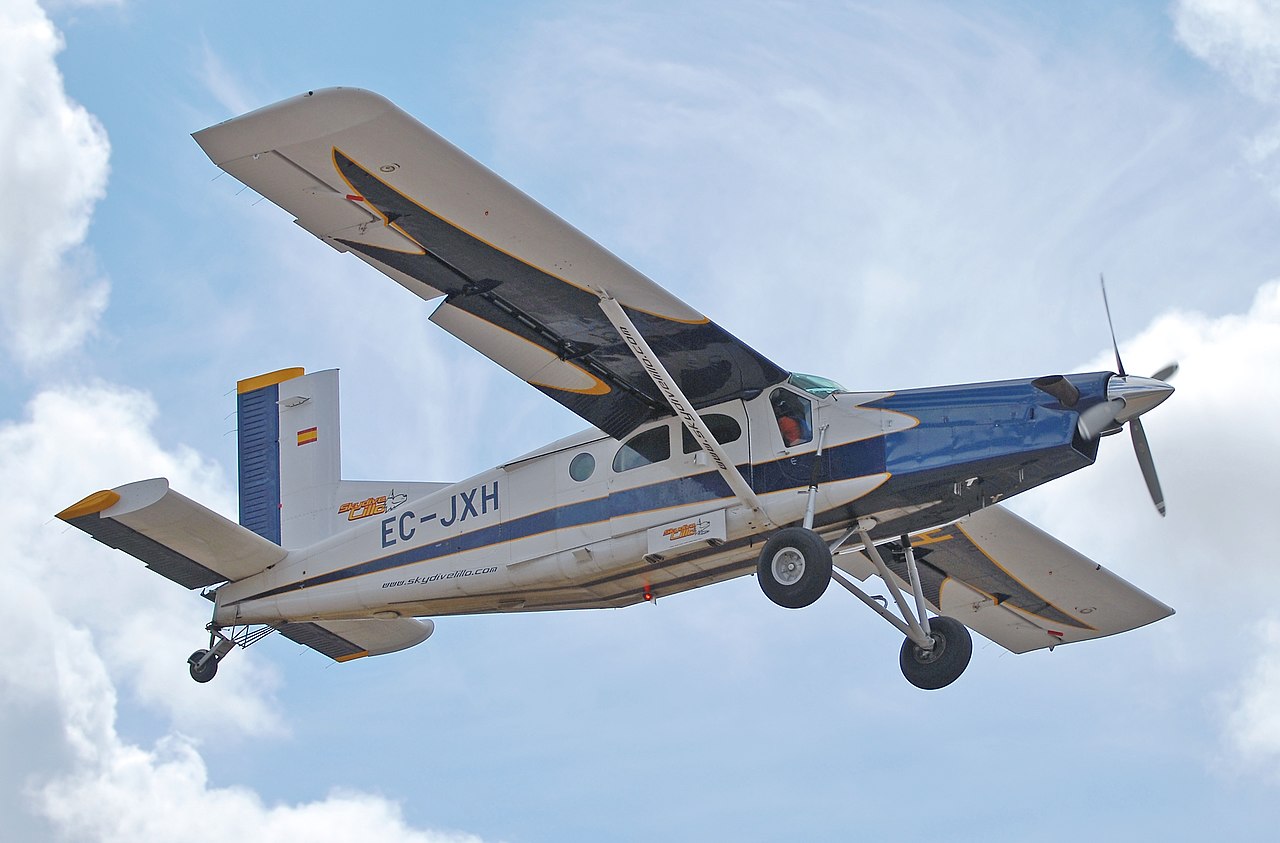
Photo: JDrewes | Wikimedia Commons
But the accident rate isn’t the only way to take a look at the safety record of aviation. Arnold Barnett, M.I.T’s Sloan School Statistician talked to ABC News about how rare plane crashes are:
“If you take one flight a day, you would on average need to fly every day for 55,000 years before being involved in a fatal crash,”
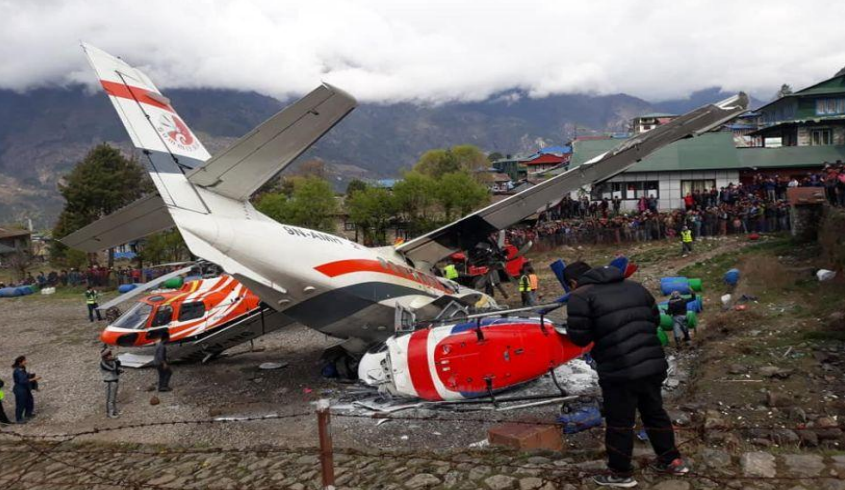
Photo: Government of Nepal
Aircraft Accident Investigation Commission, 2019
And this was back in 2014. The numbers have only gotten better. Boeing reported a historical achievement in 2023:
“…there were zero fatal accidents in 2023 – the first year without a fatal accident since data collection began in 1959.”
The nuances of these numbers were explained by IATA:
“There were no hull losses or fatal accidents involving passenger jet aircraft in 2023. However, there was a single fatal accident involving a turboprop aircraft, resulting in 72 fatalities. There were 37 million aircraft movements in 2023 (jet and turboprop), an increase of 17% on the previous year.”
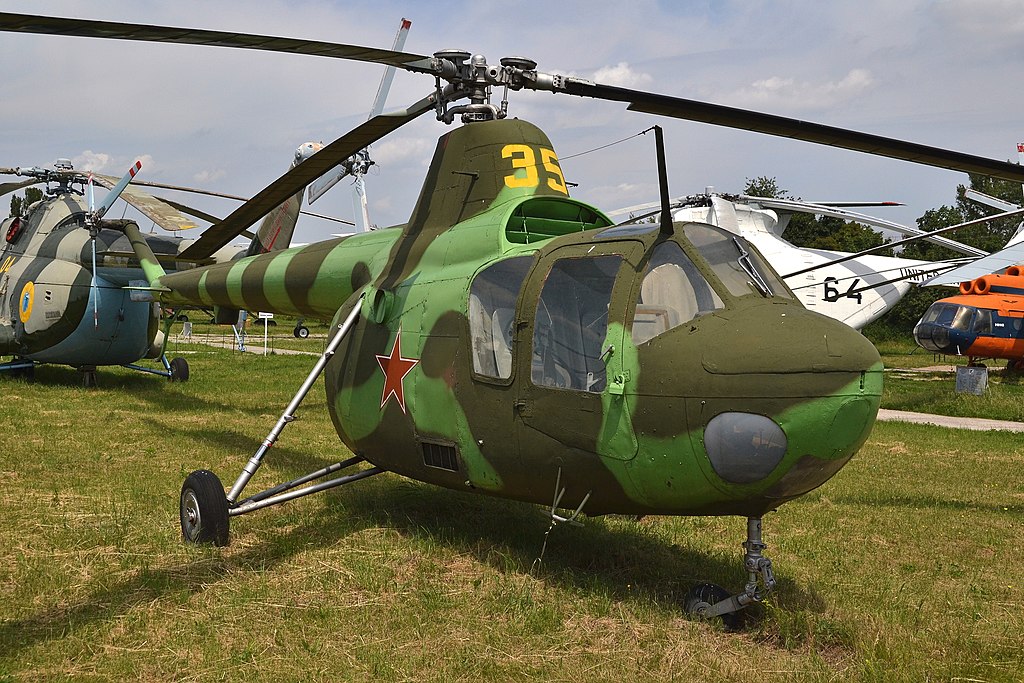
Photo: Mosbatho|Wikimedia commons
Accident rate of helicopters
Comparing the safety of helicopters with other forms of transportation can produce very different results depending on the metric used. The Points Guy, for example, developed a “death index” to compare the relative likelihood of dying while traveling by different modes of transport in the United States. Using scheduled passenger airlines as the baseline with an index of 1, non-scheduled helicopter flights recorded an index of 63, meaning the estimated risk was 63 times higher than that of scheduled airline travel.
Other analyses focus on accidents per flight hour rather than deaths per journey. Executive Flyers reported a helicopter crash rate of 9.84 accidents per 100,000 flight hours, while helicopter flight training was associated with 12.69 accidents per 100,000 hours, compared with 6.08 accidents per 100,000 hours for airplane training.
Figures published by Helicopter.com, citing data from the International Helicopter Safety Team (IHST), put the average helicopter accident rate at approximately 7.5 accidents per 100,000 flight hours. These differences highlight why helicopter safety statistics can vary considerably depending on the type of operation, period studied and measurement used.
European data also shows that helicopter safety varies significantly between operational categories. The European Union Aviation Safety Agency’s 2020 Annual Safety Review recorded one fatal accident involving specialised helicopter operations in 2019, resulting in one death. This represented a reduction from two fatal accidents and two fatalities in 2018, continuing the longer-term downward trend in fatalities for specialised helicopter operations.
Helicopters and planes operate at different environments
While the numbers above might very roughly indicate that helicopters are more prone to crashes, and therefore dangerous, the fact that The Points Guy’s analysis: “General aviation (like private planes) had a much higher death index of 271.7”, might change our perspective altogether. This is because, as they say, there are three lies: “Lies, Damn Lies, and Statistics”.
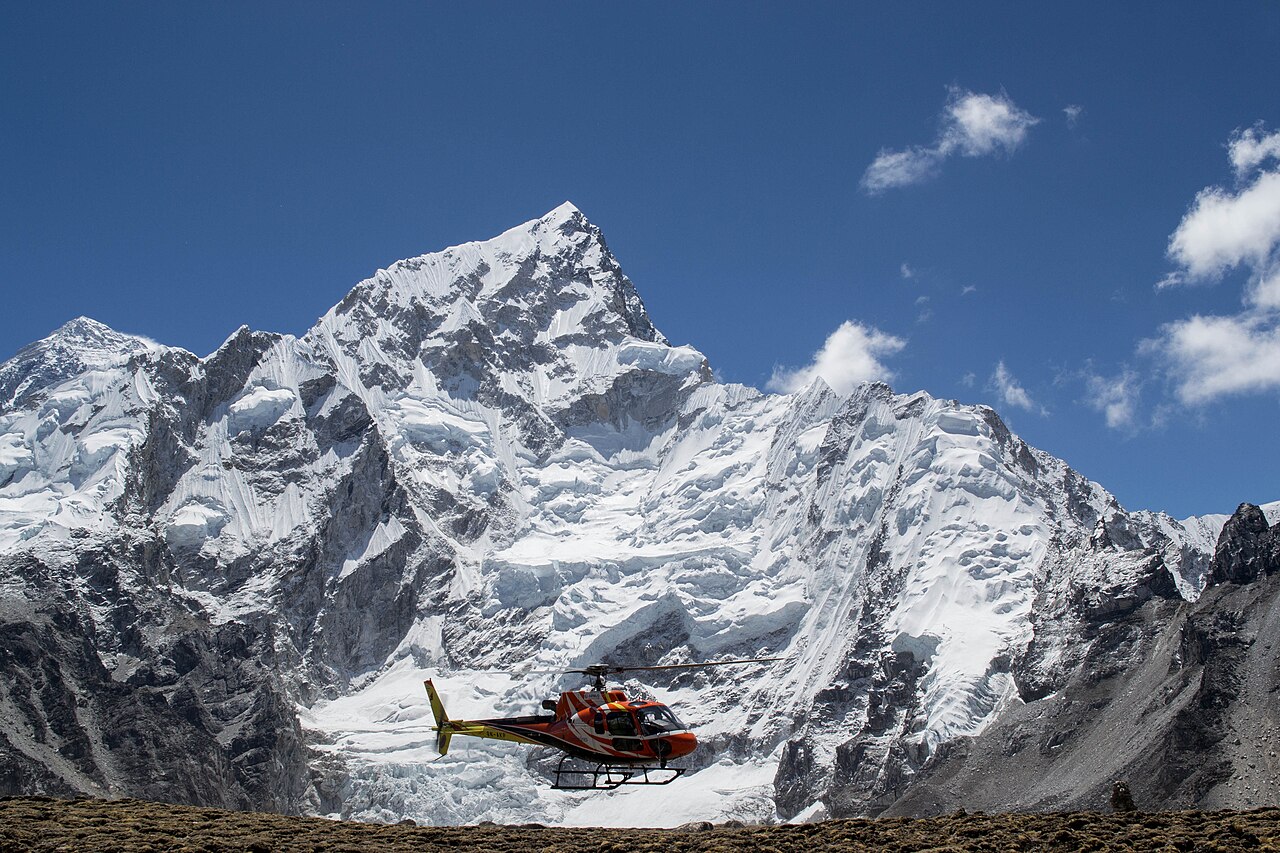
Environments where helicopters operate also plays a greater role in their higher accident rates
The study found that helicopter EMS operations can carry significant risks, particularly when flights take place at night or in poor weather. Researchers reviewed 182 helicopter EMS crashes recorded between January 1, 1983, and April 30, 2005, with 39% resulting in at least one fatality. A total of 184 occupants died, including 45% of the patients and 32% of the crew members.
Darkness and adverse weather were strongly associated with fatal outcomes. About 56% of crashes occurring in darkness were fatal, compared with 24% during daylight or dusk, while 77% of crashes in instrument meteorological conditions were fatal compared with 31% in visual conditions. Post-crash fires were another major factor, with 76% of crashes involving a fire proving fatal, compared with 29% of crashes without one.
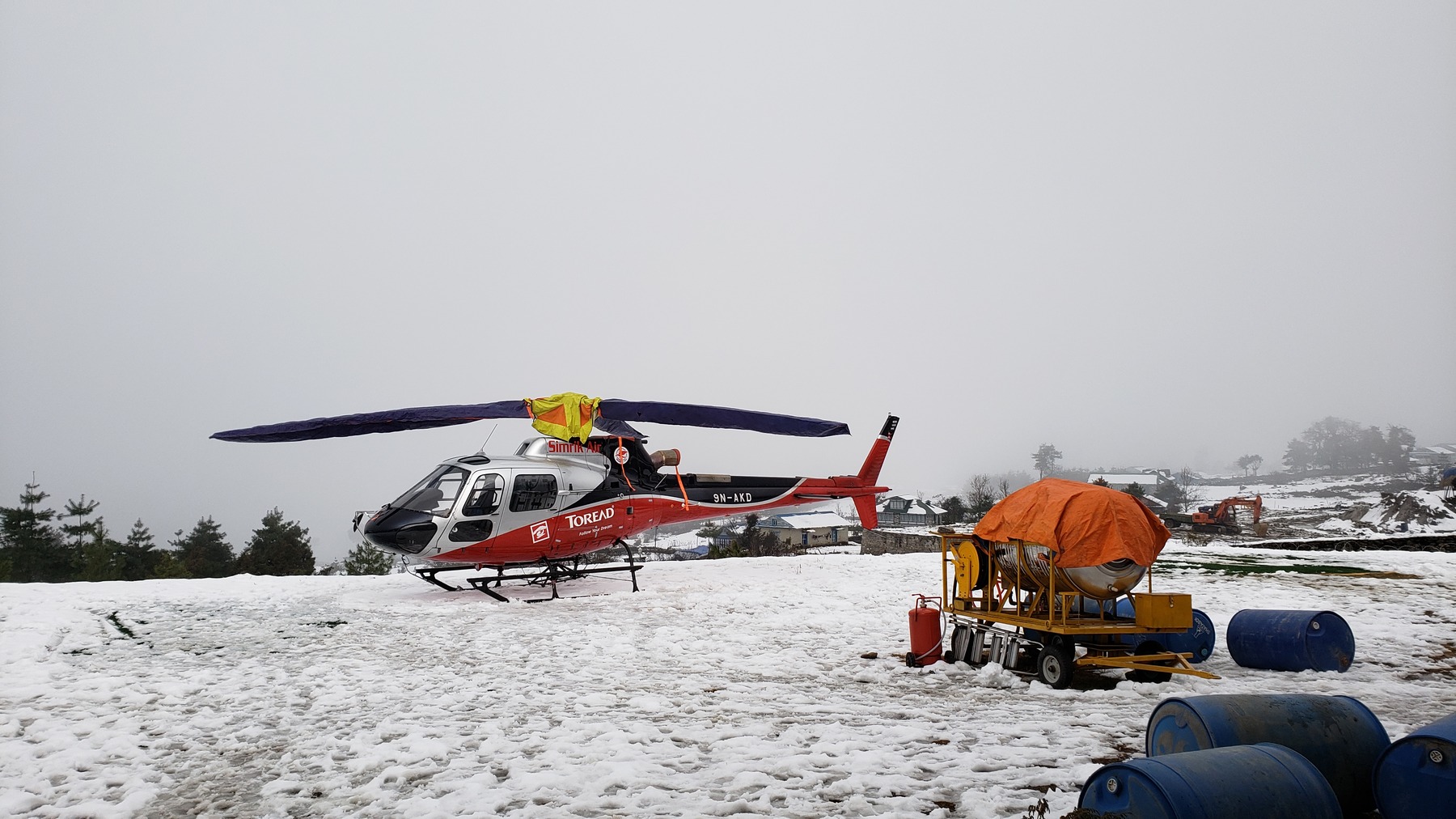
Photo: Surendra Paudel, a helicopter pilot in Simrik Air
Helicopters also perform other dangerous missions. Helicopters are often the first responders to natural disasters. There was a chopper which did touch the top of Mt Everest, too. Though this instance was a one-off, many choppers go to treacherous parts of a mountain for rescue missions – places where fixed-wing aircraft generally don’t fly to.
Helicopters are also much more susceptible to bird strikes as most standard category helicopters have “virtually no requirements which specify windscreen strength or resistance against birdstrikes”.
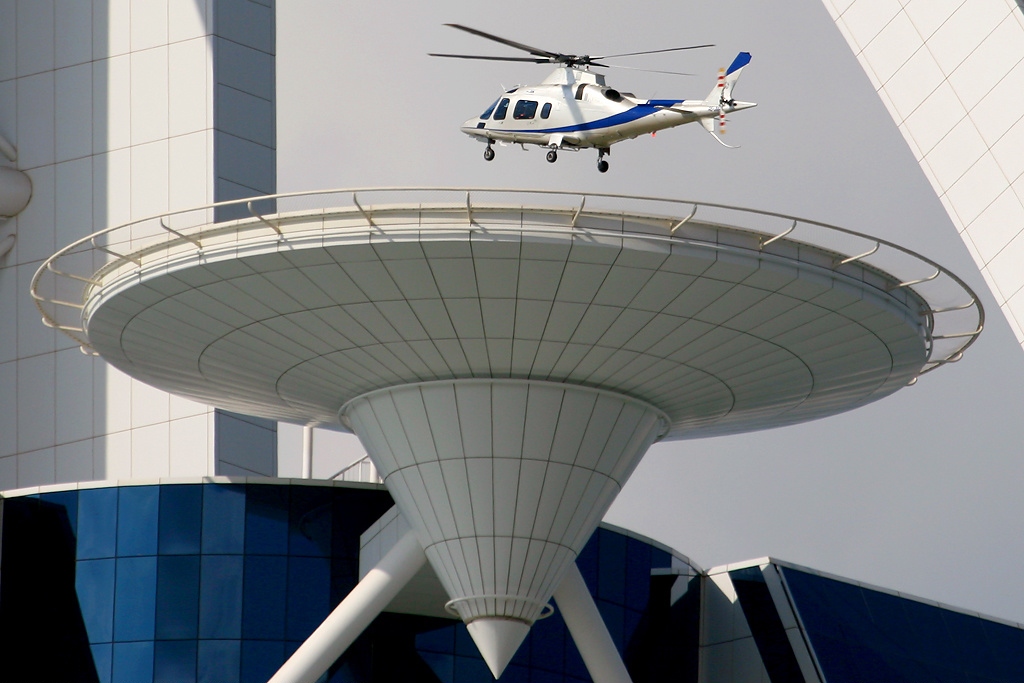
Photo: airliners.net | Wikimedia Commons
Some of the other dangerous missions which helicopters operate in, and contribute to its higher accident rate include:
- Delivery of fire support
- They also provide rapid and precise troop insertion capabilities in airborne assault missions.
Aviation Safety laws within a nation also affect the accident rates
Let’s take examples of two different nations with which we started the essay with.
Nepal
DW Documentary titled the documentary they had made after the Yeti Airlines FLight 691 crash as “Nepal’s treacherous airspace”. This is due to a myriad of factors such as:
- All airlines from Nepal have been barred from flying into the EU “owing to their weak safety standards since 5 December 2013 immediately after the ICAO raised significant safety concerns”, reported The Himalayan Times [ It was only in 2017 that ICAO removed Nepal’s aviation from its blacklist].
- When Yeti Airlines’ Twin Otter aircraft crashed in 2008 following a misjudgment in rapidly changing weather conditions on final approach, it was found that there was a “Failure on the part of regulatory body and company safety management to check the wrong practices being followed by pilots especially in STOL airfields like Lukla on a timely basis.”
- Two English Newspapers – The Mirror and The Independent also listed Nepal as one of the most unsafe countries for air travel.
- Before the construction of Lukla Airport, Sir Edmund Hilalry had constructed the Mingbo Airstrip, an airport more dangerous than Lukla. The Nepalese government was even unaware of Sir Hillary operating to and from this now-forgotten airport for months.
United States
On the opposite end of the spectrum is the United States- nation that came up with the X-15, a hypersonic aircraft.
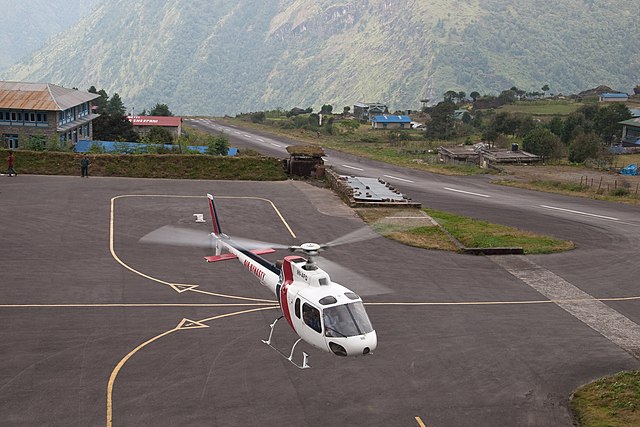
Helicopter safety has increased incredibly, though
The Bell 47 became the first civil helicopter to receive commercial certification, marking a major milestone for the emerging helicopter industry. Roy G. Fox of Bell Helicopter Textron noted in a 2005 presentation on helicopter safety that the first certified aircraft was a Bell 47B, serial number 1 and registered NC-1H, although other historical sources date the certification itself to March 8, 1946.
The early years were difficult from a safety perspective. Fox recorded seven civil Model 47 accidents and one Army YR-13 accident during 1946, with three of the civil accidents involving experimental helicopters. One of those accidents, involving experimental aircraft NX92843, was fatal on August 10, 1946. The number of Model 47 accidents then increased to 33 in 1947.
Limited pilot experience was one of the challenges facing the young industry. Among three of the eight 1946 accidents for which pilot experience was known, the pilots had accumulated only 7 hours 15 minutes, 9 hours 30 minutes and 61 hours 50 minutes of helicopter flight time. The pilot involved in the fatal accident had the most experience of the group, while his helicopter had also accumulated the highest airframe time at 275 hours.
Fox noted that helicopter safety gradually improved as pilot training, maintenance practices and aircraft design developed. Improvements were made not only to pilot and maintenance training but also to the engines and other parts of the helicopter, helping address some of the weaknesses exposed during the industry’s early years.
Fox also highlighted the potential of cockpit information recorders (CIRs) to further improve helicopter safety. He proposed a system capable of recording cockpit activity and flight data through a still-image color camera suitable for day and night use, an area microphone, GPS, onboard data-processing and memory capabilities, and a crash-survivable recorder. Such equipment could provide investigators with valuable information about the circumstances surrounding an accident and help identify hazards before similar accidents occur.
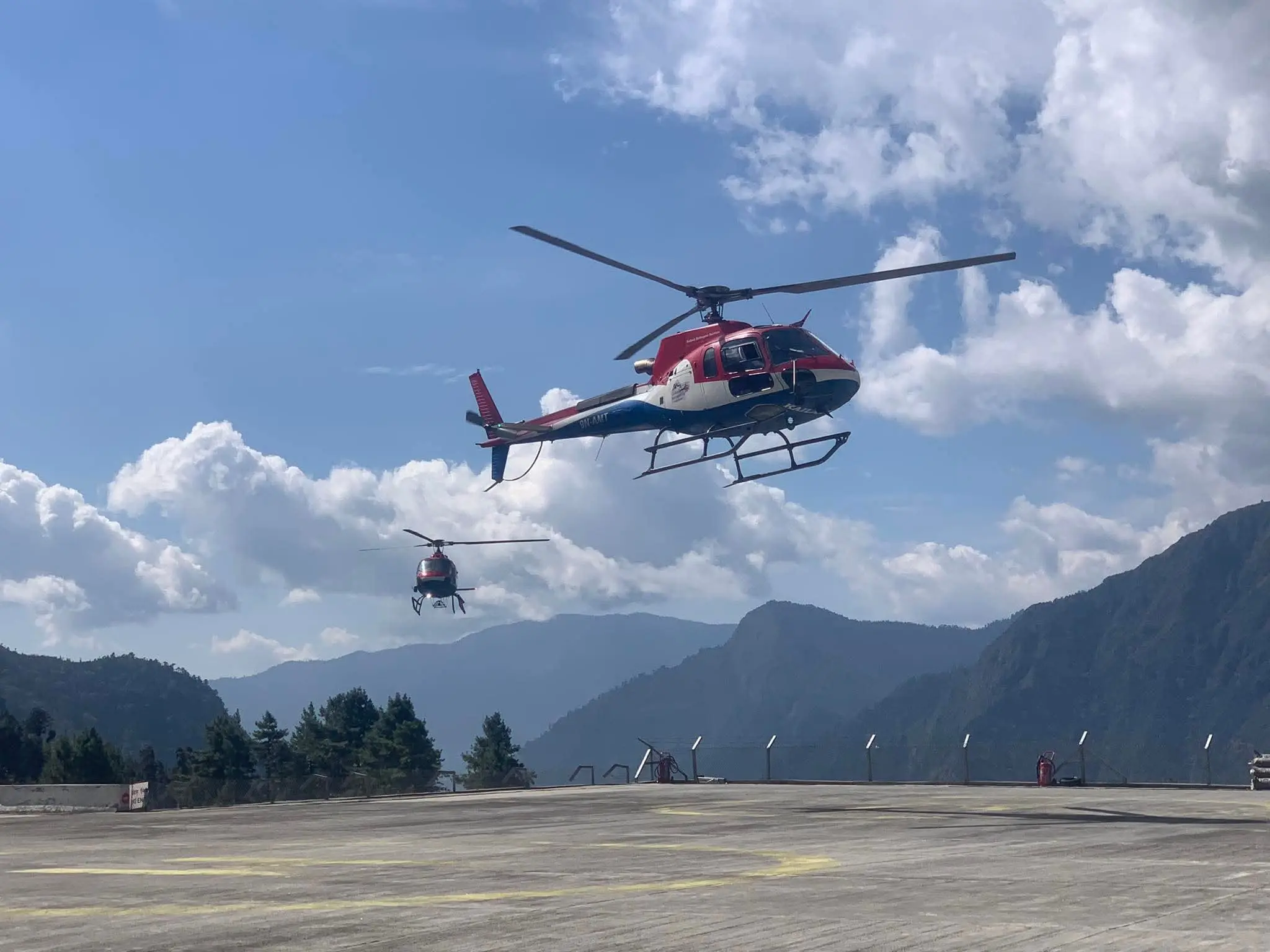


One response to “Are helicopters safer than planes?”
[…] helicopters had a Death Index of 63. But before we get caught up in making generalizations about the safety of helicopters vs fixed-wing, we have to keep in mind that choppers are involved in many risky search and rescue missions. An […]