Air India (AI), which lagged behind its rival IndiGo (6E) in terms of international routes a few months ago , plans to bring back most of the international capacity it cut earlier this year, according to Chief Commercial and Transformation Officer Nipun Aggarwal, as reported by The Hindu BusinessLine. The restoration targets routes across North America, Europe, and Asia-Pacific that the airline trimmed or suspended between June and August 2026. Aggarwal’s comments point to September as the month when most of that lost capacity returns.
The cuts stemmed from a combination of regional airspace restrictions tied to conflict in West Asia and a sharp spike in jet fuel prices. Air India reduced roughly 340 international flights per week during the contraction. The airline now says easing conditions on both fronts make a broad restoration possible from next month.
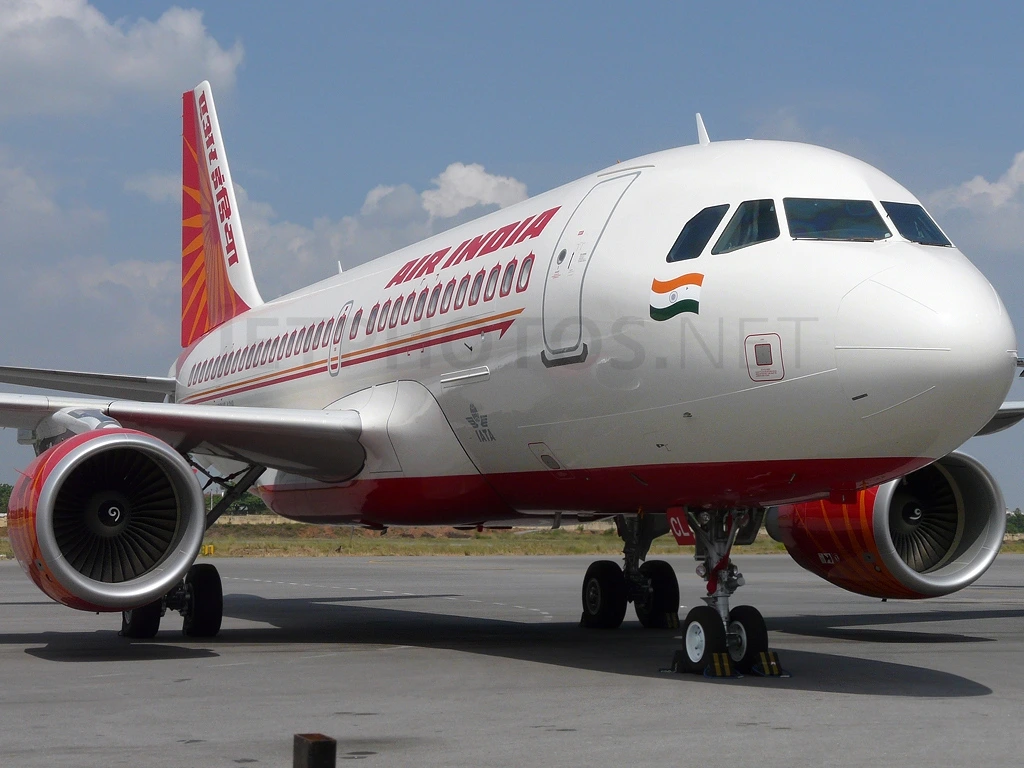
Why Air India Cut International Capacity in the First Place
Air India’s network reduction ran from June through August 2026 as part of what the airline called a stabilization strategy. Escalating conflict in West Asia forced aircraft onto longer, fuel-intensive detours around closed airspace, driving up both flight times and operating costs.
Jet fuel prices climbed at the same time, pushing Aviation Turbine Fuel costs to a disproportionately large share of total operating expenses. Air India said in a statement that it continues to work with regulators, airport authorities, and industry partners to restore full capacity as conditions permit. The airline also warned it could make further network adjustments if the disruption persisted.
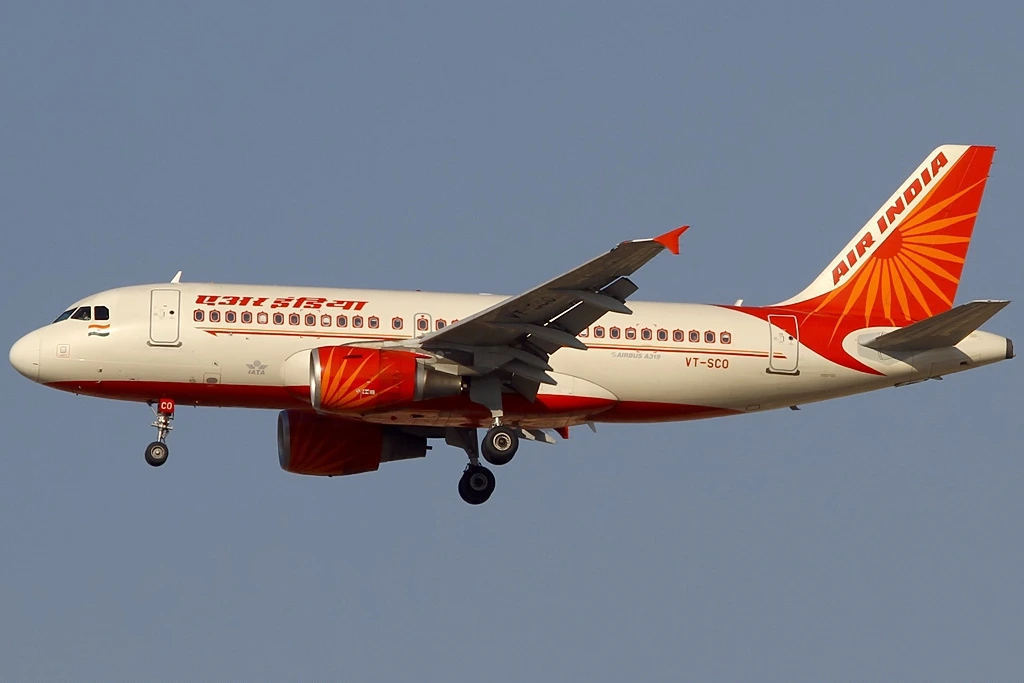
Which Routes Were Cut Between June and August 2026
North American services absorbed some of the heaviest reductions. Key routes affected by full suspension or reduced frequency include:
- Delhi–Newark: temporarily suspended
- Delhi–Chicago O’Hare (ORD): temporarily suspended
- Mumbai–New York (JFK): temporarily suspended
- Delhi–San Francisco, Delhi–Toronto, and Delhi–Vancouver: reduced frequency
European routes were scaled back rather than eliminated. Paris, Zurich, Milan, Vienna, and Copenhagen all saw reduced weekly schedules. In Asia-Pacific, Air India cut frequencies to Melbourne and Sydney while suspending or adjusting services to Singapore, Kuala Lumpur, Malé, and Dhaka.
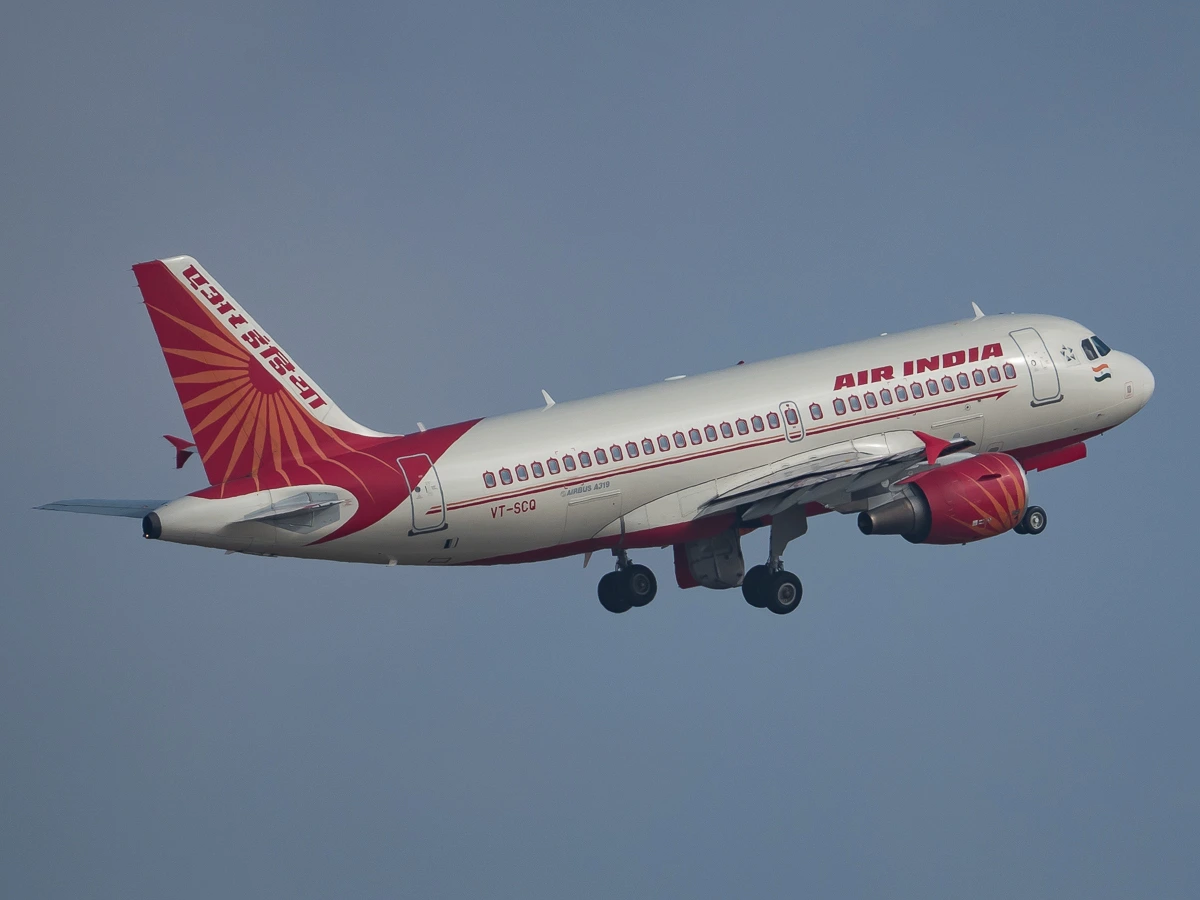
What Changed to Make Restoration Possible
Two conditions had to improve before Air India could reverse the cuts, and both moved in the airline’s favor over the summer. Airspace corridors over West Asia began reopening as regional tensions eased, allowing more direct routings between Europe, Asia, and North America.
Shorter routings cut both flight time and fuel burn, which improved operating economics across the long-haul network. International jet fuel prices also moderated from their earlier peaks, easing the second major cost pressure that forced the original cuts.
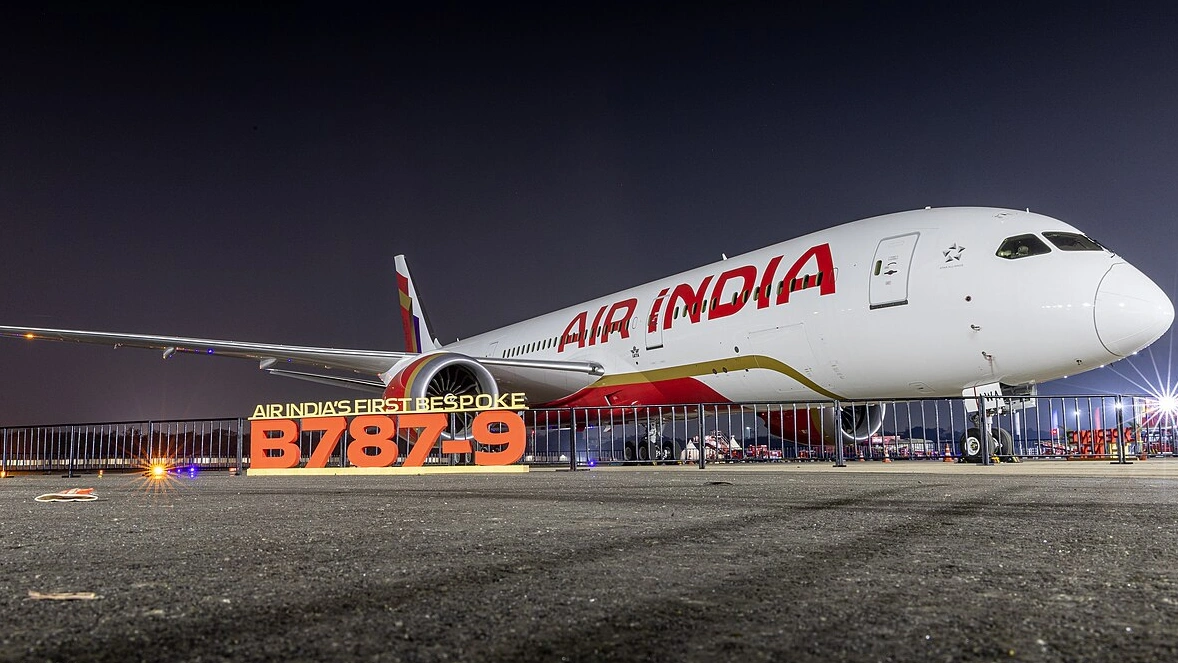
Fleet availability is improving as well. A Boeing 787-9 Dreamliner has entered service, and roughly eight additional wide-body aircraft are expected to join or rejoin the fleet later in the year through new deliveries and refurbishment.
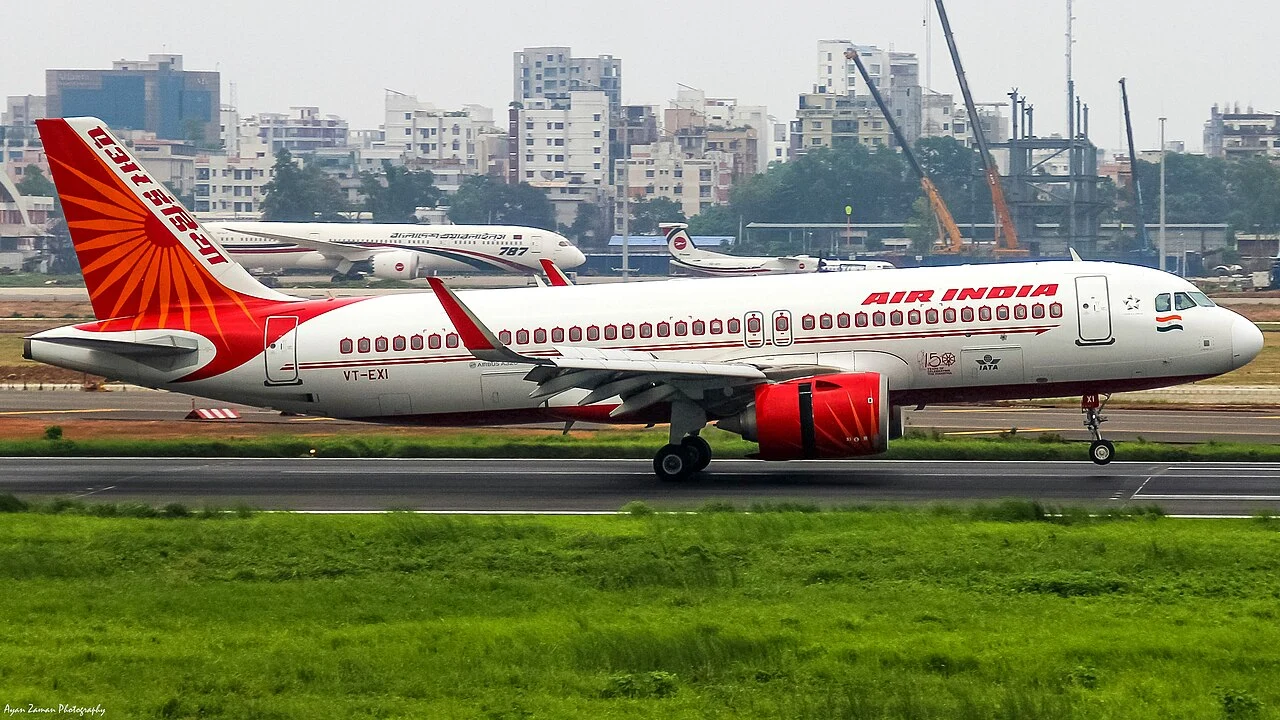
How The Cuts Actually Helped Air India’s Punctuality
The reduction had one unplanned benefit: performance improved. Air India recorded its strongest-ever monthly operational results in June 2026, hitting about 86 percent overall on-time performance and near 90 percent punctuality on domestic services.
That improvement came from reduced network complexity during the smaller schedule, which allowed better aircraft utilisation and scheduling efficiency. Air India is now using those operational gains as the foundation for scaling capacity back up in a controlled way, rather than reinstating everything at once.
Aggarwal’s capacity update lands alongside separate reporting on leadership uncertainty at the top of the airline. Tata Sons is reportedly forming an interim management committee to run Air India while a permanent successor to CEO Campbell Wilson is decided. Wilson is scheduled to step down in September, the same month Aggarwal says most suspended capacity returns.
That report also noted internal opposition to Aggarwal’s own proposed elevation to the CEO role, including from Tata Trusts chairman Noel Tata. According to Business Standard, Aggarwal already chairs Air India Express, a role he took over from Wilson in 2025. The capacity restoration announcement therefore comes at a moment when Aggarwal is one of the airline’s most visible executives, even as the top leadership question remains unresolved.
What This Means for Travelers Booked on Affected Routes
Passengers who held bookings on suspended routes were previously offered rebooking or full refunds as standard practice during the cuts. Air India’s earlier statements on similar reductions confirmed that affected customers would be contacted directly with alternative travel arrangements, according to Aviation Week.
Travelers on North American, European, and Asia-Pacific routes should expect capacity to return in phases rather than all at once. Air India’s stated approach favors high-demand corridors first, meaning routes like Delhi–Newark and Mumbai–New York are likely candidates for early restoration given their importance to diaspora and business travel demand.




_Air_India_Airbus_A350-941_VT-JRB_@_EGLL_2025-06-18.jpg)