India’s low-cost airline IndiGo (6E) has once again outpaced the country’s flag carrier, Air India (AI), on overseas routes, with IndiGo’s international passenger market share rising to 47.5% in April 2026 — a 3.36% increase year-on-year and a 3.65% increase month-on-month — while the Air India Group’s share moderated to 46.6%, according to the Equirus Monthly Aviation Tracker quoted in Business Today. The data, published on June 3, 2026, marks a continuation of a structural pivot in Indian aviation that first emerged in Q3 2025 and has since deepened with every passing quarter.
The immediate catalyst is unmistakable: the ongoing West Asia conflict, which has disrupted airspace, inflated aviation turbine fuel (ATF) prices, and forced both carriers to make sweeping capacity reductions.
Air India slashed its international flights by 27% for the June–August 2026 period, citing the West Asia conflict, longer flight paths caused by airspace closures, and jet fuel costs that have risen by 130%, leaving IndiGo to absorb the spillover demand on routes where the Tata-owned carrier retreated.
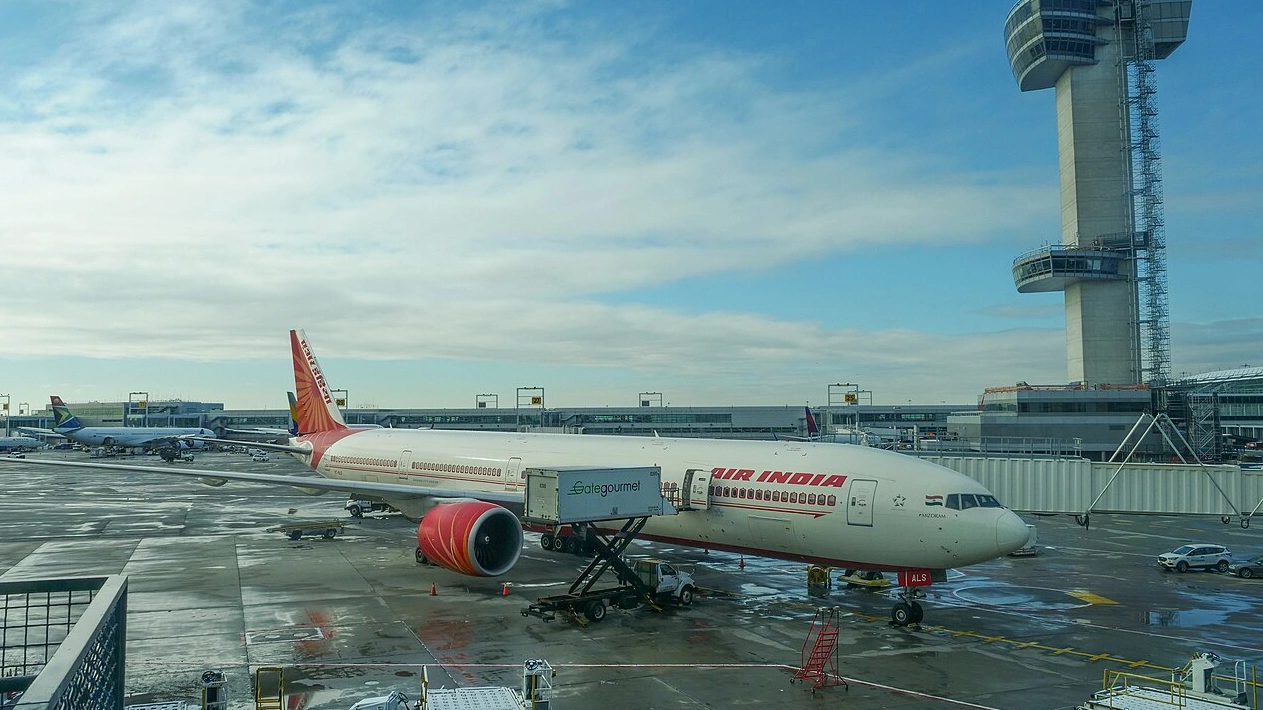
How IndiGo Outmanoeuvred Air India on International Passenger Share
IndiGo, India’s largest airline, first surpassed the Air India Group in quarterly international passenger traffic during the July–September 2025 period, carrying 4.14 million passengers against the Air India Group’s combined 4.10 million. This marked the first such overtaking in six years, according to data from the Directorate General of Civil Aviation (DGCA).
The immediate trigger for that earlier lead was the June 12 Boeing 787 Dreamliner crash involving Air India flight AI 171, following which Air India reduced long-haul international capacity by around 15%. Short and medium-haul routes recover faster from disruptions, which allowed IndiGo to absorb spillover demand from passengers affected by Air India’s reduced capacity.
According to aviation analytics firm Cirium, IndiGo also overtook the Air India Group in scheduled international flights and seats for the winter 2025–2026 schedule, increasing its winter international flights by 14.5% year-on-year to over 44,000 flights, while the Air India Group reduced its winter schedule by more than 9% to around 41,600 flights.
Despite lower traffic volumes across the industry, IndiGo regained share as operations normalised across key routes, while international load factors weakened across major carriers, with IndiGo recording 77.2%, the Air India Group at 74.4%, and the industry average at 75.5%, reflecting the demand disruption caused by geopolitical tensions.
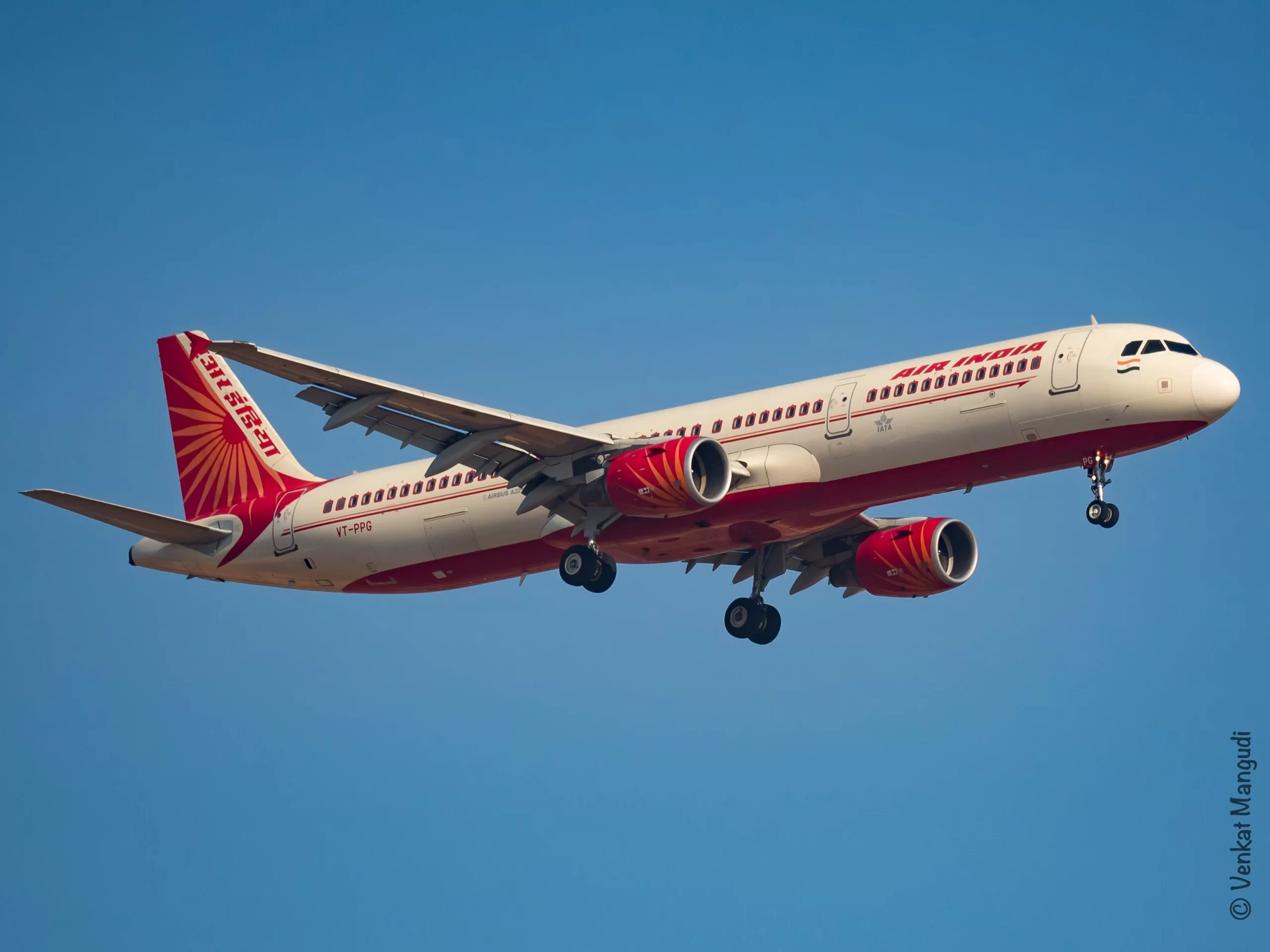
Air India’s Widening Network Retreat Under Fuel and Indigo Conflict Pressure
Air India announced on May 13, 2026, that it would slash approximately 145 weekly international flights — representing a 27% reduction in long-haul capacity — through August 2026, driven by jet fuel prices that have climbed more than 30% since West Asia geopolitical tensions intensified. North American routes to cities including New York, Chicago, and Toronto face the steepest cuts, with some flights suspended entirely.
Business Standard reported that Air India recorded the sharpest percentage reduction in domestic operations among all Indian carriers, scheduled to operate 2,655 weekly domestic flights in June 2026, down from 3,696 in June 2025 — a decline of over 28%, according to Cirium’s data.
In a formal statement, Air India said:
“In continuation of our previously announced adjustments to select international services between June and August 2026, we have temporarily rationalised operations on certain domestic routes during the same period, with a reduction in frequencies on select routes.”
The airline added that the operational adjustments are “driven by the sustained impact of high fuel prices on overall operations.”
The Tata Group-owned carrier has reduced its international capacity by around 27%, affecting 33 routes across four regions, while domestic cuts follow in the same three-month window.
Air India has also extended its suspension of the New Delhi (Indira Gandhi International Airport, DEL) – Tel Aviv route. A senior airline executive was quoted as saying: “The operations on this sector have been further suspended till July 31 due to the geopolitical situation,” with the airline having already delayed Tel Aviv–Delhi operations until the end of June before issuing a second extension.
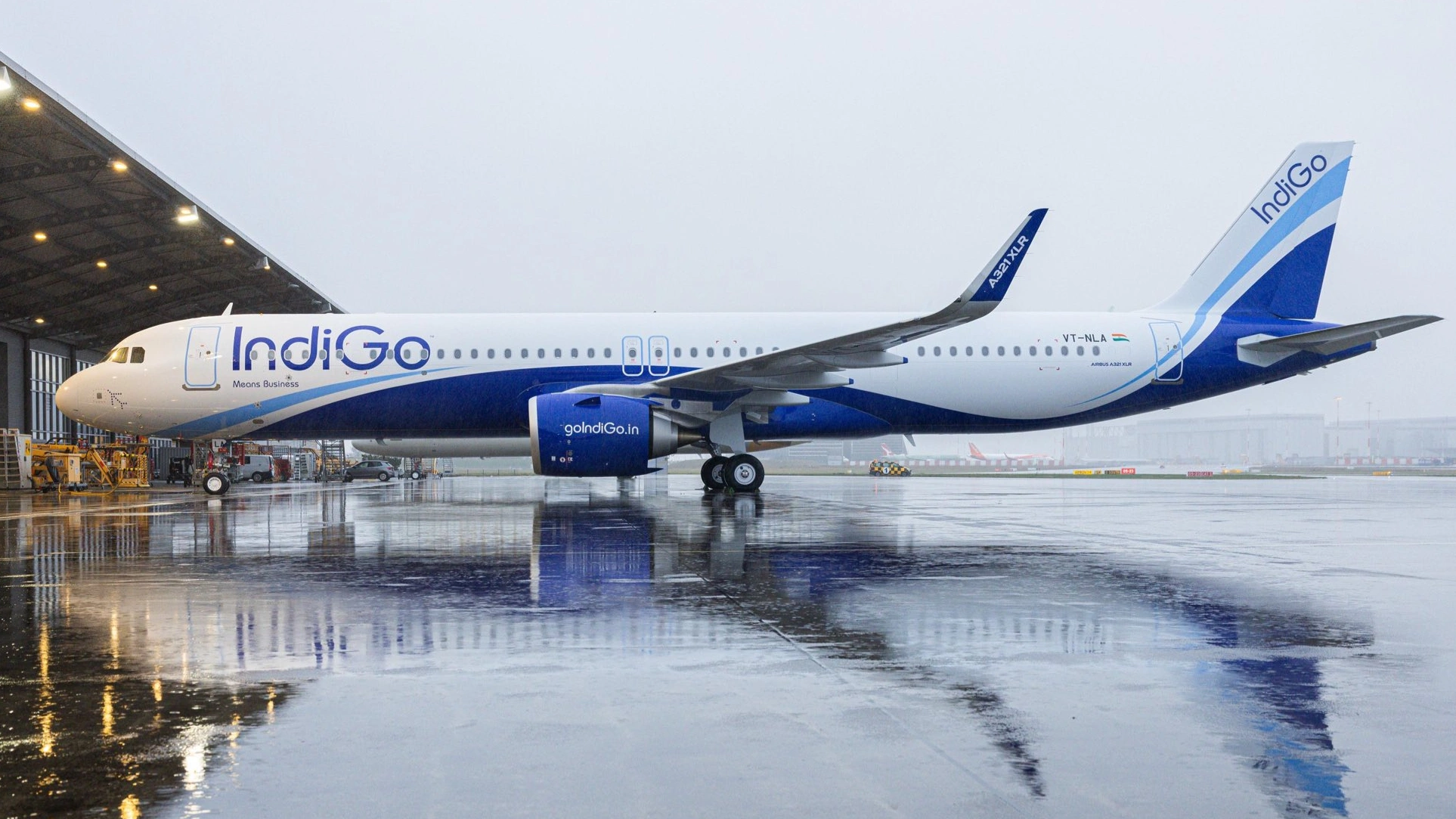
Fuel Cost Crisis is Driving Both Carriers to Cut Capacity
Air India is set to cut up to 22% of its domestic flights during the June–August period, while IndiGo plans to reduce domestic capacity by 5–7%. IndiGo has also trimmed international capacity by 17%.
Sources familiar with the matter told IANS that IndiGo’s domestic capacity reductions were “primarily driven by demand-based capacity adjustments rather than directly linked to fuel prices,” with a source stating: “This is being done for capacity adjustments basis demand. Nothing related to ATF.” The carrier’s more selective domestic pruning (5–7%) against Air India’s far heavier 22% domestic cut illustrates the financial divergence between the two airlines at this juncture.
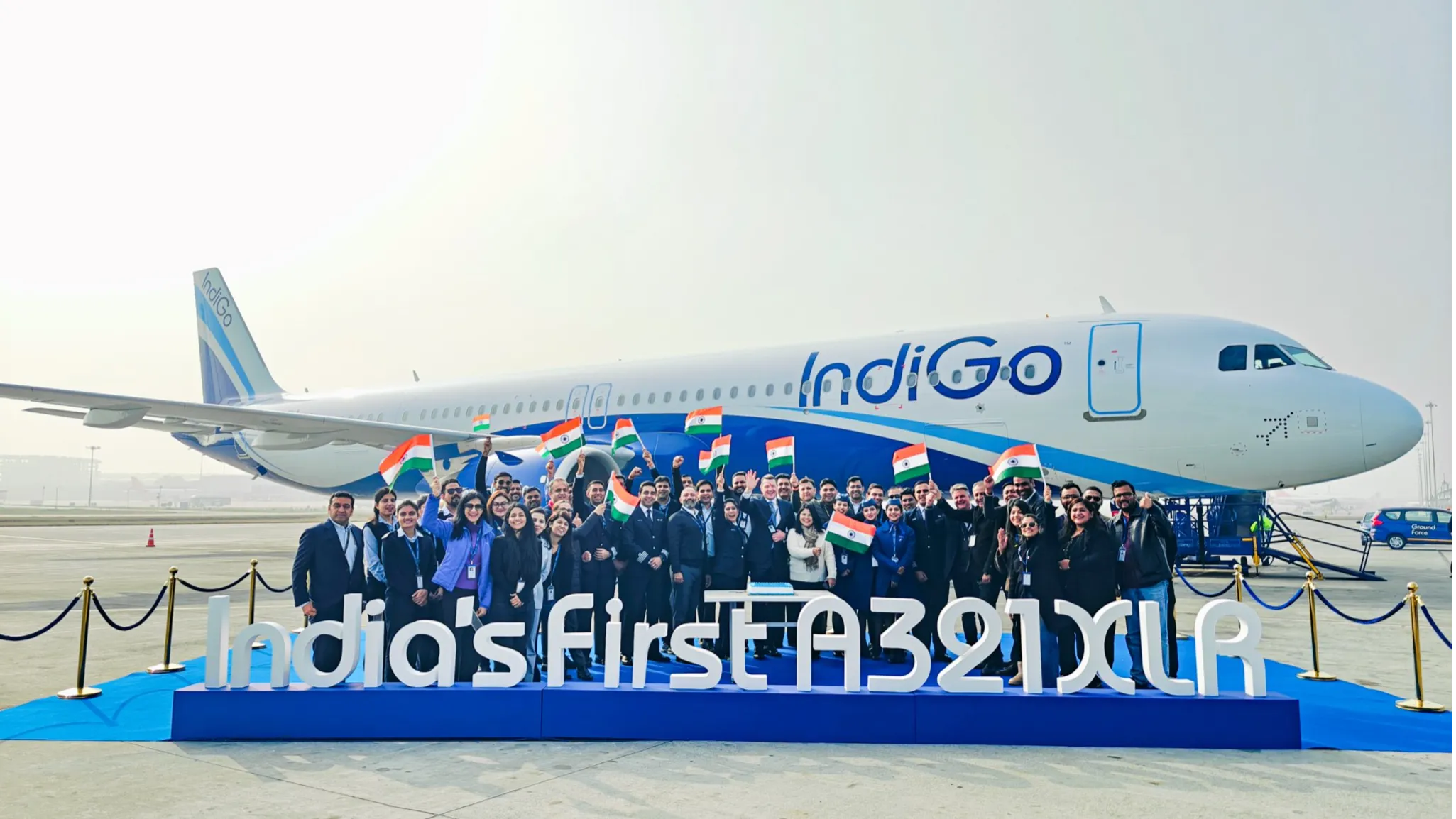
IndiGo’s Tactical Network Management Amid the West Asia Crisis
Even as IndiGo trimmed parts of its network, it continued strategic offensive moves. Chennai–Réunion Island service began on April 29, 2026 with thrice-weekly Airbus A320 operations, making Réunion IndiGo’s 46th international destination. London Heathrow, Amsterdam, and Manchester services have been operating since mid-March 2026 on alternative routings via Egypt.
According to OAG data, IndiGo’s international seats improved by nearly 200,000 in May 2026 over April, with the airline showing only 7% less seat availability in May 2026 compared to May 2025 — a marked recovery from April 2026, when the difference over the same month in 2025 exceeded 30%.
The airline’s Central Asian routes were not immune. We reported, on January 27, 2026, IndiGo formally announced the cancellation of its scheduled flights to and from Tbilisi (TBS), Georgia; Almaty (ALA), Kazakhstan; Baku (GYD), Azerbaijan; and Tashkent (TAS), Uzbekistan, effective until February 11, 2026, citing escalating geopolitical tensions and evolving developments in and around Iran.
We had reported that IndiGo implemented a comprehensive revision of its fuel surcharge structure for both domestic and international routes, effective for all bookings made from April 2, 2026. The airline introduced a distance-based model for domestic flights and a region-specific structure for international sectors, with surcharges starting at ₹275 domestically and rising up to ₹10,000 for long-haul international routes.
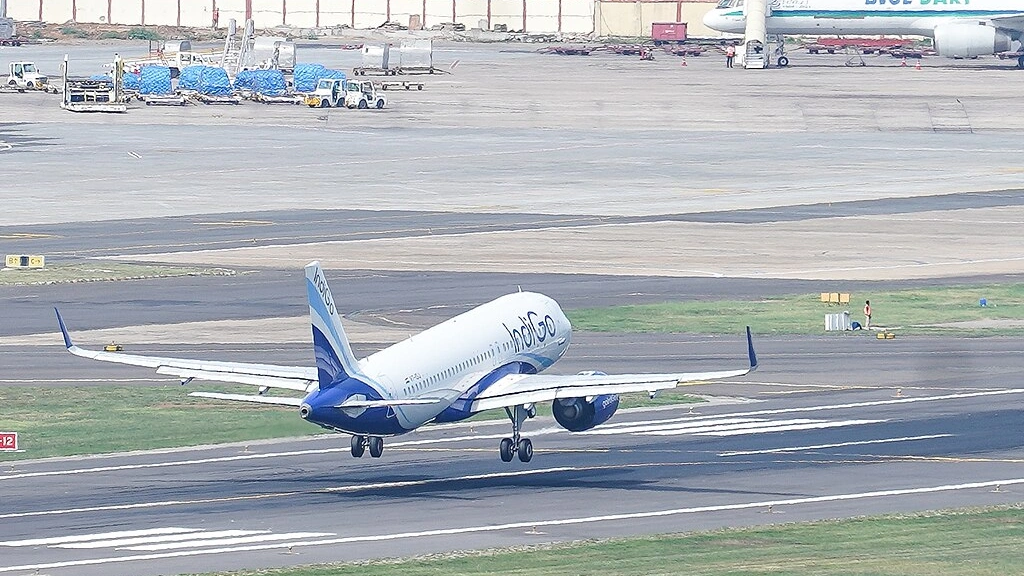
IndiGo’s Domestic Dominance and Wider Headwinds
IndiGo’s international advance is all the more significant given that the carrier entered 2026 navigating the aftermath of a serious operational crisis. In December 2025, IndiGo cancelled nearly 4,500 flights over ten days after failing to adjust to new flight crew time limitations mandated by the DGCA, affecting over 10 lakh passengers and costing the airline over ₹24 crore in compensation. The DGCA subsequently imposed a fine of ₹22.2 crore and directed IndiGo to provide a bank guarantee of ₹50 crore.
The carrier has since recovered its domestic standing. In April 2026, IndiGo’s domestic passenger market share rose to 64.8%, a 0.85% increase year-on-year and a 1.51% increase month-on-month, while the Air India Group’s share declined to 24.9%, down 2.4% year-on-year.
According to OAG, IndiGo holds just over half of the total Indian aviation market at 52%, operating 13.4 million seats in May 2026, a 5% increase year-on-year. Air India, in contrast, holds a 14% market share with 3.6 million seats, having seen its capacity fall 10% year-on-year — 405,000 fewer seats.
In India, the aviation sector has suffered substantial losses exceeding several thousand crores as major airlines slash capacities, resulting in a 2.9% drop in RPK and a 4.3 percentage point decline in passenger load factor. Indian carriers are ceding international market share to foreign competitors and facing flight cancellations, delays, and a contraction in demand.

.jpg)

