JetBlue Airways (B6) cancelled two flights between Boston Logan International Airport (BOS) and Josep Tarradellas Barcelona-El Prat Airport (BCN) within a five-day span in early August, after the pilots scheduled to operate them were stranded on delayed domestic connections. According to a report by Paddle Your Own Kanoo, flight 345 was cancelled on August 6 and again on August 8, both times because incoming crew could not reach Boston in time from connecting flights out of New York’s John F. Kennedy International Airport (JFK). The disruptions mark the first time JetBlue’s ongoing operational troubles have visibly spread to its premium transatlantic network.
The cancellations stem from a practice called deadheading, in which pilots travel as passengers on a separate flight to reach the aircraft they are assigned to fly. When JetBlue’s connecting domestic flights from JFK ran late, the deadheading pilots were pushed beyond legal duty-time limits before they could take the controls in Boston, leaving the airline without a qualified crew for the Barcelona departure.
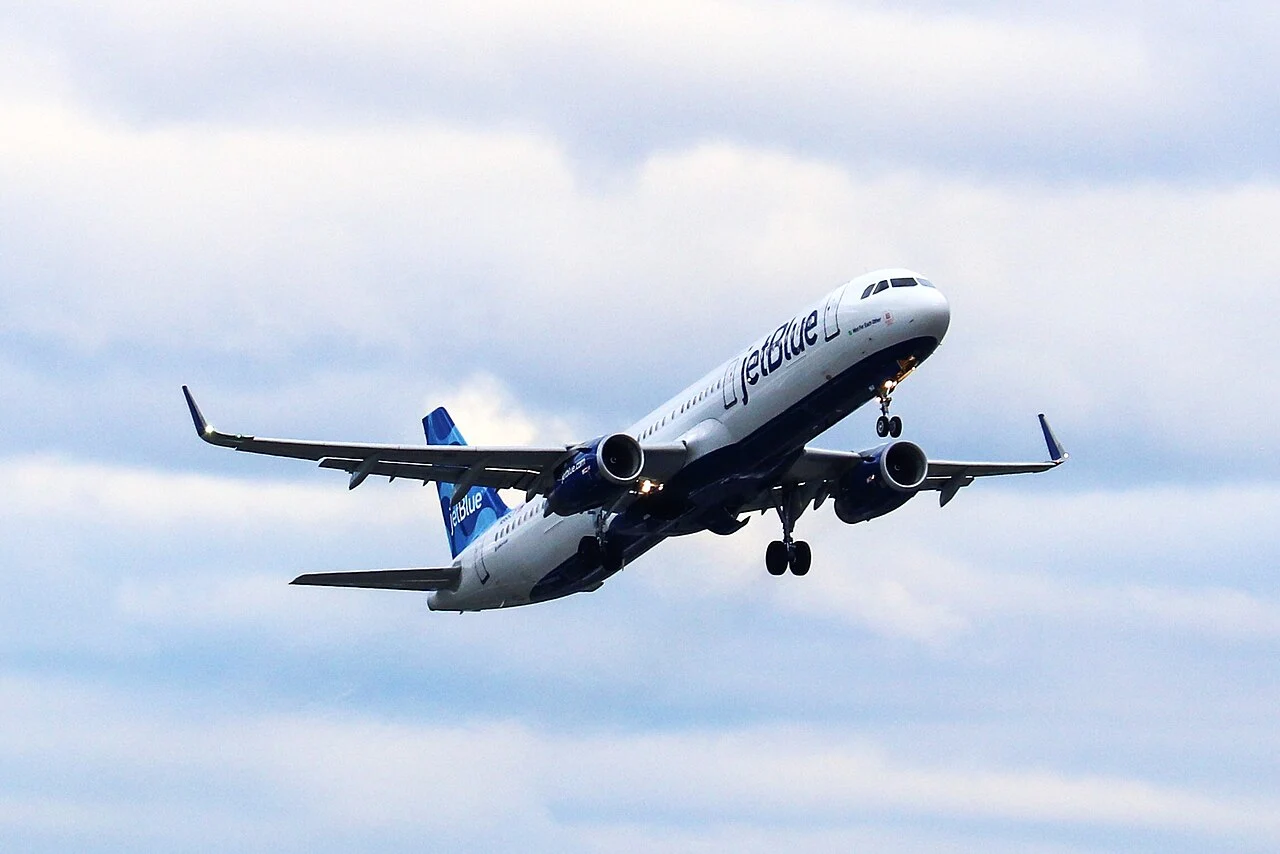
Why A Replacement Pilot Wasn’t a Simple Fix
Finding a substitute crew in Boston is harder than it sounds, since transatlantic routes require pilots to hold specific Atlantic European certification that most Boston-based JetBlue pilots do not carry. That narrow pool of qualified crew leaves the airline with little flexibility when its primary pilots are delayed, and it turned what began as a routine domestic delay into a cancelled long-haul flight to Spain.
Deadheading itself is a standard industry practice, and one that typically still counts toward a crew member’s maximum duty hours even though they are not actively operating the flight they are riding on. Airlines rely on it constantly to reposition pilots and flight attendants where they are needed, including to get stranded crew home after a cancellation elsewhere in the network. The practice works well when connections run on time, but it leaves little margin when the positioning flight itself is delayed, as happened twice in a week on JetBlue’s JFK-to-Boston connections.
The same crew-availability problem has started showing up on other European routes. According to aviation watcher JonNYC, a separate JetBlue flight between Boston and Paris Charles de Gaulle Airport (CDG) was delayed more than four hours on August 10, eventually departing after 1 a.m. after several crew members called in fatigued. That delay was compounded by the aircraft’s prior rotation, a Boston-Charleston-Boston turn using the same long-range jet needed for the transatlantic sector.
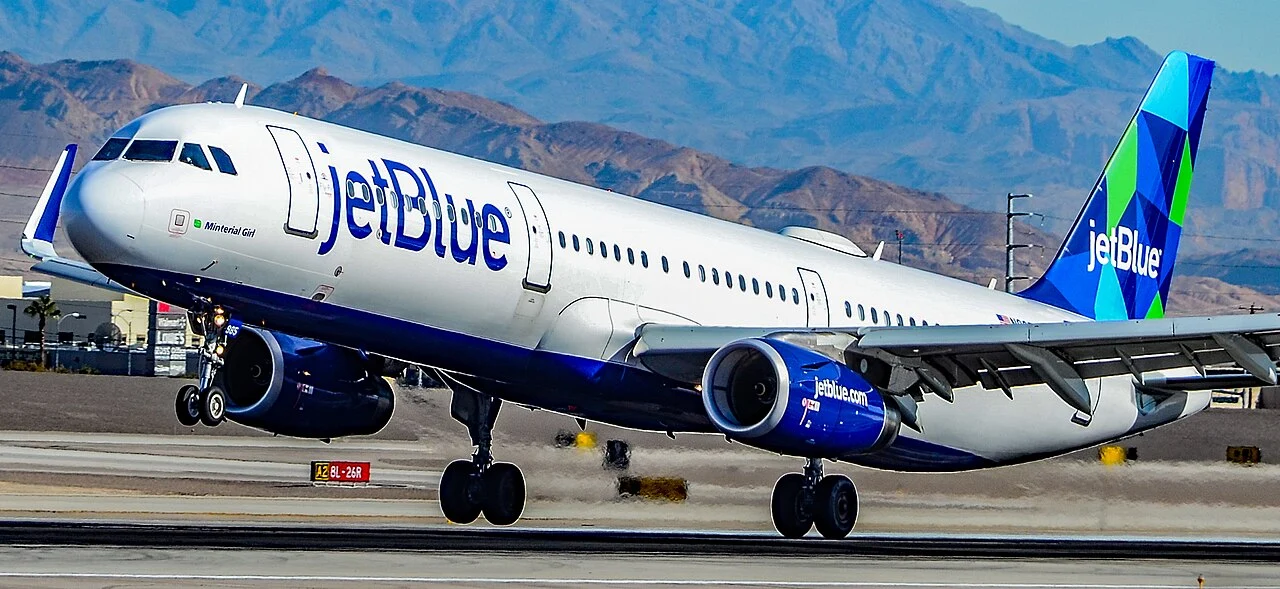
JetBlue’s Operational Alert Has Run for Weeks
JetBlue has maintained what it internally calls a Level 2 operational alert for an extended period, a designation tied to repeated thunderstorms, congested Northeast airspace, and air traffic control restrictions that have slowed the airline’s recovery from disruptions. The alert has continued for roughly a month without resolution, and the airline has not said when it expects conditions to normalize.
To help stabilize its schedule, JetBlue introduced an incentive program in August offering flight attendants between 2,000 and 4,000 Crewbucks, the airline’s internal rewards currency, worth up to $4,000 if redeemed for cash. Reaching the top bonus tier reportedly requires an unusually demanding workload, and some crew members have said the incentive alone is unlikely to solve the underlying scheduling strain.
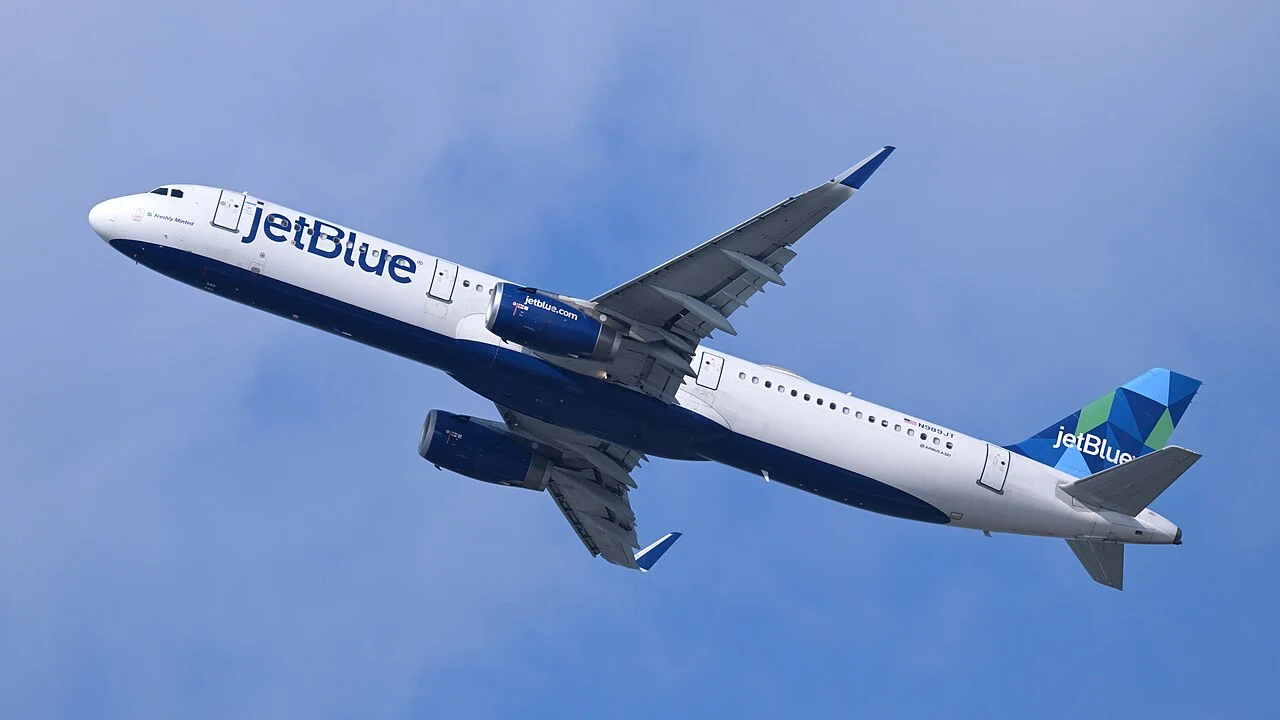
Boston’s Transatlantic Buildout Now Faces a Stress Test
The Boston-Barcelona route is one of JetBlue’s newest transatlantic additions, having launched in April 2026 as part of the airline’s push to turn Logan Airport into a major European gateway.
The route brought JetBlue’s Boston-based European network to nine daily nonstop destinations, alongside established service to London, Paris, Amsterdam, Madrid, Dublin, Edinburgh and Milan. JetBlue president Marty St. George had called the Barcelona launch a milestone in the airline’s transatlantic expansion when it debuted.
That expansion strategy is now colliding with the airline’s operational strain. Boston’s transatlantic routes rely on a small number of Mint-equipped Airbus A321LR aircraft and a correspondingly limited pool of certified long-haul pilots, meaning a single missed connection can ripple into a cancelled flight with far fewer backup options than JetBlue has on its high-frequency domestic routes.
The Barcelona cancellations follow months of operational and financial pressure at JetBlue. The airline has spent 2026 closing crew bases and maintenance operations at Newark Liberty International Airport (EWR) and LaGuardia Airport (LGA) while trimming underperforming routes, even as it invests heavily in growing Boston into a European hub.
JetBlue has also been the subject of persistent acquisition speculation, with reports suggesting the carrier has explored strategic alternatives including a potential sale to a larger competitor.
All in All
JetBlue did not immediately respond to requests for comment on the Barcelona cancellations or the broader pattern of transatlantic disruptions. For passengers, the practical takeaway is that booking JetBlue’s newer European routes now carries a higher risk of last-minute disruption than the airline’s more established domestic network, with no guaranteed rebooking protections beyond standard passenger rights.
Travelers whose flights are cancelled or delayed departing from a European airport, including Barcelona, may still be entitled to compensation under EU261 rules depending on the circumstances, though airlines routinely contest claims tied to weather or crew scheduling as outside their control. Until JetBlue’s Level 2 alert lifts, further disruptions to its transatlantic schedule remain a realistic possibility.


_departing_BOS.jpg)

