Industry speculation is mounting that consolidation could reshape the U.S. airline sector, as U.S. Transportation Secretary Sean Duffy publicly acknowledged there is “room for some mergers” among major carriers.
Duffy made his remarks in an interview with CNBC, emphasizing that any proposed deals would undergo intense regulatory review by the Department of Transportation (DOT) and the Justice Department (DOJ).
The comments, widely discussed across financial and aviation news outlets, were reinforced by market reactions to merger chatter — including stock movements suggesting investors see potential for change.
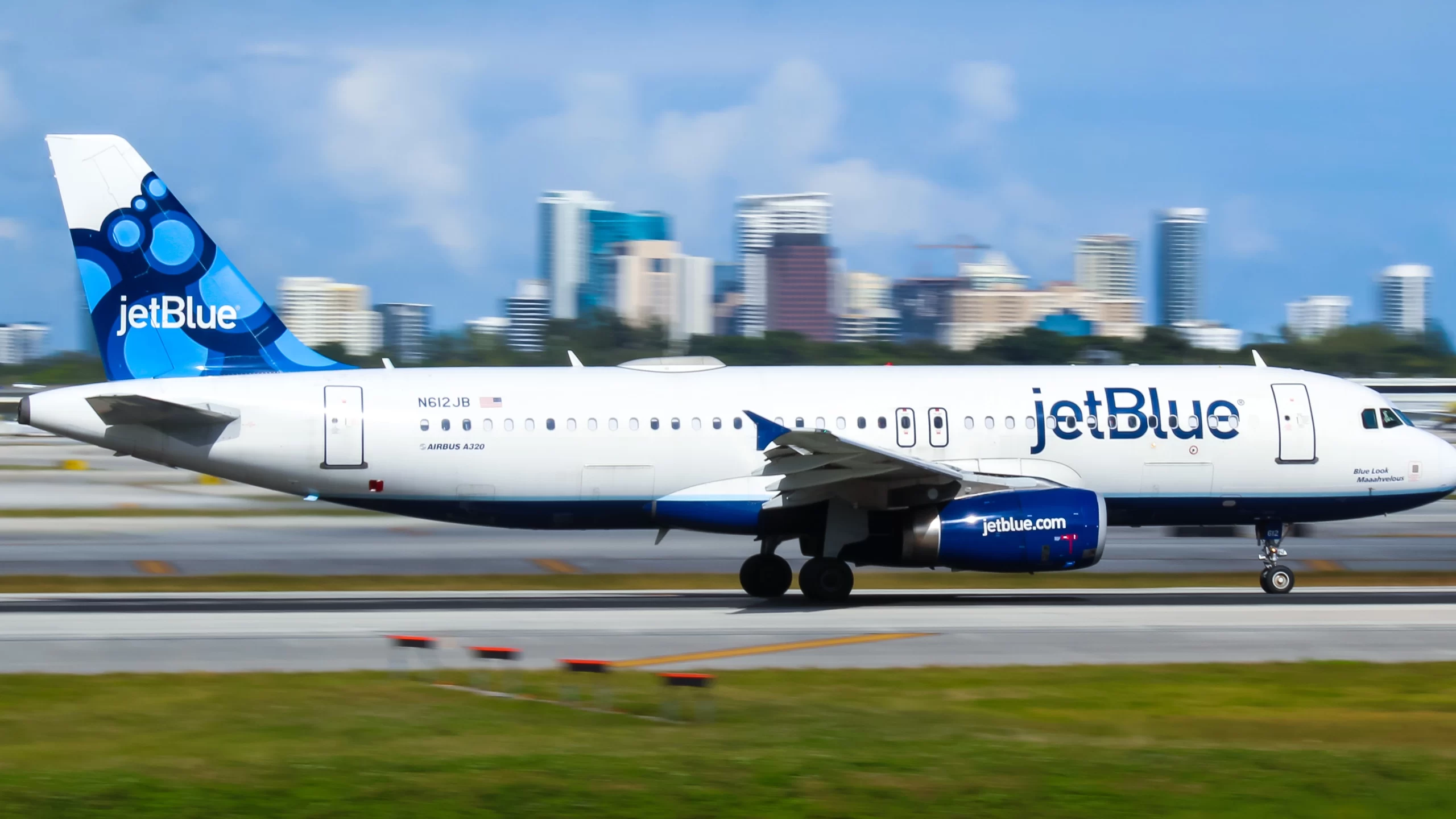
Consolidation talk has been especially strong around JetBlue Airways (B6), whose strategic options have increasingly drawn attention after a prior merger attempt was blocked.
Regulatory Signals in the United States Continue
Sean Duffy told CNBC that while consolidation is not imminent, he believes there is flexibility in the U.S. aviation market for some deals, provided they pass rigorous competition and consumer impact assessments.
He noted that President Donald Trump “loves to see big deals happen” but made clear that regulators would apply case‑by‑case scrutiny before any transaction is approved:
“That’s going to come through us, but also President Trump loves to see big deals happen, he would have to review that kind of a deal, it has to go through DOJ, it’ll come to DOT. I think, who knows who’s going to match up, right? There’s always chatter, but is there room for some mergers in the aviation industry? Yeah, I think there is.”
The DOT and DOJ have joint authority to review proposed mergers in the industry, and historical patterns show that regulators have previously required divestitures of assets to maintain healthy competition.
Duffy echoed those points in his comments, noting that while “there’s room for some mergers,” major carriers would likely need to “peel off” assets to avoid creating overly dominant airlines.
This regulatory posture contrasts strongly with the approach taken by the Biden administration, which in recent years blocked high‑profile consolidation attempts and conducted broad inquiries into competition in domestic air travel.
JetBlue Acquisition Speculation
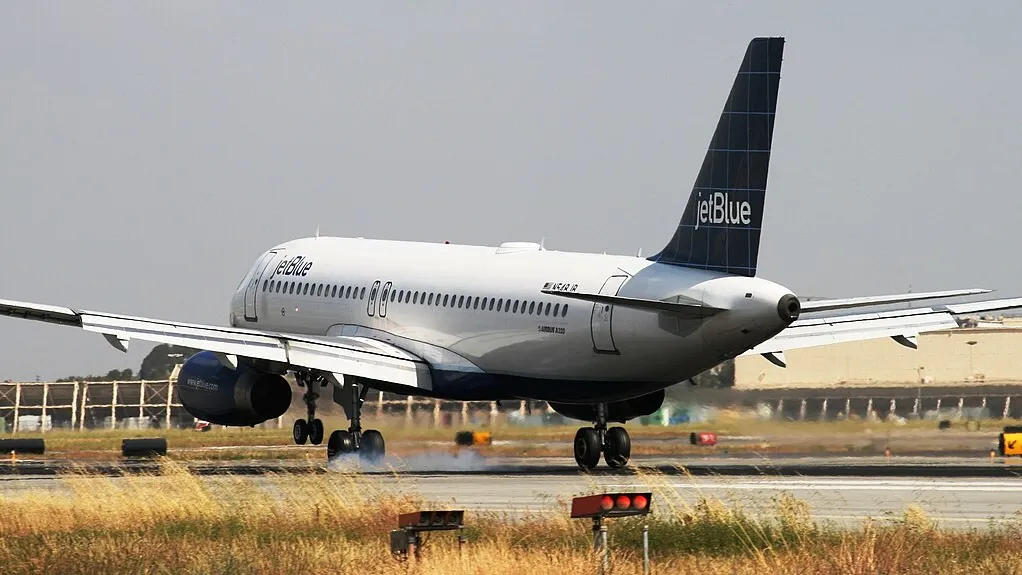
Speculation about JetBlue’s future has been gaining traction across investor and aviation circles, with reports indicating the airline has explored strategic alternatives including potential sale options.
In late March, market commentary suggested JetBlue had engaged advisers to assess how it might be acquired by a larger competitor such as United Airlines (UA) (which recently announced a $10 increase in check bag price), Alaska Airlines (AS), or Southwest Airlines (WN). Investor appetite reacted strongly, with the airline’s stock rallying on acquisition talks.
JetBlue’s unique market position — especially its strong customer loyalty and valuable airport slots like those at New York’s JFK — makes it an attractive option for larger legacy carriers seeking expanded network reach.
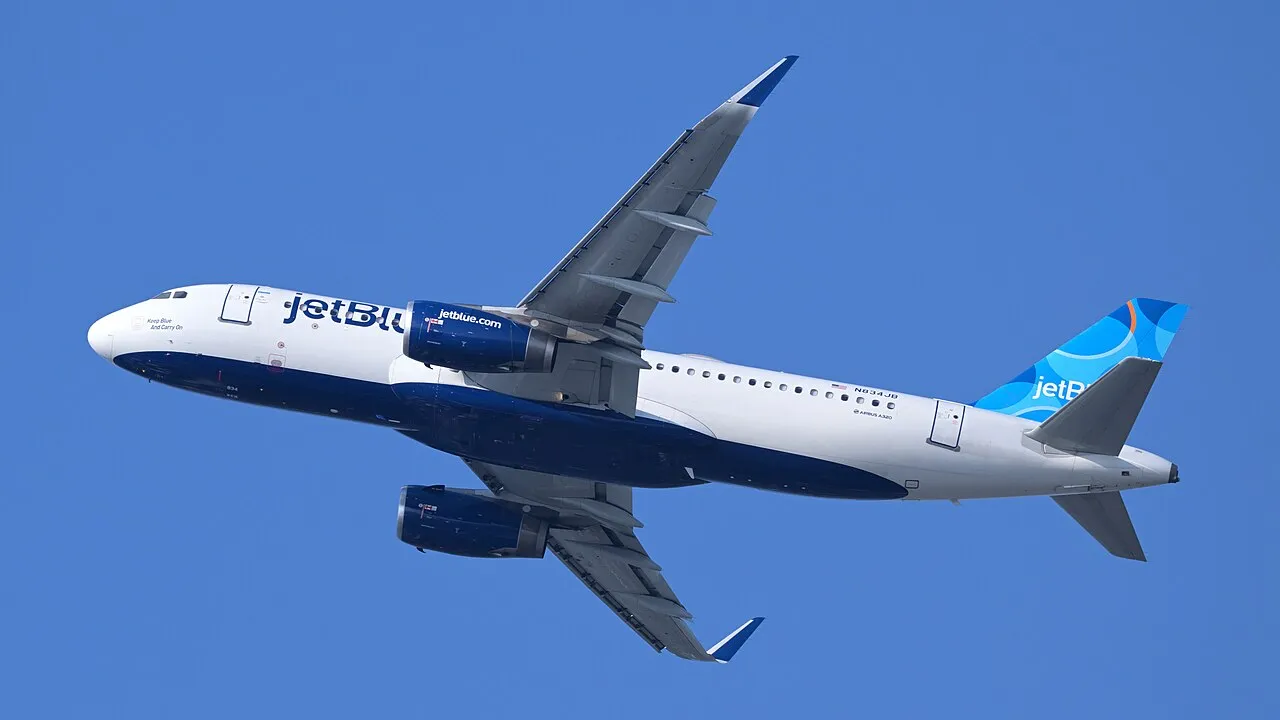
However, structural and regulatory challenges remain significant hurdles. Any deal would need to satisfy antitrust standards, protect consumers from reduced competition, and justify its long‑term benefits to the U.S. aviation system.
The backdrop to this talk includes previous merger efforts that were thwarted. Most notably, JetBlue abandoned its $3.8 billion merger agreement with Spirit Airlines after a federal judge blocked the deal on antitrust concerns. That outcome has left JetBlue in a strategic crossroads, potentially prompting renewed interest from others.
Industry analysts have pointed out that rising jet fuel prices and shifting competitive pressures could make mergers more appealing for carriers under financial strain. While the “big four” U.S. airlines — American Airlines, Delta Air Lines, United Airlines, and Southwest Airlines — continue to dominate domestic profits, smaller and mid‑sized carriers may find scale increasingly necessary to remain competitive.

All in All
Although Duffy’s remarks do not signal any imminent deal, they do reflect a notable shift in regulatory rhetoric compared to recent years. According to One Mile at a Time, if United is interested in acquiring JetBlue, or if it at least wants to make sure that no competitor gets JetBlue’s most important assets, then:
“Kirby has been very pro-Trump, and has certainly been saying the right things to get favor with him. From a regulatory standpoint, it seems like there’s no time like the present, since it seems like there would be the least regulatory scrutiny before the midterms. It seems that the bump in oil prices gives the perfect opportunity for an airline to claim that a merger is now a matter of survival more than anything else”
For now, no one knows how this situation will pan out. Aviation stakeholders are now watching closely to see how carriers respond and whether formal merger proposals will emerge.
Should a major consolidation proposal be filed, regulators will weigh its effects on competition, pricing, consumer choice, and international competitiveness.
Industry observers believe that any such review will be thorough, with outcomes shaping the next decade of U.S. airline strategy and structure.

_(2420771510).jpg)

.jpg)