India, a nation that was rocked by the crash of Air India (AI) AI 171, which is supposed to be one of the many contributing factors behind the exit of its CEO, operates only around 50 widebody aircraft – a Willie Walsh, the incoming chief executive of IndiGo (6E), has called a “scandal” (as quoted in the BBC).
Despite aircraft orders exceeding 1,000 jets (Air India and its rival IndiGo have made historic aircraft oders) and domestic traffic growing over 30% since 2020, long-haul connectivity remains heavily dependent on foreign hubs—raising a critical question: can India truly become a global aviation powerhouse without fixing its long-haul fleet imbalance?
India Might Have a Structural Weakness
India’s aviation sector is expanding at remarkable speed, driven by rising incomes, a growing middle class, and increased mobility demand. According to figures quoted in Matri Bhumi, in this nation that borders the country that houses the most dangerous airport in the world, domestic air traffic alone is “32% larger than in 2020, measured in revenue passenger kilometres (RPKs)“.
Yet beneath this growth story lies a structural constraint: a severe shortage of widebody aircraft—the backbone of long-haul international travel.
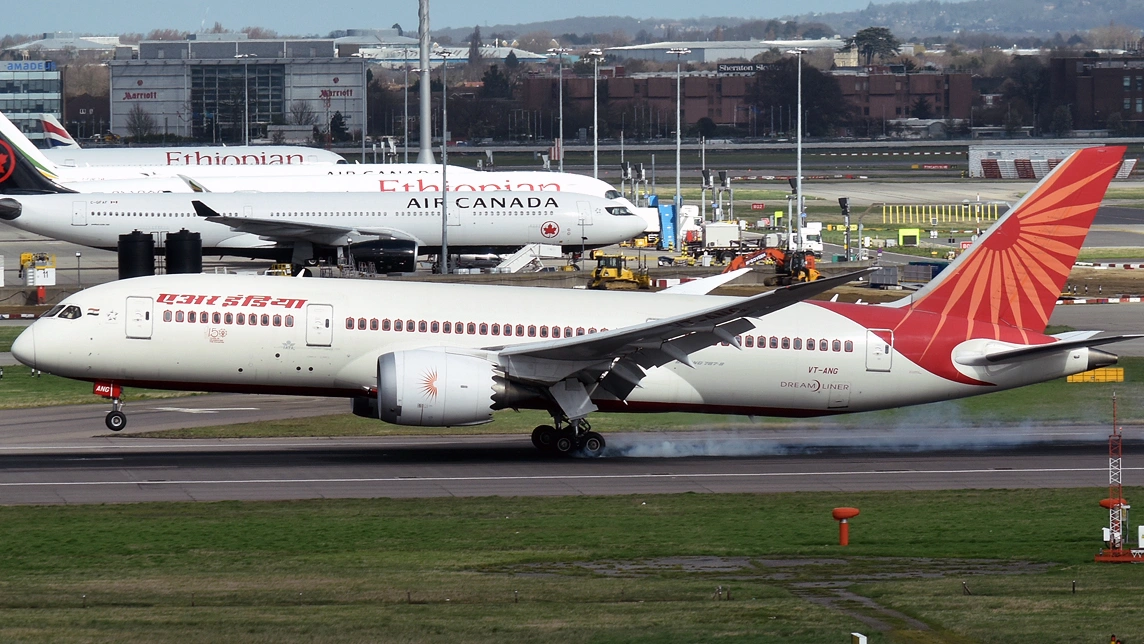
Widebody aircraft, characterized by twin aisles and higher passenger capacity, are essential for non-stop intercontinental routes. Despite India’s size and strategic geographic position between East and West, the country has operated only around 50 such aircraft in recent years—a figure widely viewed as disproportionately low.
Incoming IndiGo CEO Willie Walsh, currently Director General of IATA, described this mismatch bluntly, arguing that a country of India’s scale should have a far larger long-haul fleet. As quoted in the BBC, Walsh said:
“When you look at that, 1.4 billion people, the geography of the country, the demographics, everything points to the needs and the desire to see greater connectivity by air….When you think about it, it’s a country of 1.4 billion and counting. But they only had 50 widebody aircraft in the country last year. So that’s probably – you could describe it as a scandal… They should be much bigger than that. And I think they will be much bigger than that going forward.”
IndiGo’s Leadership Change Signals Strategic Shift
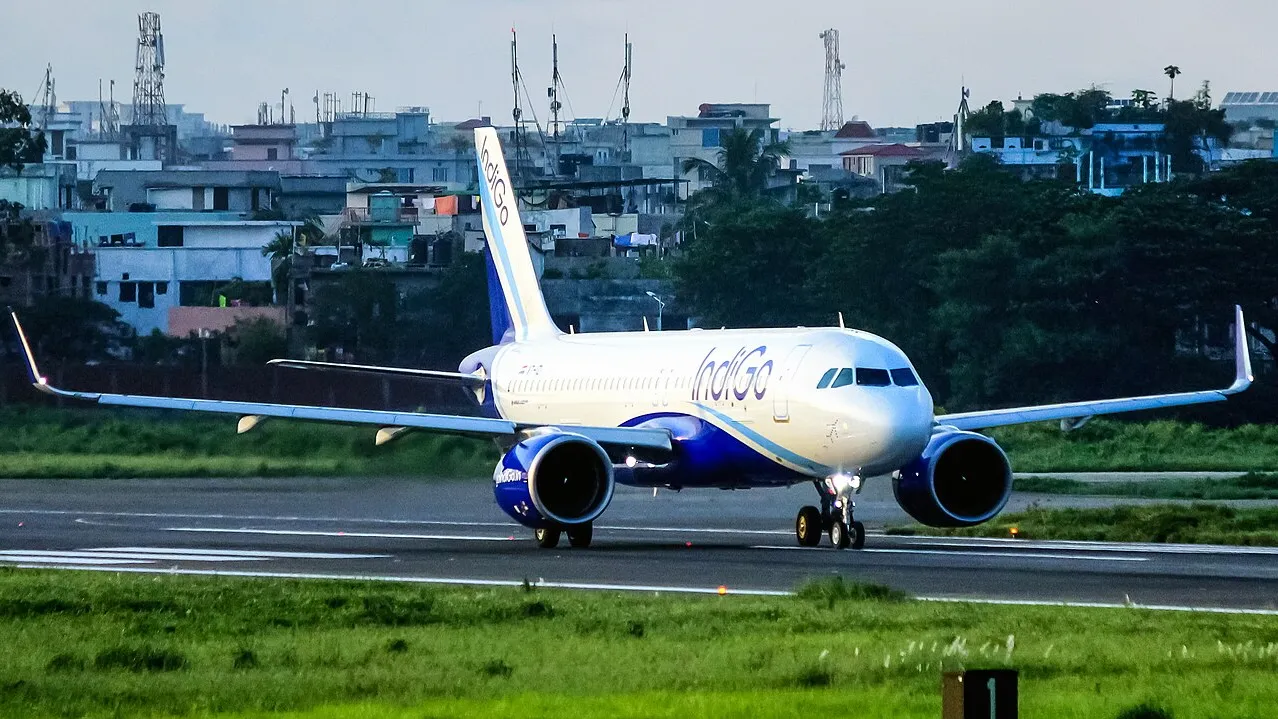
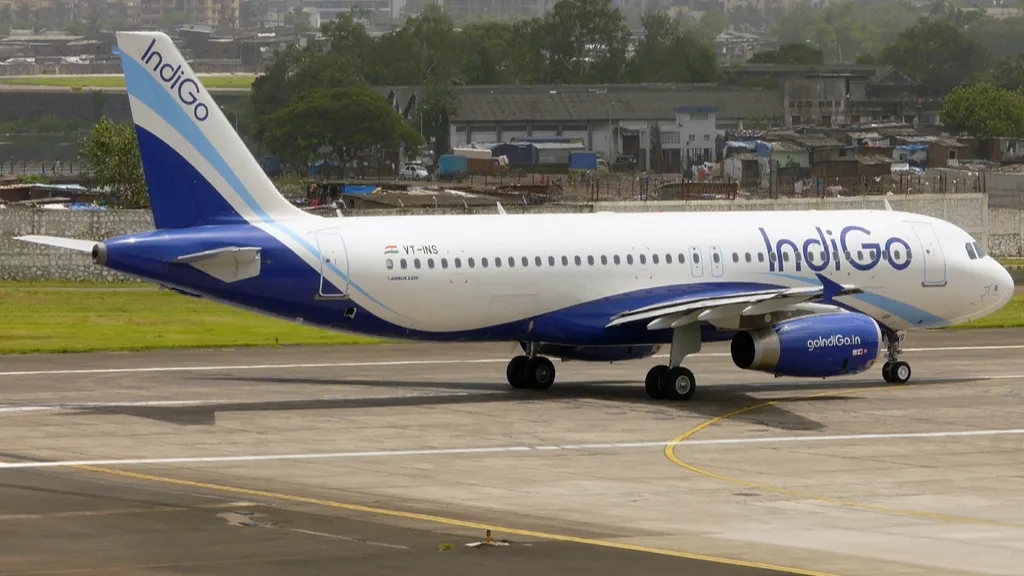
The debate around India’s aviation future comes at a moment of leadership transition at IndiGo, the country’s largest airline. Willie Walsh is set to take over as CEO in August 2026, following the departure of Pieter Elbers after a period marked by operational disruption and regulatory scrutiny. When it was announced that Walsh would be at the helm of IndiGo, Skift founder Rafat Ali wrote the following on LinkedIn:
“We’ve been saying for years that IndiGo is becoming the most consequential airline in the world. And Willie Walsh leaving IATA to run it is the exclamation point on that thesis. The man who built IAG and ran British Airways through its roughest years probably looked at every opportunity on the planet and chose India’s largest carrier,”
The airline faced a major crisis in late 2025 when thousands of flights were cancelled due to new pilot duty regulations and planning gaps, impacting hundreds of thousands of passengers and exposing operational vulnerabilities.
Walsh’s appointment is widely seen as a strategic move to steer IndiGo toward global expansion—particularly into long-haul markets where widebody aircraft are indispensable.
The Gulf Hub Dependency Problem for Indian Carriers
One of the clearest consequences of India’s limited widebody fleet is its continued reliance on foreign hubs—especially in the Gulf—for long-haul connectivity.
Passengers traveling from India to North America or Europe are frequently routed through hubs such as Dubai or Doha, allowing foreign carriers to capture a significant share of transit traffic. Industry observers note that expanding India’s widebody capacity could help domestic airlines reclaim this traffic and increase direct international connectivity.
A couple of months ago, the risks of flying over Iranian airspace led to IndiGo canceling flights to many cities across the Middle East.
Airports in Delhi, Mumbai, Bengaluru, and Hyderabad are already capable of handling long-haul operations at scale, but fleet limitations have prevented them from fully realizing their hub potential.
Other Problems Looming Over Indian Aviation
India’s aviation story is not constrained by demand. On the contrary, it is one of the fastest-growing markets globally, supported by strong demographic and economic fundamentals.
Walsh himself has described India as one of the most “exciting global markets,” noting that its scale and growth trajectory make it uniquely positioned for aviation expansion.
However, multiple bottlenecks continue to slow progress:
- Fleet composition imbalance (over-reliance on narrowbody aircraft)
- Air traffic congestion and infrastructure strain
- Regulatory and taxation complexity affecting airlines
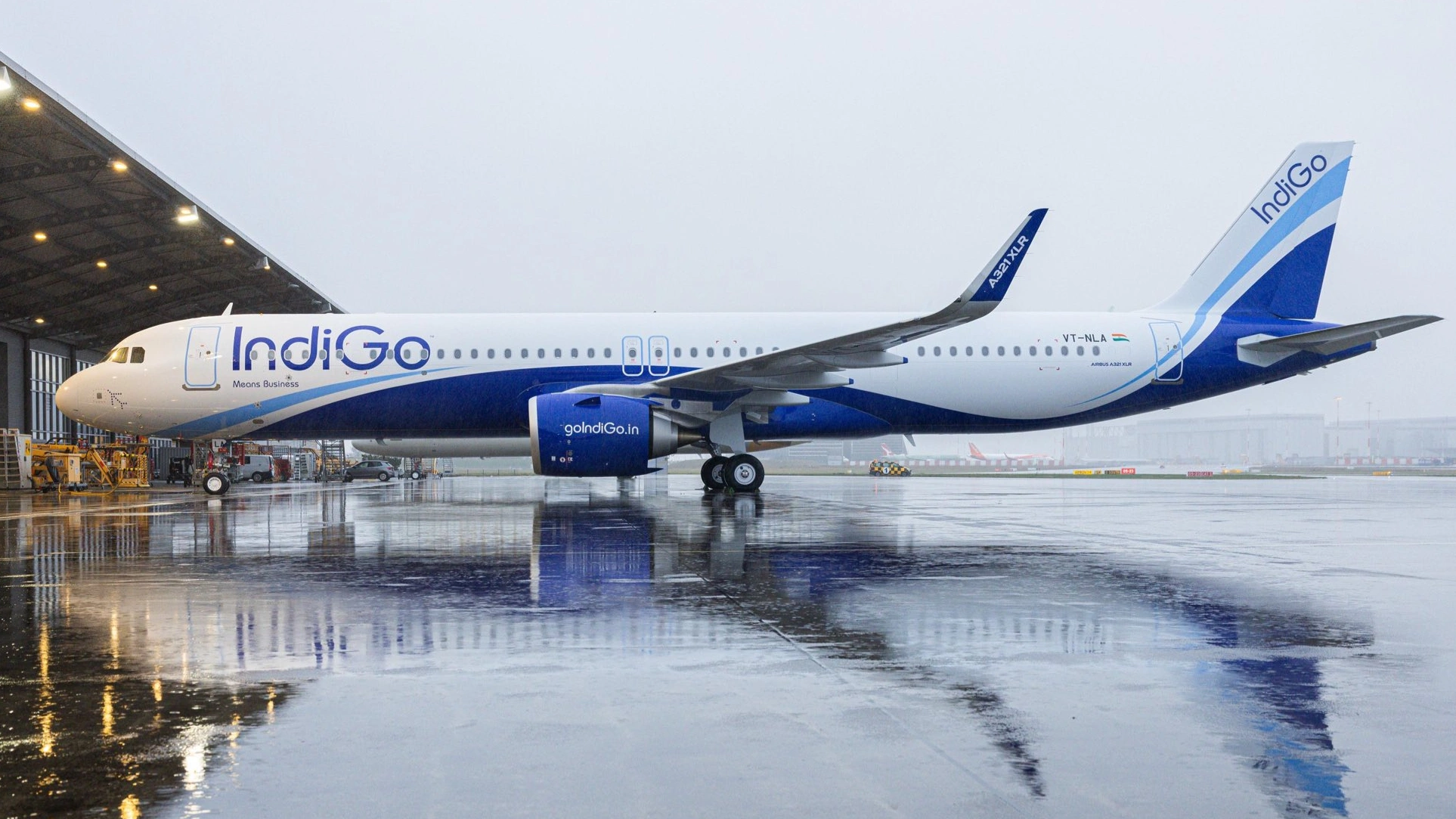
Indian airlines have already signaled intent to address this imbalance. Both IndiGo and Air India have placed massive aircraft orders—collectively exceeding 1,000 planes, including widebody jets intended for long-haul expansion.
However, delivery timelines stretch over a decade, meaning the transformation of India into a major long-haul aviation hub will take time.
The Path Forward for India: Fuel, Geopolitics, and Sustainability
India’s aviation ambitions are also shaped by global forces. Rising fuel costs—exacerbated by geopolitical conflicts and supply disruptions—continue to pressure airline economics, particularly for long-haul operations .
At the same time, the industry is navigating the transition toward sustainable aviation fuel (SAF), which remains significantly more expensive than conventional jet fuel. Industry leaders have expressed concern that high SAF prices could slow adoption, even as sustainability becomes a strategic priority.
India is already set to manufacture the Airbus H125 – the helicopter that reached the top of Everest, India has the “Aatmanirbhar” (self-sufficiency goals in aviation), and amidst all this, maybe solve its shortage of its widebodies.