The British Airline Pilots’ Association (BALPA) has warned flight crews of a “potentially catastrophic” mechanical fault on Airbus aircraft that can cause an engine to shut down without any pilot command. According to a report by Paddle Your Own Kanoo, the warning, issued on 3 August by BALPA’s Accident Analysis and Prevention (AAP) Group, follows an uncommanded engine shutdown on an Air New Zealand (NZ) Airbus A320neo in December 2024 and a similar event on a British Airways (BA) Airbus A350-1000 in February 2026. BALPA represents pilots at several UK carriers, including British Airways, Virgin Atlantic, and easyJet.
European regulators have already ordered inspections of the affected component on Airbus A319, A320, and A321 aircraft, with a compliance deadline of November 2027. BALPA says the same fire panel design also appears on the Airbus A350, a widebody type not currently covered by that directive, and is urging crews on both aircraft families to stay alert to the fault in the meantime.
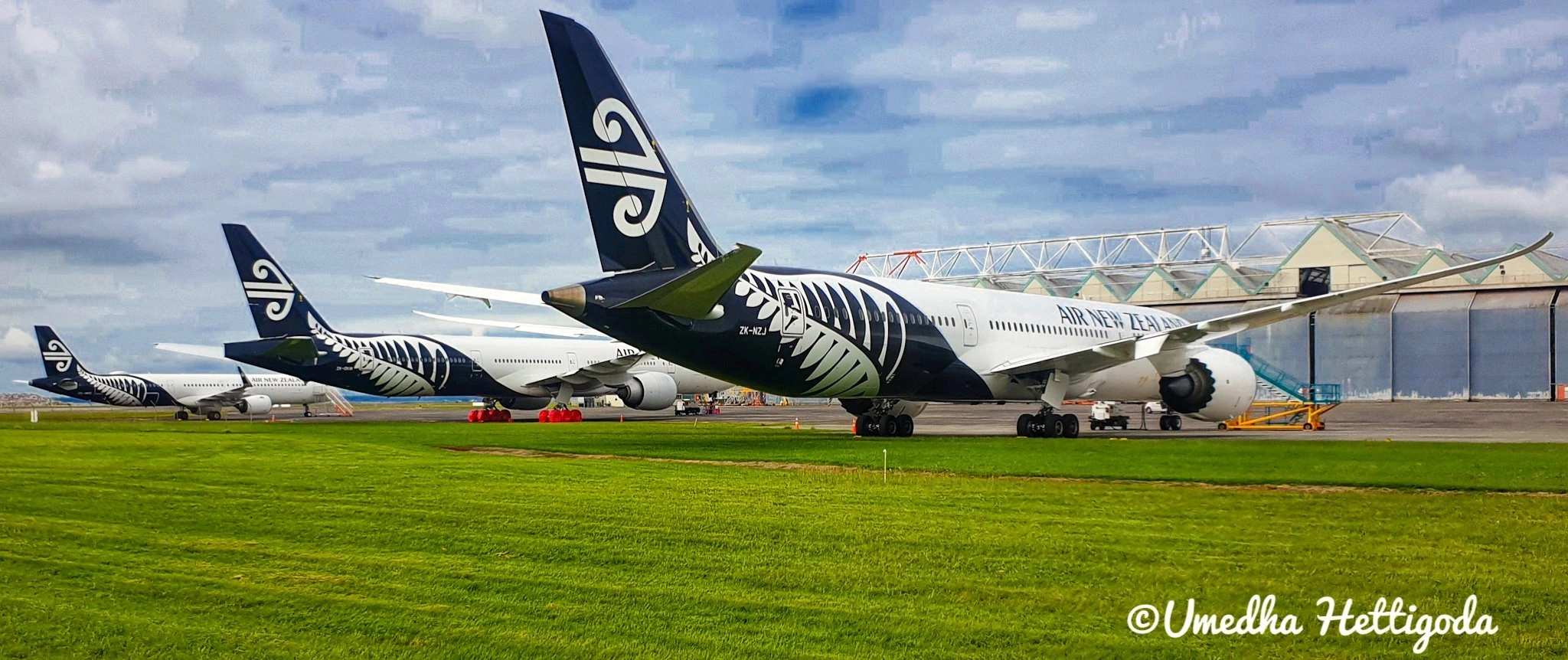
The Air New Zealand Shutdown Over the Tasman Sea
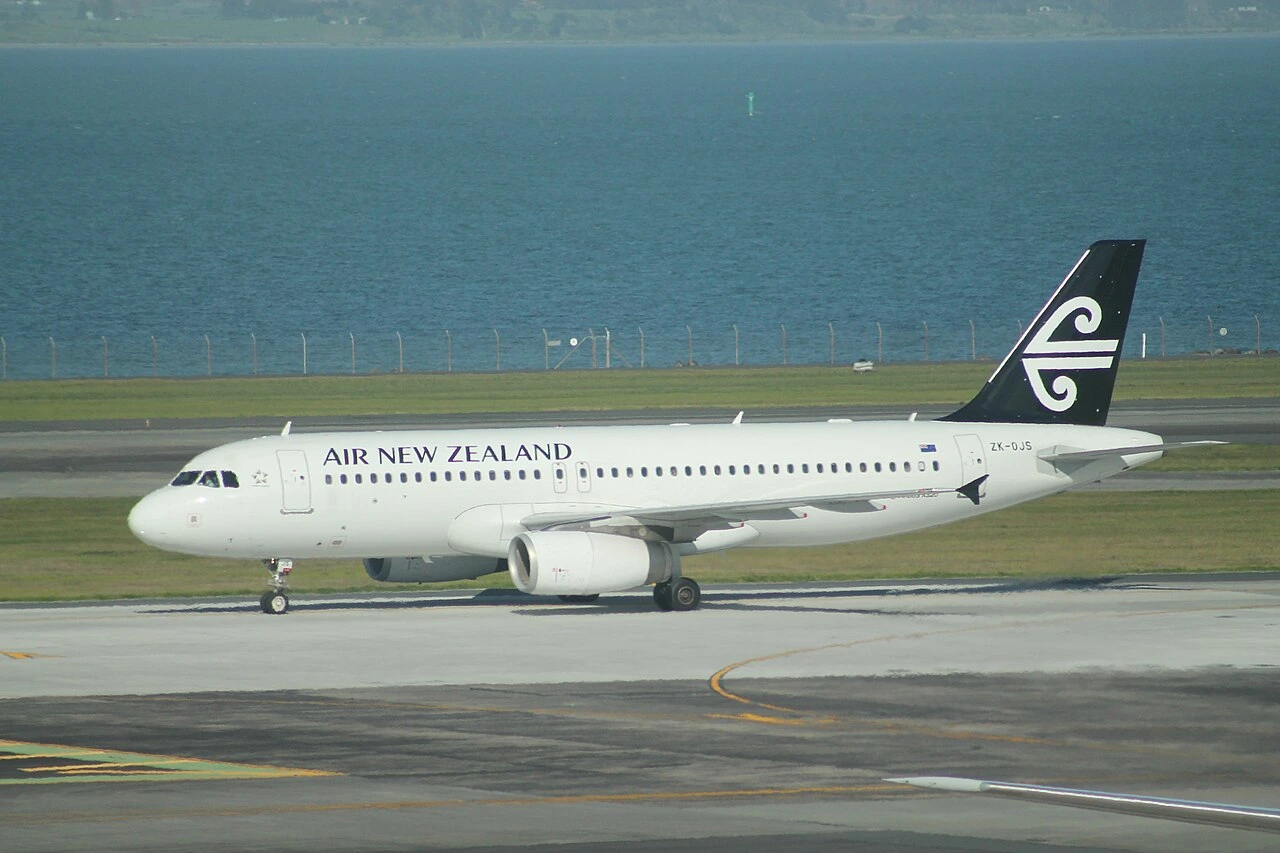
The warning centres on Air New Zealand flight NZ249, an A320neo flying Wellington to Sydney with 142 passengers and six crew members on 1 December 2024. About 40 minutes after departure, the aircraft’s right-hand engine shut down without either pilot touching the controls, and the crew declared a Mayday before diverting safely to Auckland Airport (AKL) for a single-engine landing.
New Zealand’s Transport Accident Investigation Commission traced the cause to the engine’s fire pushbutton on the overhead panel releasing on its own. A retaining pin inside the switch mechanism had been bent before installation due to mishandling by a supplier, and normal in-flight vibration was enough to pop the switch and automatically cut the engine. Both pilots independently confirmed they had not touched the switch, and the checklists in use at the time did not require crews to verify the fire panel’s position after an unexplained shutdown.
Following the investigation, the European Union Aviation Safety Agency issued Airworthiness Directive 2025-0274, an emergency order requiring operators of affected A319, A320, and A321 aircraft to inspect the fire shutoff button assembly and replace defective units. Airlines have until November 2027 to complete the work.
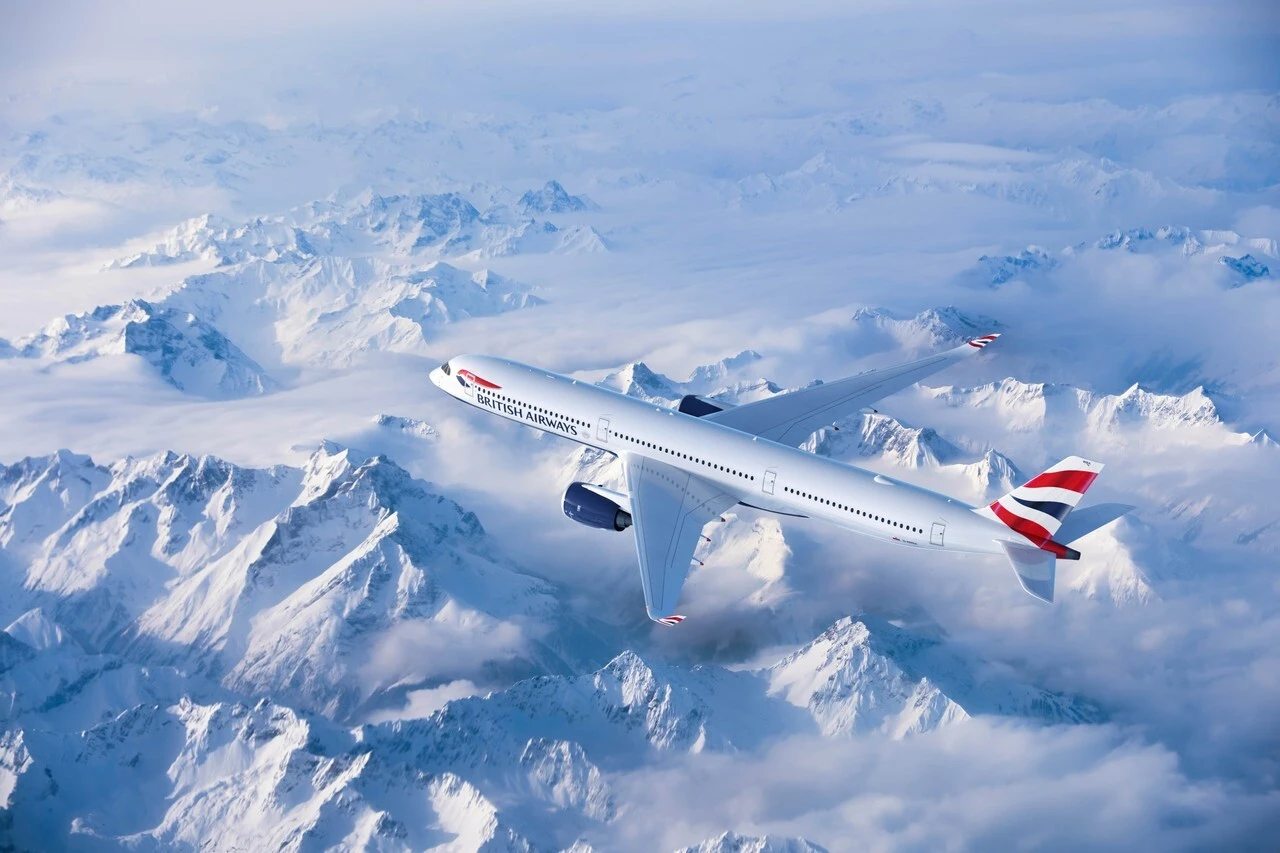
A British Airways A350 Loses an Engine Over Halifax
BALPA says a similar fault caused a second event in February, when a British Airways Airbus A350-1000 was flying from Las Vegas Harry Reid International Airport (LAS) to London Heathrow Airport (LHR). While cruising near Halifax, Canada, at night, the aircraft’s number two engine fire switch popped out on its own, cutting power to the engine while the captain was on a scheduled rest break.
The remaining flight crew saw only brief ECAM warning messages that did not immediately identify a full engine shutdown, and the pilot flying began a descent and declared a PAN emergency while stabilising the aircraft. Once the captain returned to the flight deck, the crew consulted maintenance control and pushed the fire switch back into its normal position, successfully relighting the engine in flight before continuing to Heathrow and landing normally. The official accident report has not yet been published, so investigators have not formally confirmed the same mechanical fault was responsible.
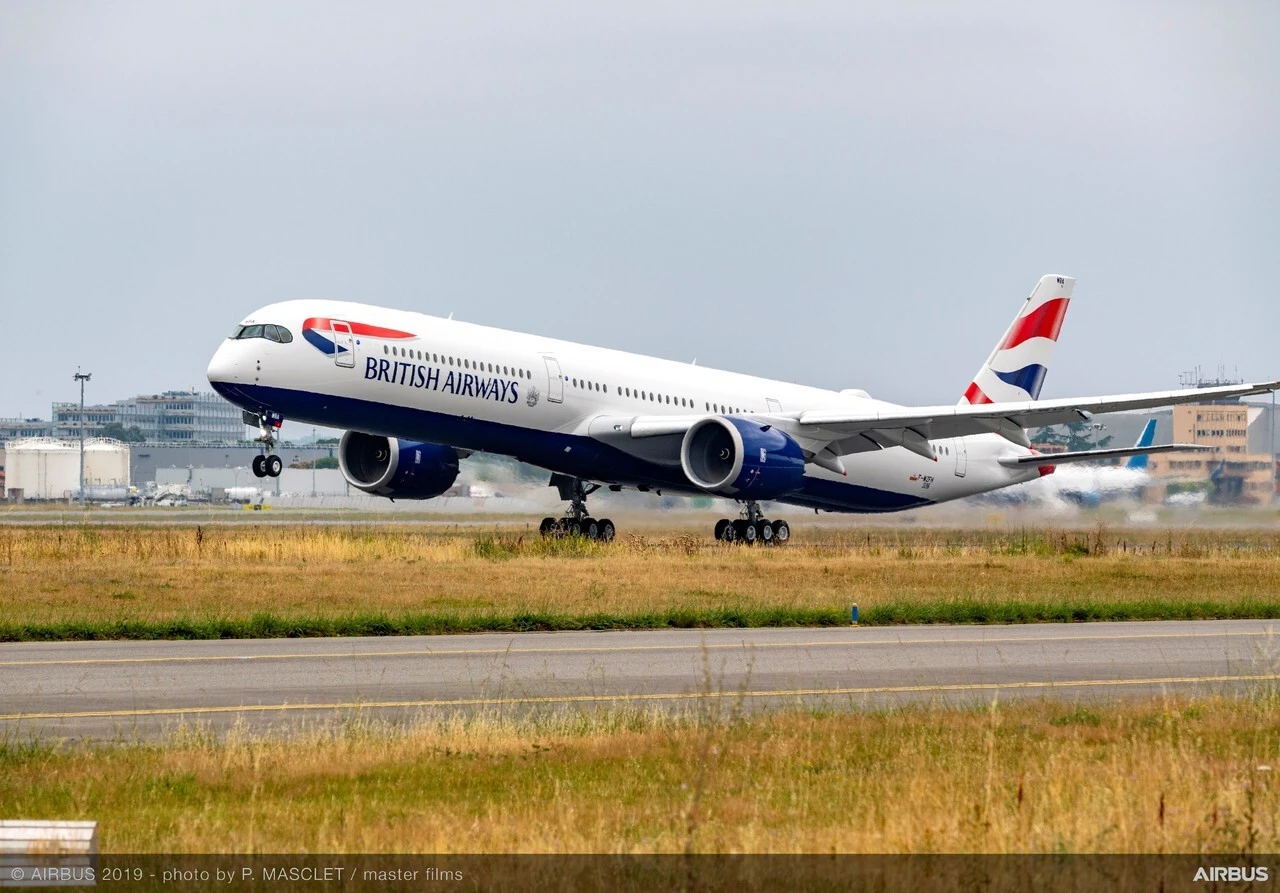
Why the Fault Is Easy for Crews to Miss
BALPA says both incidents point to a defect that gives pilots almost no warning before it strikes. Airbus fire switches sit recessed and guarded high on the overhead panel, outside the normal instrument scan unless a fire warning is already active, and the visual cue when one releases mechanically is subtle, especially at night, though crews may hear a distinct click as it pops out. In the Air New Zealand event, that click was reportedly one of the only warning signs before the engine lost power.
The engine fire shutoff button is designed only for confirmed fire emergencies. Once triggered, it cuts fuel supply, isolates electrical systems, and closes the engine’s bleed air valve, while fire-extinguishing agents deploy only after separate ECAM instructions confirm signs of an actual fire.
BALPA Rates the Risk Medium to High Until Switches Are Replaced
BALPA’s own risk assessment describes the failure as low in likelihood but high to potentially catastrophic in severity, depending on the phase of flight, particularly if a crew misidentifies what is happening during initial climb or around takeoff decision speed. The union rates the overall risk as medium to high until the suspect switches are replaced across the global fleet. Safran issued service bulletins covering the fault in late 2024, with Airbus following up with inspection instructions the same December.
BALPA is advising crews to keep fire indication discipline tight, cross-checking before acting on any fire-related warning, and to include false fire handle and pushbutton scenarios in simulator training. The union says it will continue monitoring regulatory progress on the existing directive and is urging members flying affected Airbus types to review the relevant service bulletins with their operators without delay.

.jpg)
.jpg)