Himalaya Airlines (H9) welcomed a delegation from the Office of the United Nations High Commissioner for Human Rights (OHCHR) and the International Aviation Innovation Organization & Norm Airlift Resources Development Organization (IAIO-NARDO) on July 24, 2026. The meeting took place in Kathmandu, at the airline’s base near Tribhuvan International Airport (KTM). Airline staff and UN officials discussed how carriers can make flying more accessible and dignified for older passengers.

The dialogue is part of a wider global effort to protect the rights of older persons in aviation. Dr. Chitralekha Massey, who leads the Rights of Older Persons Section at OHCHR, joined the visit along with two colleagues from IAIO-NARDO and the UN Secretariat. Himalaya Airlines used the session to explain its passenger care practices, while the delegation shared international standards on inclusive travel for seniors.
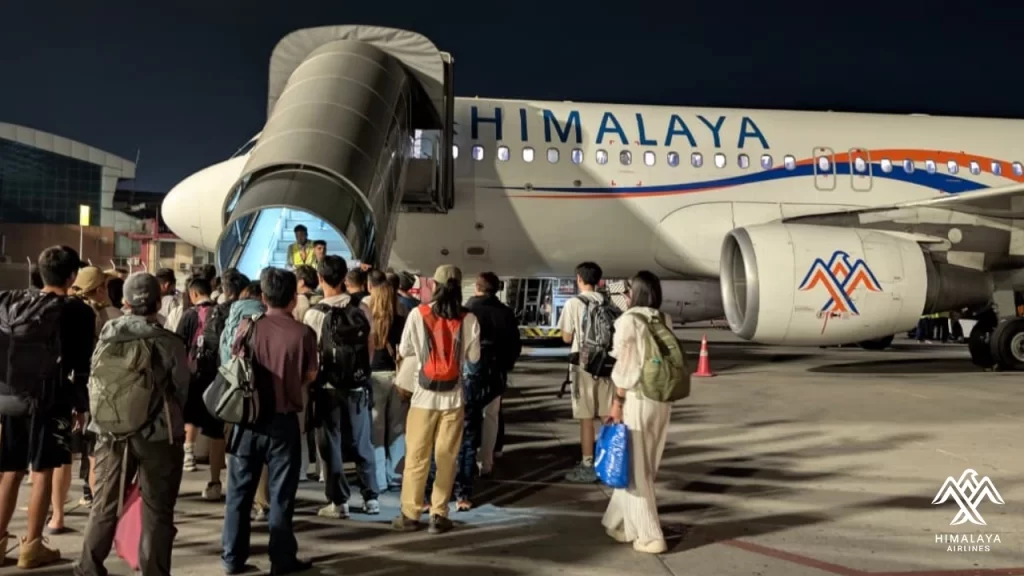
Who Attended the Himalaya Airlines Meeting in Kathmandu
Three delegates represented the visiting side. Dr. Chitralekha Massey attended as Chief of the Rights of Older Persons Section, OHCHR, a role she has held since 2024 within the office’s Development, Economic and Social Issues Branch, based in Geneva, according to the Canadian Network for the Prevention of Elder Abuse. Chai Shuai, Director of UNOG and EU Affairs at IAIO-NARDO, and Chen Kejian, an Officer for the Rights of Older Persons at the UN Secretariat, completed the delegation.
IAIO-NARDO describes itself as an international academic organization formed in the spirit of the UN Charter to support UN Sustainable Development Goals through innovation in civil aviation, according to a statement filed with the UN Committee of Experts on Public Administration. The group has separately published aviation sustainability rankings that assessed 350 airlines worldwide, using a scoring system it calls ESGAcode. Only two carriers, Emirates and Qatar Airways, reached the top 5A rating in that ranking.
Its involvement places the Himalaya Airlines meeting inside a broader pattern of engagement between the organization and airlines on social and governance issues. IAIO-NARDO frames this work as academic research rather than regulation, and it invites airlines to submit case studies for review. The Kathmandu meeting extends that outreach model into the specific area of age-inclusive service.
Vijay Shrestha on Age-Inclusive Travel
Vijay Shrestha, Vice President of Administration at Himalaya Airlines, addressed the delegation directly. He said air travel should be accessible for every passenger, no matter their age. “At Himalaya Airlines, we believe that air travel should be accessible, respectful and dignified for every passenger, regardless of age,” Shrestha said, according to the airline’s press release.
Shrestha called the visit a privilege and framed it as a chance to learn from a global conversation on inclusion. “We value this opportunity to share our experiences, learn from this important global dialogue and contribute towards creating more inclusive sky for everyone,” he added. His comments echo language he used in June 2026, when he described the airline’s China route expansion as proof of its willingness to move ahead of market trends, a point covered in an our report on the Kathmandu-Shenzhen launch.
Why Age-Inclusive Aviation Matters
The meeting sits against a fast-changing demographic backdrop. The number of people aged 65 and over is projected to double to 1.5 billion by 2050, when one in six people worldwide will fall into that age group. Massey has also stated publicly that by 2030, the number of people over 80 will exceed the number of children under one, a figure she cited during a UN housing forum. Nepal recently introduced up to 80% discount on airfares for its senior citizens.
These numbers matter for airlines because ageing populations fly too, and often need different support at check-in, security, and boarding. OHCHR notes that no single international treaty yet protects the rights of older persons the way conventions exist for children or persons with disabilities. A UN working group is currently drafting that treaty, and OHCHR staff such as Massey take part in the process alongside member states and civil society groups.

That treaty gap is why sector-level dialogues, like the one Himalaya Airlines hosted, carry weight beyond a single airline’s operations. Massey has separately warned that one in six people over 65 worldwide faces violence, abuse, or neglect, a figure she cited at the World Urban Forum in Baku. Aviation companies that meet with her office get an early look at the standards a future treaty could eventually require.

Himalaya Airlines’ Fleet and Safety Credentials
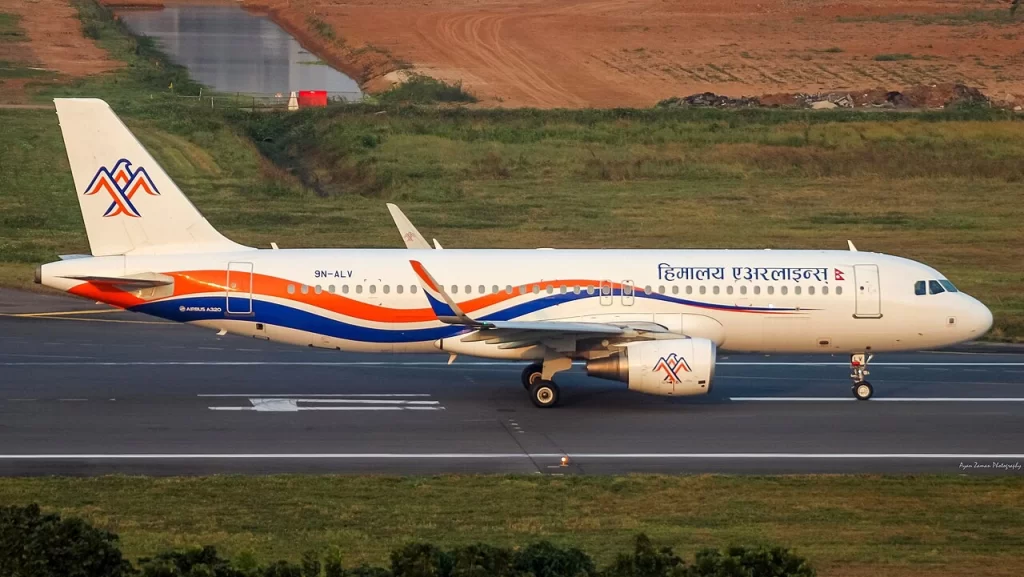
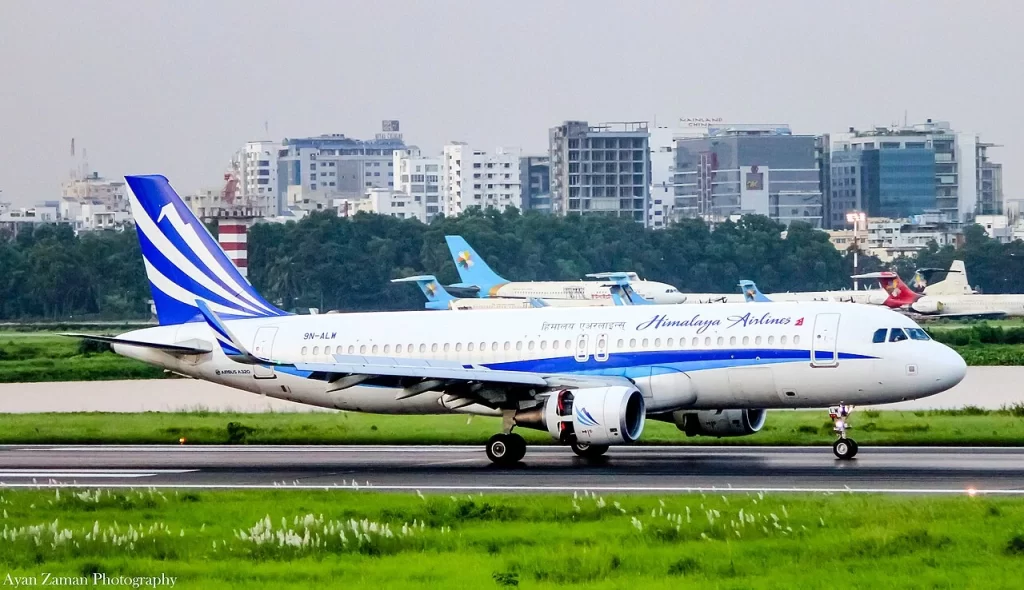
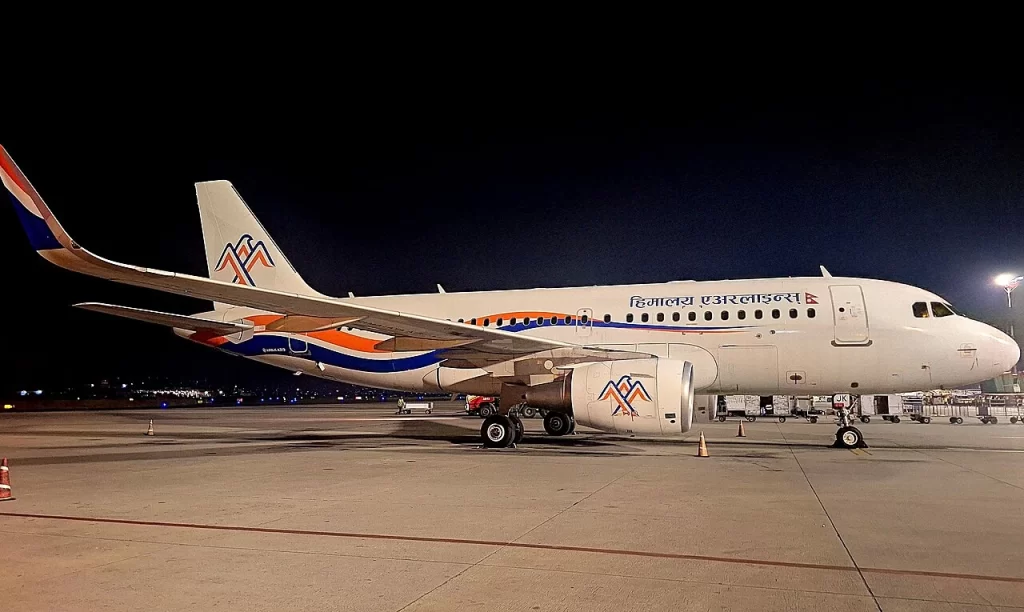
Himalaya Airlines operates four Airbus narrowbody aircraft from Tribhuvan International Airport, according to the carrier’s corporate profile. The fleet breaks down as follows:
- Three Airbus A320-214 aircraft, each fitted in an all-economy layout with 180 seats
- One Airbus A319-115 aircraft, fitted in an all-economy layout with 144 seats
- An average fleet age of roughly 8.5 years, among the youngest of any Nepali carrier, according to AirlineRatings
Safety certification adds further context to the airline’s passenger-care claims. On December 28, 2023, Himalaya Airlines became the first and only airline in Nepal to earn IOSA Operator certification and to register as an International Air Transport Association (IATA) member airline. It also became the first Nepali carrier to hold ISO 9001:2015 QMS certification, awarded on December 29, 2021, and it introduced Automated External Defibrillators across its fleet in September 2021, making it the only Nepali airline to carry the life-saving devices onboard.
All in All
Neither Himalaya Airlines nor OHCHR announced firm commitments or a follow-up timeline after the July 24 meeting. The airline’s statement described the session as an exchange of perspectives rather than an agreement with specific deliverables. Massey, for her part, offered to keep sharing OHCHR’s expertise with the aviation sector going forward.