Korea Aerospace Industries (KAI) expects to deliver eight KF-21 Boramae fighters to South Korea’s air force by the end of 2026, and it anticipates a follow-on order for dozens more. Dong Haik Shin, KAI’s vice-president of international business development, confirmed the timeline to FlightGlobal at the Farnborough air show, where he also addressed the status of Indonesia’s long-delayed commitment to the programme.
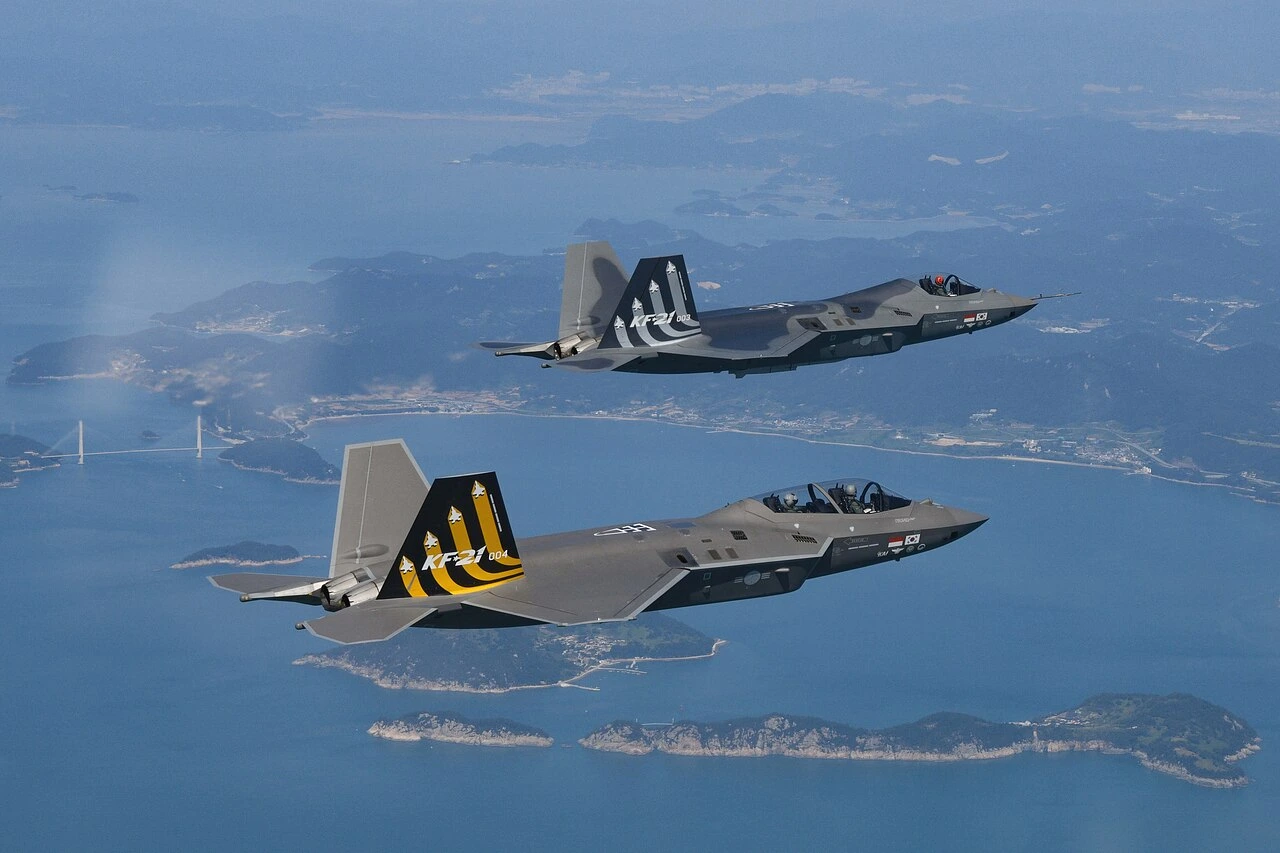
The update matters because it signals momentum for South Korea’s first indigenous fighter jet just as its junior partner, Indonesia, weighs the aircraft against newer Rafale and Kaan deliveries. Two production KF-21s are already undergoing verification flights ahead of acceptance in September and delivery to the Republic of Korea Air Force (ROKAF) in October.

Why South Korea Needs a Domestic Fighter Programme
South Korea has relied on imported fighters for decades, operating F-16, F-15K, and F-35A types purchased directly from the United States. The KF-21 changes that dynamic by giving KAI, and by extension the wider South Korean defence industry, control over a fighter’s design, upgrade path, and export licensing terms.
That independence matters strategically as well as commercially. It reduces Seoul’s exposure to foreign arms-export restrictions and gives the ROKAF a platform it can modify freely as threats from North Korea and the wider region evolve.

South Korea’s Order Book Grows Beyond the First 40 Jets
KAI has so far received firm orders for 40 KF-21s to serve with the ROKAF, and Shin says a second batch is expected soon. “We expect orders for another 80 in the second batch,” he told FlightGlobal, describing the first phase of procurement as moving smoothly.
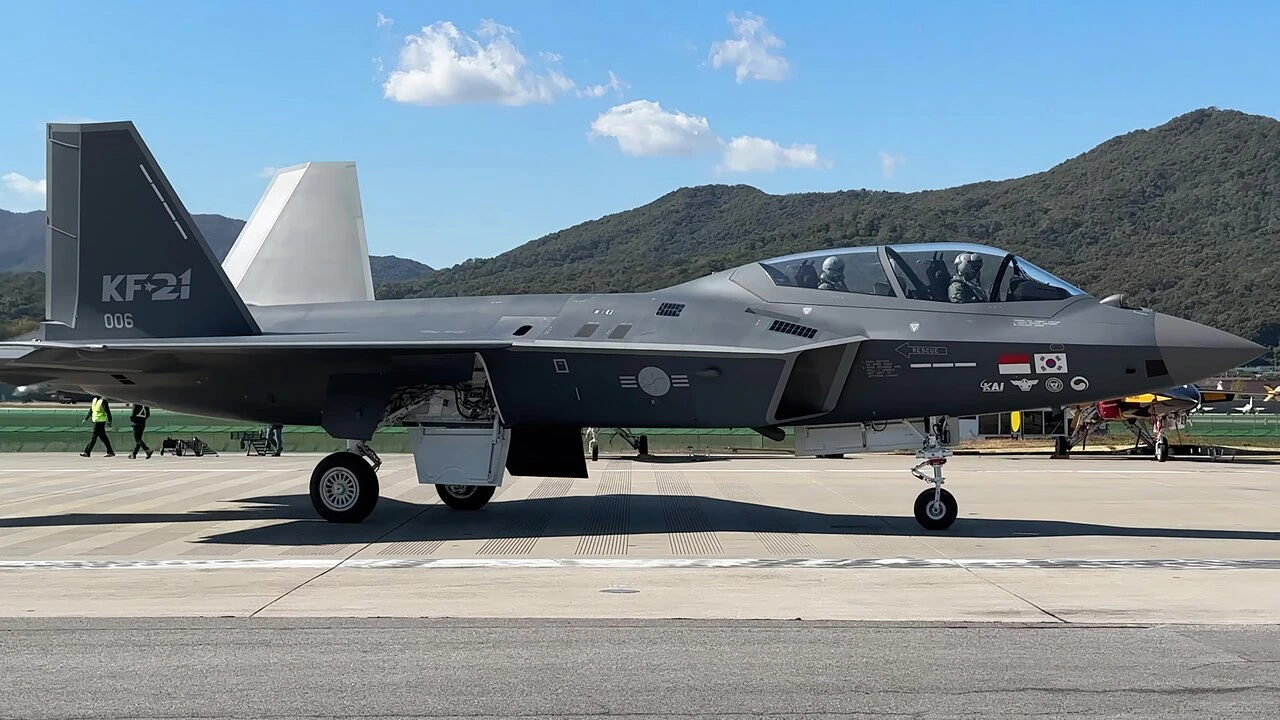
The programme cleared a major milestone shortly before Farnborough when the KF-21 obtained initial type certification in South Korea. KAI and the ROKAF have consistently maintained that the twin-engined fighter will enter service before the end of 2026, a target that now looks achievable given the pace of production at KAI’s Sacheon facility.
Block 1 And Block 2 Split Air-To-Air and Strike Roles
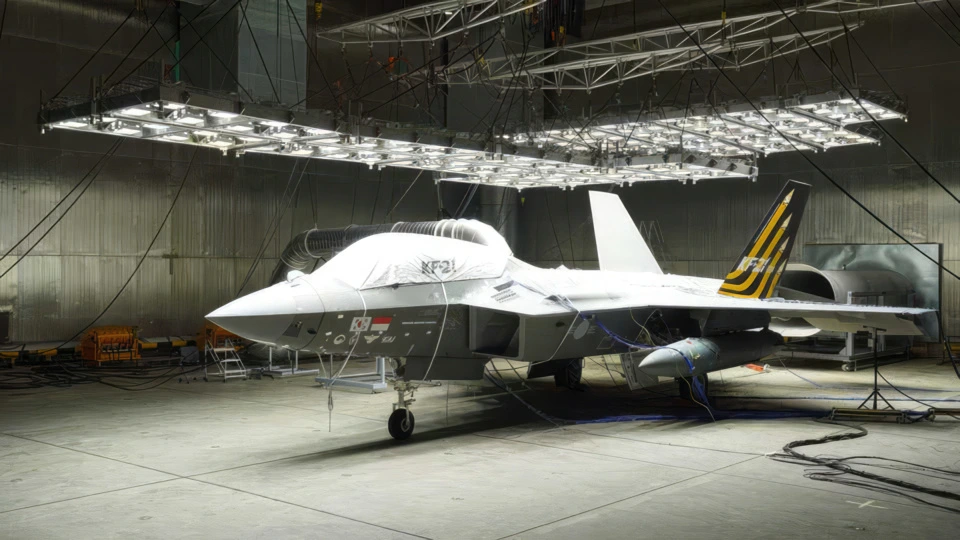
The initial 40 Block 1 aircraft are optimised for the air-to-air mission, giving the ROKAF a modern interceptor to replace ageing F-4 and F-5 types. The follow-on Block 2 jets, by contrast, will carry a comprehensive ground-attack capability, expanding the KF-21 into a genuine multirole platform.
This phased approach mirrors how South Korea structured KF-21 development from the outset, building air superiority capability first before layering in strike systems and, eventually, deeper stealth features under a planned Block 3 or KF-21EX variant. The aircraft is often described as a bridge between 4.5-generation and true fifth-generation fighters, since it lacks the full internal weapons bays of aircraft like the Lockheed Martin F-35.
Indonesia’s Commitment Survives Years Of Financial Friction
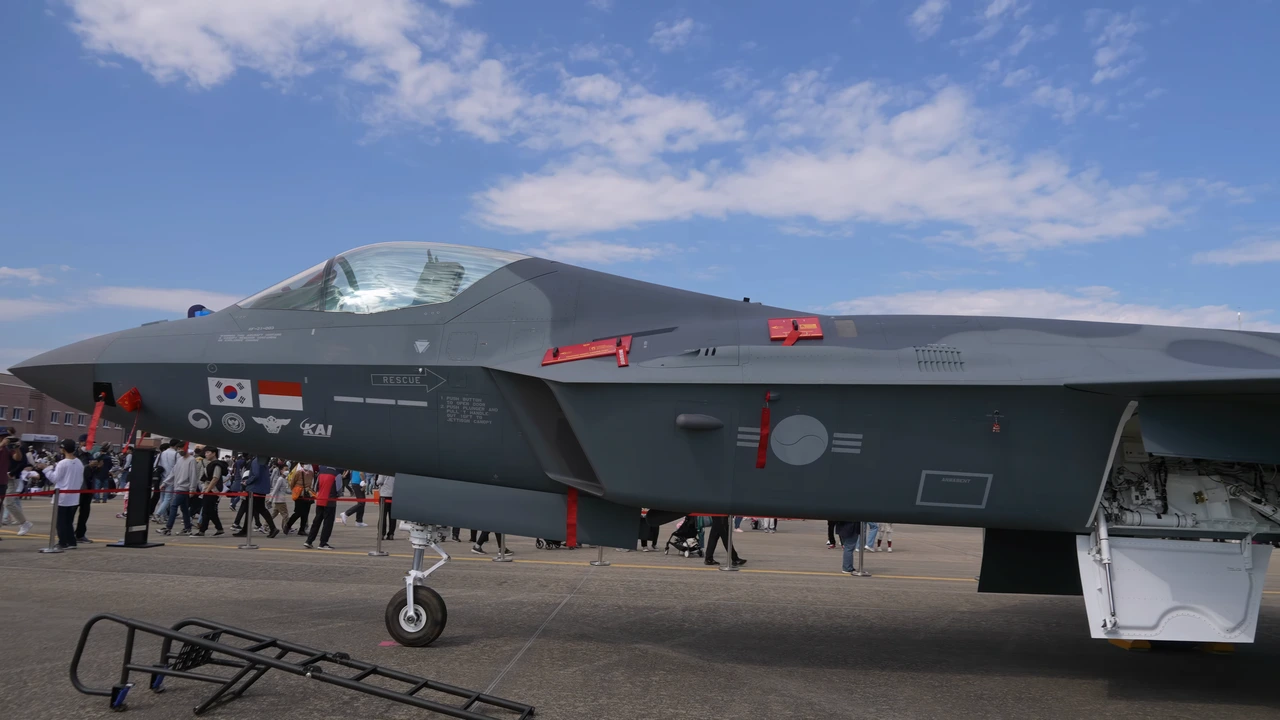
Indonesia remains the KF-21 programme’s junior partner, and Shin confirmed that Jakarta has now paid its share of development costs after years of delay. Indonesia originally agreed to fund about 20% of development costs, but the two governments later reduced Jakarta’s share to 600 billion won while also scaling back the technology transfer included in the deal.
Discussions are now underway for Indonesia’s initial batch of 16 KF-21s, with total Indonesian orders potentially reaching 48 aircraft. Should that deal close, the jets would be built by KAI in South Korea, though Indonesia would still retain some industrial participation rather than the domestic IF-X production originally envisioned.
Why Jakarta’s Growing Rafale and Kaan Fleets Raise Questions
Indonesia’s hesitation partly reflects competition from elsewhere in its own fighter shopping list. The country has taken delivery of its first Dassault Rafale fighters under a separate deal with France, and it has also signed for 48 Turkish Aerospace Kaan jets, both of which compete for the same modernisation budget as the KF-21.
That combination has left analysts questioning how committed Jakarta truly is to the South Korean programme, even as KAI insists the partnership is back on track. Indonesia’s familiarity with KAI hardware runs deeper than the fighter deal alone: the country recently received six additional T-50I trainers, bringing its fleet to 22 aircraft, and it operates 20 KAI-built KT-1 basic trainers.
The KF-21 Enters A Crowded Mid-Tier Fighter Market
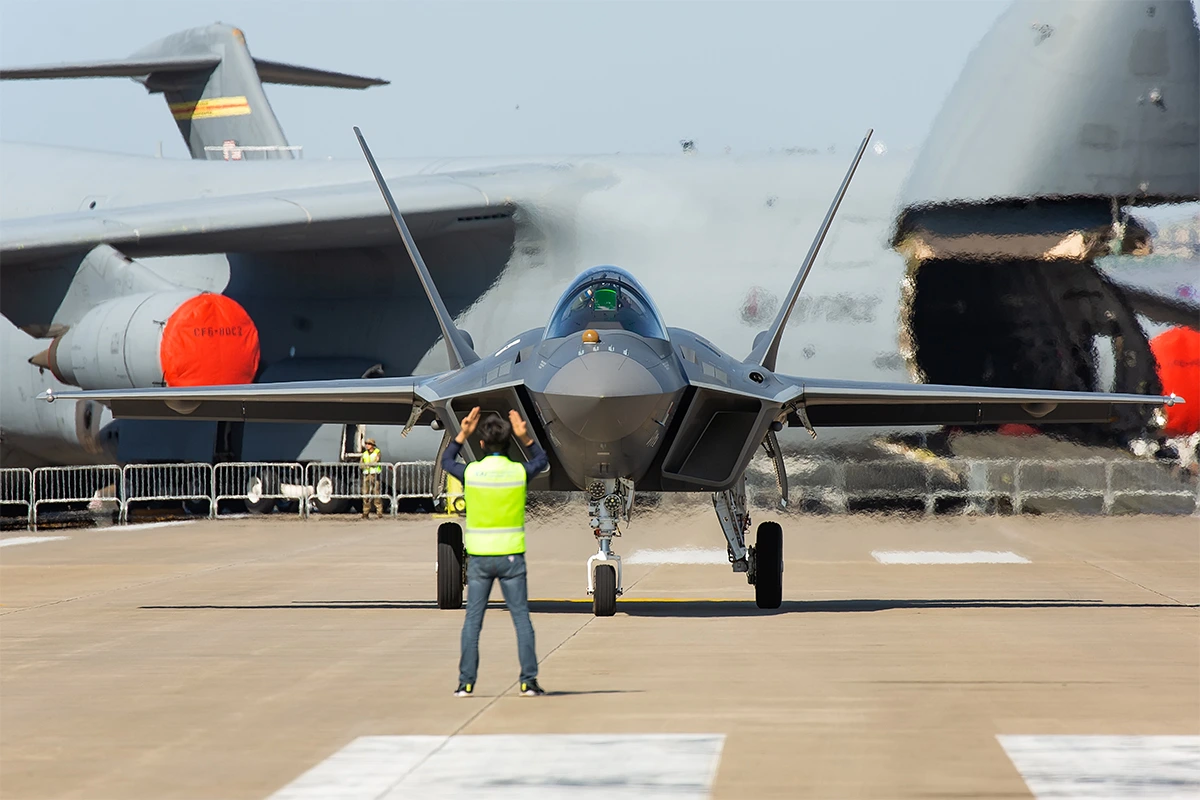
South Korea is positioning the KF-21 as an affordable alternative to true fifth-generation jets, at a time when several nations are shopping for exactly that kind of aircraft. The Chengdu J-20, Lockheed Martin F-35, and Lockheed Martin F-22 all sit above the KF-21 in stealth and sensor capability, but they also carry acquisition and operating costs that put them out of reach for many mid-sized air forces.
That price gap is precisely where KAI hopes the KF-21 will compete. The jet’s semi-stealth airframe, AESA radar, and compatibility with Western weapons systems appeal to countries that want a modern, twin-engine multirole fighter without committing to the F-35’s ownership costs or the political conditions attached to buying from Washington.
Turkey’s Kaan programme is chasing the same market, which explains why Indonesia’s parallel commitment to both aircraft has drawn scrutiny. Both jets remain earlier in their production maturity than the F-35 or Eurofighter Typhoon, meaning early export customers are effectively betting on each programme’s long-term support and upgrade path rather than a fully proven combat record.
What A Confirmed Indonesian Order Would Mean
A finalised 48-jet Indonesian order would mark the clearest signal yet that the KF-21 has moved past its early funding disputes and outright doubts over its future. It would also validate the aircraft’s export appeal at a moment when rival mid-tier fighters, including the Kaan, are chasing the same pool of buyers across South East Asia.
For now, the immediate milestone remains domestic. Once the first two production jets reach the ROKAF in October, South Korea will formally begin operating an indigenous fighter design for the first time, a step that has taken more than a decade of development since the KF-21’s first flight in July 2022.
Indonesia’s own experience with KAI aircraft should help smooth any final agreement. Jakarta already operates 22 KAI-built T-50I advanced jet trainers and 20 KT-1 basic trainers, giving its air force a working relationship with KAI’s training, maintenance, and support pipeline well before any KF-21 fighters arrive.