Air New Zealand (NZ) is emerging from years of operational problems with a fleet-wide cabin refresh the airline says will leave it with one of the most modern wide-body products in the sky. According to Australian Financial Review, Chief customer officer Jeremy O’Brien said a retrofit of the carrier’s Boeing 777-300ER fleet has let Air New Zealand close the chapter on engine failures that hit its aircraft since the COVID-19 pandemic.
The update comes as Qantas (QF) increases its investment in New Zealand and prepares Project Sunrise, its plan for nonstop flights between Sydney and New York. Both carriers’ shares were trading higher on 22 July 2026, with Air New Zealand at NZ$0.355, up 1.43%, and Qantas at AU$10.14, up 0.50%, according to market data cited in the same report.
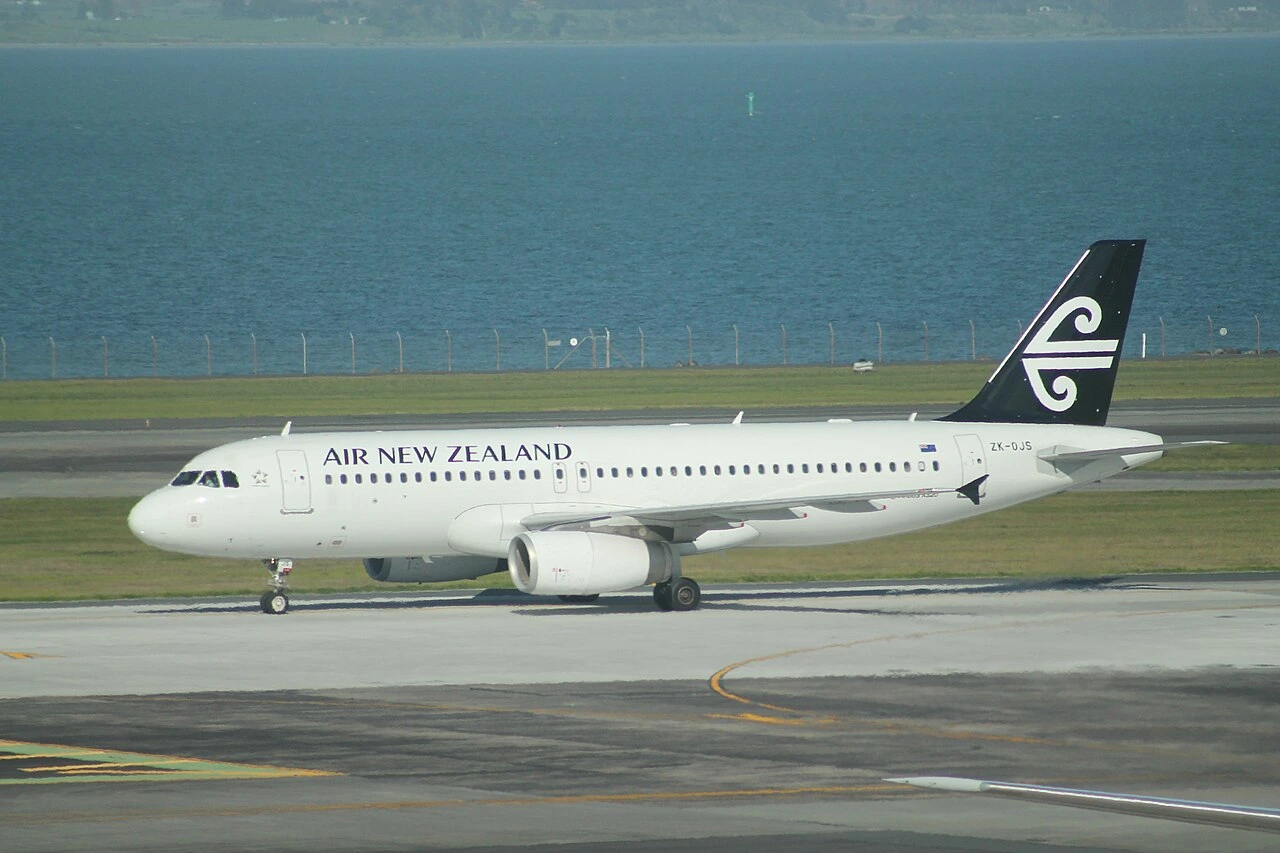
“The World’s Longest Hangover” Comes to an End
Air New Zealand spent nearly five years relying on costly leased wide-body aircraft and operating a reduced fleet after engine problems struck its Airbus A320s, Boeing 787-9 Dreamliners, and 777s. According to Australian Financial Review, O’Brien said the airline has now resolved those engine issues across the fleet, describing the shift as “waking up from the world’s longest hangover” and adding that there is a real buzz building inside the business again.
The turnaround gives Air New Zealand more available aircraft for the first time in years, freeing up capacity the airline had been forced to divert toward covering grounded jets rather than growing its network.
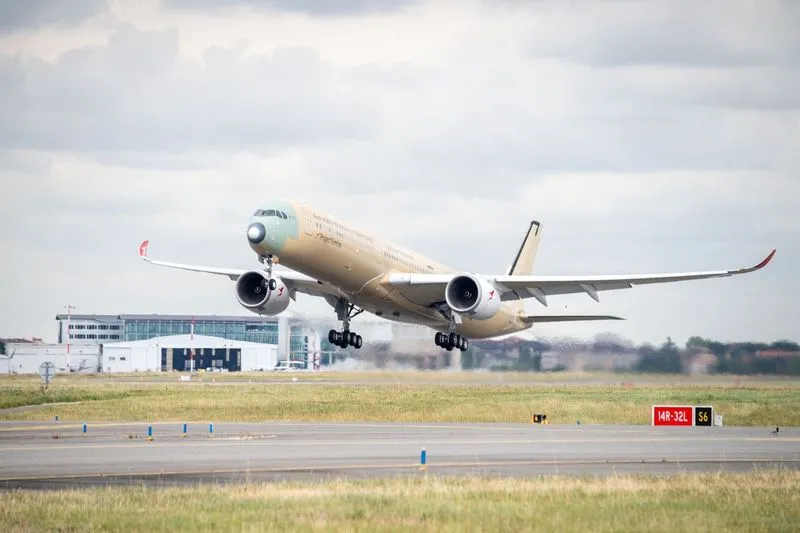
Qantas Has Grown While Air New Zealand Struggled
Qantas took advantage of Air New Zealand’s weakened position during the pandemic recovery, launching flights to New York via Auckland and renovating and expanding its lounge in the city, New Zealand’s largest. In May 2026, Qantas announced its biggest-ever investment in the country, a move welcomed by Prime Minister Christopher Luxon, who previously served as Air New Zealand’s own chief executive.
O’Brien played down the rivalry, saying competition is healthy and that Air New Zealand simply needs to focus on its own strategy rather than react to Qantas’ moves.
Wikimedia Commons
New Christchurch Routes Target the South Island’s “Jewel”
Better aircraft availability has let Air New Zealand launch new international routes out of Christchurch International Airport (CHC) to Japan, Korea, and Perth. O’Brien described the South Island as the jewel in the crown of New Zealand’s tourism experience, and said the airline had been losing traffic that connected through Australia before adding these direct links.
The new Christchurch services give travellers from Japan, Korea, Perth, and Singapore a more direct path into the South Island, rather than routing them through Auckland first, improving the overall customer experience on those journeys.
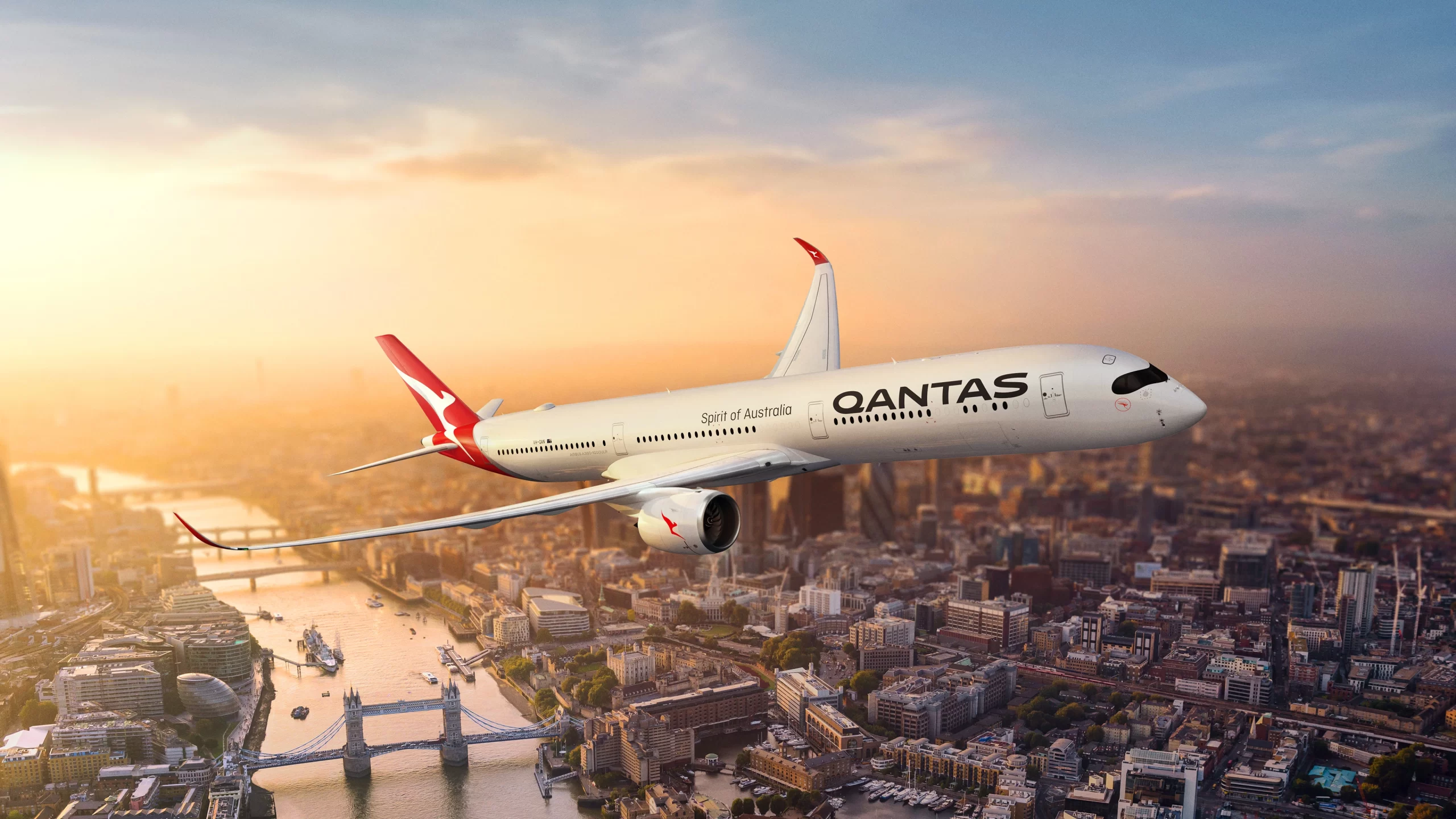
Project Sunrise Now Points to 2028
Qantas plans to begin its flagship Project Sunrise flights, deploying new long-range aircraft to fly nonstop from Sydney to New York, sometime in 2028. O’Brien said he is not losing sleep over the plan, arguing that Qantas is chasing a different customer segment and a different part of the market than Air New Zealand.
Air New Zealand’s own strategy stays focused on premium leisure travellers heading to North America, alongside strong demand from friends-and-family and business travellers crossing the Tasman Sea, according to O’Brien.
Qantas chief executive for international flying Cam Wallace, himself a former Air New Zealand executive, said Qantas will not abandon its one-stop Auckland routing to the United States once Project Sunrise’s nonstop flights begin. Wallace pointed to the relatively small size of both the Sunrise aircraft and Qantas’ Boeing 787s, at 238 and 236 seats respectively, as reason enough to keep multiple price points and routings running side by side to stimulate demand across both the New Zealand and Australian markets.
A Fleet Getting a Modern Makeover
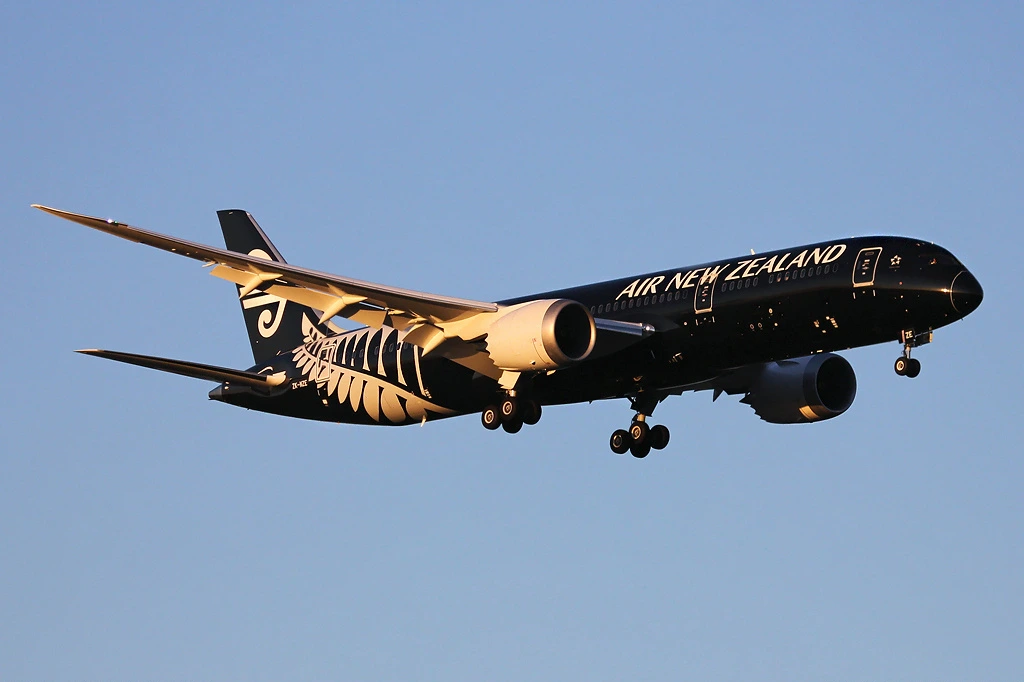
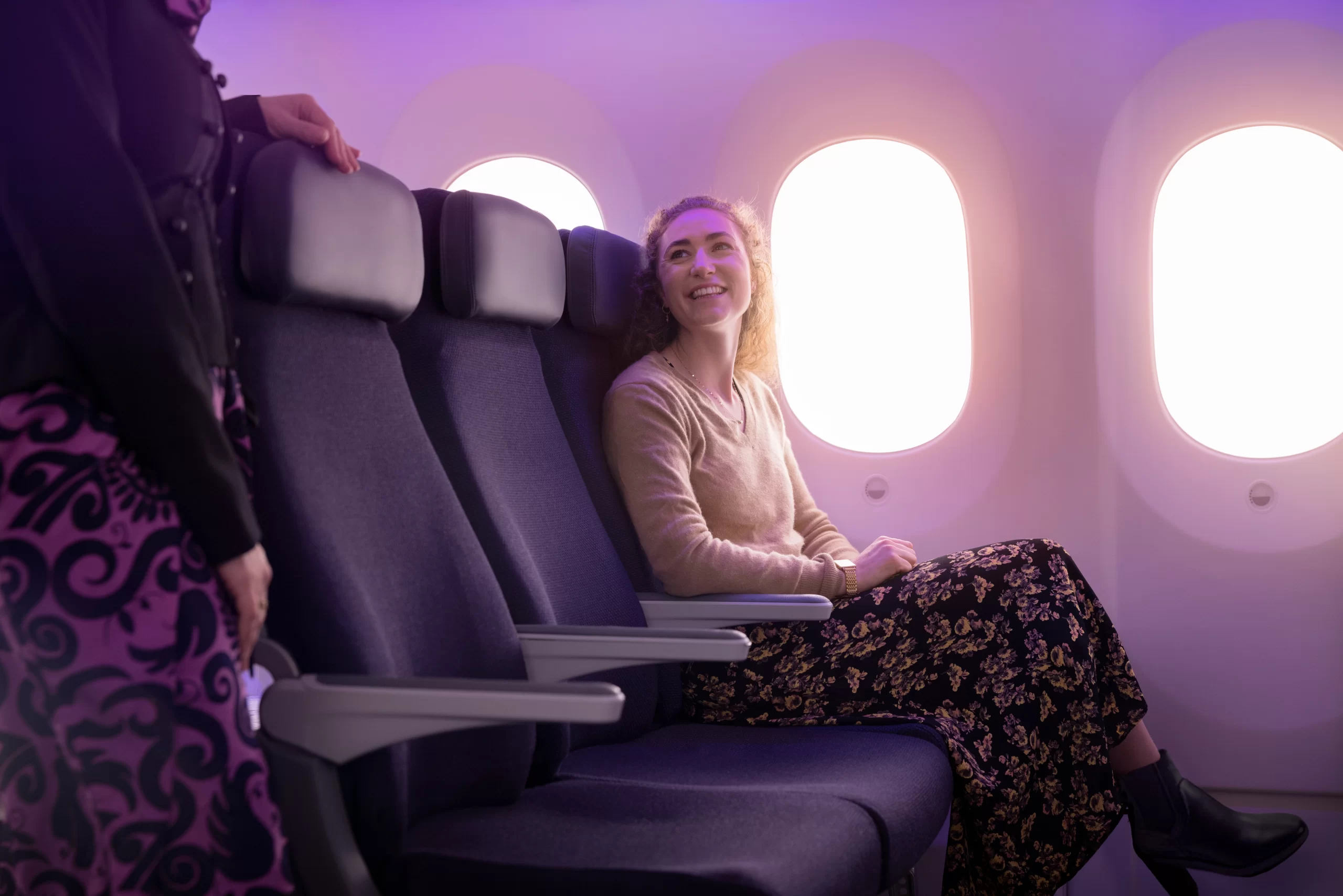
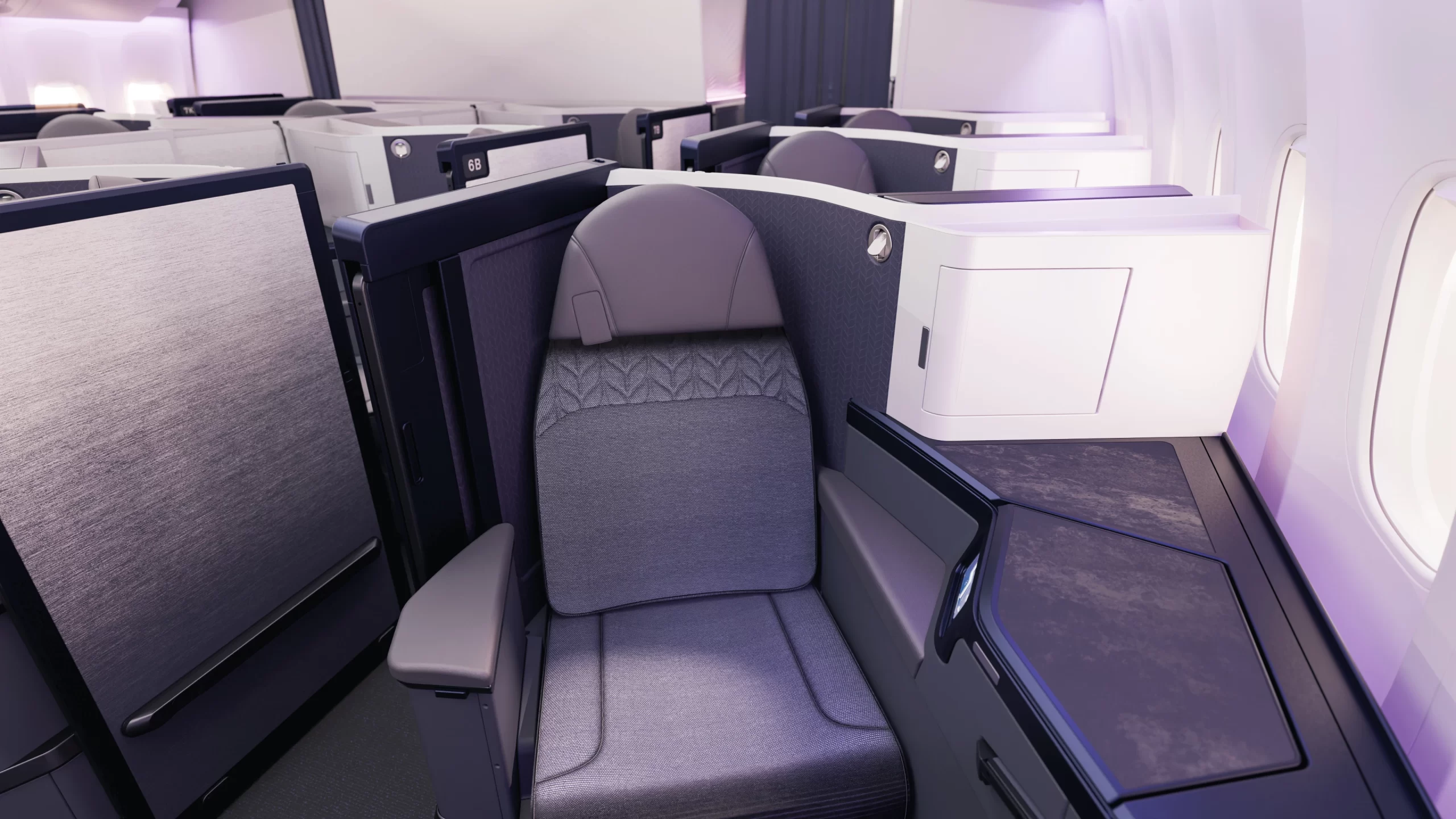
Air New Zealand has already retrofitted its existing 787 fleet with upgraded business class seats, and new Boeing deliveries arriving later this year will introduce the airline’s first-ever bunk beds in economy class, known as Skynest, which travellers can book in four-hour blocks.
Key elements of the fleet refresh:
- Retrofitted Boeing 787-9 Dreamliners with new business class seats
- Skynest economy bunk beds, bookable in four-hour blocks, arriving in new Boeing deliveries later this year
- A separate Boeing 777-300ER retrofit using the same door-equipped business class seat as Malaysia Airlines, since the existing 787 seat could not fit the wider 777 cabin
- Full retrofit program completion targeted for the end of 2027
O’Brien said the airline has already seen a strong attachment rate for Skynest bookings ahead of its December market launch, and expects demand to build further through word of mouth once the product is flying.
What Happens Next
Once the 777-300ER retrofit finishes at the end of 2027, Air New Zealand says its entire international fleet will be two years old or newer in cabin terms, making it one of the most modern wide-body fleets in the world by that measure. The airline is betting that a consistently modern product, rather than route count alone, will be what keeps it competitive as Qantas expands.
For now, Air New Zealand’s growth plans center on premium leisure demand into North America and steady Tasman traffic, while Qantas builds out both its Auckland presence and its long-term Sunrise ambitions. Neither airline expects the other to blink before 2028, when Qantas’ nonstop New York flights are due to begin.
.jpg)
