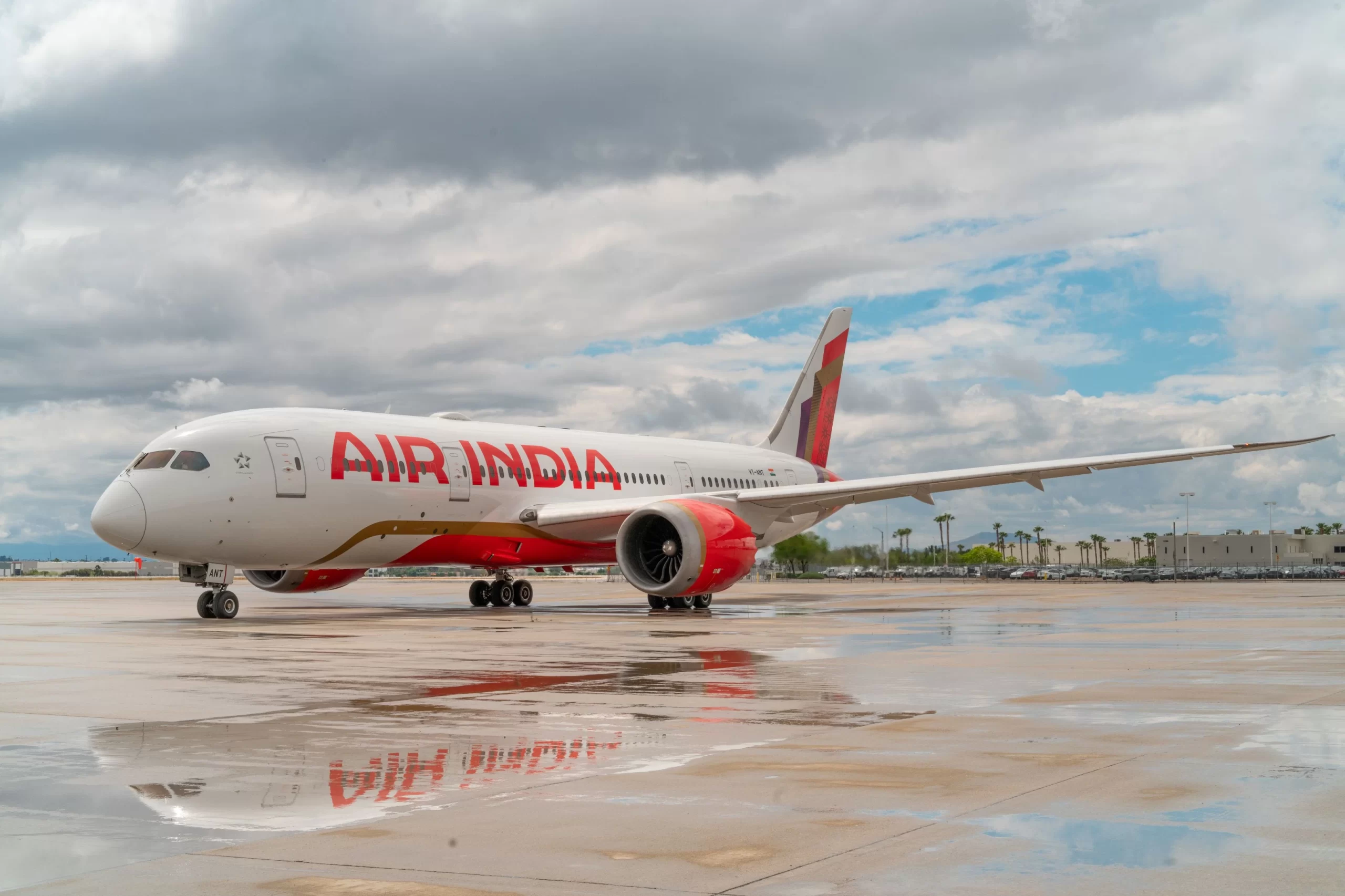
Air India (AI) will soon connect Amritsar with Delhi under its hub-and-spoke scheme, smoothing the customs and immigration process for international travellers, according to The Hindu BusinessLine. The Airports Authority of India confirmed the plan in an X post on Wednesday, describing it as a new chapter in seamless international connectivity for the Punjab city.
The scheme was inaugurated at Varanasi on 25 June 2026 and forms part of the civil aviation ministry’s push to build aviation hubs across India. Under the model, passengers travelling abroad from Amritsar will complete a single check-in and immigration process at home before connecting onward through Delhi to their international destination.
How the Hub-and-Spoke Model Works for Amritsar
The Airports Authority of India said the initiative will let Amritsar passengers complete check-in once and gain seamless access to international destinations through Delhi, streamlining processes while strengthening connectivity for Tier-II and Tier-III cities. Under the model, travellers heading abroad no longer need to repeat immigration or customs checks once they reach the hub airport.
This single-check-in structure is designed to save time for passengers who previously had to clear formalities separately at both their home airport and the connecting hub, a process that added friction for travellers from smaller cities feeding into India’s busiest international gateways.
Scheme Launched at Varanasi on 25 June
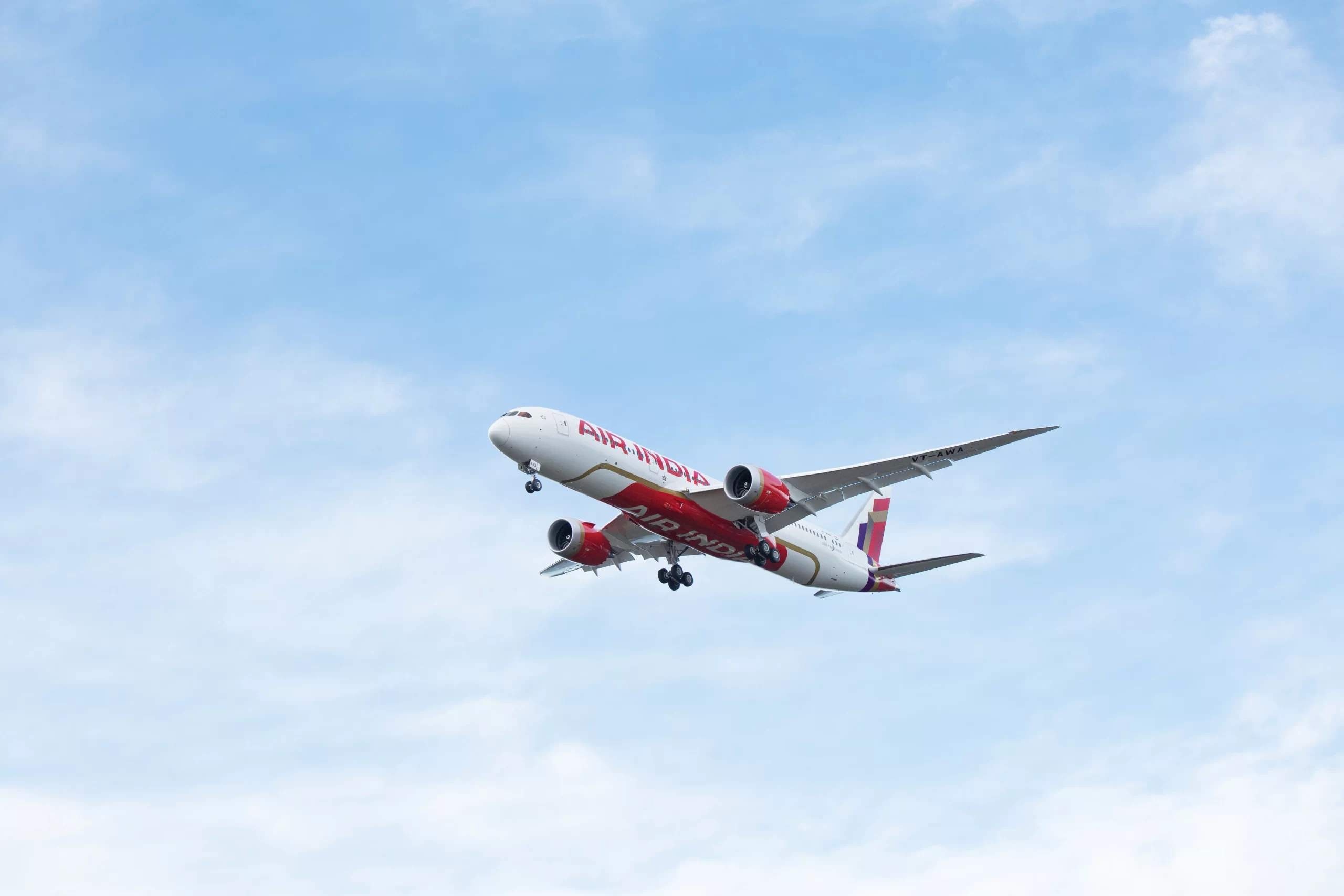
According to ANI, Civil Aviation Minister K Ram Mohan Naidu inaugurated the first hub-and-spoke flight, connecting Varanasi to the world via Delhi, on 25 June 2026, with Air India CEO and MD Campbell Wilson and Civil Aviation Ministry Secretary Samir Kumar Sinha in attendance. The inaugural service, flight AI1111, connected Varanasi’s Lal Bahadur Shastri International Airport to 17 international destinations, including London, Frankfurt, and Singapore, through Delhi.
Naidu said the government would convert six more destinations into the hub-and-spoke model within six weeks, while Wilson named Amritsar, Vadodara, Mumbai, Hyderabad, Chennai, and Visakhapatnam as cities the airline planned to add. The government has also approved a roughly Rs 2,869 crore expansion of Varanasi’s airport, covering a runway extension, a new terminal, and multilevel parking, to be completed within 13 months.
Amritsar’s Current Network and a Passenger Decline
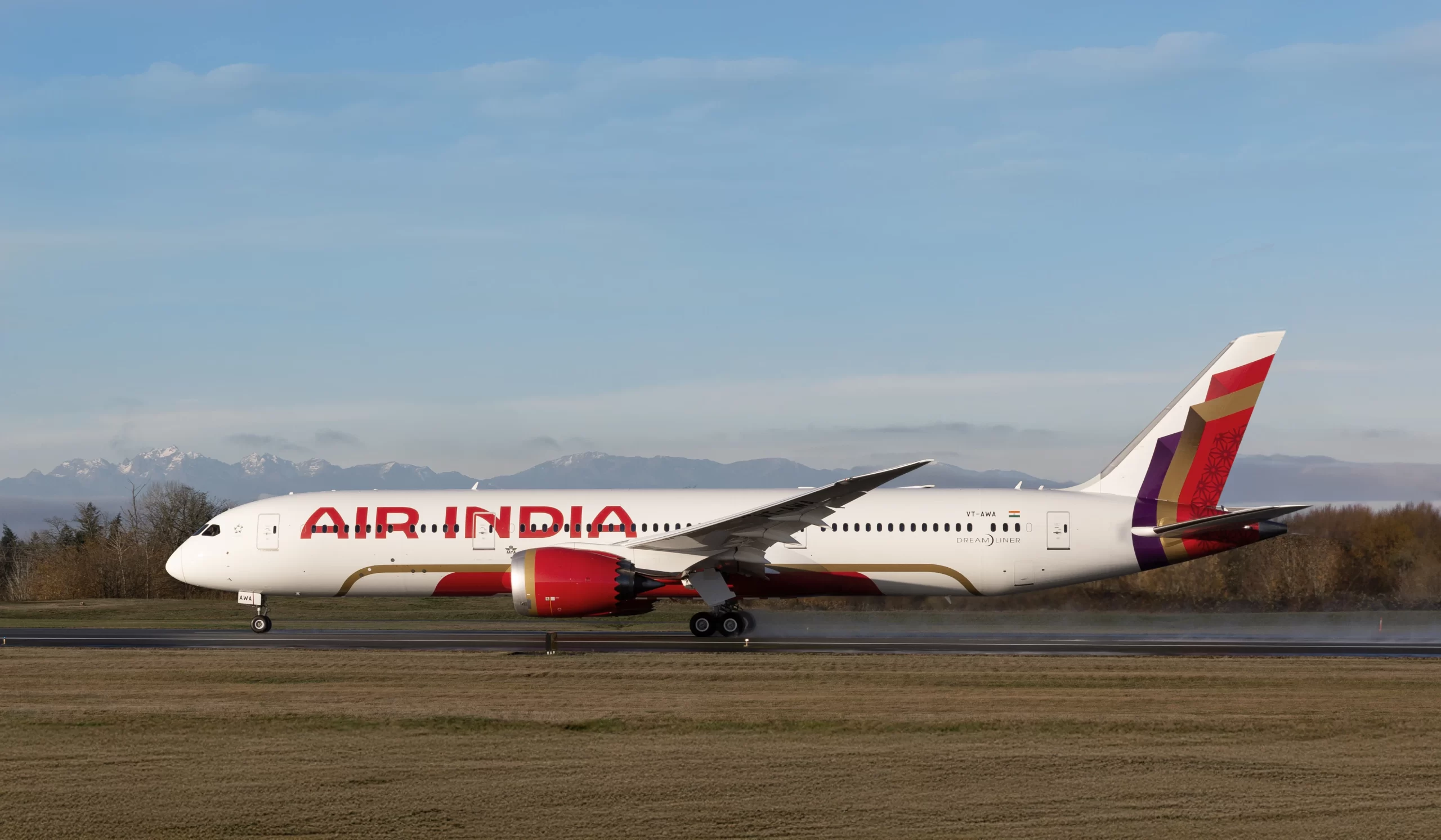
Amritsar’s Sri Guru Ram Das Jee International Airport (ATQ) currently operates direct flights to Dubai, Sharjah, Kuala Lumpur, Singapore, London, and Birmingham. The airport handled 9.97 lakh international passengers last fiscal year, a 13.5% decline compared with FY25, The Hindu BusinessLine reported.
The hub-and-spoke connection through Delhi is intended to help reverse that decline by giving Amritsar passengers a smoother path to a far wider range of international destinations than the airport’s existing direct routes cover on their own.
Punjabi Diaspora in Canada and Australia Drives Demand
Amritsar’s large Punjabi diaspora communities in Australia and Canada make the city an important source of connecting traffic through Delhi and other overseas hubs. That existing travel pattern is part of why the airport was selected among the cities set to join the hub-and-spoke network, since many of its passengers already rely on connections rather than direct flights to reach their final destinations.
Air India did not respond to an email query about the Amritsar plan. Wilson has previously said the airline aims to make international travel more accessible for passengers from smaller cities, a goal the hub-and-spoke rollout is designed to support directly.

Easy Connect Set to Expand Beyond Amritsar
Air India’s hub-and-spoke flights operate under its ‘Easy Connect’ initiative, which lets travellers from Tier-II and Tier-III cities check in once for their entire journey, without needing to collect or recheck baggage at the hub airport.
Beyond Amritsar, Air India said last month it will progressively connect the following cities to its hubs in Delhi, Mumbai, and Bengaluru:
- Ahmedabad
- Chennai
- Goa
- Guwahati
- Hyderabad
- Kochi
- Patna
- Vadodara
- Visakhapatnam
How This Fits Air India’s Broader Hub Strategy
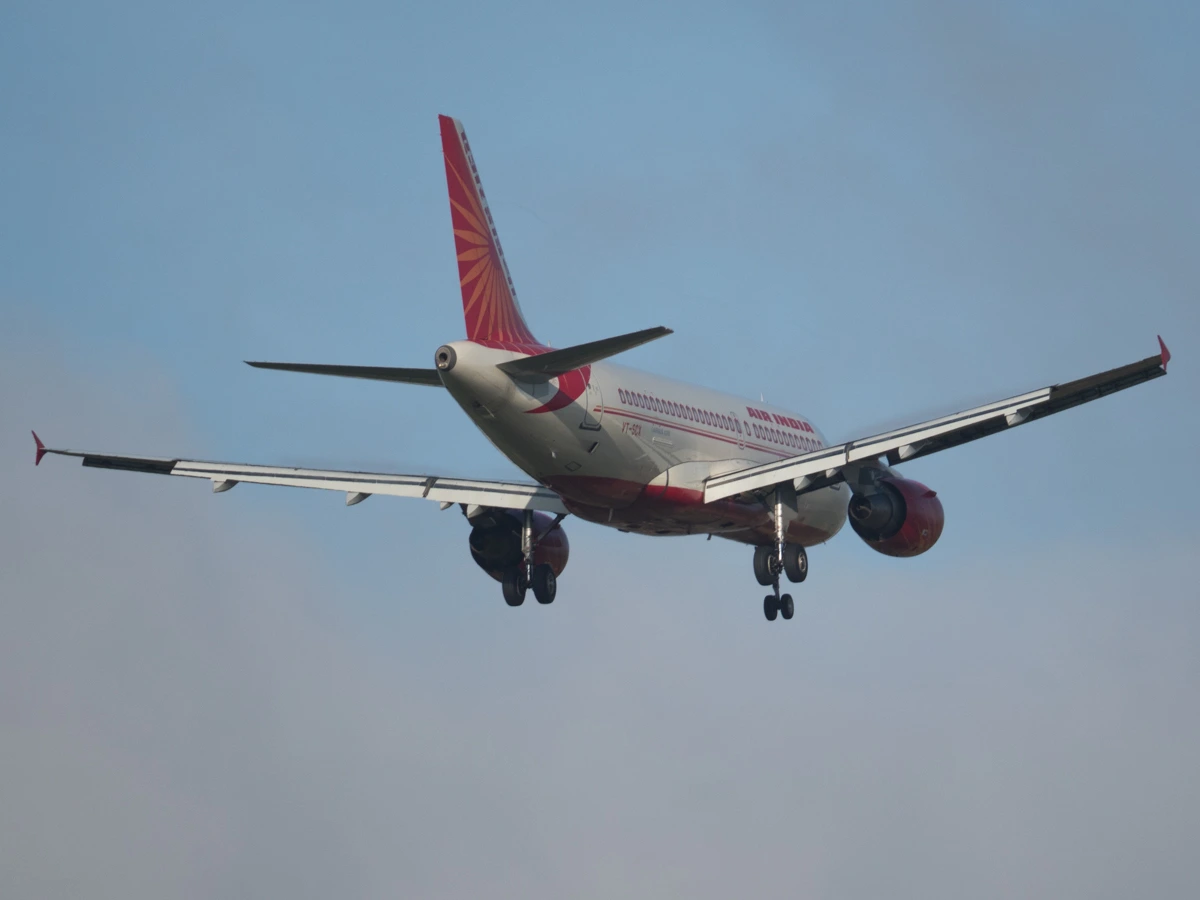
The Amritsar announcement follows the same pattern Air India has used elsewhere in its network this year, pairing new or upgraded routes with the airline’s push to modernise how passengers connect through its hubs. The airline has separately worked to cut connection friction on its long-haul network, including plans to remove an enroute technical stop on its Delhi-Toronto service from 1 August 2026, part of a wider effort to speed up journeys for passengers travelling beyond India’s main hub airports.
The hub-and-spoke model addresses a different problem: nearly 25 million passengers travel long-haul to and from India each year, and of the roughly 20 million who connect, about 85% currently transit through overseas hubs rather than Indian airports. Bringing more of that connecting traffic through Indian hubs like Delhi is central to the government’s stated goal of making India a preferred aviation hub by 2030 and a global one by 2047.
What Happens Next
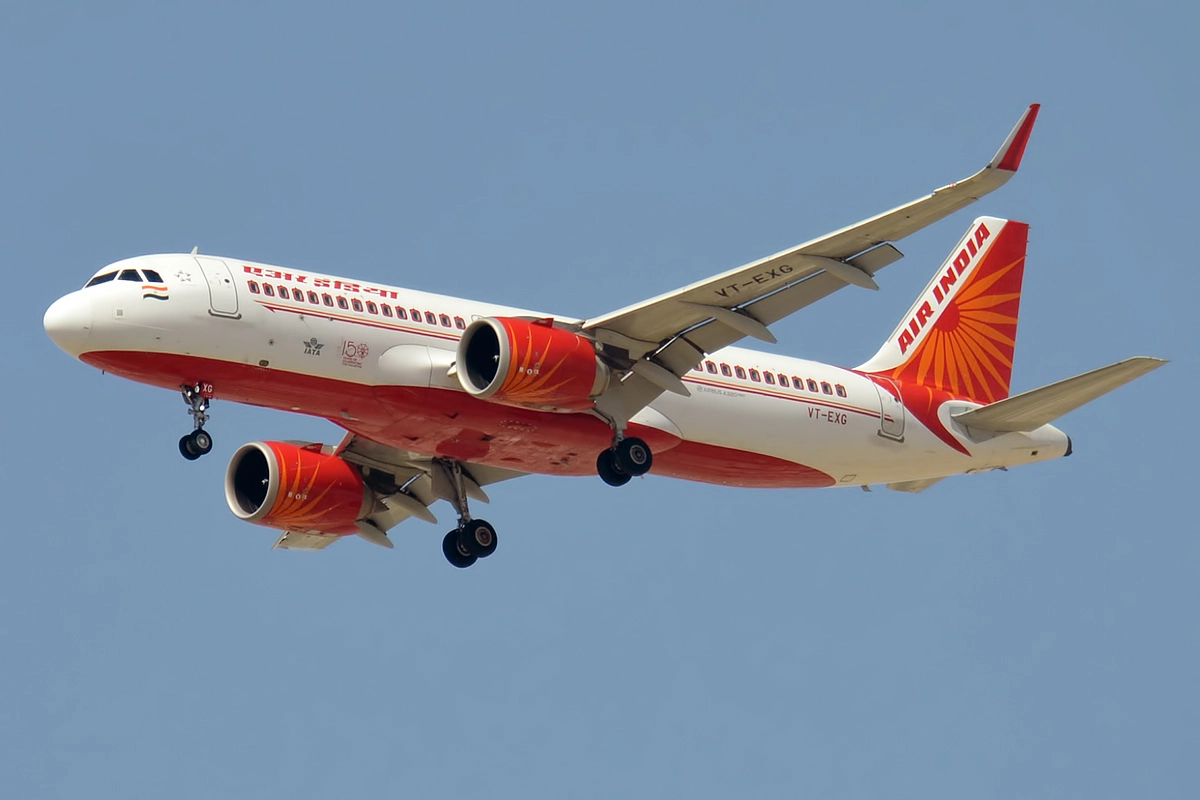
Air India has not confirmed an exact launch date for the Amritsar hub-and-spoke service, and the airline did not respond to a request for comment on the plan. The Civil Aviation Ministry has said six new hub-and-spoke destinations would be added within six weeks of the Varanasi launch, a timeline that would place Amritsar’s rollout in the weeks following the announcement.
Further expansion to Ahmedabad, Chennai, Goa, Guwahati, Hyderabad, Kochi, Patna, Vadodara, and Visakhapatnam is expected to follow on a progressive basis, though Air India has not published a detailed schedule for when each city will join the network.




_@_DXB,_June_2019.jpg)