The Scale and Structure of the Fraud
In late 2025, the CIB resumed the fake rescue investigation following an increase in complaints from foreign insurance companies regarding fraudulent rescue claims. The probe uncovered evidence of forged medical and rescue documents, inflated helicopter invoices, and unnecessary evacuations of trekkers. Fraudulent insurance claims totalling nearly USD 20 million were allegedly generated through the scam between 2022 and 2025.
The CIB’s findings show the fake rescue scam was not a sporadic, opportunistic act by random tour operators, but a coordinated, structured, and commission-based network. Between 2022 and 2025, investigators reviewed 4,782 foreign patients treated at hospitals suspected of involvement; at least 317 rescue operations were found to be completely fabricated or manipulated. According to Business Standard, Financial records show that one hospital in Kathmandu received more than USD 15.8 million linked to such cases, while another received over USD 1.2 million.
The Fraud Network — Who Was Involved
- Trekking guides & company managers
- Helicopter charter operators
- Private hospitals & administrators
- Doctors signing forged discharge records
- Rescue company executives
- Insurance claim processors
- Government officials (alleged)
- Some complicit tourists
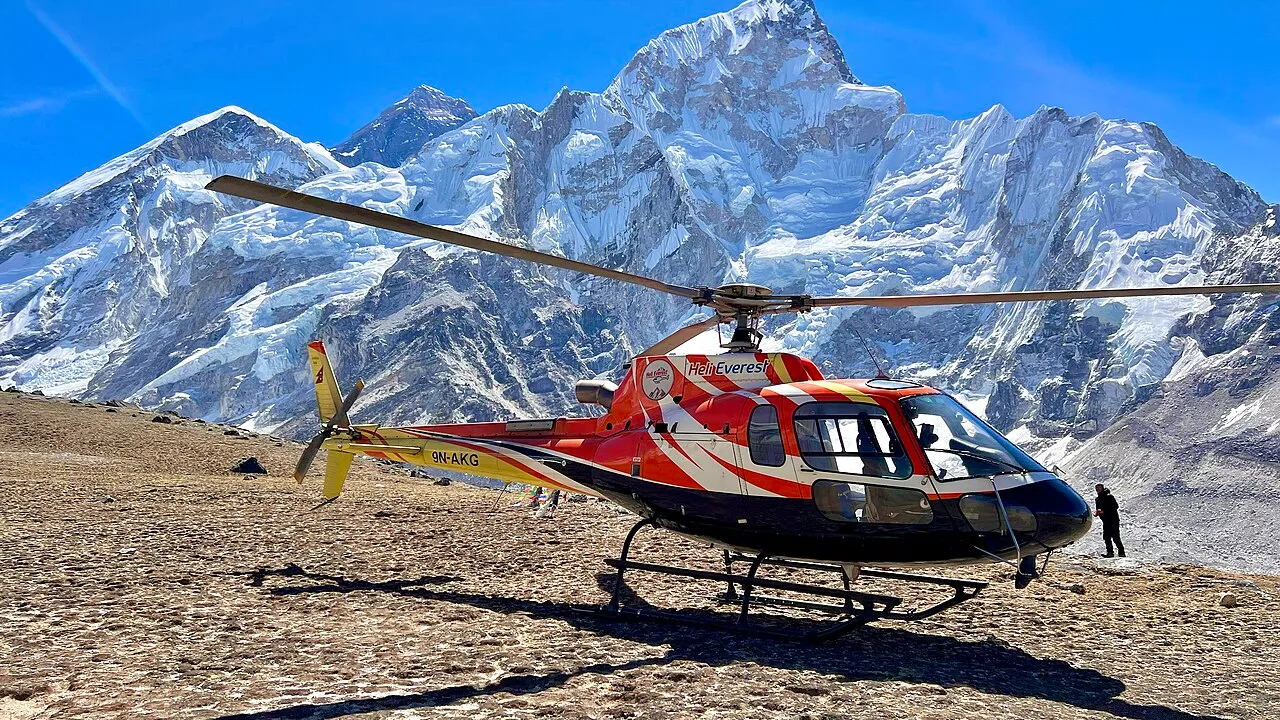
The scheme was sophisticated in its mechanics. Guides allegedly convinced trekkers unwilling to walk back down from high-altitude points to feign illness, then ferried multiple tourists on a single helicopter while supplying separate invoices to each passenger’s insurance company — inflating claims from USD 4,000 to as high as USD 12,000 per supposed dedicated flight.
Medical officers acting in concert prepared discharge summaries using forged digital signatures of senior doctors. Investigators also found CCTV footage showing tourists drinking beer at a café while hospital records claimed they were receiving intensive care.
The CIB Investigation and Charges
| Name | Organization / Company | Role / Position | Status / Details |
|---|---|---|---|
| Pasang Dawa Tamang | Altitude Air | Station Manager | Charged |
| Prakash Babu Dahal | Manang Air | Junior Marketing Staff | Charged |
| Chandra Prasad Pyakurel (Sudeep) | Altitude Air | Marketing Manager | Charged |
| Sandip Bhandari | Mountain Helicopters | Staff Member | Charged |
| Dr Minlama Pandey | Swacon International Hospital | Doctor | Charged |
| Dr Shyam Sundar Kandel | — | Doctor | Charged |
| Shreeram KC | — | Hospital-Linked Individual | Charged |
| Dr Girban Raj Timilsina | Shreedhi International Hospital | Doctor | Charged and Previously Arrested |
| Ganesh Silwal | Era International Hospital | Former Operator | Charged |
| Jeevan Pandey | Era International Hospital | Current Operator | Charged |
| Bhanu Dhakal | — | Hospital-Linked Individual | Charged |
| Furba Chhiring Sherpa | — | Hospital-Linked Individual | Charged |
| Mamita Bhatta | — | Hospital-Linked Individual | Charged |
| Chungla Bhutiya Sherpa | — | Hospital-Linked Individual | Charged |
| Muktiram Pandey | Everest Experience and Assistance | Chairman | Previously Arrested |
| Subash KC | Everest Experience and Assistance | Shareholder | Previously Arrested |
| Bivek Pandey | Mountain Rescue Service | Manager | Previously Arrested |
| Jayaram Rimal | Mountain Rescue Service / Swacon Hospital | Chairman / Shareholder | Previously Arrested |
| Rabindra Adhikari | Nepal Chartered Service | Chairman | Previously Arrested |
| Sandip Tiwari | Royal Holidays Adventure | Staff Member | Previously Arrested |
| Pasang Sherpa | Panorama Himalayan Trekking and Expedition | Shareholder | Previously Arrested |
| Bivek Thapaliya | Nepal Chartered Service | Staff Member | Previously Arrested |
| Sandip Dhungana | Himalayan Masters Adventure and Travel | Staff Member | Charged |
| Shanta Kumar Baniya | Magic Himal Treks and Expedition / Heli On Call | Director | Charged |
| Binod Sapkota | Nepal Trek Adventure and Expedition | Operations Head / Executive Director | Charged |
| Tenzing Sherpa | Himalaya Trekking and Expedition | Trekking Guide | Charged |
| Badri Lamsal | Spiritual Excursion | Staff Member | Charged |
| Kabindra Lamsal | Spiritual Excursion | Staff Member | Charged |
| Bishnu Prasad Lamsal | Nepal Hiking Adventure Company | Staff Member | Charged |
| Santosh Adhikari (Khomraj Adhikari) | Nepal Chartered Service / Flying Yak Kathmandu | Former Shareholder / Operator | Charged |
| Ram Kumar Phuyal | WorldMed Assistance Nepal | Staff Member | Charged |
Inside The Food Poisoning Allegation and the Questions That Followed
Perhaps the most damaging allegation — and the one most amplified by international media — is that trekking guides deliberately spiked tourists’ food with substances to induce illness and justify helicopter evacuations. Germany’s Der Spiegel, one of the most influential news magazines in Europe, published a prominent report on this allegation, raising serious alarm given that Germany is a major source market for Nepal’s trekking industry.