In a major leadership transition for the United States Air Force (USAF), the United States Senate appointed four-star general Kenneth S. Wilsbach as the next Chief of Staff of the Air Force, following the surprise retirement of David W. Allvin. The retirement of Allvin just two years into his four-year tenure was a surprise to many, and Wilscbach’s appointment comes at a time when the United States seems is dealing with the Russia-Ukrane War, which destroyed many wonderful aircraft, such as the Antonov An-225: the largest airacraft in the world, the presence of a Russian strategic bomber named Ilyushin Il-76 in Venezuela, among others.
The United States Air Force is ranked first in the World Directory of Modern Military Aircraft (WDMMA) rankings, and according to Flight Global, the responsibility of leading an organization as large as USAF means that Wilsbach will mean that he will be working on, and therefore will be facing questions related to some of the following issues:
- The modernisation of the USAF tanker fleet, and
- Dispersing USAF’s aircraft to various bases under the Agile Combat Employment Strategy
- The modernization of USAF’s intercontinental ballistic missile force
- Development of fighter and bomber aircraft such as Boeing F-47 and Northrop B-21.
Data: WDMMA
Newly Appointed USAF Chief Gen. Wilsbach’s Early Life and Career
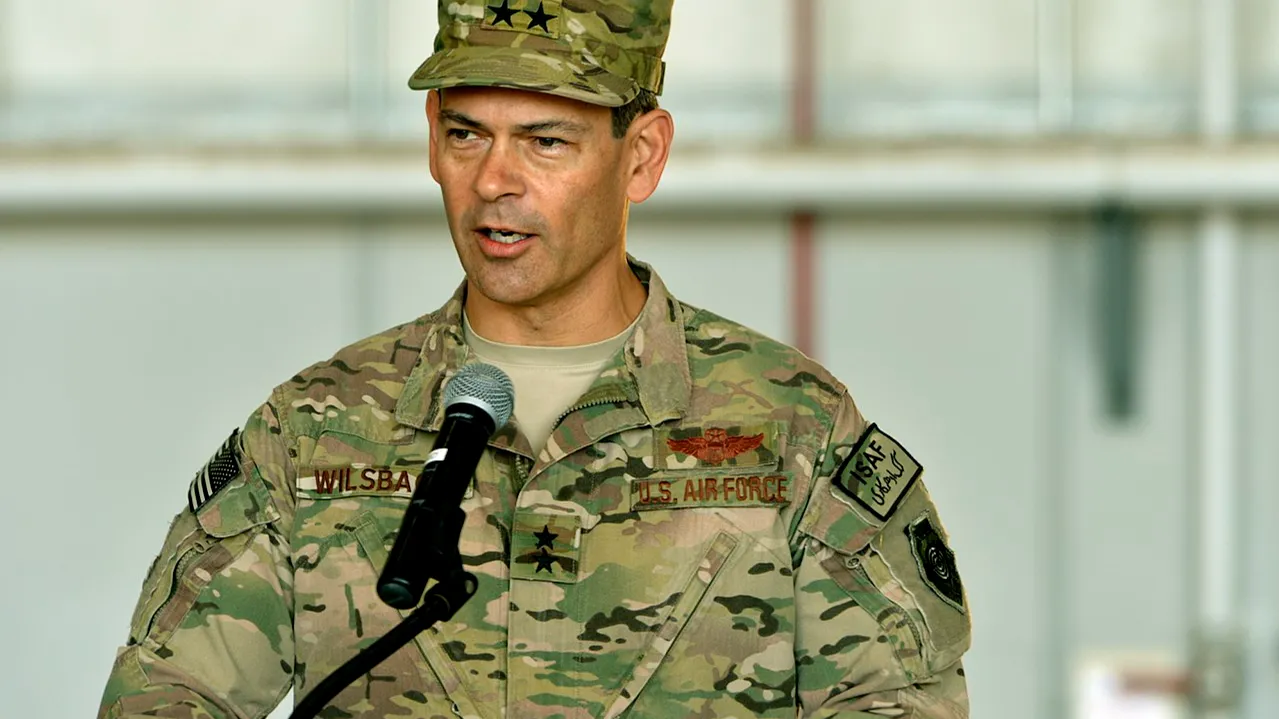
Kenneth Stephen Wilsbach, whom USA Today described as “a nearly retired four-star general“, and also called him “the second general Trump has pulled out of retirement for a high-profile role“: [the first being Air Force Gen. and Joint Chiefs of Staff Chairman Dan Caine] entered the Air Force via the ROTC programme at the University of Florida, earning a Bachelor of Science in broadcast communications in 1985. He earned his pilot wings in 1986 at Laughlin AFB (Texas).
His early years included instructor pilot tours in:
- The F-15 for the 94th Tactical Fighter Squadron at Langley AFB (Virginia)
- In the 84th Test Squadron at Tyndall AFB (Florida)
Over time he commanded a fighter squadron, operations group and two wings, and held staff assignments including Director of Operations for U.S. Central Command Air Forces Forward. Promoted to brigadier general in August 2009, he advanced steadily to major general (2013), lieutenant general (2016) and general (2020). He has logged over 6,100 flight hours in jet aircraft including:
- F-16
- F-22A
- F-15A-D
- MC-12W
- T-37
- T-38
Kenneth S. Wilsbach: USAF’s Newly Appointed Chief of Staff’s Key Assignments and Leadership Roles
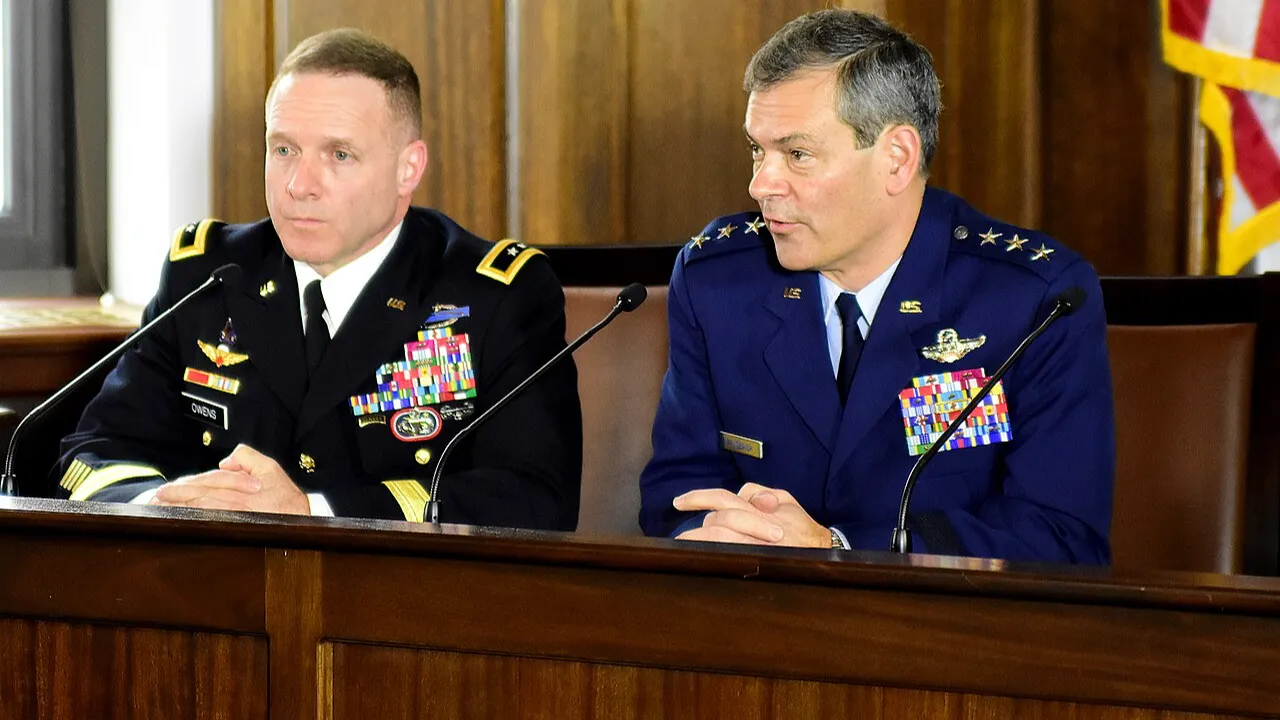
When I’m deeply Wilsbacj was nominated as the Air Force Chief of Staff, he said that he was honored with the nomination and said that he planned to plan to strengthen United States’ “warrior ethos and to build a more lethal force that is always ready to defend our homeland and deter our adversaries around the world.”
One of the more recent leadership roles of Wilsbach was his crackdown on beard-shaving waivers and uniform standards [ during his tenure at Air Combat Command in 2024]. Air and Space Forces Magazine reported that there was a much-heated debate on the shaving-waivers as “many Airmen have advocated for years for the service to allow beards without a waiver“:
” Currently, Airmen are allowed to grow beards if they receive a religious exemption or a medical waiver for conditions such as pseudofolliculitis barbae (PFB), also known as razor bumps, a skin condition caused by ingrown hairs that makes shaving painful and can lead to scarring if skin is not given a chance to heal. Waivers have become easier to obtain in recent years, but advocates say there is still a cultural stigma around facial hair that can hold back Airmen’s careers.”
Here’s a look at some of other assignments of Wilsbach:
Career Timeline of Gen. Kenneth S. Wilsbach
| No. | Period | Position / Assignment | Location | Rank / Note |
|---|---|---|---|---|
| 1 | Nov 1985 – Oct 1986 | Student, Undergraduate Pilot Training | Laughlin Air Force Base, Texas | — |
| 2 | Jul 1987 – Feb 1991 | F-15 Instructor Pilot, 94th Tactical Fighter Squadron | Langley AFB, Virginia | — |
| 3 | Feb 1991 – Jul 1993 | F-15 Instructor Pilot and APG-63/70 Test Team Manager, 84th Test Squadron | Tyndall AFB, Florida | — |
| 4 | Jul 1993 – May 1996 | Instructor Pilot and Chief, Weapons and Tactics, 44th Fighter Squadron | Kadena Air Base, Japan | — |
| 5★ | May 1996 – Jul 1997 | Aide-De-Camp to Commander in Chief, Pacific Command | Camp H.M. Smith, Hawaii | Major (Joint Assignment) |
| 6 | Aug 1997 – Jun 1998 | Student, Naval Command and Staff College | Newport, Rhode Island | — |
| 7 | Sep 1998 – Jun 2000 | Assistant Operations Officer, later Operations Officer, 19th Fighter Squadron | Elmendorf AFB, Alaska | — |
| 8 | Jun 2000 – May 2002 | Commander, 19th Fighter Squadron | Elmendorf AFB, Alaska | — |
| 9 | Jul 2002 – Jun 2003 | Student, Industrial College of the Armed Forces | Fort Lesley J. McNair, Washington, D.C. | — |
| 10★ | Jul 2003 – Jul 2004 | Director of Operations, Combined Air Operations Center and Central Command Air Forces Forward | Southwest Asia | Colonel (Joint Assignment) |
| 11 | Sep 2004 – May 2006 | Commander, 33rd Operations Group | Eglin AFB, Florida | — |
| 12 | May 2006 – Apr 2008 | Commander, 53rd Wing | Eglin AFB, Florida | — |
| 13 | Apr 2008 – Jun 2009 | Assistant Director of Operations, Plans, Requirements and Programs, HQ Pacific Air Forces | Hickam AFB, Hawaii | — |
| 14 | Jul 2009 – Jun 2011 | Commander, 18th Wing | Kadena Air Base, Japan | — |
| 15★ | Jun 2011 – Apr 2013 | Deputy Director for Operations, Pacific Command | Camp H.M. Smith, Hawaii | Brigadier General (Joint Assignment) |
| 16★ | Apr 2013 – Apr 2014 | Deputy Chief of Staff-Air, International Security Assistance Force Joint Command | Afghanistan | Major General (Joint Assignment) |
| 17★ | May 2014 – Aug 2016 | Director of Operations, U.S. Central Command | MacDill AFB, Florida | Major General (Joint Assignment) |
| 18★ | Aug 2016 – Aug 2018 | Commander, Alaskan Region, NORAD; Commander, Alaskan Command, U.S. Northern Command; Commander, Eleventh Air Force, PACAF | Joint Base Elmendorf-Richardson, Alaska | Lieutenant General (Joint Assignment) |
| 19★ | Aug 2018 – Jul 2020 | Deputy Commander, U.S. Forces Korea; Commander, Air Component Command (UNC & CFC); Commander, Seventh Air Force, PACAF | Osan AB, South Korea | Lieutenant General (Joint Assignment) |
| 20 | Jul 2020 – Feb 2024 | Commander, Pacific Air Forces; Air Component Commander, U.S. Indo-Pacific Command; Executive Director, Pacific Air Combat Operations Staff | JB Pearl Harbor-Hickam, Hawaii | General |
| 21 | Feb 2024 – Aug 2025 | Commander, Air Combat Command | Joint Base Langley-Eustis, Virginia | General |
Major challenges ahead for the United States Air Force and Wilsbach
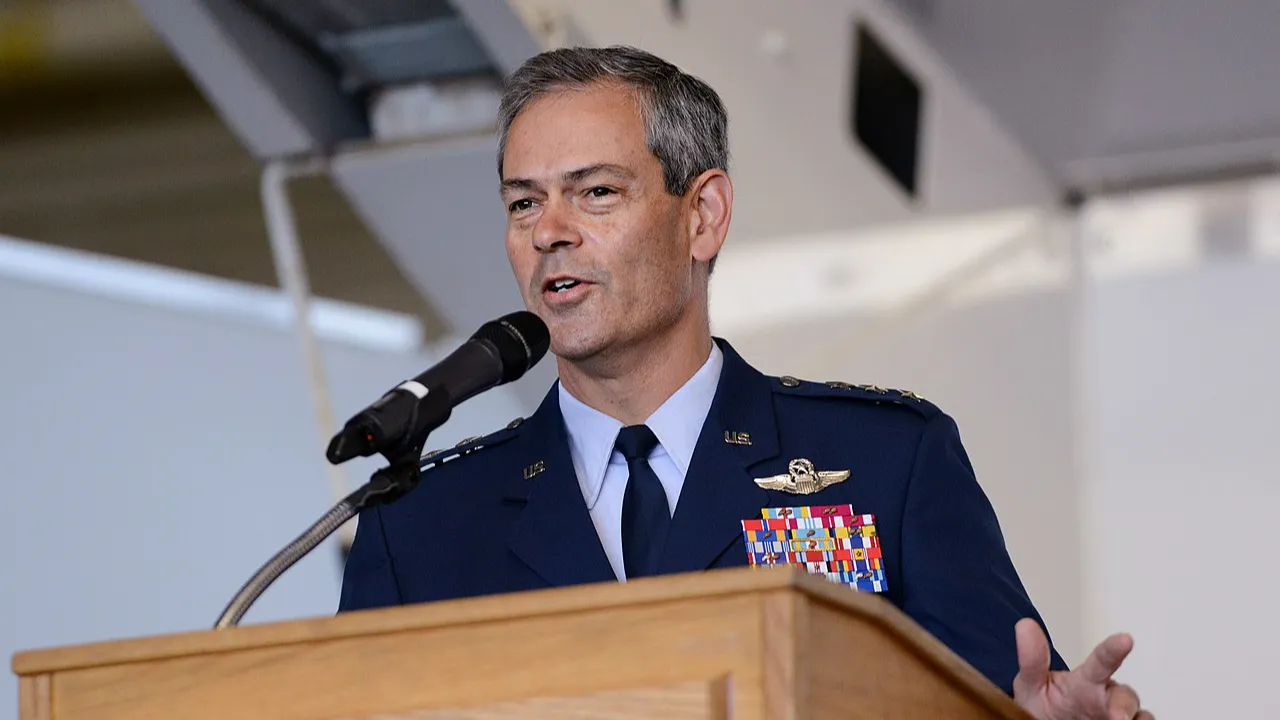
As the incoming Chief of Staff, Wilsbach faces a constellation of pressing issues. These include the following
Modernization of an ageing fleet
The fleet of USAF aircraft is more than 30 years old, and this has led to some analysts calling it an “antique air force”. Two officers were quoted in Defense Security Asia as having said, “Antique cars are defined as being at least 25 years old; by that definition, our Air Force — with aircraft that have an average age of 30 years — is an antique force.”
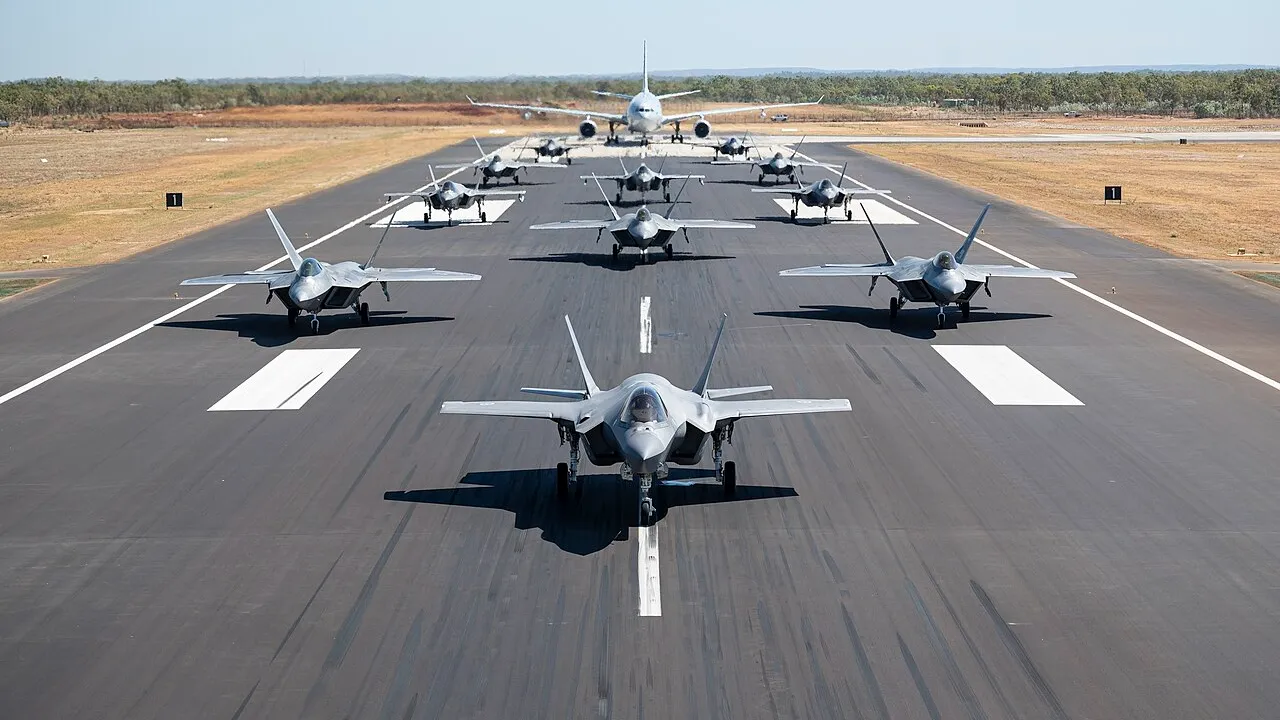
Modernization of USAF’s fleet includes:
- Future F-47 air dominance fighter
- B-21 bomber program
- F-35
- KC-46
- T-7 programs
- Collaborative Combat Aircraft
Indo-Pacific focus
According to Allvin, whom Wilsbach replaces, threats from adversaries such as China “demand greater investment in airpower, even at the expense of fellow military branches“. With tensions rising over Taiwan and China’s aggressive air operations, Wilsbach’s experience in the Pacific theatre gives him valuable insight—but also places him at the center of strategic risk, too, reported Breaking Defense:
“If selected, Wilsbach would guide the service during a critical window, as fears mount that China could invade Taiwan and invoke a US response. In his own right, Wilsbach has commanded forces amid what he called “completely unprofessional and totally unsafe” intercepts by Chinese pilots.”
Fiscal pressures and force-structure trade-offs
With the US government shutdown that led to a lot of ATCs not getting paid and leading to thousands of flight disruptions in the United States, there are fiscal pressures for the USAF. Wilsbach will have to defend the Air Force’s mission and secure resources.
Earlier this year, Secretary Meink stressed how important fiscal responsibility was in sustaining a fortified ready Air Force. He highlighted “the need for streamlined acquisition and budgeting processes to maximize resources for warfighting capabilities“:
“To ensure a strong and ready Air Force, we must prioritize the efficient and responsible use of taxpayer dollars…We will streamline acquisition and budgeting processes, focusing on maximizing resources for warfighting capabilities and delivering the best possible value to the American people. This commitment to fiscal responsibility is essential for maintaining public trust and ensuring the long-term strength of our Air Force.”
So it will be interesting to note how Wilsbach handles all these challenges that he and the USAF is at an intersection of.