On 30 October 2025, a scheduled service by the budget carrier, JetBlue Airways (B6) was forced to make an emergency landing at Tampa International Airport (TPA) around 2:19 p.m. ET (1819 GMT). The aircraft was on its way to Newark Liberty International Airport (EWR), New Jersey after taking off from Cancún International Airport (CUN), Mexico.
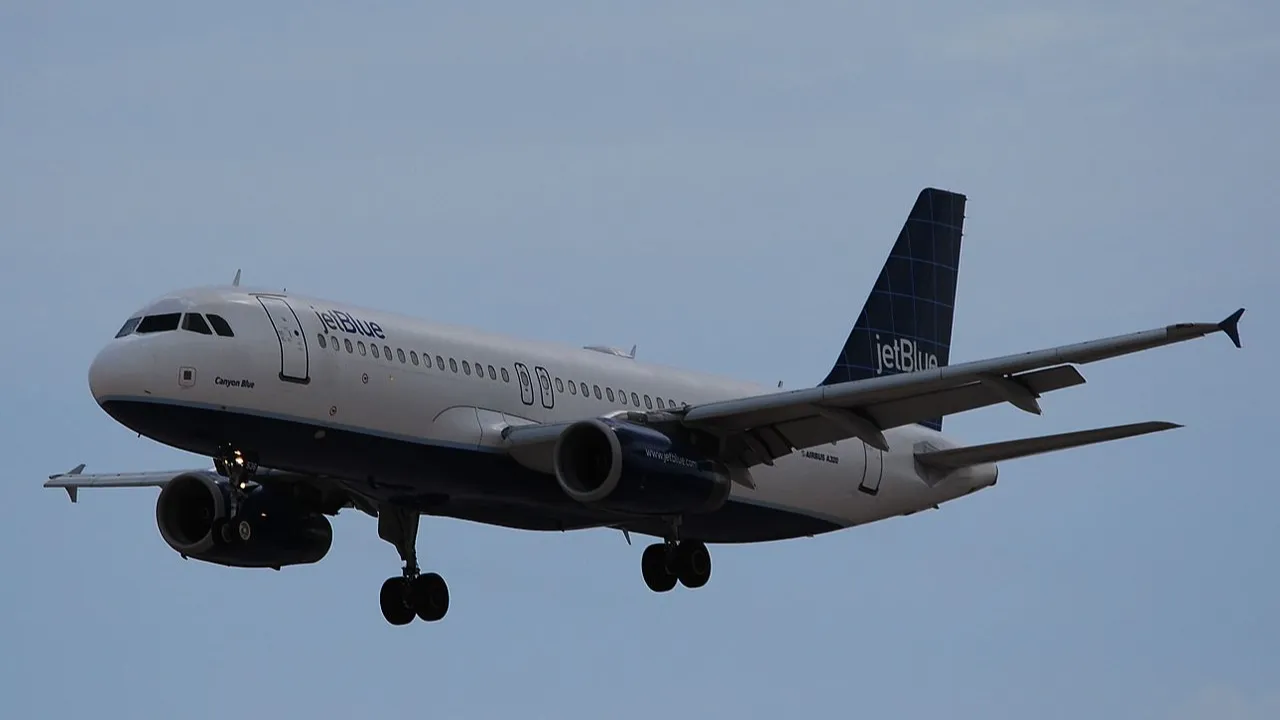
According to the airline and regulatory authorities, the aircraft in question, an Airbus A320 operated by JetBlue was subjected to a sudden significant drop in altitude approximately one hour after departure. This resulted in at least 15 passengers being hospitalised with non-life-threatening injuries, with Reuters saying that “Local media outlets quoted Tampa Fire Rescue as saying about 15 to 20 people were taken to local hospitals with non-life-threatening injuries.“
JetBlue Flight 1230: Details and Aircraft History
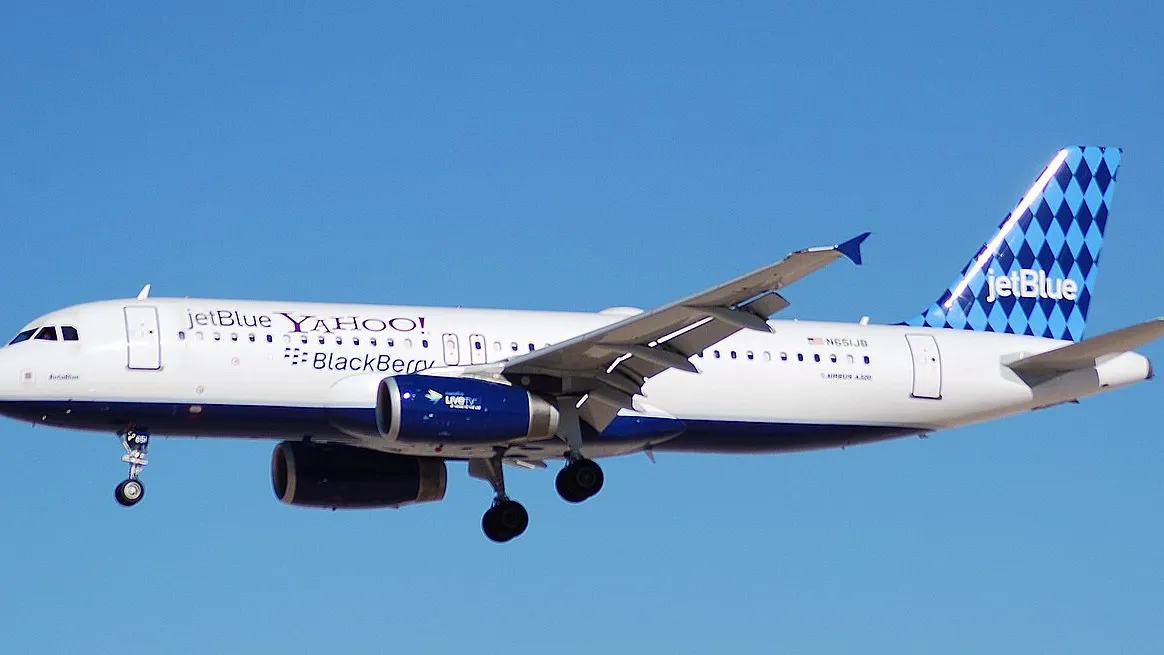
Flight 1230, operated by JetBlue, departed from Cancún at cruise altitude and en-route to Newark when the rapid altitude drop occurred. According to publicly tracked flight-data that was quoted in Business Insider, the Airbus A320 descended by approximately 14,500 feet over a five-minute interval, followed by another drop of 12,200 feet in the next five minutes, before diversion to Tampa.
The exact airframe involved is not publicly identified in full; however, the A320 family is widely used by JetBlue with standard seating of 162 seats.
Federal Aviation Administration (FAA) has confirmed that it is investigating the event, which it has characterized as the result of a “flight control issue”, as reported in Fox13.
Injuries and Treatment of Passengers in JetBlue Flight 1230
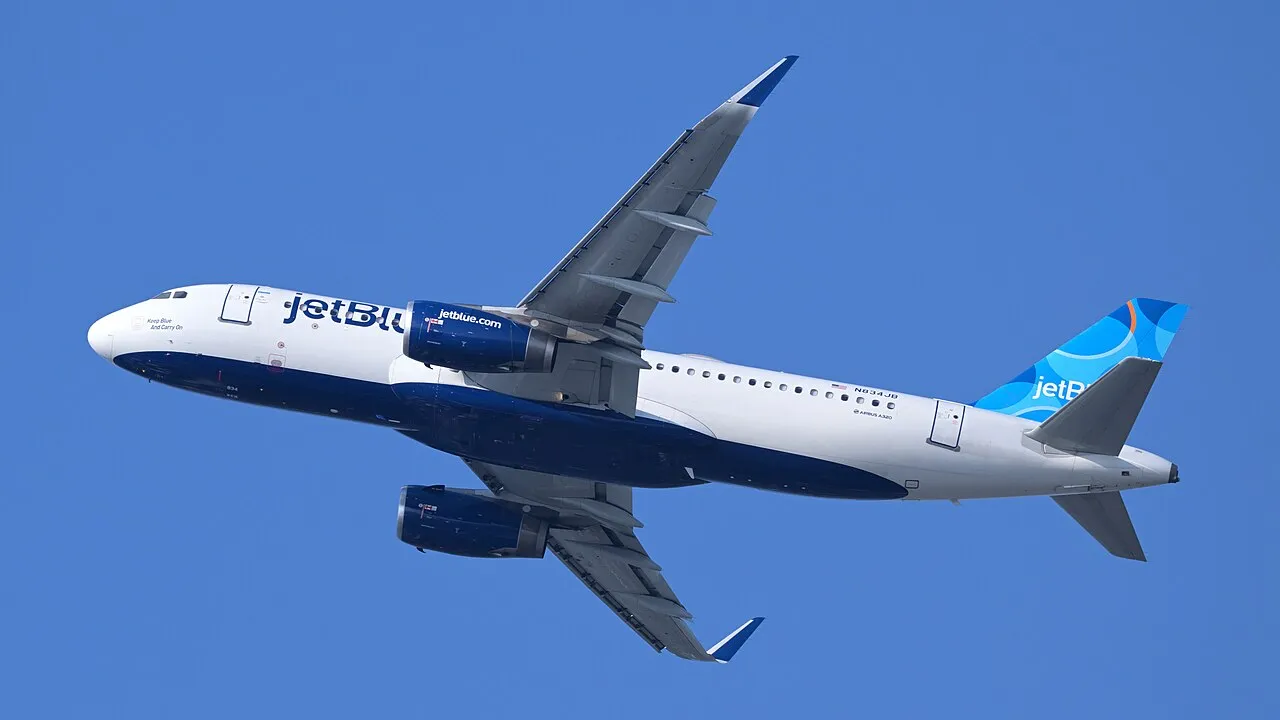
The exact words transcribed from LiveATC.net said was quoted in the report by The Associated Press, “We’ve got at least three people injured. It seems like maybe a laceration in the head.” JetBlue’s Flight 1230, the Airbus A320 in question, lost approximately 100 feet in about seven seconds around 1:48 p.m.
JetBlue had not yet reported how many passengers were injured. The airline said the flight was met by medical personnel who evaluated customers and crew members, with those requiring additional treatment taken to a local hospital.
JetBlue also took the aircraft out of service for inspection and said it would conduct a full investigation to determine the cause of the incident. The airline added that the safety of its customers and crew members remained its top priority and that it would support those affected.
It has been said that upt0 20 passengers were transported to nearby hospitals with injuries – none of which were life-threatening in nature. According to CNN, Tampa’s St. Joseph’s Hospital treated two children and 12 adults – all of whom suffered minor injuries and has been discharged.

What caused JetBlue Flight 1230 to lose altitude?
The National Transportation Safety Board is cognizant of the incident but an official investigation, and as of now has not been under any investigation.
As the official investigation is not underway, we don’t really know what caused the incident. Weather might have played its part, as was the case with the helicopter crash that took place in the Everest region of Nepal.: Everest being the tallest mountain in the world where a helicopter once landed.
This year has been quite a year for aviation. Some of the following events highlight the way aviation has seen quite a few low days:
- The government shutdown and Air Traffic Control staffing shortages has led to disruptions of as many as 8000 flights in a day.
- A Russian Ilyushin Il-76 made it to Venezuela potentially escalating US-Russia relations.
- Air India Flight 171 crashed in India, marking the first major crash of a Boeing 787 Dreamliner.
- Boeing 747-400 freighter operated by ACT Airlines (9T) on behalf of Emirates SkyCargo (EK) crashed in Hong Kong International Airport (HKG)
Though “a strong cold front passed through Florida, leaving gusty winds and light rain showers” passed before Thursday’s emergency, we can’t conclusively if weather contributed to the altitude drop of the flight.


.jpg)
.jpg)

_(2420771510).jpg)