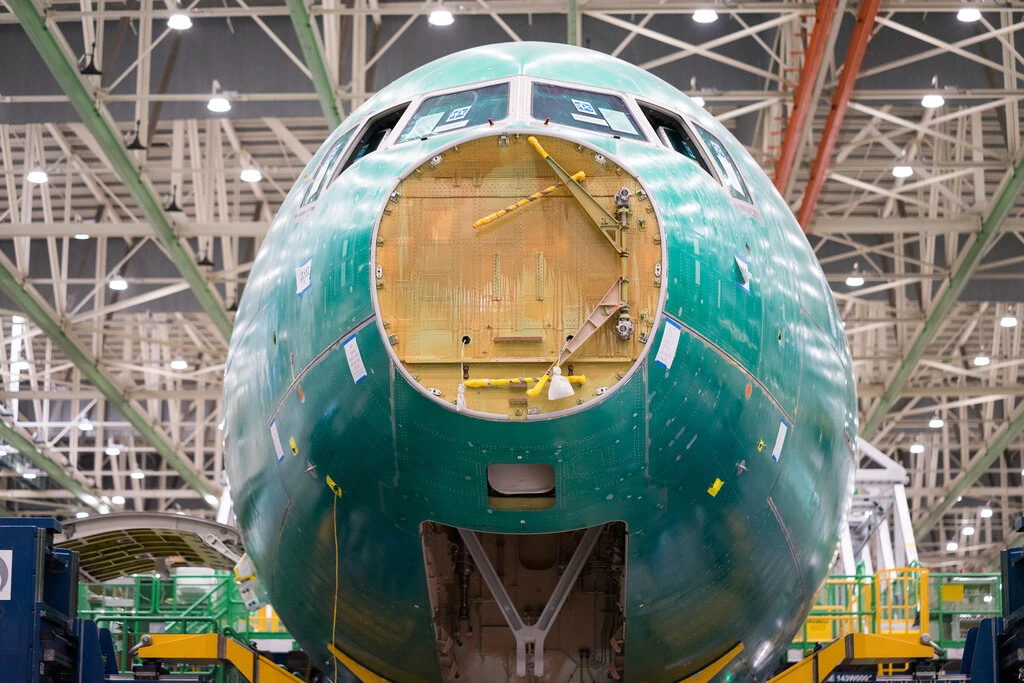
The seventh Boeing 777-9 test aircraft flew for the first time on July 29, 2026, pushing the 777X flight test program past 4,800 cumulative hours. The newest jet will fly Extended-range Twin-engine Operational Performance Standards (ETOPS) testing, the step that clears a twin-engine aircraft to fly farther from diversion airports on long-haul routes. Boeing built the aircraft at its Everett, Washington, facility, and the flight comes six years after the plane’s originally planned launch, according to a report by Simple Flying.
The milestone lands in the middle of a turbulent stretch for the program. GE Aerospace has paused GE9X engine shipments over a durability issue, Emirates (EK) has refused up to 11 of its earliest-built jets, and United Airlines (UA) is reportedly eyeing those same rejected aircraft as a way to become the first US operator of the 777X family. Each development touches the same underlying story: Boeing’s largest twin-engine widebody is closing in on certification, but not without friction.
Seventh Test Jet Begins ETOPS Certification Work
The aircraft that flew on July 29 is the seventh 777-9 to take to the skies since the type’s first flight in January 2020. Boeing needs the jet’s ETOPS testing to prove the aircraft can safely operate on long overwater and polar routes, far from the nearest diversion airport. The 777-9 is expected to pursue an ETOPS-330 rating, the same standard held by the Boeing 787 Dreamliner and the 777-300ER.
Boeing has said publicly that it will not deliver any 777-9 before ETOPS approval is complete. Customers for the aircraft want it in ETOPS-ready configuration from day one, which puts pressure on this final phase of testing. The program has now logged more test hours than any recent Boeing widebody development effort at this stage of certification.
A Seven-Year Delay Rooted in Engineering and Oversight
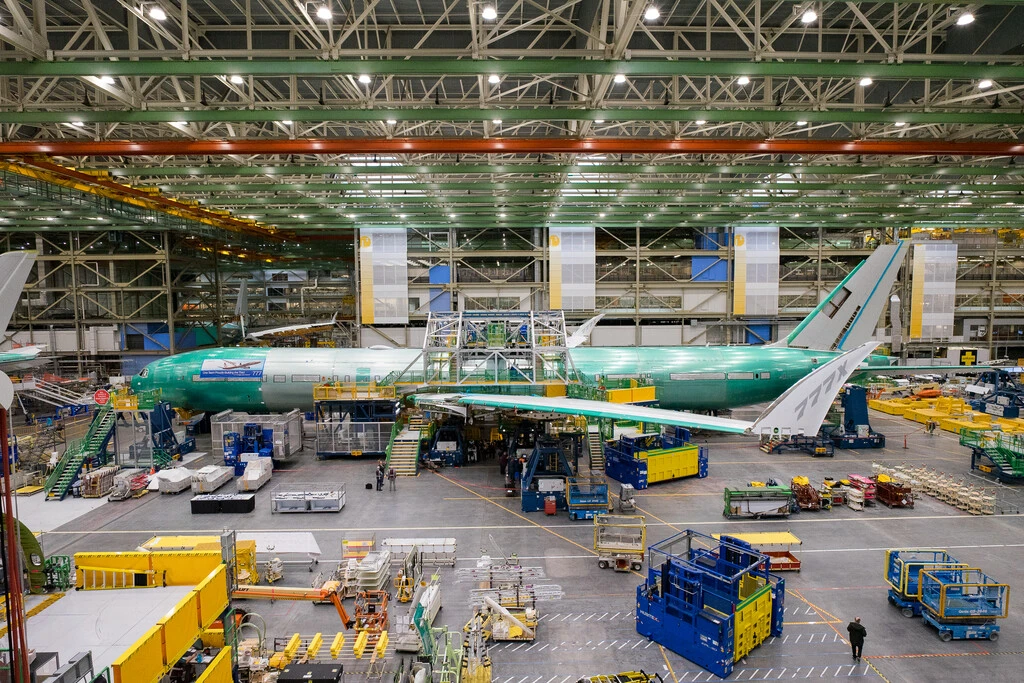
Boeing rolled out the first 777-9 in March 2019 and originally expected it to enter airline service in 2020. Two fatal crashes involving the 737 MAX in 2018 and 2019 triggered a fundamental change in how the Federal Aviation Administration (FAA) reviews Boeing’s aircraft programs. That heightened scrutiny added years to a certification timeline that was already facing engineering setbacks of its own.
The FAA has since split the Type Inspection Authorization process for the 777-9 into five separate phases, an unusually cautious approach compared with earlier aircraft programs. A cracked structural link between the engine and wing grounded the entire test fleet for roughly five months in 2024. Boeing booked a $4.9 billion pre-tax charge on the program in October 2025 after pushing first deliveries from 2026 into 2027.
Early test and production airframes built years ago for a 2020 launch now sit outside current engineering standards. Boeing engineers call the rework process “change incorporation,” and roughly 30 early-build jets need it before they can enter revenue service. Some industry analysts have compared the situation to the Boeing 787’s early “Terrible Teens” airframes, which needed similarly extensive rework after that program’s own delays.
GE9X Engine Pause Adds a New Wrinkle
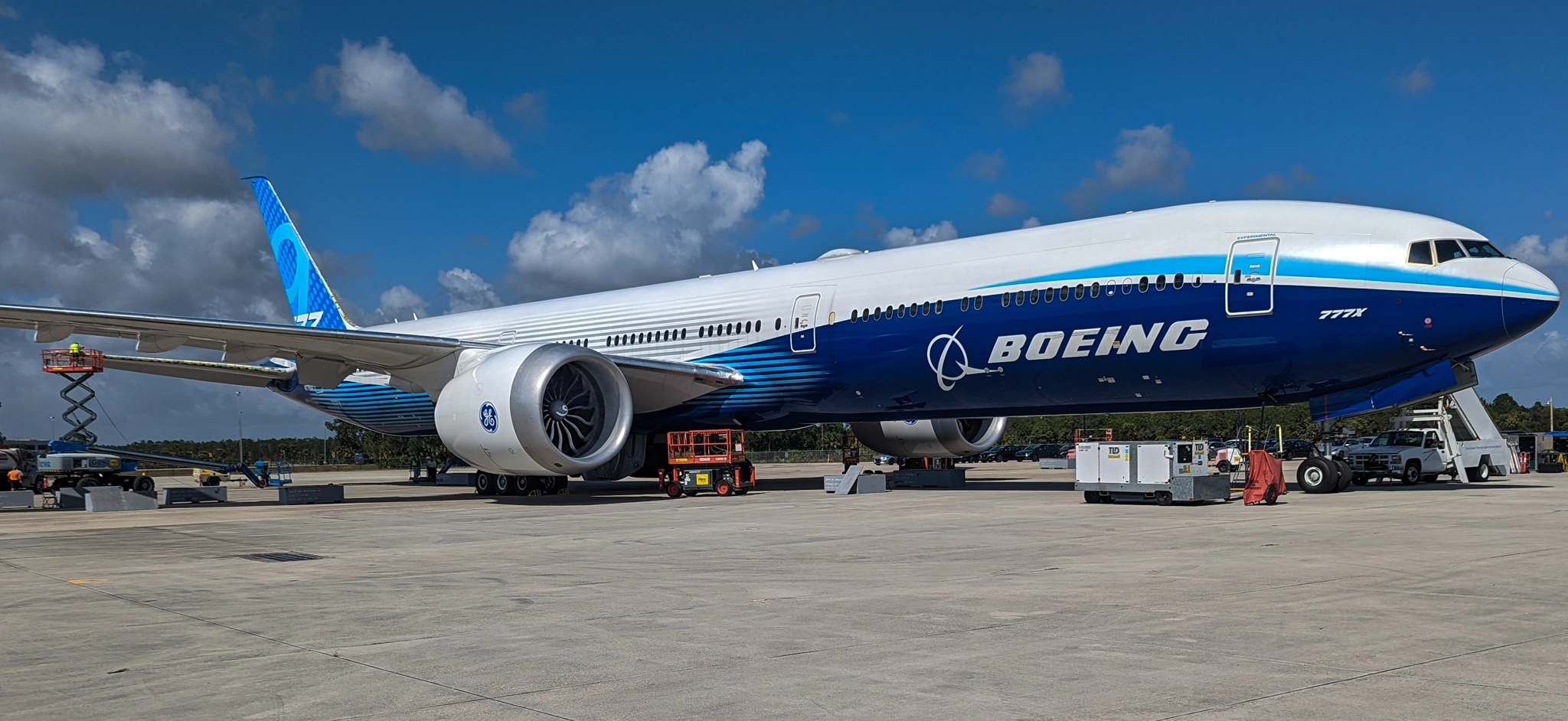
GE Aerospace quietly stopped shipping GE9X engines to Boeing after identifying a durability issue inside a mid-seal component that balances power across the engine’s turbine stages. Boeing Chief Financial Officer Jay Malave told investors on the company’s July 28 earnings call that GE Aerospace has completed its root cause analysis and is working with the FAA to certify a fix. Neither company has disclosed how many engines were affected or exactly when shipments paused.
Boeing insists the engine issue will not move the certification finish line. CEO Kelly Ortberg told investors that more than 55% of required flight testing is already complete, and the company still expects GE9X deliveries to resume before the third quarter ends. Boeing and GE Aerospace have also agreed on a corrective action plan for the mid-seal problem as a prerequisite for starting ETOPS testing in full.
The GE9X remains the largest commercial jet engine ever built, with a 134-inch fan diameter and roughly 105,000 to 134,300 pounds of thrust depending on configuration. GE Aerospace has run more than 1,700 dust-ingestion cycles to test the engine’s durability in hot, dusty conditions similar to those in the Gulf region.
Emirates Rejects Up To 11 Early-Build 777-9 Jets
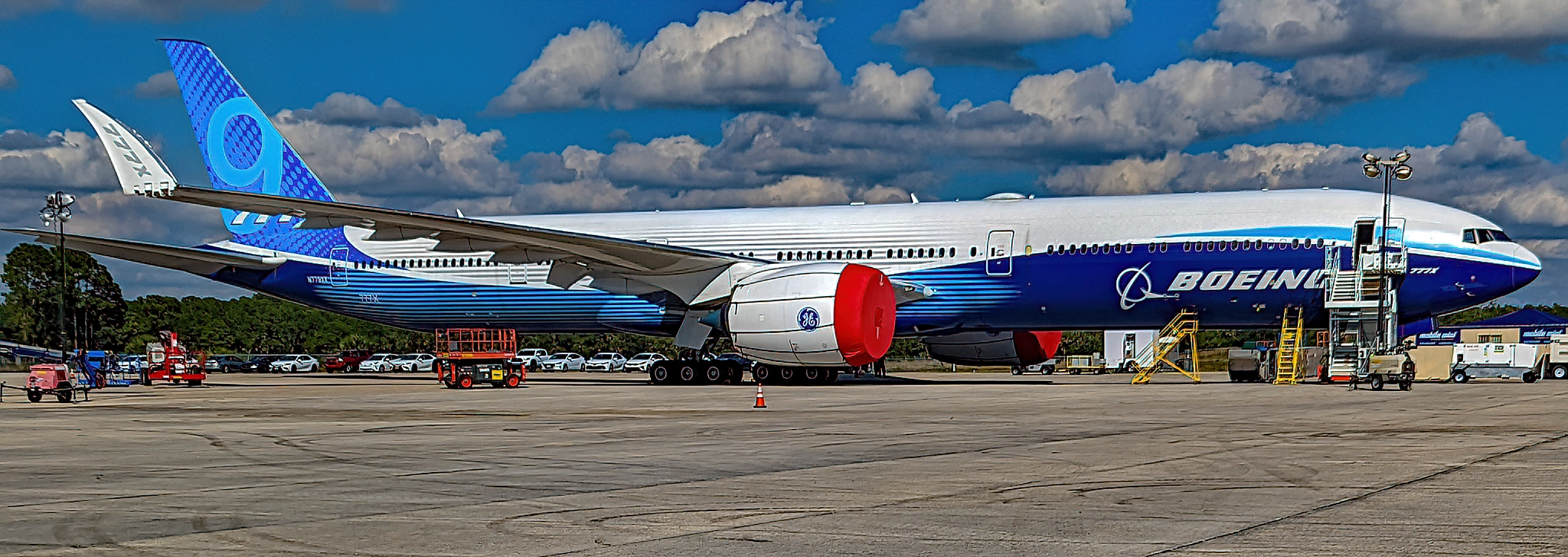
Emirates President Sir Tim Clark confirmed at the Farnborough International Airshow on July 21 that the airline will not accept delivery of the first 10 or 11 Boeing 777-9 jets built for its fleet. Clark said the aircraft, built as early as 2019, carry too many outdated modifications to justify the cost of bringing them up to current standards. According to a report by Aviation Week, Emirates has already informed Boeing of the decision.
Age plays as large a role as the modifications themselves. “If we were to take those aircraft in Q1 2027, they will be eight years old,” Clark said. He also offered a blunter assessment of the jets’ prospects to The Telegraph, suggesting they were fit only for scrap.
The rejection affects a small slice of Emirates’ total order. The airline has 270 Boeing 777-9 jets on order overall, the largest 777X commitment from any carrier, and it still expects its first accepted aircraft in the second quarter of 2027. Boeing has already dismantled one unwanted early-build airframe rather than pay the cost of reworking it.
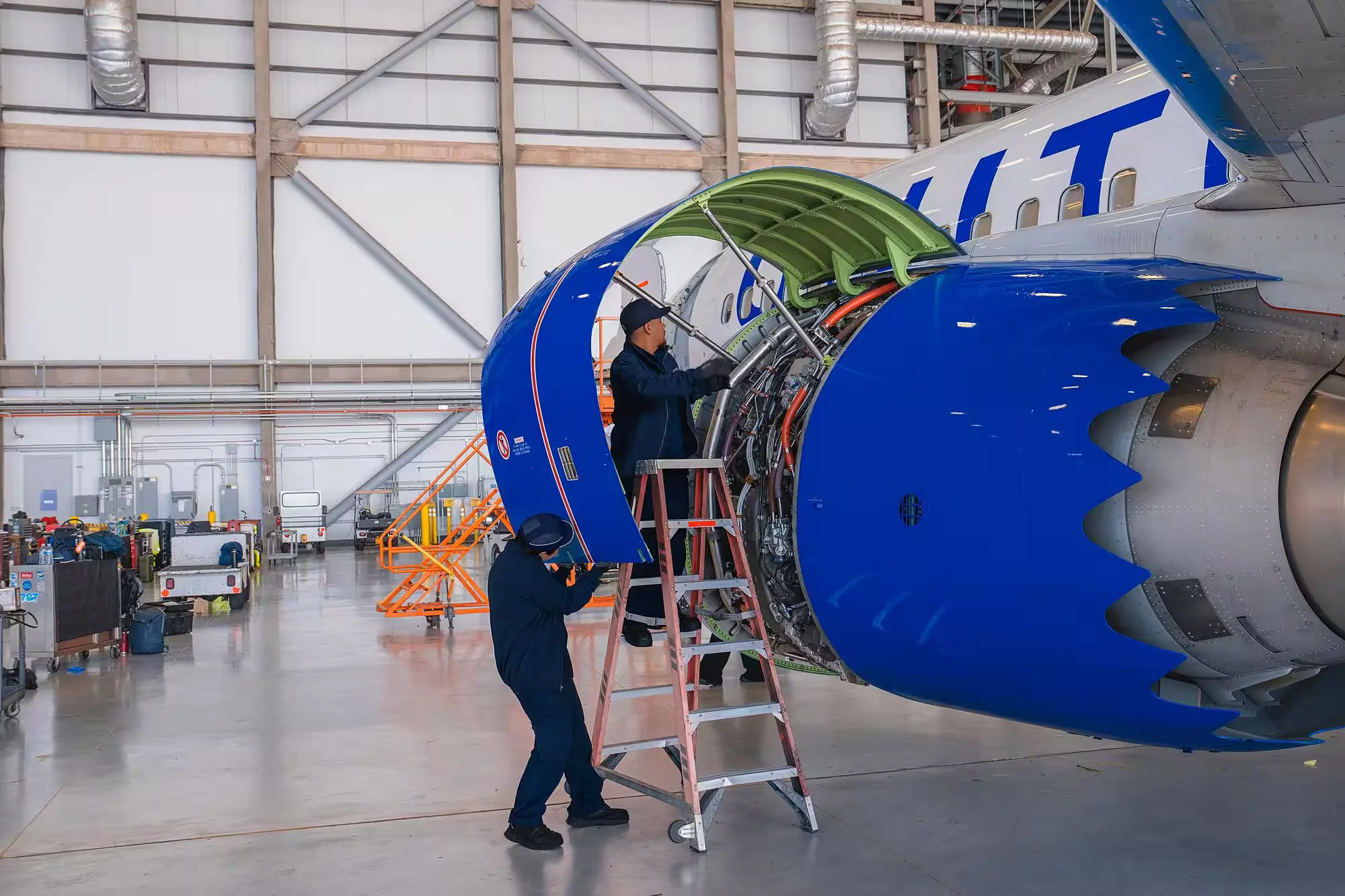
United Airlines Eyes the Rejected Jets
Emirates’ rejection has created an unexpected opening. Leeham News and Analysis and DJ’s Aviation have both reported that United Airlines is studying as many as 20 of the early-build 777-9 jets that Emirates and other Gulf carriers have declined to take. United has not ordered the 777X and would become the first US carrier to operate the type if a deal goes through.
The comparison between Emirates’ and United’s positions is instructive. Emirates operates ultra-long-haul routes that demand aircraft in peak, fully certified configuration, which explains why it drew a hard line on the oldest jets. United runs a larger and more varied domestic and international network, giving it more flexibility to absorb aircraft that need extra maintenance attention without pushing them to their performance limits on every route.
United is also working through a separate widebody problem of its own. The airline’s planned Airbus widebody debut faces delivery delays tied to a $175 million legal dispute with engine maker Rolls-Royce. Picking up discounted 777-9 jets would let United expand its widebody capacity quickly while that dispute continues.
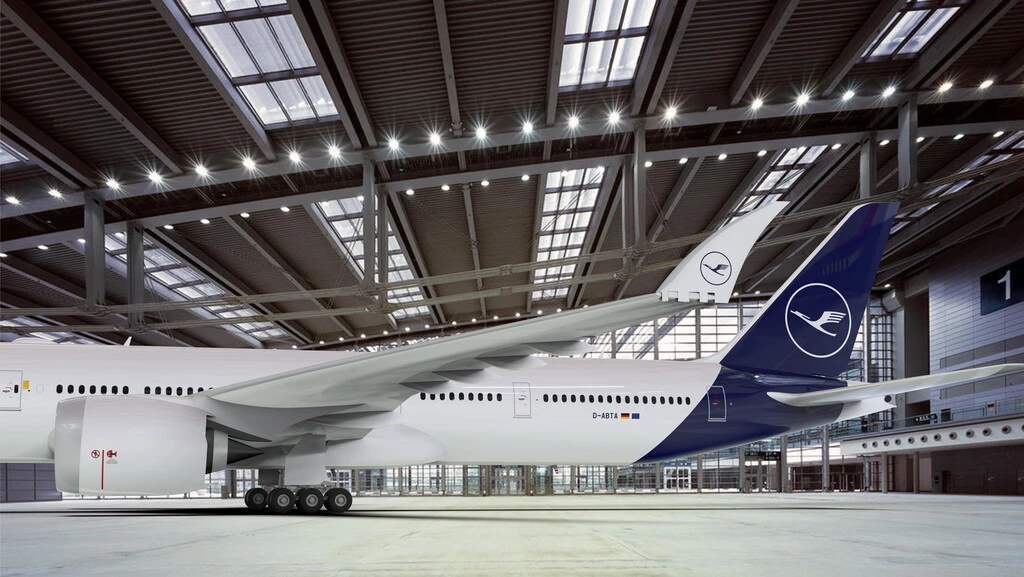
Key Specifications of the Boeing 777-9
The 777-9 is the largest twin-engine commercial jet in production today. Its defining features set it apart from earlier 777 variants and from competing widebody jets.
- Length: 76.7 meters (251 ft 9 in), the longest twin-engine commercial jet ever built
- Wingtips: Hydraulically folding wingtips, a commercial aviation first, that shrink the wingspan to 64.8 meters for standard airport gates
- Engines: Two General Electric GE9X-105B1A turbofans, the largest commercial jet engines ever certified
- Capacity: Up to 426 passengers in a typical three-class layout
- Range: More than 7,285 nautical miles
- Cabin altitude: 6,000 feet, lower than the 8,000 feet common on older widebodies
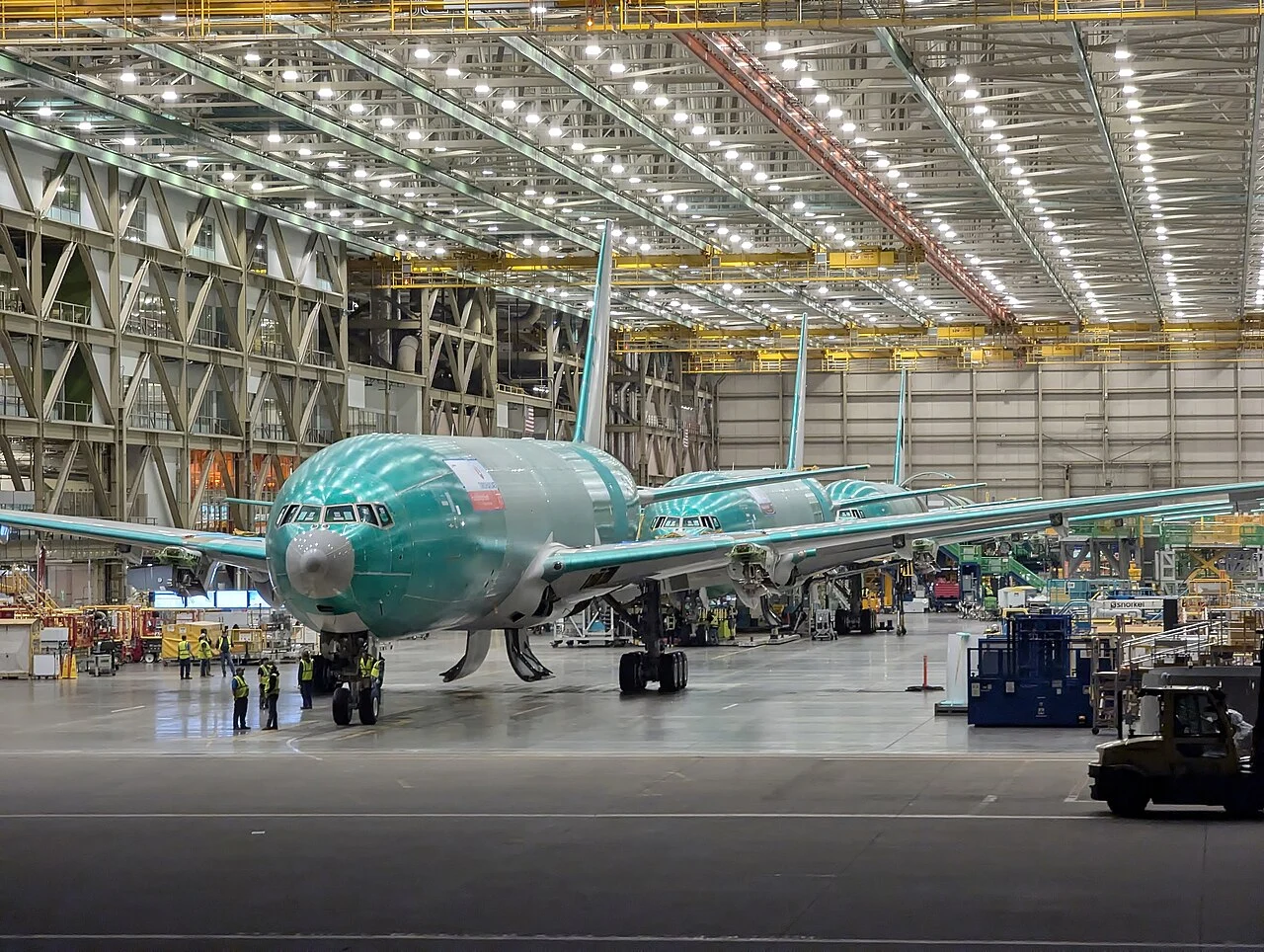
What Comes Next For 777-9 Certification
Boeing still targets first customer deliveries in 2027, with Lufthansa (LH) as the confirmed launch customer. Lufthansa plans to use its 20 firm-ordered 777-9 jets to replace an aging Boeing 747-400 fleet that now averages 26 years old. The airline’s new Allegris cabin, featuring a First Class suite with a closing door, will debut on the type.
ETOPS validation is expected to extend into 2027, running alongside the remaining phases of FAA-supervised testing. European certification from the European Union Aviation Safety Agency also remains outstanding before Lufthansa can fly the 777-9 in European airspace.
.jpg)
.jpg)
