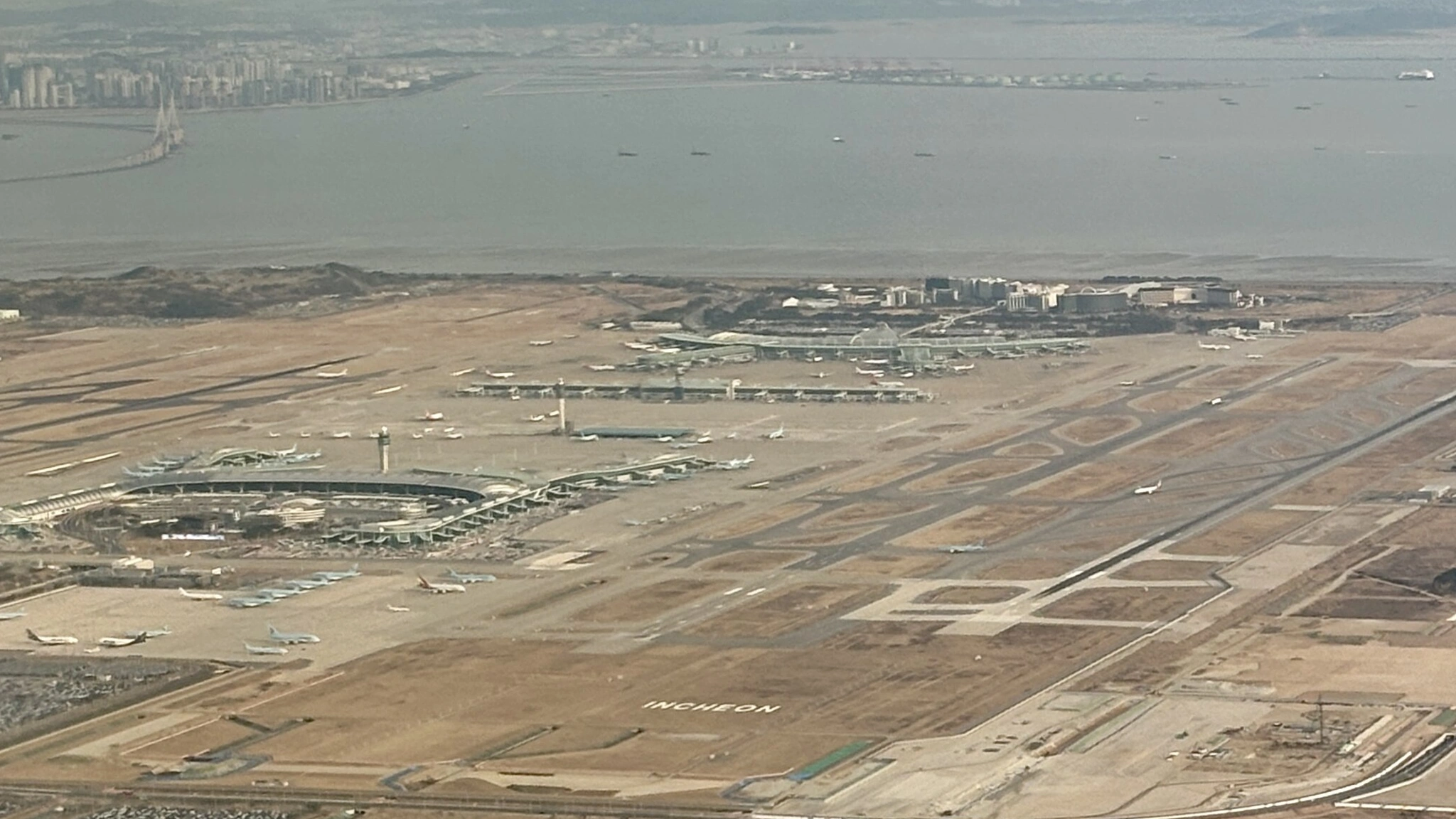
South Korea has placed its main international gateway on heightened operational footing ahead of one of the year’s most anticipated K-pop events. According to The Korea Times, the Incheon Airport Immigration Office at Incheon International Airport (ICN) has activated a special alert regime starting Wednesday, June 10, in anticipation of a large wave of foreign tourists entering South Korea for the BTS World Tour Arirang concerts scheduled for June 12 and 13 in Busan. The office, which oversees the entry and departure of all foreign nationals at ICN, has expanded its roster of on-duty immigration officers for a four-day operational window running through the concert weekend.
According to the Korea Times, the number of foreign nationals entering through ICN on Thursday alone is estimated at approximately 48,660, a 15 percent jump from the equivalent figure recorded the previous week.

Incheon Airport Mobilises Up To 88% More Immigration Officers for Concert Week
The Incheon Airport Immigration Office is deploying a significant increase in personnel to handle the surge. The number of immigration officers on duty will increase by up to 88 percent across the four-day special operation period.
Non-immigration airport staff have also been brought in to assist at passport control. According to the Korea Herald, immigration officials began working extended hours from Wednesday, with additional personnel deployed to guide foreign visitors to less congested checkpoints. More passport control zones are being operated than is standard during non-event periods.
Real-time monitoring of congestion across the arrivals process has also been implemented. The Seoul Economic Daily reported that the airport will track the time elapsed from deplaning to arrival hall entry and deploy supplementary staff at areas prone to bottlenecks, particularly near immigration counters.
Why The Busan Concerts Are Generating Record Travel Demand
The BTS WORLD TOUR ‘ARIRANG’ is the band’s sixth major concert tour and their first large-scale global outing since completing mandatory military service. The tour began on April 9, 2026, at Goyang Comprehensive Stadium and will run through March 14, 2027, spanning 85 shows across 34 cities in 23 countries. Tickets for North American and European dates sold out within hours of going on sale.
The Busan leg carries particular emotional weight, as two of the band’s seven members, RM and Jimin, hail from the city. The concerts on June 12 and 13 are scheduled at Busan Asiad Main Stadium, which has a seating capacity of 53,000. The tour supports the group’s fifth full studio album, ARIRANG, released on March 20, 2026, their first group album in approximately four years.
Previous BTS concerts in South Korea have produced demonstrable spikes in foreign arrivals data. The Korea Times noted that foreign national entries through ICN soared by 26 percent during the April concert dates in Goyang, compared with the daily average of 38,000 foreign arrivals recorded in May. Chinese tourists made up the largest share of that April surge.
Gimhae Airport and Busan City’s Parallel Welcome Infrastructure
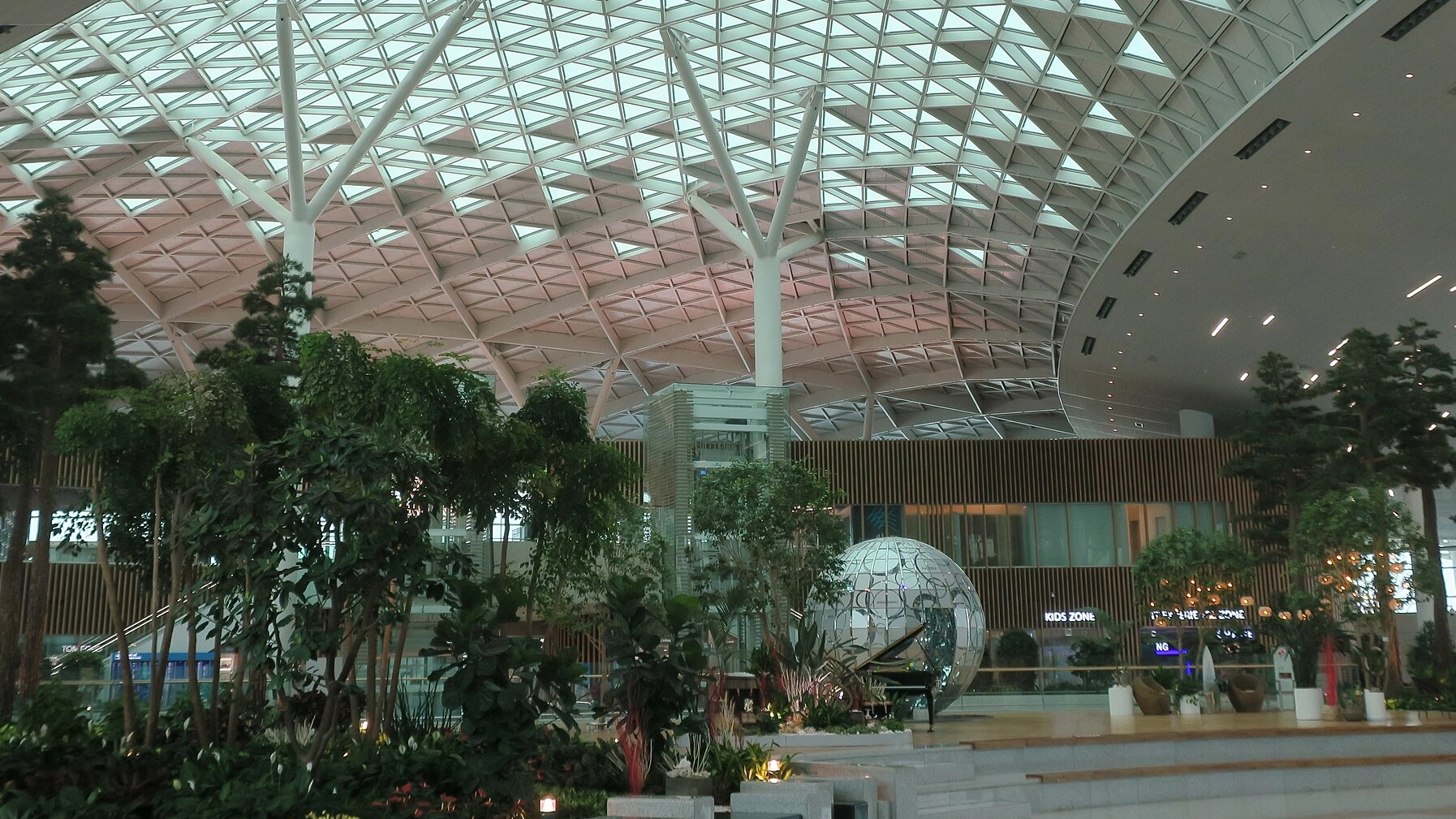
South Korea’s government did not limit its preparedness efforts to Incheon alone. The Ministry of Culture, Sports and Tourism, in collaboration with the Korea Tourism Organization and the Visit Korea Committee, launched a “Welcome Week” event at Gimhae International Airport (PUS) from June 1 to June 14.
A welcome booth was established in the first-floor arrivals area, offering multilingual tourist information, regional tourism guidance, and on-site reservation services for themed tourism products. A farewell event was also set up near the second-floor departures hall, with electronic board displays and goodbye cards distributed alongside souvenirs featuring traditional Korean culture.
Busan Metropolitan City has built out a broader public support structure for the concert period. Specific measures include:
- Accommodation inspection sweeps targeting price gouging and hygiene standards across hotels and guesthouses
- Public lodging arrangements covering approximately 400 foreign tourists between June 11 and 13, using facilities such as the Geumnyeonsan Youth Training Center and Gudeok Youth Training Center
- Special joint inspections at tourist destinations including Haeundae Beach and Gamcheon Culture Village
- Expanded public transportation services, including shuttle bus coordination from Busan Asiad Main Stadium
- A Busan Eurasia Platform welcome centre operating from June 5 to 21, providing luggage storage, tourism assistance, and K-pop engagement sessions
How Previous BTS Concerts Exposed Incheon Airport’s Immigration Strain
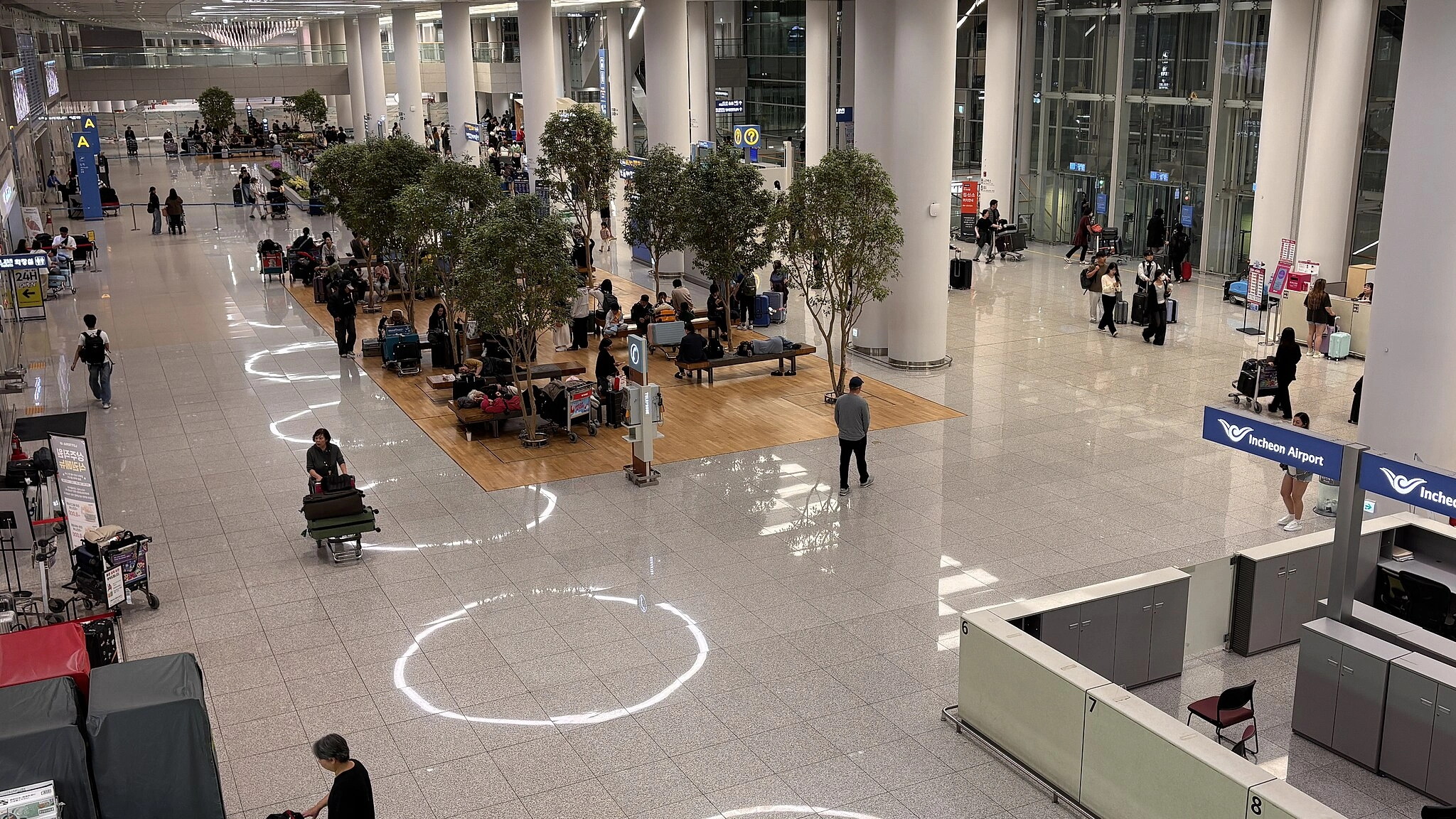
The heightened operations at ICN this week are not the first time a BTS concert has tested the airport’s immigration capacity. In March 2026, ahead of the band’s Gwanghwamun Square comeback concert, Incheon’s arrival hall experienced severe congestion. Allkpop reported that international fans waited between one and two hours at Terminal 2, with the arrivals hall described as resembling a crowded market. Staff shortages at the Ministry of Justice’s Incheon Immigration Office were identified as a key contributing factor.
South Korea’s Prime Minister personally visited ICN ahead of the March concert to inspect security and immigration operations. According to the Seoul Economic Daily, Prime Minister Kim was briefed by the head of the Incheon Airport Immigration Office and reviewed congestion management systems alongside the automated immigration clearance infrastructure.
He instructed immigration staff working extended shifts to deploy all available personnel and resources to ensure immigration screening at Incheon Airport remained both efficient and thorough before and after the BTS concert. He emphasized that the airport’s arrival hall plays an important role in shaping international visitors’ first impressions of South Korea.
He also stressed that safety should remain the highest priority from passengers’ arrival until the crowds had fully dispersed. In light of global security concerns and the scale of the gathering, he called for thorough preparations against potential threats, including terrorism, and urged close coordination among all relevant agencies without any gaps.
All in All
The immigration stress at ICN is not limited to concert weeks alone. South Korea is in the middle of its strongest inbound tourism cycle in recorded history. Government data shows that South Korea welcomed 6.77 million foreign tourists between January and April 2026 alone, a cumulative total unmatched for the same period in any prior year. The first quarter of 2026 produced 4.76 million arrivals, representing a 23 percent year-on-year jump and the strongest Q1 on record for the country.


.jpg)
