European Union negotiators have reached a compromise agreement that will fundamentally alter how airlines across the bloc market their ticket prices, requiring carriers to display fares inclusive of a standard carry-on bag and a personal item, while still permitting passengers to opt for a discount if they choose to travel with only an underseat item.
According to reporting by POLITICO, the conciliation committee — comprising representatives of the European Parliament, the EU Council, and the European Commission — is now working against a deadline of 15 June 2026 to formally adopt the text, after EU member state ambassadors reached provisional agreement on a compromise proposal. The legislation, once enacted, will apply to all flights departing from or arriving in EU member states and operated by EU-registered carriers.

Compromise Requires Marketing Standards, Not Mandatory Inclusions
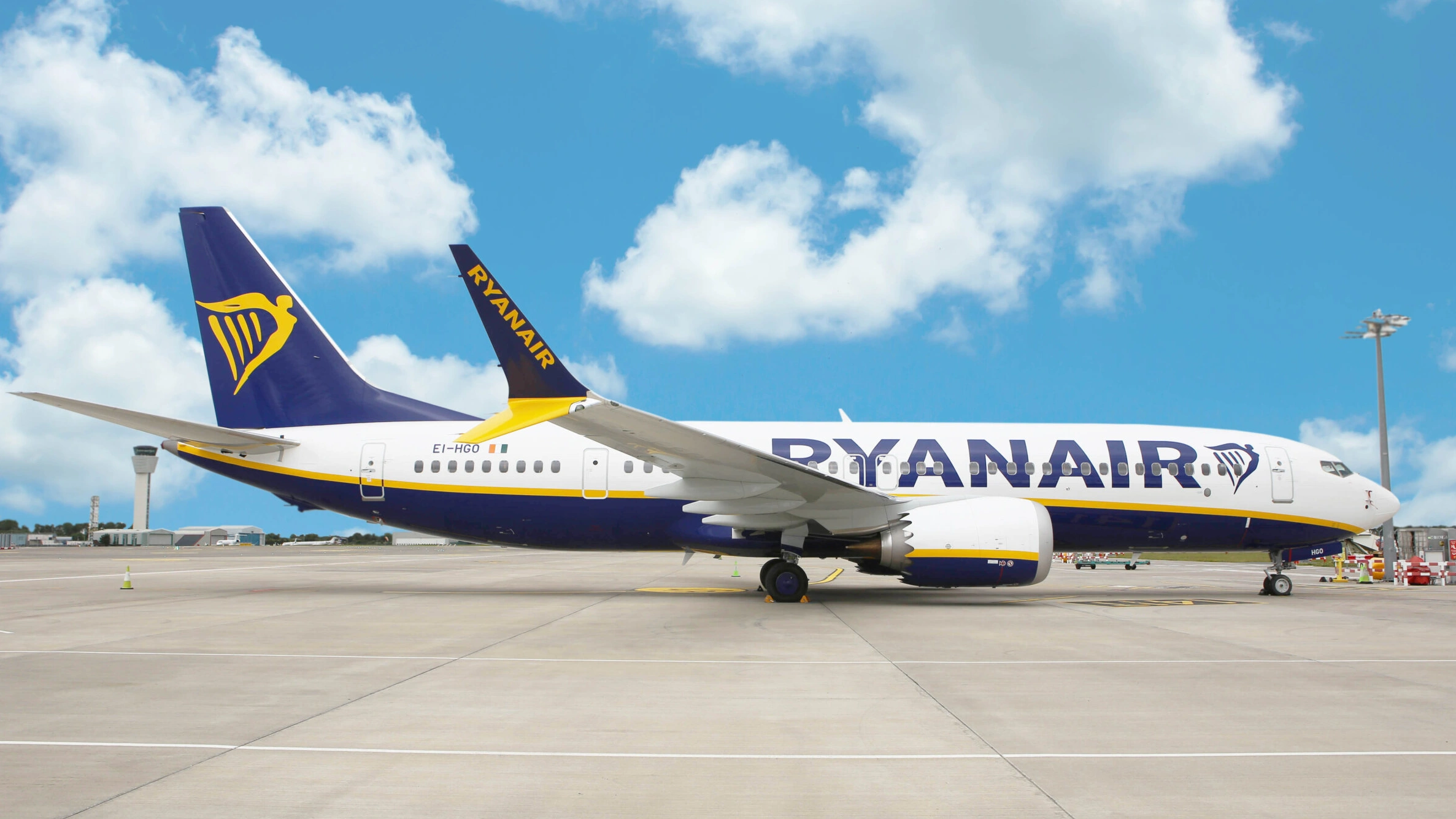
The ramifications are most acute for carriers whose business models are architecturally dependent on unbundled fares. Ryanair (FR), which carried 208.4 million passengers in the financial year ending March 2026 and generated €4.99 billion in ancillary revenue representing approximately 32 percent of total income, earns a material share of that figure from cabin-bag fees.
Under the new framework, the airline’s famously eye-catching sub-€20 headline fares would legally have to be displayed only after factoring in the cost of a carry-on, fundamentally reconfiguring how it competes on aggregators like Skyscanner, Kayak, and Google Flights.
The distinction between mandating inclusion and mandating marketing transparency is commercially significant and has divided consumer advocates from airline trade groups. Under the compromise, no airline is obligated to bundle a carry-on bag into every fare.
According to One Mile at a Time, airlines can still offer discounted fares to passengers willing to forgo the overhead bag, but these stripped-down prices may only be presented as a deduction from the baseline carry-on-inclusive fare, not as the primary advertised price.
The practical consequence for fare aggregation is considerable. A Ryanair flight from Dublin Airport (DUB) to Rome Fiumicino Airport (FCO) that currently surfaces at €17.99 on Skyscanner — a price that excludes overhead-bin access — would, under the new rules, have to appear at its all-in carry-on price. The traveller who wishes to travel light could still select a cheaper option during checkout.
The gazetaexpress.com report on the Politico-sourced compromise also confirms that the three-hour flight delay compensation threshold is maintained intact under the deal, preserving the current levels of €250 for flights under 1,500 km and €400 for flights between 1,500 and 3,500 km. That outcome represents a significant preservation of passenger rights relative to what the Council had initially sought, and it runs parallel to the bag-marketing changes as part of the same legislative package.
If ratified by 15 June 2026 and signed into law, implementation is projected to take between 12 and 24 months, with new national rules unlikely to take effect before 2027 at the earliest.
The Vueling Precedent and Spain’s Fines
The regulatory push carries significant jurisprudential weight rooted in a 2014 ruling by the Court of Justice of the European Union (CJEU). In the Vueling Airlines case (C-487/12), the court affirmed that hand baggage must be treated as a necessary component of air travel provided it meets reasonable size, weight, and safety requirements, and that it therefore cannot in principle attract a supplementary charge. That ruling served as the legal cornerstone for national enforcement actions — most notably in Spain.
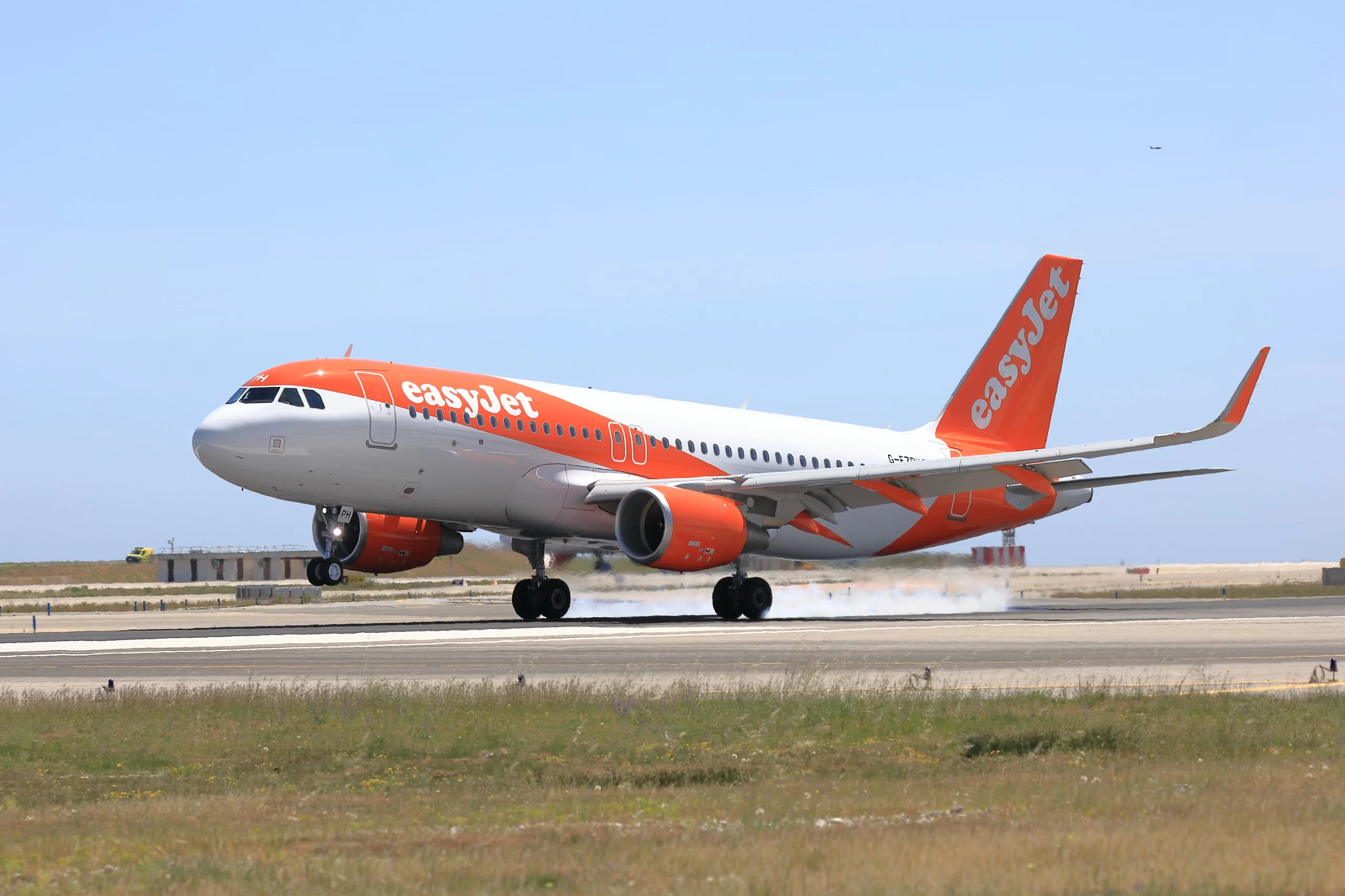
Spanish authorities levied a combined total of €179 million in fines against Ryanair (FR), Vueling (VY), easyJet (U2), Norwegian, and Volotea for imposing cabin-bag charges they argued violated the CJEU precedent. The airlines challenged those fines in the Spanish courts, obtaining temporary suspensions pending appeal.
The situation became still more complicated when the European Commission itself sided with the airlines, arguing that Spain’s enforcement action potentially breached the EU principle of pricing freedom as codified in the Air Services Regulation (EC) No 1008/2008, and gave Madrid formal notice to respond to its findings.
The Vueling judgment’s precise scope has remained a source of genuine legal ambiguity. In February 2026, the Brussels Enterprise Court ruled that Ryanair’s current baggage policy — which limits the free underseat bag to 40x30x20 cm, and requires purchase of its “Priority & 2 Cabin Bags” option for overhead-bin access — was compatible with EU law and aligned with the CJEU’s Vueling interpretation.
The Commercial and Regulatory Arguments
The debate over carry-on fee regulation has produced clearly defined fault lines, with industry and consumer advocates advancing structurally incompatible positions.
The airline industry’s case, articulated most robustly by Airlines for Europe (A4E) and the International Air Transport Association (IATA) include:
- Mandating or standardising carry-on inclusions reduces consumer choice and obliges all passengers to pay for a service some do not require.
- The current unbundled model enables genuine price differentiation: passengers who travel with only a laptop bag pay less than those who bring a full cabin trolley.
- Requiring free overhead-bin bags would compel airlines to absorb the cost into base fares — affecting even those who never use overhead bins — and travel experts have warned base ticket prices could rise as a result.
- On short-haul aircraft with 150 passengers, universal carry-on allowances add between 300 and 500 kilograms to total aircraft weight, with direct fuel and emissions consequences.
The consumer rights case, advanced by the European Consumer Organisation (BEUC) and 16 national member organisations include:
- The CJEU’s Vueling ruling already establishes that reasonably sized hand luggage is a necessary component of air travel and should not attract a surcharge, yet airlines have continued to charge for it systematically.
- BEUC Director General Agustín Reyna stated that carriers are “exploiting consumers and ignoring the EU top court” by limiting free items to under-seat bags.
- The proliferation of differing carrier policies creates genuine confusion across aggregators, where passengers comparing Ryanair, Vueling, and Wizz Air fares are not evaluating equivalent products.
- Survey data cited by BEUC indicates that consumers expect a personal item and a cabin bag to be included in a basic ticket purchase, suggesting that current norms misalign with passenger expectations.
Legacy Carriers and the Unbundling Trend
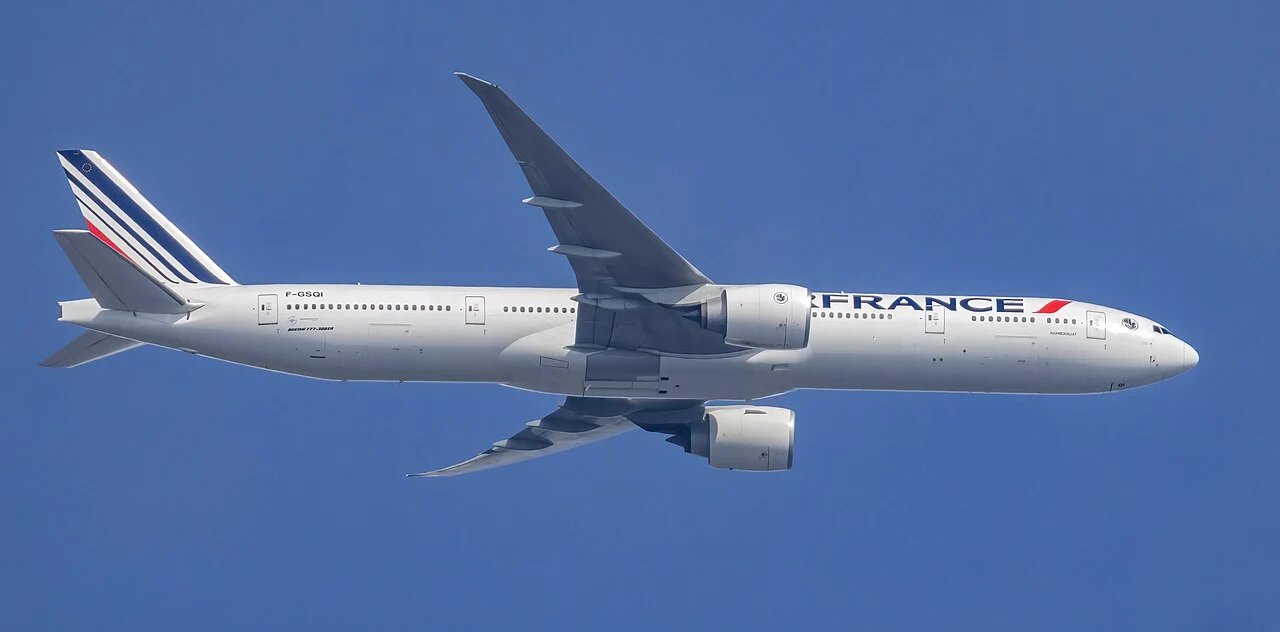
The EU’s regulatory focus on Ryanair-style unbundling somewhat obscures a broader structural trend across European aviation. Air France-KLM (AF/KL) and Lufthansa Group (LH) are progressively introducing fare families that exclude cabin bags, mirroring the low-cost model on short- and medium-haul routes. Lufthansa’s “Light” economy fare, for example, restricts passengers to a personal item, bringing Germany’s flagship carrier into the same regulatory crosshairs as Ryanair on this specific issue.
British Airways (BA) announced significant increases to oversized baggage charges effective 7 May 2026, while easyJet introduced new weight-based surcharges for carry-on luggage exceeding standard allowances during the same period.