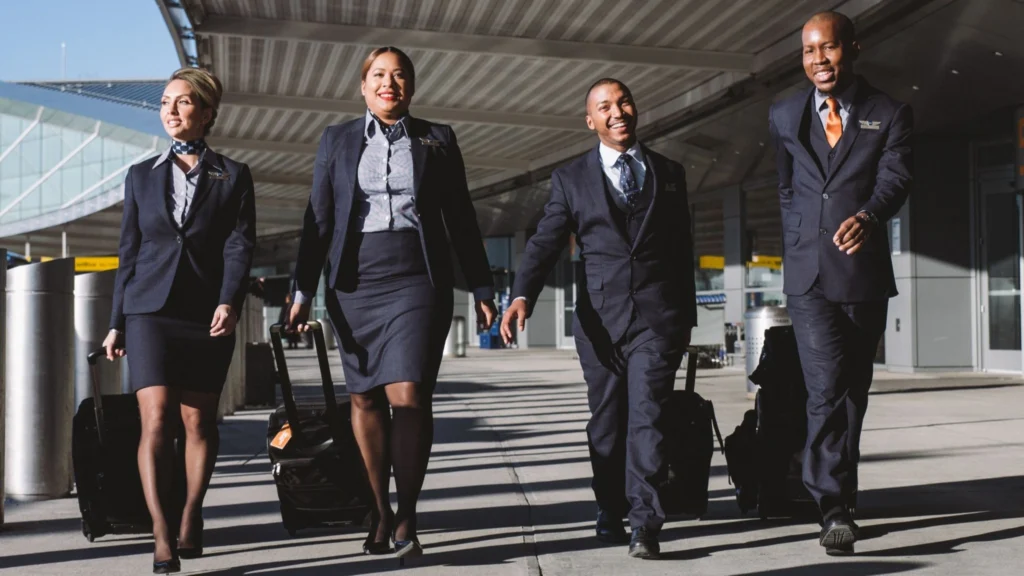
JetBlue Airways (B6) is offering flight attendants bonuses of $5,000 to pick up extra flying on their scheduled days off. The New York-based carrier is trying to recover from days of disruption that have led to hundreds of canceled flights and many more delays. The trouble began when widespread thunderstorms forced JetBlue to ground all flights arriving at New York’s John F. Kennedy International Airport (JFK) one night last week. The storms also triggered FAA-mandated ground stops at Baltimore, Boston, Newark, LaGuardia, and Washington Dulles and National airports.
The scale of the disruption has been severe even by summer storm standards. On July 22 alone, JetBlue canceled 257 flights, a quarter of its planned schedule, and delayed an additional 373. The airline has now called flight attendants back from office-based special assignments to fly regular trips, on top of dangling the cash bonuses, as it tries to reset a system strained by crews stuck in the wrong cities and aircraft out of position.
What The $5,000 Bonus Offer Actually Involves
According to a report by Paddle Your Own Kanoo, the bonus applies to flight attendants who pick up trips on days they were not originally scheduled to work. An internal message reportedly told inflight crew that an emergency meeting had been called and that every crew member on special assignment, JetBlue’s internal term for temporary non-flying roles, would be sent back to the line. Only inflight supervisors on special assignment were exempted from the recall.
The move mirrors incentive programs JetBlue has used before during past staffing crunches, though at a far higher dollar figure than its previous $1,000 attendance bonuses. Sources cited by aviation tracker JonNYC on social media say fatigue and sickness call-outs have been climbing at the same time, compounding the shortage the bonus is meant to fix.

How Days of Storms Turned into an Operational Meltdown at JFK
The crisis traces back to July 21, when the FAA halted flight operations at ten East Coast airports because of severe weather. JetBlue Master Executive Council chairman Captain Wayne Scales, who represents the airline’s pilots through the Air Line Pilots Association, has said JetBlue cut its JFK operations by roughly 50 percent that weekend, a reduction he argues went beyond what the weather alone required. Scales has pointed to repeated outages in JetBlue’s crew scheduling software as a second, compounding failure.
A fresh round of storms hit the region again from July 27 to July 29, prompting new ground stops at JFK, Newark Liberty International Airport (EWR), and LaGuardia Airport. More than 790 flights were canceled and 249 delayed across the three airports during that stretch, with JetBlue alone responsible for 139 of the cancellations recorded at JFK. The airline waived change and cancellation fees for customers booked through July 29 in response.

Crews Out of Position and a Union Pointing Beyond the Weather
Repeated cancellations left flight crews stranded in cities other than where their next assignment required them to be, a problem airlines call being “out of position.” That mismatch between where crews are and where they need to be has been a central driver of JetBlue’s continued disruption even after the worst of the storms passed. Scales has said the airline’s scheduling technology, not just the weather, left crews unable to recover a normal rotation.
JetBlue has not publicly disputed that its internal systems contributed to the meltdown, though the airline has continued to point primarily to the volatile weather pattern across the Northeast and Mid-Atlantic. The $5,000 bonus and the recall of special-assignment crew members represent the airline’s most direct attempt yet to rebuild its flying schedule from the ground up.
Why JetBlue Has Little Financial Cushion to Absorb a Meltdown
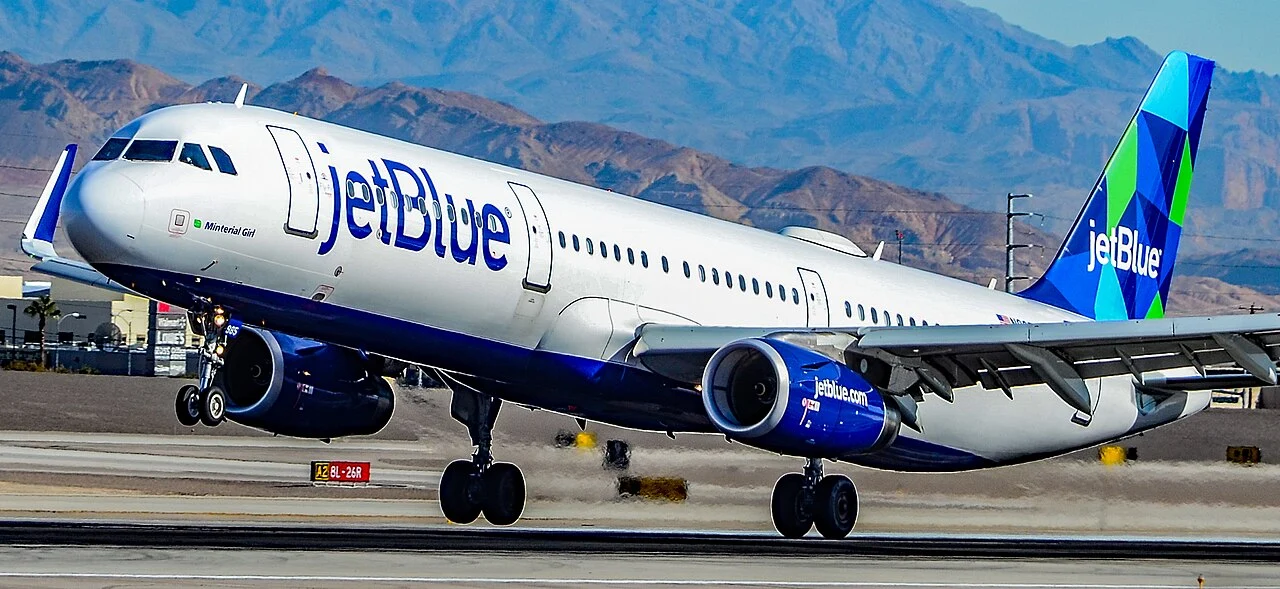
The disruption lands on an airline with almost no room for error financially. JetBlue founder David Neeleman warned in April that the carrier’s total debt could approach $9 billion if fuel prices stayed elevated, with annual interest payments potentially climbing toward $800 million. JetBlue posted a net loss of $247 million for the quarter ending June 30, more than triple the $74 million loss it recorded a year earlier, as fuel costs jumped more than 80 percent year over year.
That financial strain limits how much slack JetBlue can build into its schedule to absorb weather shocks without cascading delays. The airline executed a $500 million aircraft-backed financing deal during the same quarter simply to shore up liquidity.
A New Fort Lauderdale Hub Is Pulling Capacity Away from New York
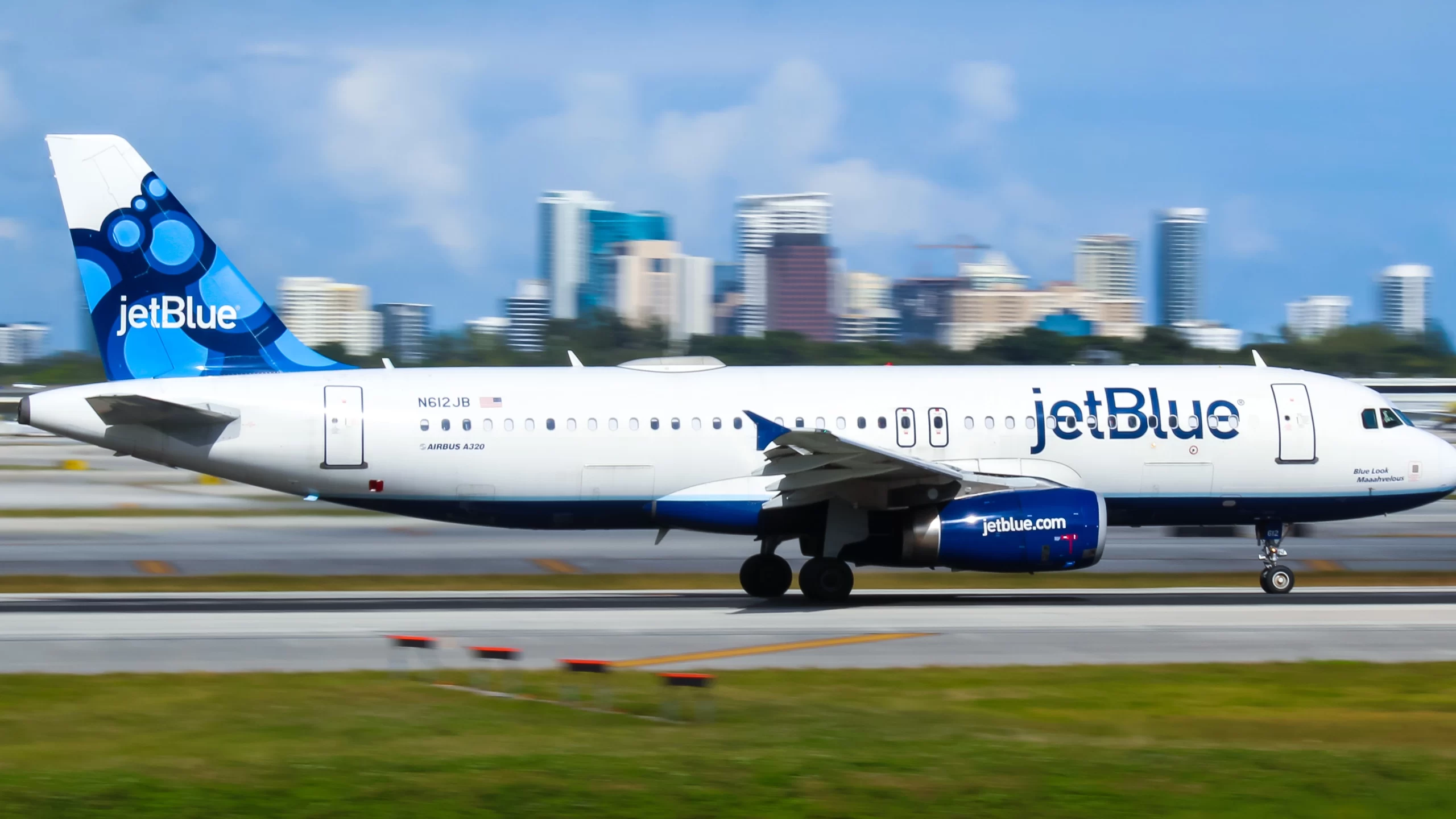
JetBlue’s network is also mid-transformation at the same time it is fighting through the JFK meltdown. The airline is redeploying jets from New York to build Fort Lauderdale-Hollywood International Airport (FLL) into a one-stop connecting hub for the Caribbean and Latin America, with plans to reach more than 150 daily departures from FLL by early 2027. JetBlue confirmed in June that it will close its flight attendant base at Newark along with maintenance bases at both Newark and LaGuardia this fall.
Much of that Fort Lauderdale growth stems from absorbing the network left behind after Spirit Airlines (NK) collapsed entirely on May 2, 2026, and JetBlue emerged as the single largest beneficiary of its vacated routes and slots. JetBlue’s capacity share at FLL is set to climb from about 22 percent in April to 37 percent by September. Building a major new hub while simultaneously shrinking New York operations adds another layer of scheduling complexity just as storms exposed how little slack the airline had left.
Cabin Crews Across North America Are Under Similar Strain
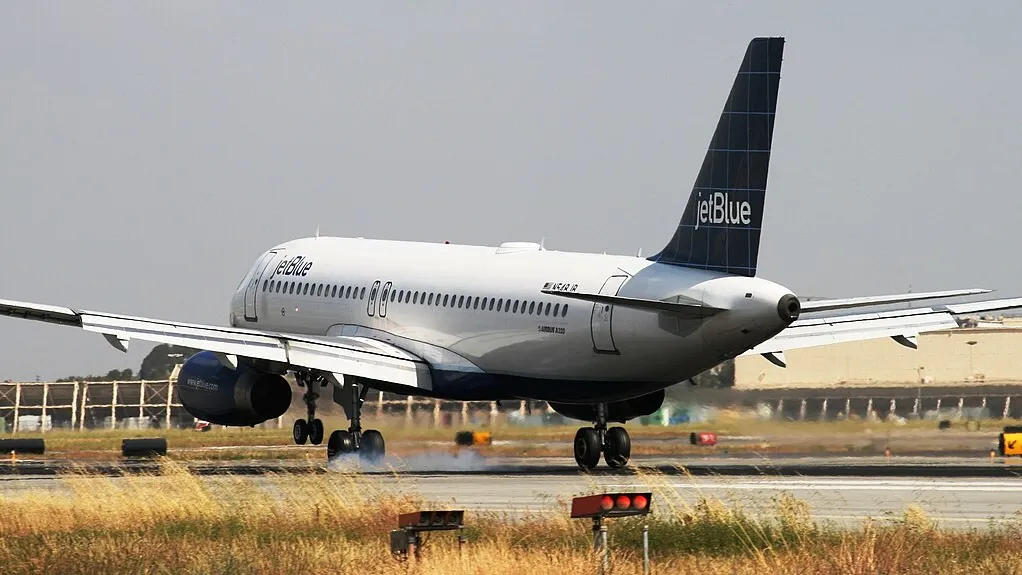
JetBlue is not the only North American carrier struggling to keep flight attendants satisfied with their working conditions this summer. Thousands of WestJet Airlines (WS) flight attendants could walk off the job as early as August 2, after members of the Canadian Union of Public Employees Local 8125 voted overwhelmingly to authorize a strike over what the union calls 35 hours of unpaid work every month. Pay for ground duties, boarding, and delays sits at the center of that dispute, much as scheduling strain sits at the center of JetBlue’s.
The two situations differ in form but share a root cause: airlines squeezing cabin crew schedules tighter than their workforces can comfortably absorb. Where WestJet’s flight attendants are threatening to stop flying over unpaid hours, JetBlue’s are being paid a premium to keep flying through a crisis largely created by disrupted scheduling.


_(2420771510).jpg)