An F-35B Lightning II stealth fighter crashed at Marine Corps Air Station Miramar in San Diego on Friday, July 31, 2026, and the pilot ejected safely. The jet went down short of the runway just before 10 a.m. local time, sending a column of black smoke over the base that was visible for miles. The aircraft belonged to Marine Aircraft Group 11, 3rd Marine Aircraft Wing, and the pilot was the only person aboard. According to a report by The Associated Press, the Marine Corps said the pilot was transported to a local medical facility in stable condition with injuries described as non-life-threatening.
The crash happened on the flight line as the jet approached the airfield, and the Marine Corps has classified it as a Class A mishap, the military’s most severe accident category. That designation applies when damages exceed roughly $2.5 million, an aircraft is destroyed, or a service member is killed or permanently disabled. Miramar air traffic control told firefighters over radio that had been recorded by LiveATC.net that it appeared the pilot’s parachute deployed before the aircraft went down.
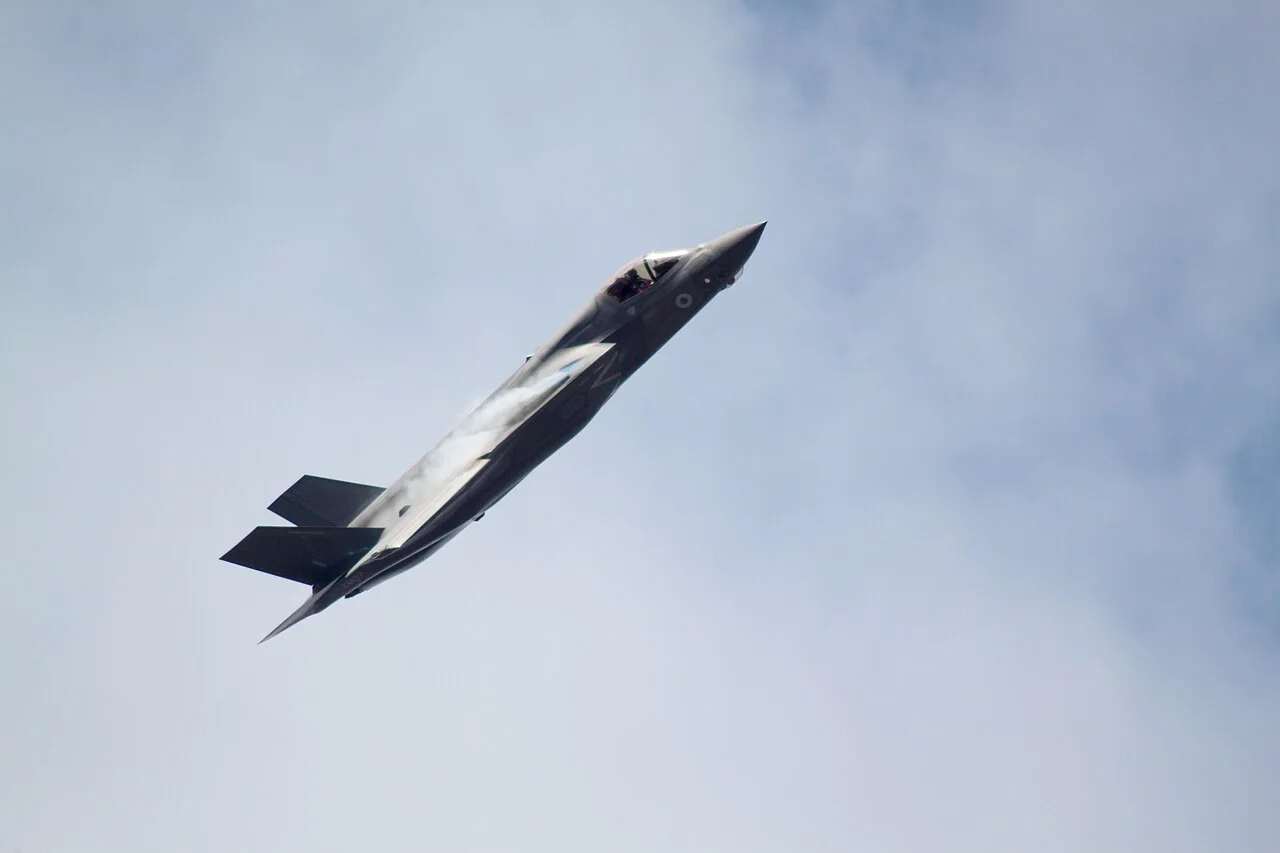
What Happened at Marine Corps Air Station Miramar on Friday
Video from a news helicopter showed a plume of black smoke rising from wreckage scattered across a dirt field near the runway. Airport fire crews sprayed the site with firefighting foam and worked to put out a grass fire that had spread around the crash. What appeared to be white flame retardant covered much of the surrounding ground by the time cameras arrived.
“The pilot ejected, was transported to a local medical facility in stable condition for evaluation and treatment of non-life-threatening injuries,” the Marine Corps said in an updated statement. A witness who was driving on nearby Interstate 15 described seeing the aircraft pass overhead with its cockpit open before it went down in a fireball, with a parachute floating toward the ground shortly after. The exact cause of the crash remains under investigation.
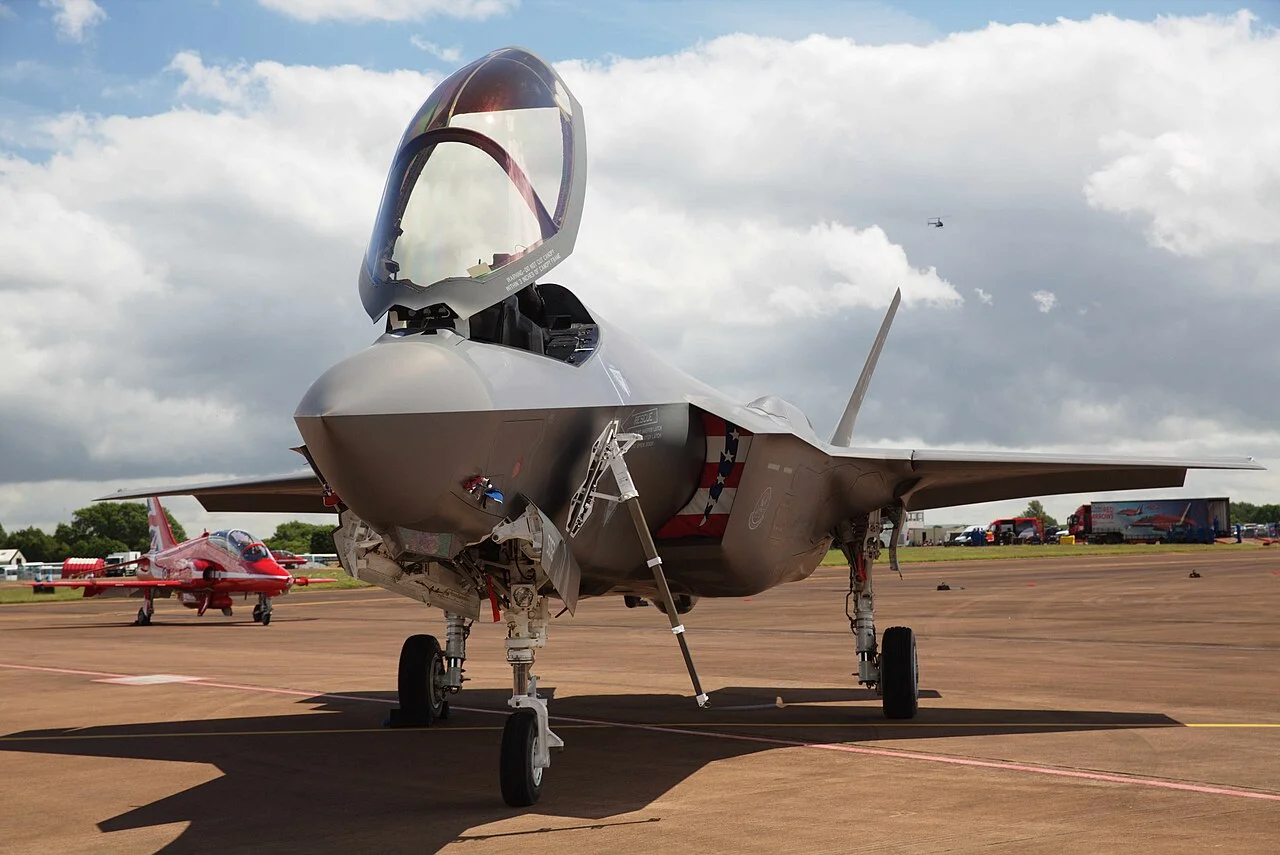
Inside The Jet That Went Down: The F-35B Lightning II
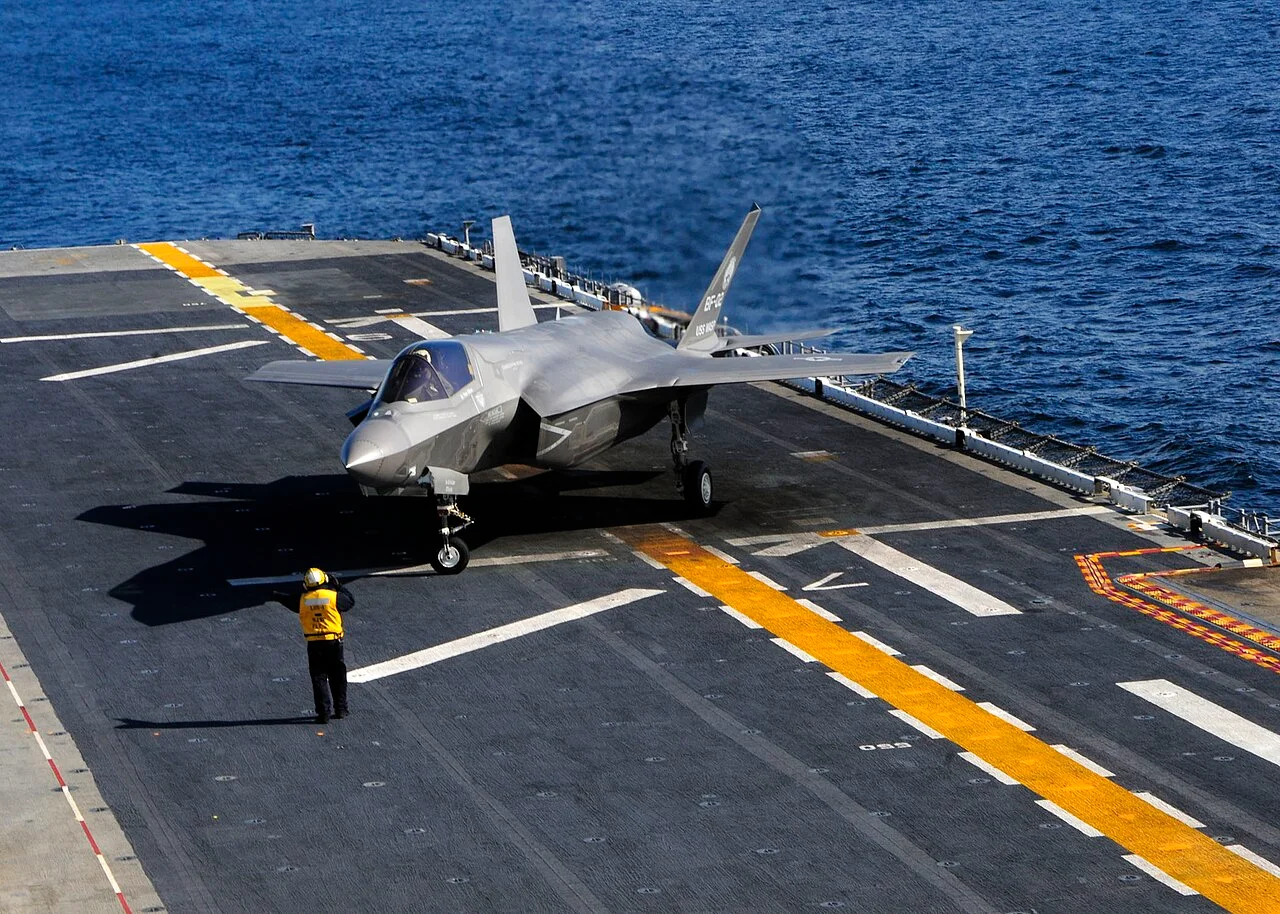
The F-35B is the short-takeoff-and-vertical-landing variant of the F-35 Lightning II, a fifth-generation stealth fighter built by Lockheed Martin. Unlike the F-35A flown by the Air Force or the carrier-based F-35C flown by the Navy, the F-35B can take off from short runways and land like a helicopter, which makes it useful aboard amphibious assault ships. A single F-35B costs roughly $109 million to $136 million depending on how spare parts and maintenance are counted.
Military plane crashes are investigated internally by the armed forces rather than by the National Transportation Safety Board, which handles civilian aviation accidents. The Marine Corps, Navy, and Air Force together operate more than 630 F-35s across all three variants, according to a 2024 Government Accountability Office analysis that put the program’s lifetime cost at roughly $2 trillion.
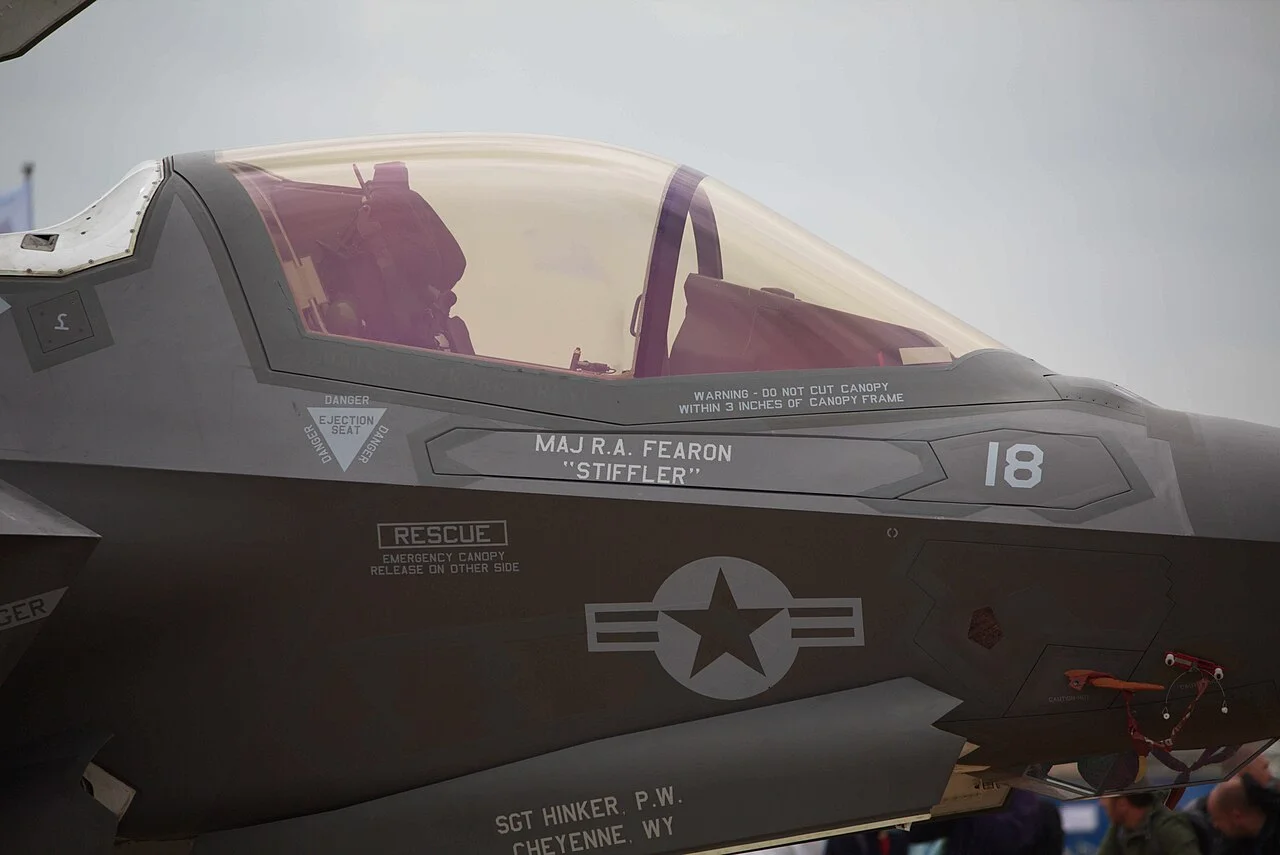
A Return Flight from the Middle East Adds a New Detail
Some outlets reported that the aircraft was part of a group of six jets returning from a deployment in the Middle East when the crash occurred, though the Marine Corps had not confirmed that detail as of Friday evening. A spokesman for the 3rd Marine Aircraft Wing said he did not immediately have information on the flight’s purpose or whether it was conducting a training mission. Officials said additional details would be released once the investigation progresses.
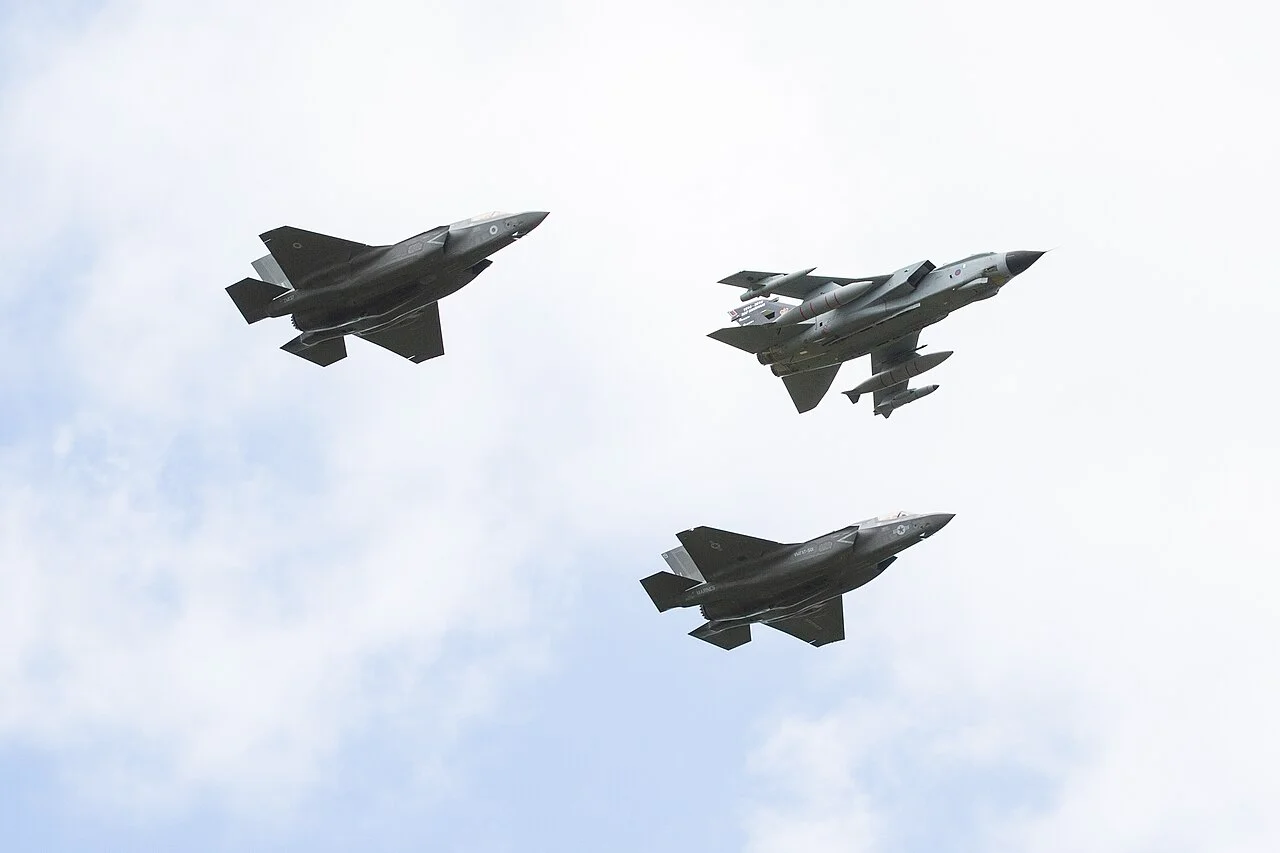
How This Crash Fits a Growing Pattern for Military Aviation
Friday’s crash adds to a broader trend documented by the Pentagon’s own internal accident data. Across the entire U.S. military, the rate of severe Class A accidents per 100,000 flight hours rose 55 percent in the 2024 budget year compared with four years earlier. The Marine Corps recorded the sharpest increase of any branch, with its accident rate nearly tripling over that same period.
In the first ten months of the 2024 budget year alone, Class A mishaps killed 25 service members and Defense Department civilian employees and destroyed 14 aircraft, based on figures the Pentagon shared with Congress. Aviation analysts have pointed to a range of contributing factors, including reduced flight hours for military pilots during the pandemic and the growing operational demands placed on crews since. Friday’s Miramar crash is the latest in a string of high-profile mishaps that has continued into 2026.
| Metric | Value |
|---|---|
| Total F-35 aircraft operated by the U.S. Marine Corps, Navy, and Air Force | More than 630 aircraft |
| Estimated cost of one F-35B | US$109 million |
| Estimated lifetime cost of the F-35 program | Approximately US$2 trillion |
| Additional F-35 aircraft planned for procurement | More than 1,800 aircraft |
| Threshold for a Class A mishap (damage) | More than US$2 million |
| Reported Air Force F-35 Class A mishaps since 2000 | At least 17 incidents |
Data: Government Accountability Office (GAO) analysis year cited by The Associated Press
The F-35 Program’s Troubled Flight Record
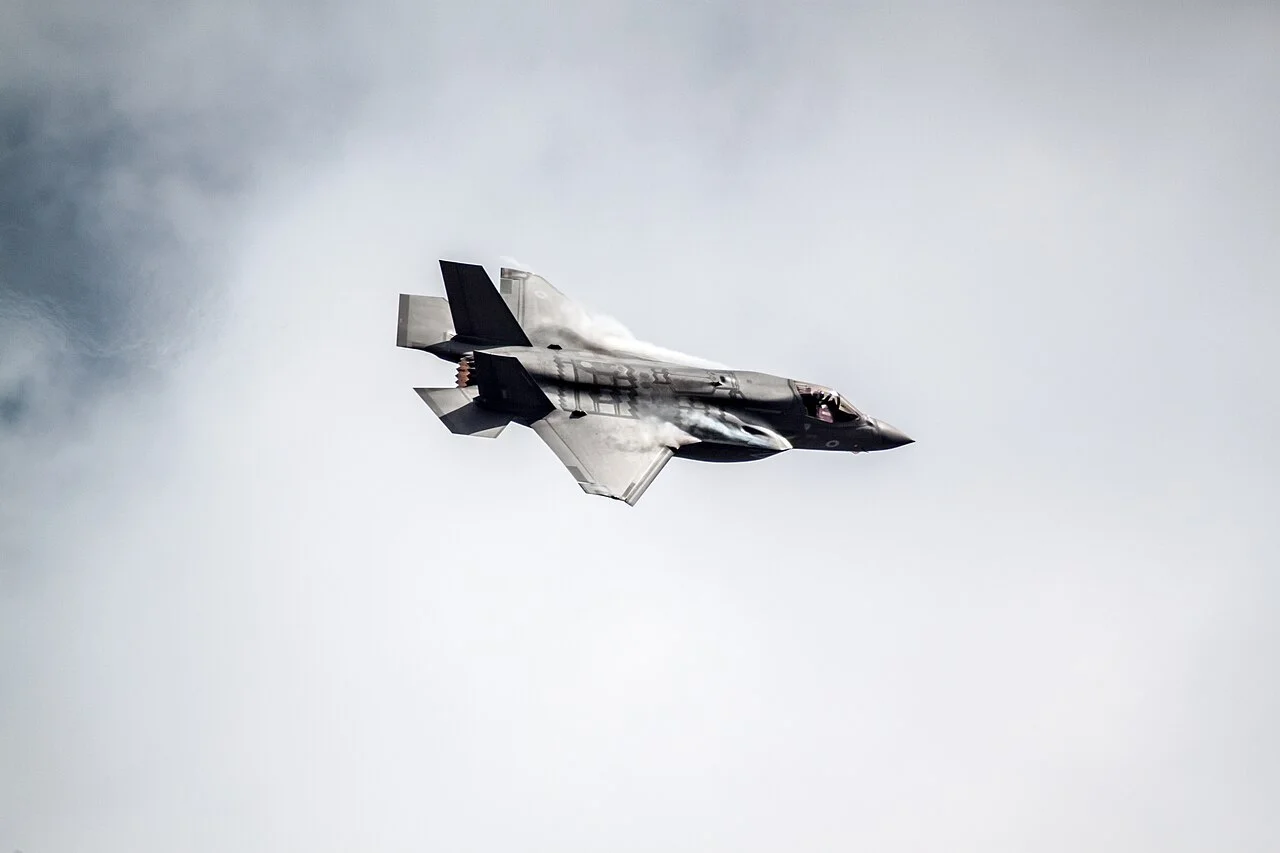
The F-35 fleet specifically has drawn scrutiny well before Friday’s crash. The program had logged more than ten crashes across eight years since 2016, and a May 2024 incident saw a developmental F-35B crash and burn shortly after takeoff from Albuquerque International Sunport, with the pilot ejecting and suffering injuries.
More recent incidents have followed a similar pattern of pilots ejecting safely. A U.S. Air Force F-35A crashed in the Nevada Test and Training Range in March 2026, with the pilot sustaining only minor injuries. In July 2025, a pilot ejected after an F-35 went down near Naval Air Station Lemoore in central California. The F-35B also ranks among the top aircraft types operated by the Marine Corps by fleet size, and the United States remains the largest operator of the jet worldwide across all three military branches.
Miramar’s History and What Happens Next
Miramar carries a well-known place in American aviation lore as the former home of the Navy’s Fighter Weapons School, the training program depicted in the original “Top Gun” film and known in its era as “Fightertown USA.” The school relocated to Naval Air Station Fallon in Nevada in 1996 after the base transferred from Navy to Marine Corps control. About 15,000 service members are now based at the San Diego installation.
The Marine Corps has not said when it expects to release further findings from its investigation into Friday’s crash. Officials confirmed that Marine Aircraft Group 11 provides offensive air support, anti-aircraft warfare, and aerial reconnaissance capability while also training fighter pilots for the Marine Corps and Navy. For now, the base’s runways remain the focus of a cleanup effort as investigators work to determine what caused the aircraft to go down short of the airfield.
.jpg)
.jpg)
.jpg)

.jpg)