India is one of the major powerhouses of aviation in the world. It has the Delhi Airport, which is one of the busiest airports for March 2025. Indigo, a budget carrier in the nation is one of the biggest budget airlines in the world. Sure there have been a few disasters such as the highjack of Indian Airlines Flight 814, but that was the last highjacking on a carrier based in India. Besides, the highjacking took place from Tribhuvan International Airport – an airport that is located in the nation that houses the most dangerous airport in the world.
But for a country as large as India, and with tremendous potential, many airlines struggle in India. Kingfisher Airlines, Jet Airways, Air Sahara are some of the names that immediately come to mind when thinking of the many failed airports in India. But why is this the case that airlines find it incredibly difficult to operate to and from India? Let’s find out.
Reasons why airlines fail in India
Running an airline requires substantial financial resources. Richard Branson, the founder of Virgin Atlantic, once said,
“If you want to be a millionaire, start with one billion dollars and start an airline.”
This is because you need millions (which can add up to billions) to buy an aircraft. The world’s largest passenger aircraft, the Airbus A380, cost around $250 million. And if you are an airline aspiring to run a fleet of ten such aircraft, the costs of simply buying aircraft become billions of dollars.
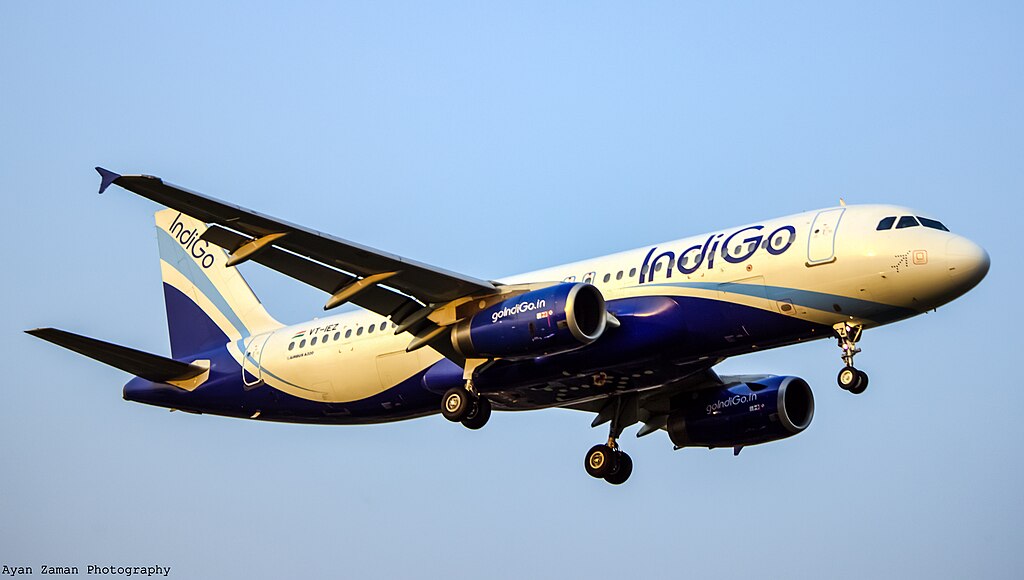
Photo: Md Shaifuzzaman | Wikimedia Commons
Even after the purchase of aircraft, the airlines have a tough job maintaining operations. Let’s take a look at the reasons why how each of these factors plays a crucial role in India’s aviation.
India’ doesn’t have its own fuel
Airlines spend 35-50% of their budget on aviation fuel. [With widespread adoption of sustainable aviation fuel, airlines might have to dedicate much more money for fuel]. In India, aviation turbine fuel (ATF) is processed from crude oil, and its price is directly linked to international crude oil prices.
Between July 2007 and 2008, crude oil prices rose from $76 to $132 per barrel, causing premium airlines like Kingfisher to lose billions. During the spike seen in the price of crude oil, the Indian Rupee was also falling in comparison with the Dollar, making compounding Kingfisher’s woes.
Other Indian airlines faced similar financial pressure, with India Times reporting that Kingfisher Airlines saw passenger revenue increase by 9 percent, even as revenue per available seat kilometre fell 16 percent year over year. At the same time, its cost per available seat kilometre increased by 8 percent, while the airline’s fuel bill surged 70 percent.
Jet Airways, then India’s largest airline, and low-cost carrier SpiceJet also reported losses during the September quarter. Kingfisher was among the airlines hit hardest by rising fuel prices and intense competition, as several carriers engaged in a price war while placing hundreds of aircraft orders based on expectations of long-term growth in the Indian aviation market.
India’s dependence on imported oil adds to the challenge because airlines are exposed to fluctuations in global fuel prices. Middle Eastern carriers can have a different cost environment because several major airlines operate from hubs in oil-producing countries, although their fuel costs are still influenced by global prices.
High taxes on aviation turbine fuel (ATF) have also placed additional pressure on Indian airlines. State governments have historically imposed VAT on ATF at rates reaching as high as 30 percent. Then-Aviation Minister Jyotiraditya Scindia had urged 22 chief ministers to reduce these taxes, arguing that lower fuel taxes could encourage more flights and increase refuelling activity within the states.
Uncertainty in aviation operations in India
If you are traveling to/from in Delhi Airport during winter, chances are the fog season will disrupt a number of flights and cause a flurry of cancellations. However, a visible number of Indians are frustrated with a lack of transparency about the information related to the delay in flights are delayed, in addition to:
- Lack of management of food provisions or offer facilities during cancellation/ delays of flights
- Lack of the airline facing fines despite making mistakes.
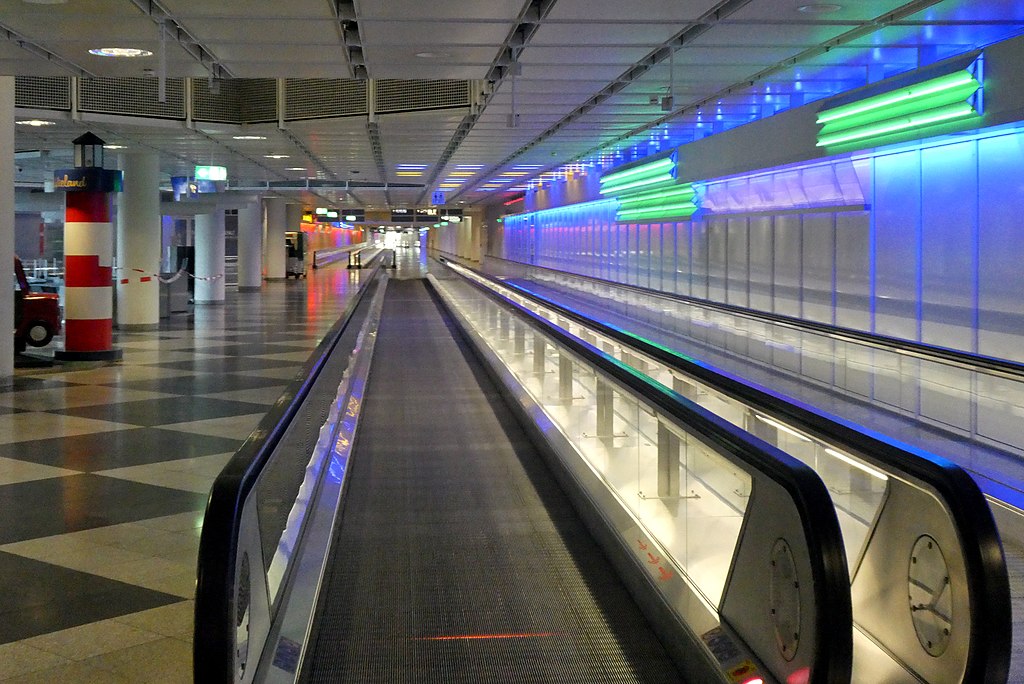
Photo: Renardo la vulpo | Wikimedia Commons
Pandemic situation
Back in 2020, COVID-19 severely hampered global aviation:
- Airlines were expected to lose $84.3 billion in 2020.
- Losses decreased to $51 billion in 2021,
- In the subsequent year, the losses further reduced to $11.6 billion
Despite the impressive recovery in the years after the pandemic, The IndianExpress reported that the global health crisis threw a number of airlines in India under the bus. According to the Business Standard:
” As per the data, seven airlines have been shut down in the last five years till July 21, 2023. Two airlines — Heritage Aviation Pvt Ltd and Turbo Megha Airways Pvt Ltd — were shuttered in 2022. Three carriers — Zexus Air Services Pvt Ltd, Deccan Charters Pvt Ltd and Air Odisha Aviation Pvt Ltd — were shut down in 2020.”
But one ought not single out India for airlines ceasing to operate after the heavy brunt of Covid-19. A report from CNN has it that 64 airlines were shut following the pandemic.
Difficulty in prediction of operations
Airlines have approximately three main avenues to earn money they are. One of them is from ticket sales, which might include other avenues of earning such as:
- Ticket modification
- Ticket cancellation
- Seat selection
- Excess baggage
- Special service request
In addition, there are earnings from cargo, and also by food and beverage. Full-service airlines like Air India and Vistara offer meals on domestic flights, and a now-defunct carrier, Jet Airways also provided meals to its passengers while budget airlines such as IndiGo and SpiceJet generally do not include complimentary meals on their standard fares, although passengers can purchase or pre-book food.
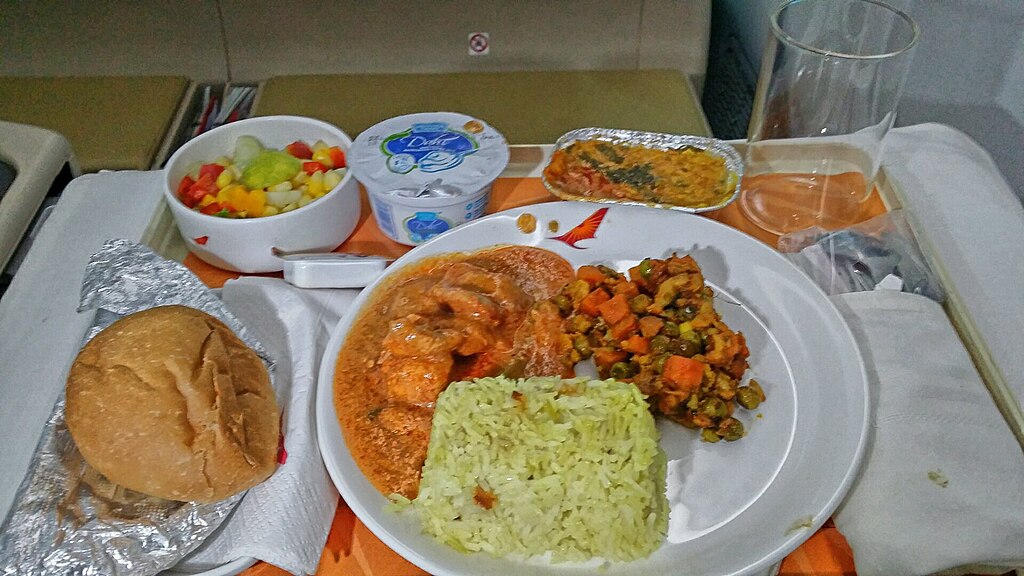
Photo: Abhinav619 | Wikimedia Commons
In India, major commercial airlines generate most of their revenue from passenger-related services. However, it is challenging to predict how many passengers will travel in a specific month, making it difficult for airlines to determine the required number of airplanes. Recently, the tourist town of India was bereft of travelers, showing how even popular destinations in India might not see as much activity as predicted, making it difficult for airlines to plan for flight operations and acquisition of aircraft.
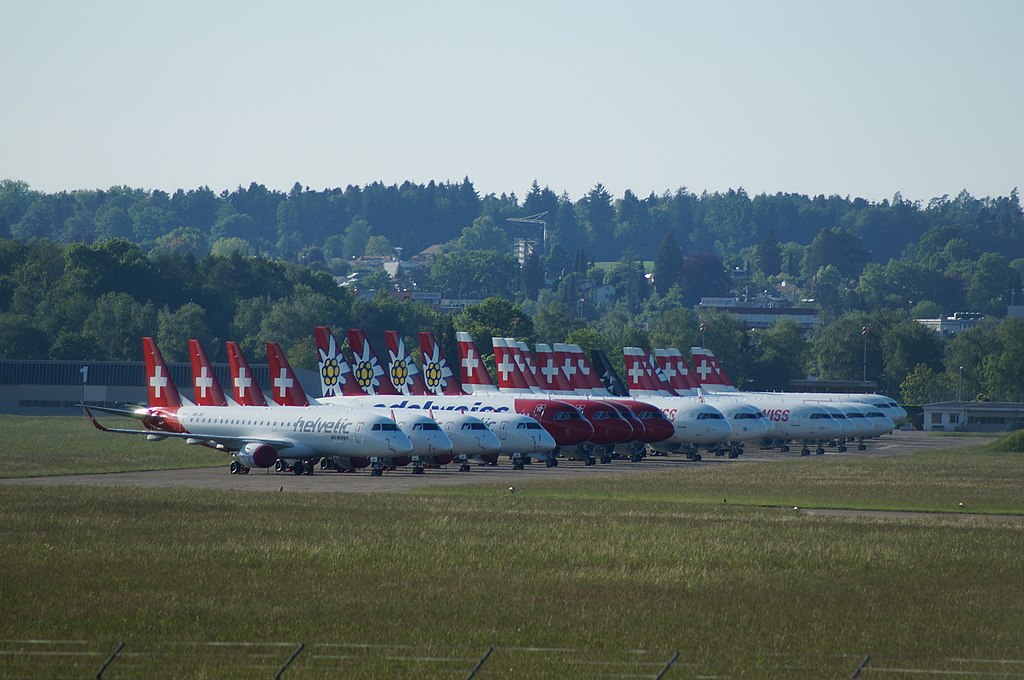
Photo: albinfo | Wikimedia Commons
Congestion of aircraft of non-operating airlines at airports in India
Airlines must pay fees to airports for parking their aircraft. In India, domestic and international flights take off from the same terminal, which increases charges. Additionally, many aircraft from insolvent airlines remain at various airports, occupying space without paying for it. Further, the grounding of more than a hundred aircraft in more than ten airport in the nation, also added to the operations of airlines in India as far as 2023.
Much like the problems faced during the pandemic, the grounding of many aircraft following the widespread issues with Pratt and Whitney engines wasn’t insular to India, though.
Difficulty in establishing brand loyalty in Indian aviation
The last reason is brand loyalty. In India, while the number of airline passengers is high due to the large population, the per capita traveler rate reveals that many Indians have never taken a flight. Only 1% of India’s population accounts for about 45% of the flights. In this context, building and maintaining brand loyalty is challenging.
In a nation where a large number of people travel by trains, operational and feature costs aossicated with a much more expensive mode of transportation i.e., airlines, isn’t the topmost priority. Many people would prefer a cheap mode of transport. It is difficult to establish brand loyalty in a market where customers prioritize low-cost options. This is one of the reasons why Indigo took the airline industry of India by storm.