On December 24, 1999, Indian Airlines Flight IC-814 departed Tribhuvan International Airport (KTM) in Kathmandu, Nepal, bound for Delhi — a journey scheduled to take around two hours. Instead, it would circle the skies and tarmacs of five countries for the better part of a week.
The hijacking is remembered as the worst to have originated from Nepal, and the worst to have involved an Indian carrier — a seven-day ordeal that ended in one passenger’s death, a hostage-prisoner exchange, and lasting change to how both Nepal and India approach aviation security.
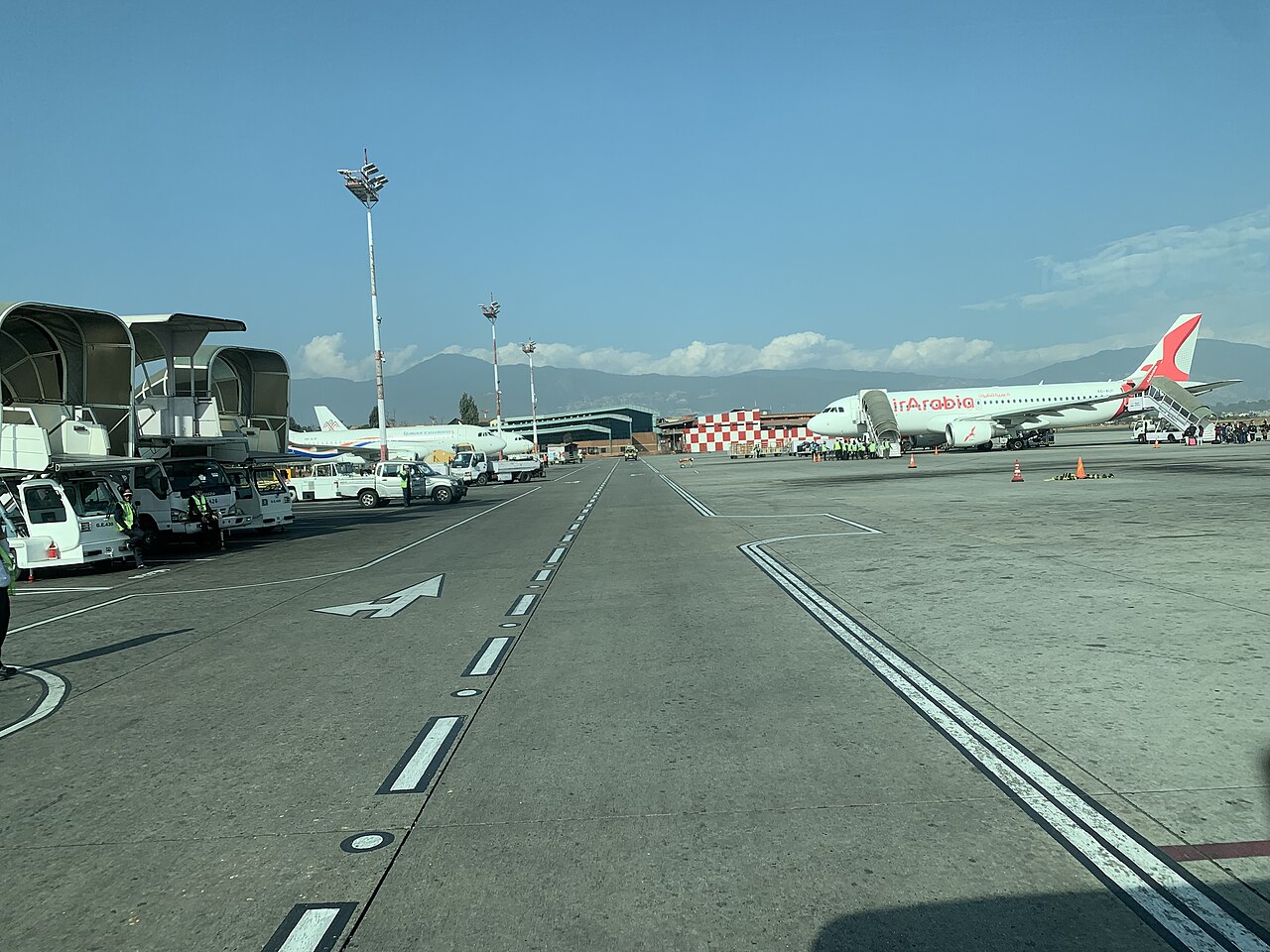
Tribhuvan International Airport – the airport where the highjack began.
Image:Chainwit | Wikimedia Commons
The Plan to Highjack IC-814
The roots of the hijacking trace back a decade earlier. In 1989, Kashmiri separatist militants kidnapped Rubaiya Sayeed, daughter of India’s then-Home Minister, in Srinagar, and secured the release of five prisoners in exchange for her safety. The episode taught a generation of militants a lesson: high-profile hostages could force the Indian government’s hand.
Three men were of particular interest to the group behind IC-814 — Mushtaq Ahmed Zargar (captured in 1992), Mohammad Masood Azhar (captured in 1994), and Ahmed Omar Saeed Sheikh, who was later linked to Al-Qaeda and the 9/11 attacks. Securing their release became the hijacking’s central demand.
In September 1999, a group led by Ibrahim Athar — who would later storm the cockpit himself — met in a rented house in Bangladesh to plan the operation. An Indian man named Abdul Latif, also present at the meeting, spent two months producing fake documents for the five conspirators.
Weapons — three revolvers and three grenades — were sourced with the help of a Nepali contact, Yusuf Nepali, who traveled with hijacker “Doctor” (real name Shahid Akhtar Sayeed) to Kalimpong, India, to buy them from a supplier named Dilip Kumar Bhujel.
The five men converged on Kathmandu from different routes — Mumbai to Kolkata by air, then by train and bus; another pair via Gorakhpur. Eleven days before the hijacking, they gathered at Kathmandu’s Central Zoo, where they settled on the code names that would define the episode: Chief, Burger, Doctor, Bhola, and Shankar. The plan had originally targeted December 27, but Abdul Latif — who stayed behind rather than board the flight — told the group to move up the date to December 24.
Airport security at Tribhuvan was notoriously lax; the plan called for Chief to pass through the checkpoint first and signal the others if it was clear. It was.
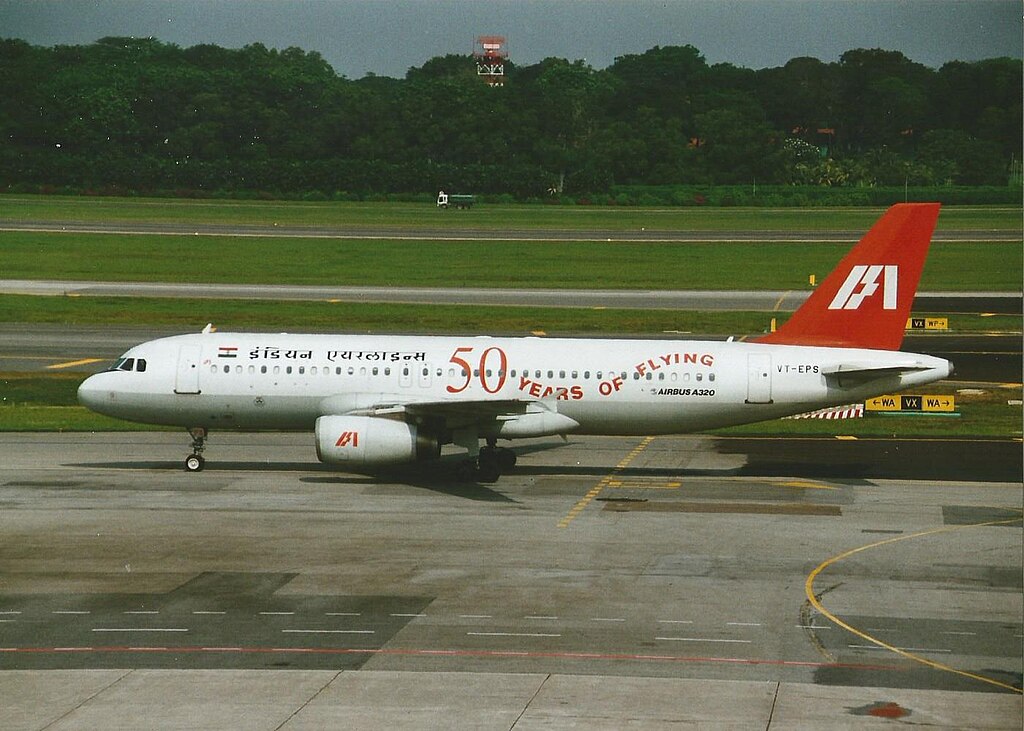
Image: simon butler | Wikimedia Commons
The Beginning of the Hijacking
IC-814 carried 178–179 passengers and 11 crew. The Chief, Doctor, Bhola, Shankar, and Burger boarded separately, holding tickets in economy (seats 3A, 2B) and business class (6B, 19G, 23G). The aircraft, an Airbus A300B2-101 registered VT-EDW, took off at roughly 4:05 PM local time.
About half an hour later — as lunch was being served and the flight had crossed into Indian airspace — the five men, four of them masked, forced their way into the cockpit. Captain Devi Sharan, who would later write a book about the episode (“Flight into Fear: The Captain’s Story”), was ordered to fly west toward Pakistan.
Pakistani air traffic control refused permission to land in Lahore. India’s then-Prime Minister, Atal Bihari Vajpayee, and his Principal Secretary Brajesh Mishra reportedly weren’t informed of the hijacking until more than an hour after it began. Sharan relayed the hijackers’ threats to Indian ATC in the hope they could broker landing clearance with Pakistan — but the request was rejected again.
Amritsar was a Missed Opportunity for the Indian Government
Running low on fuel, the hijackers agreed to divert to Amritsar on Sharan’s advice. It landed at 19:01 IST, giving Indian authorities a rare chance to intervene on home soil. What followed has since been described as one of the most consequential failures in India’s response to the crisis — Punjab’s Director General of Police reportedly learned of the hijacking from television only an hour before the plane landed, leaving little time to prepare.
A Crisis Management Group and local task force attempted to stall the aircraft while a response was organized, but the hijackers refused to negotiate with anyone outside Delhi. Authorities attempted to delay the plane’s departure by positioning the refueling vehicle in front of it — but a miscommunication with the driver led the hijackers to suspect a trick, and they forced Sharan to take off with minimal fuel, narrowly avoiding a collision with the refueling truck on the runway. National Security Guard commandos arrived at the airport at almost the exact moment the aircraft became airborne. As it left, Sharan radioed Indian ATC: “We are all dying.”
Among the passengers was Shashi Bhushan Singh Tomar, brother-in-law of N.K. Singh, then-secretary to Prime Minister Vajpayee — a detail that later fueled speculation about whether the aircraft’s departure from Amritsar was allowed to proceed in part to protect him.
Hijacking Continued for Seven Days Across Five Countries
Pakistan again refused landing clearance in Lahore, going so far as to switch off the airport’s runway lights. Facing an emergency and nearly forced to crash-land on a highway, Sharan warned Pakistani ATC of the consequences — and clearance was finally granted. IC-814 landed in Lahore at 8:07 PM.
Pakistani officials attempted to negotiate the release of women and children, without success. India dispatched its High Commissioner in Islamabad, G. Parthasarathy, toward Lahore, but the helicopter provided for his journey arrived three hours late.
In the meantime, frustration among the hijackers boiled over: they attacked passenger Rupin Katyal, a 25-year-old returning from his honeymoon, stabbing him. He later died of his wounds. By the time Parthasarathy reached Lahore, the aircraft had already departed.
Oman refused landing permission next. The flight found refuge at Dubai’s Al Minhad Air Base, where the hijackers released 26 passengers after negotiations — retrieved by a special Indian Airlines relief flight that included India’s then-Civil Aviation Minister, Sharad Yadav.
Released passengers described being blindfolded and separated by sex, with mixed accounts of the hijackers’ conduct: some women said the men showed unexpected warmth toward children, while “Burger” reportedly worked to keep the cabin calm through jokes and singing — even as food and water ran out and conditions in the aircraft deteriorated.
On December 26, IC-814 made its final landing, at Kandahar, then under Taliban control. The Taliban offered to mediate — an offer complicated by the fact that India didn’t recognize their government, and by the presence of armed Taliban fighters surrounding the aircraft, which left Indian officials unsure whether they were dealing with a mediator or an accomplice.
Negotiating an End
At Kandahar, the hijackers’ demands were stark: $200 million, the release of 36 prisoners, and the body of Sajjad Afghani, founder of Harkat-ul-Mujahideen. As External Affairs Minister Jaswant Singh addressed the crisis publicly on December 26, relatives of the hostages disrupted the press conference, invoking the 1989 Rubaiya Sayeed precedent to argue that a civilian’s life should carry the same weight as a minister’s.
On December 27, a negotiating team led by Vivek Katju and Ajit Doval arrived in Kandahar. The same day, hostages’ relatives forced their way into the Crisis Management Group’s meeting site, and protests broke out outside the Prime Minister’s residence.
Under mounting pressure — and after the Taliban’s own leadership pushed the hijackers to either surrender or leave — the demand narrowed from 36 prisoners to three: Mushtaq Ahmed Zargar, Mohammad Masood Azhar, and Ahmed Omar Saeed Sheikh.
RAW chief A.S. Dulat traveled to Jammu on December 30 to secure Chief Minister Farooq Abdullah’s reluctant agreement to release two of the men. On December 31, the prisoners were flown to Kandahar with Jaswant Singh, and the remaining hostages were freed. To the frustration of Indian officials, who had hoped the Taliban would detain the hijackers, both the hijackers and the released prisoners were allowed to cross into Pakistan.
The Pakistan Connection to the Hijacking
Indian officials, including politician L.K. Advani, alleged that the hijacking fit into a broader pattern of Pakistani state involvement in destabilizing India — pointing to drug trafficking, counterfeit currency, and cross-border terrorism as connected threads.
Nepali police did arrest a Pakistani embassy employee in Kathmandu found with counterfeit Indian currency, reportedly linked to Pakistan’s ISI; separately, Indian investigators alleged that a Pakistani diplomat’s car had dropped off a briefcase at Tribhuvan Airport days before the hijacking, passed unchecked due to diplomatic immunity, and later linked to one of the hijackers. India formally accused Pakistan of using Nepal as a staging ground six months later, in a widely disputed report that Nepali media dismissed as baseless.
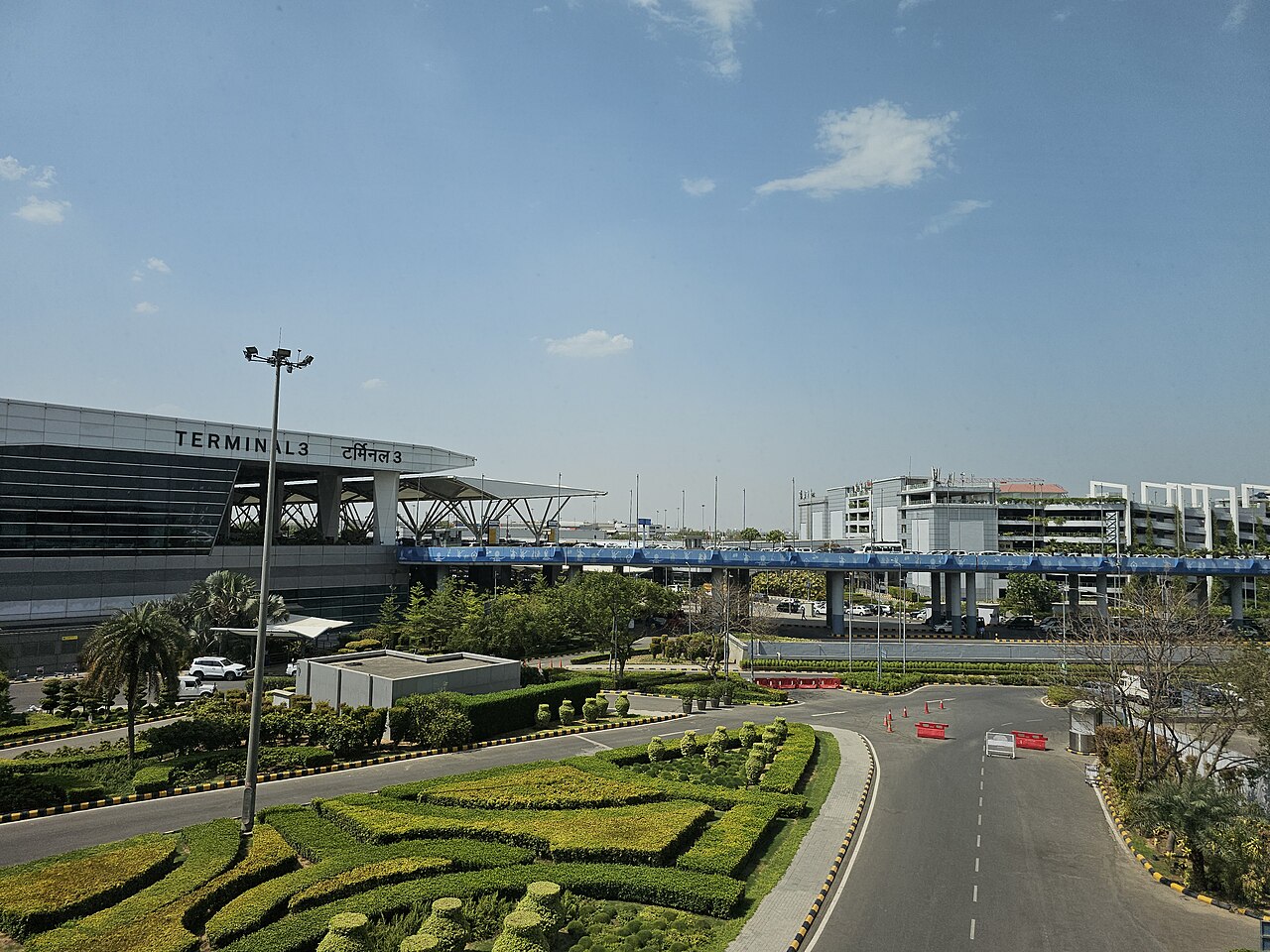
Image:Ganesh Mohan T | Wikimedia Commons
Aftermath of Ic-814 Hijacking
Indian Airlines suspended flights to and from Kathmandu after the hijacking, resuming only after months of negotiation. India had wanted its own security forces stationed at Tribhuvan; Nepal refused, but agreed to let Indian personnel screen baggage at a separate facility — a compromise that has held. Tribhuvan also installed new X-ray screening equipment. No hijacking has originated from Nepal since.
The hijacked aircraft, Airbus A300B2-101 VT-EDW, was retired in 2001 at 20 years old.