9/11, the horrific incident that issued a nationwide groundstop (perhaps the first and the only one in history) led to many changes in aviation security. After this attack, it became the norm for passengers getting onboard to take off their jackets, belts, shoes, belts, winter coats etc. (before walking through the metal detector) as a part of the security checks.
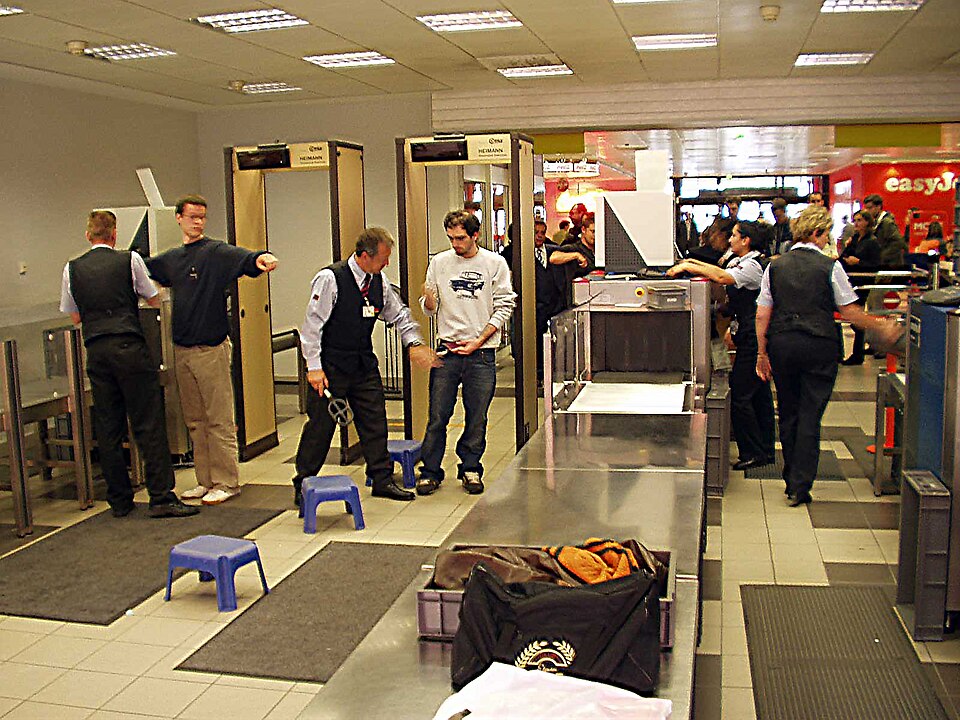
Passengers who doffed their clothing during inspections could then get redressed on the other side of the metal detector. This process of redressing is known as “recombobulation”.
What is a redress number? The Basics
Sometimes individuals/travelers are falsely identified as posing threats to transportation security or public safety while taking to the skies. Such prospective passengers might encounter the following problems in the screenings at airports or US borders:
- Denied or delayed boarding on an airline a passenger wishes to travel
- Denied or delayed border crossing via a seaport, an aerodrome, or other means of border crossing.
- Repeated additional screening
Any person who has been mistakenly identified as a threat by the Transportation Security Administration Secure Flight screening program can be assigned a redress number- a numeric identifier given to passengers who became false-positively identified as threats to public safety when flying. In simpler words, the redress number helps streamline TSA checkpoints for these travelers.
Not everyone has/needs a redress number
A Redress Number helps in resolving travel-related problems that might arise primarily due to:
- A mistaken identity
- Other security concerns such as being misidentified on the No-Fly List
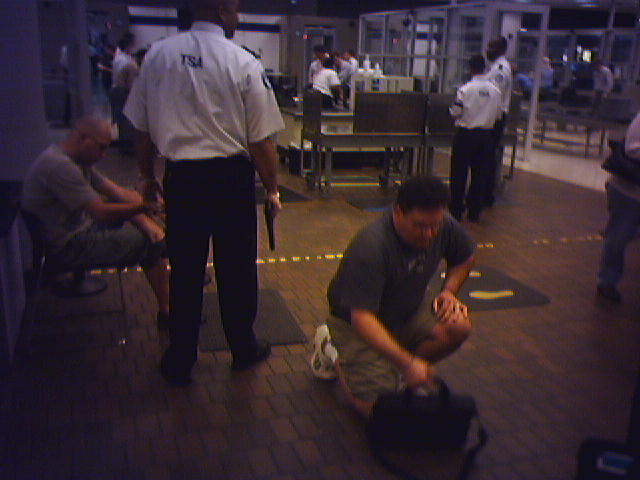
If you feel that you have been mistakenly matched to a name on the U.S. watch list or have been misidentified in some other way, you can apply for a Redress Number at the Department of Homeland Security’s Traveler Redress Inquiry Program, or TRIP. Getting redress (control) number helps to prevent future false matches of people who have been misidentified as matching a watchlist in the past.
According to the Department of Homeland Security, DHS TRIP can assist in resolving travel-related issues of the following kind:
- You were unable to print a boarding pass from an airline ticketing kiosk or from the Internet;
- You were delayed or denied boarding an aircraft;
- The airline ticket agent informed you that the Federal Government was not authorizing you to travel;
- You are repeatedly referred for secondary screening when clearing U.S. Customs or were denied entry into the United States;
- You were told by CBP at a U.S. port of entry that your fingerprints need to be corrected;
- You wish to amend a traveler record because of an overstay as a result of not submitting the required I-94 when exiting the United States;
- You believe you were incorrectly denied ESTA authorization; or
- You believe your personal information was inappropriately exposed or shared by a government agent.
In effect, if you are regularly being pulled over for additional screening, you can file a complaint with the redress program, which will help you secure a redress case number. This helps in the reduction of hassles.
How the Redress Number can be used
More than 300,000 inquiries of the TRIP program have been processed to date. When a DHS TRIP Traveler submits an enquiry form, a Redress (Control) Number – a seven-digit identifier – is issued. The identifier also helps to track the status of an enquiry. The redress number can also be used to make an airline reservation after the enquiry is complete.
Applying for a redress number?
One can apply for the redress number using an online application of the DHS TRIP program. The application directs you to a quiz, which helps assess whether you are concerned with either of the following issues:
- Discrimination at the airport
- lost/damaged items or personal injury
- assistance during screening for travelers with disabilities, medical conditions, and other circumstances
… or whether you have a redress issue. Once it is positively determined that your problems falls under the aegis of the DHS TRIP program, you can outline the issues you experienced during our tri. However, you might need to share:
- ID documents such as your passport or driver’s license.
- Date, Time, and Location of the travel incident.
People who don’t hold a U.S. citizenship might need to present either of following U.S. government-issued identification documents, alongside the biographical page of an unexpired passport:
- Alien registration
- Birth certificate (for travelers who haven’t reached 18)
- Border crossing card
- Certificate of citizenship
- Driver’s license
- Government identification card
- Immigrant/non-immigrant visa
- I-94 admission form
- Military identification card
- Naturalization certificate
- Passport
- Passport card
- Petition or claim receipt
After sending the application for a redress number
How much time it takes to review the application for a redress number will depend upon the concerns raised in the redress application. If you track your application, either of the following can pop up:
| Status | Implication |
| In Progress | Your application is under review |
| In Draft | Missing of information pertinent to review |
| Info Needed | Ditto |
| Closed | A verdict on whether you will have a redress number is reached. |
Once the Department of Homeland Security has decided to issue a Redress Number/ Redress Control Number to you, it will recommend you add the seven-digit identifier to your airline reservations as it will help “prevent misidentifications from occurring during security checks against government records and other information“.
Applicants (to the redress number) will receive a resolution letter detailing the outcome of their application after the processing. In case the applications believe that the issue was resolved incorrectly, they can follow the instructions in their resolution letter.
Despite all the promises, NerdWallet reminded that a redress number “doesn’t guarantee that you’ll never be selected for additional screening, but it makes additional screening less likely if you’ve been previously falsely matched to a watchlist.”
How to book your travel with a redress number
Any air travel passenger (looking for an online reservation) who doesn’t have a redress number, you can leave the space for filling the redress number blank. After all, it is an optional field and is not relevant for most travelers. A person without a redress number can make reservations and travel as normal.
Any traveler with a redress number can provide their redress number when making a reservation or updating the airline profile.
What the Redress Number is not
We’ve already made the case of how “redress” while defining “redress number” shouldn’t be confused with a hyphenated word that spells the same. A Redress number is also sometimes confused with the Known Traveler Number (KTN), which is a nine or ten digit long number issued to all individuals approved to receive TSA PreCheck® expedited screening. According to the TSA, the KTN “must be added in the KTN field when booking airline travel reservations to have the TSA PreCheck® indicator appear on your boarding pass. “



.jpg)

