Air travel is becoming one of the more accessible ways of transportation as many airports around the world are upping their efforts to accommodate travelers with disabilities and special needs. This was especially true of Melbourne Airport, which has an “Airport Assist program” dedicated to “people with both visible and non-visible disabilities, as well as those who don’t identify with having disabilities but may require additional assistance.”
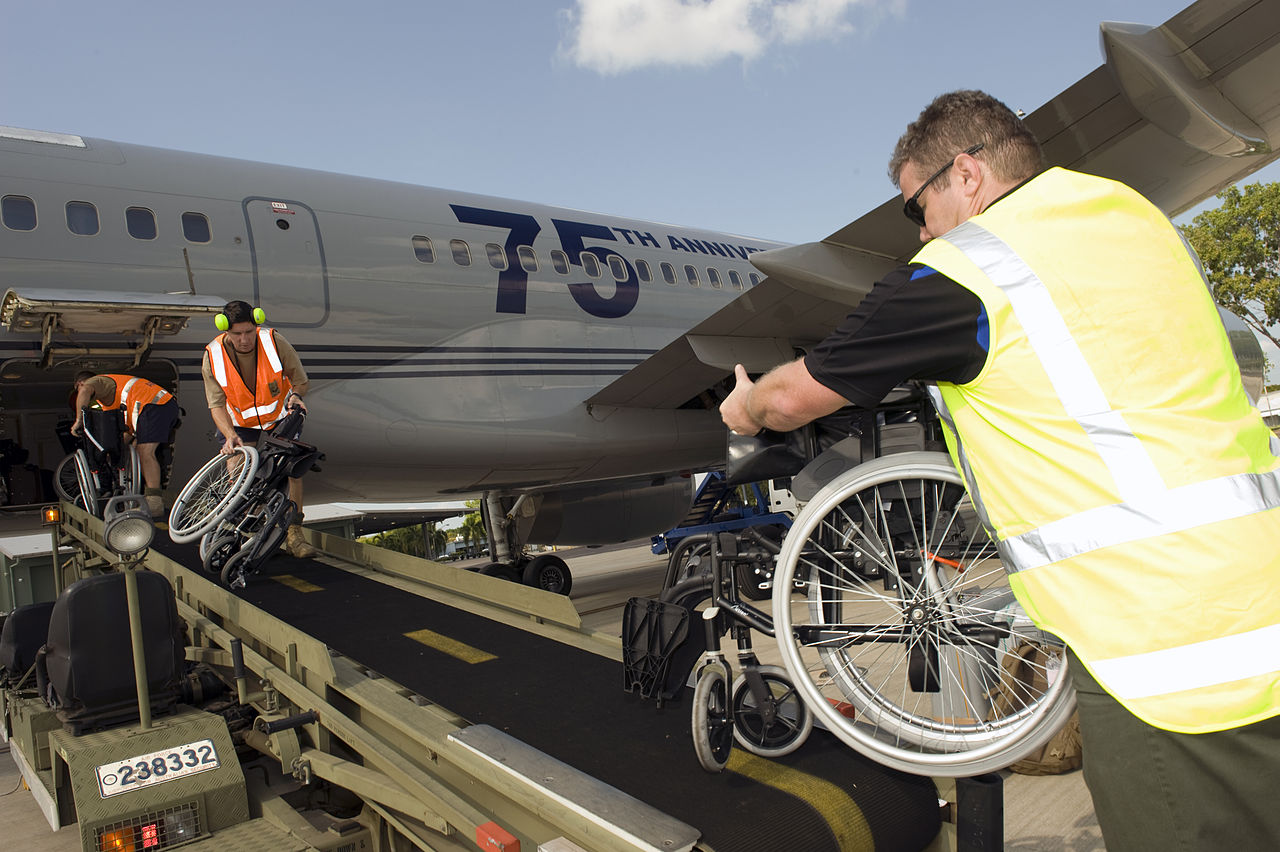
Image: Wikimedia Commons
Airports in the US have also accelerated their efforts to create an inclusive travel environment for air travel. According to the FAA, the airline providing assistance to a passenger who is not independently mobile because of a disability “must not leave the passenger unattended for more than 30 minutes“. There are plenty of other measures that the US government has taken into stride, too. Among the many ways in which U.S airports are adapting to cater to travelers with accessibility requirements, here are the top five.
5. Wheelchair service and guided assistance
Inside the airport, at the terminals, and in security checks too
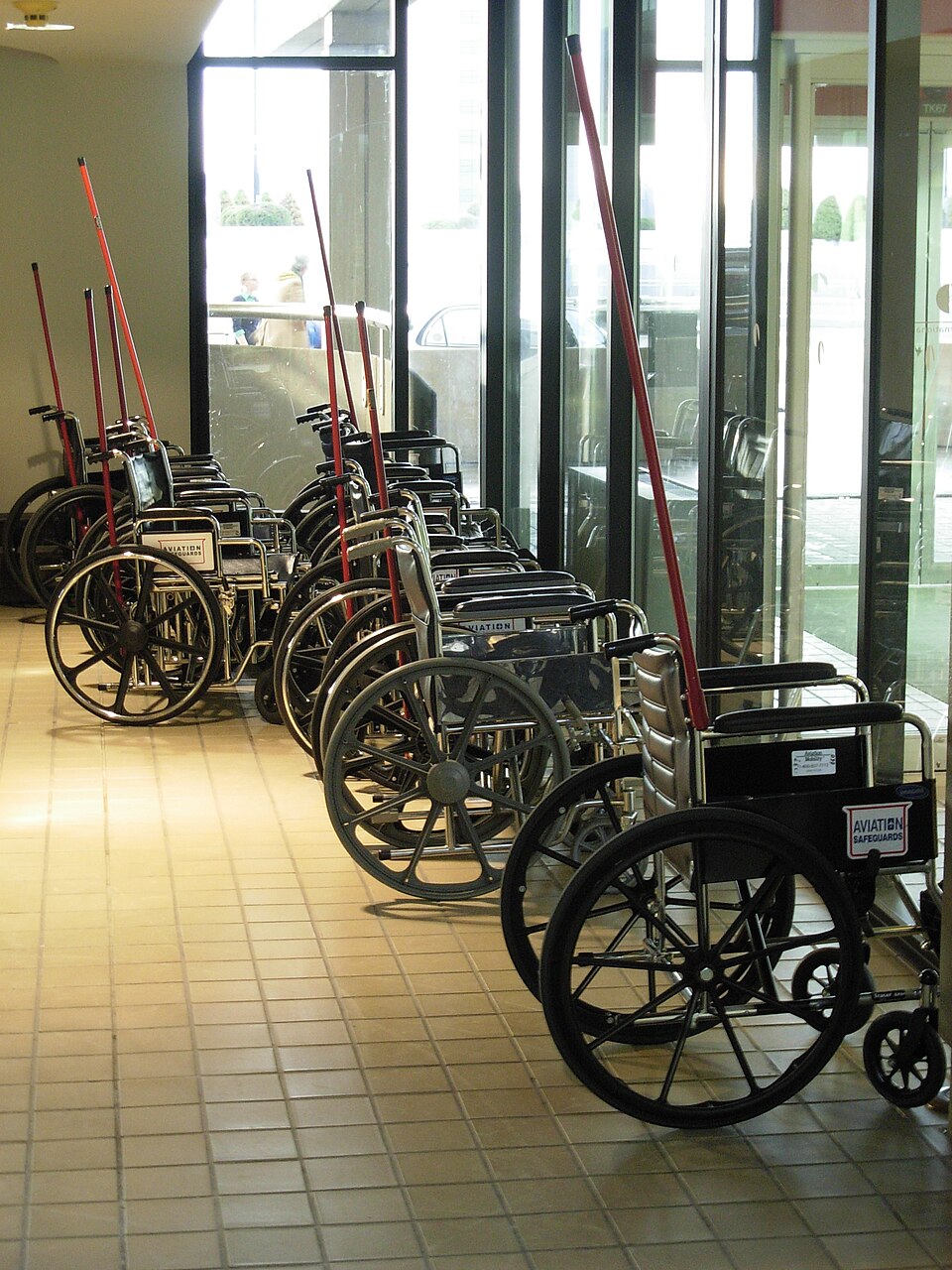
When any passenger with a disability requests assistance from an airline to be accommodated at the airport in the US, the airline is required to provide the requested assistance. Differently abled people, like those who are blind, are escorted to the required terminal(s). American Airlines(AA), for example, also provides hearing assistance, cognitive, and developmental assistance, among other support.
Here are some of the many ways in which airlines provide their customer assistance from:
- The terminal entrance* to the location from where the flight is taking off
- The aircraft seat to the connecting flight
- The aircraft seat to the area for claiming baggage, the terminal entrance, or the vehicle pick-up location.
- The gate location of your connecting flight to your seat on the aircraft
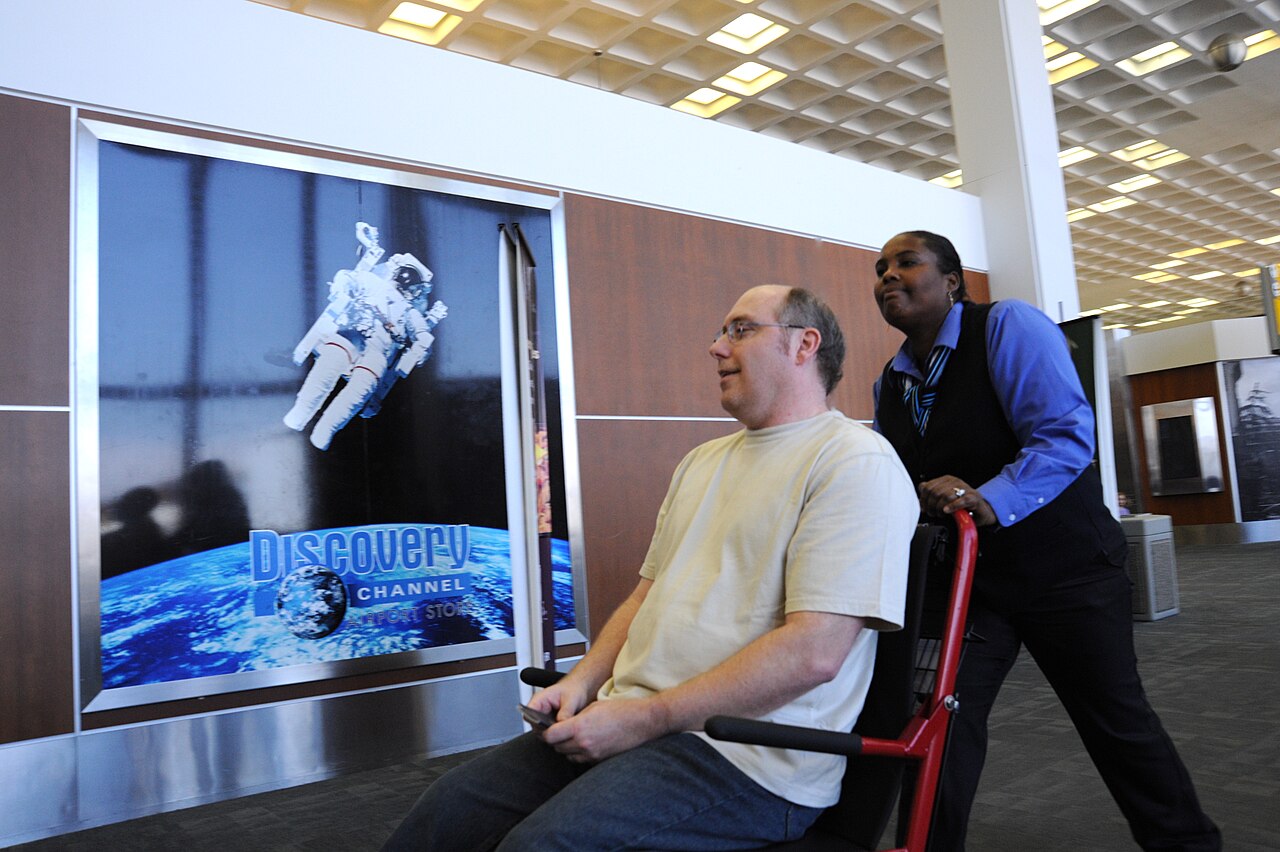
Image:emilio labrador | Wikimedia Commons
*The assistance at the terminal entrance includes the help needed at security checkpoint, too. The assistance includes passengers to the US onboard foreign airlines as well, says the FAA.
For people requiring wheelchair assistance to deboard the plane, airlines generally provide the necessary ones after all other passengers have exited the aircraft. On the opposite end of the spectrum, “if you self-identify as a passenger with a disability who needs additional time or assistance to board the airplane, the airline must allow you to board the airplane before other passengers“.
4. Sensory-Friendly Spaces
An elevating passenger experience
Many airports in the US have sensory-friendly spaces for people who are overwhelmed by a bustling and unfamiliar place. Such spaces might either stimulate or calm (depending upon the travelers’ requirements). Quiet/meditation spaces or chapels are designed to help neuro-divergent travelers (such as ones with autism and special needs). These calming areas are beneficial for people who are sensory-sensitive, anxious, or overwhelmed by the airport environment. According to Open Doors Organization, there were (in 2023) a total 32 airports with one of the following rooms:
- Sensory
- Quiet, Meditation, or Chapel
- Yoga
Here’s a table showing some airports in the US with these rooms:
| Sensory | Yoga | Quiet |
| Lehigh Valley International Airport (ABE) | Albuquerque International Airport (ABQ) | San Diego International Airport (SAN) |
| Hartsfield-Jackson International Airport (ATL) | Sioux Falls Regional Airport (FSD) | San Francisco International Airport (SFO) |
| Birmingham International Airport (BHM) | Chicago Midway International Airport (MDW) | Milwaukee Mitchell International Airport (MKE) |
| Cincinnati/Kentucky International Airport (CVG) | Chicago O’Hare International Airport (ORD) | Myrtle Beach International Airport (MYR) |
| Newark International Airport (EWR) | Raleigh Durham International Airport (RDU) | Minneapolis-St. Paul International Airport (MSP) |
These rooms help passengers reduce their anxiety as airports are sensory-rich rich having bright lights, noise, and are very crowded. San Francisco International Airport has opened a sensory room featuring three zones:
- A quiet area
- An active play space with interactive visuals
- A full-scale aircraft cabin mockup
Salt Lake City International Airport has opened its first sensory airport with dim lights, beanbags, and activity panels. Newark Liberty International Airport offers a pre-security sensory room, which features flowing water visuals, bubble tubes, and a calming design.
3. Gender neutral restrooms and Family Facilities
An inclusive travel experience
Many airports in the United States are modernizing (and widely redesigning) their restrooms to go beyond the minimum ADA (Americans with Disabilities Act) compliance and offer inclusive facilities. Airport lavatories catering to the needs of travelers with accessibility requirements have wider stalls that have attached grab bars and lower fixtures. There are touchless faucets and motion-sensor doors. Some airports are adopting universal design, ensuring restrooms and family spaces work for everyone regardless of age or mobility level. Some of the regulations put forward by the FAA include:
- At least one wheelchair accessible toilet compartment.
- At least one ambulatory accessible toilet compartment in restrooms with at least 6 toilet compartments or where the combined total of toilets and urinals is at least 6 fixtures.
- Recommendation: Towel dispensers should be usable at the accessible lavatory so that people do not need to operate mobility devices with wet hands.
There are adult changing stations for travelers with adult care needs, along with high-adjustable adult-size changing tables, privacy screens, and sanitary disposal. There are family/companion care restrooms, which are specifically designed for family units or people needing caregiver assistance. They are gender neutral and have baby changing tables and a stroller-friendly space.
Portland International Airport (PDX), for example, has four all-user restrooms throughout PDX. It is set to have more when a new terminal opens. Such restrooms can be “used by anyone, regardless of their gender identity, and can also be helpful for caregivers, whether they’re assisting kids or older adults“.
2. Inclusive Transportation and Parking Options
Making the journey independent and safe
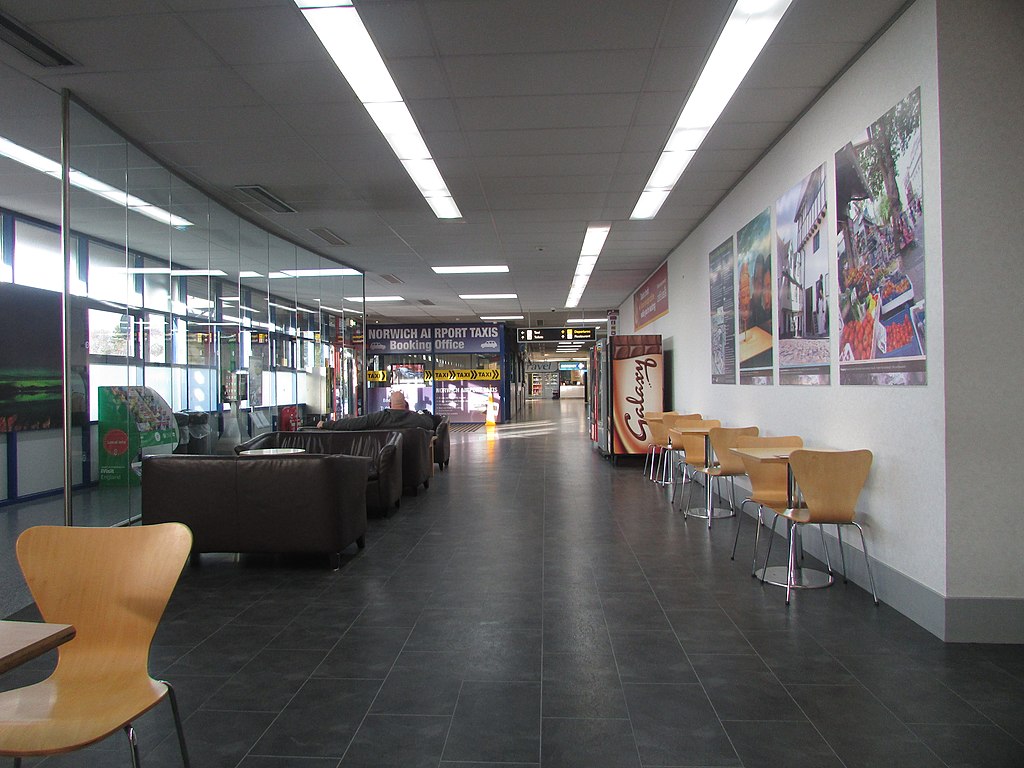
Image:Wikimedia Commons
Airports in the United States are also improving how travelers arrive, park, and move between the terminals. Airports have designated ADA parking spaces, which are located closest to terminal entrances or elevators. They have wider spots with adjacent loading zones for ramps or lifts. There are real-time parking availability apps that help drivers find accessible spaces easily.
Chicago O’Hare International Airport (ORD), which is among the busiest airports in the United States, has developed several accessibility measures to make travel easier for passengers with disabilities. Its services cover transportation to and from the airport as well as mobility within the airport complex.
All shuttle buses operating between the Airport Transit System (ATS) and remote parking lots can kneel to curb level and are equipped with wheelchair securement systems. Each shuttle can accommodate up to two passengers traveling in wheelchairs.
O’Hare also provides ADA paratransit services for eligible passengers with disabilities who are unable to use regular fixed-route transportation for some or all of their journeys. In addition, the CTA Blue Line connects the airport with downtown Chicago, with the O’Hare station equipped with an elevator to provide accessible access to and from the platform.
These facilities form part of O’Hare’s broader effort to improve accessibility for passengers with different mobility needs.
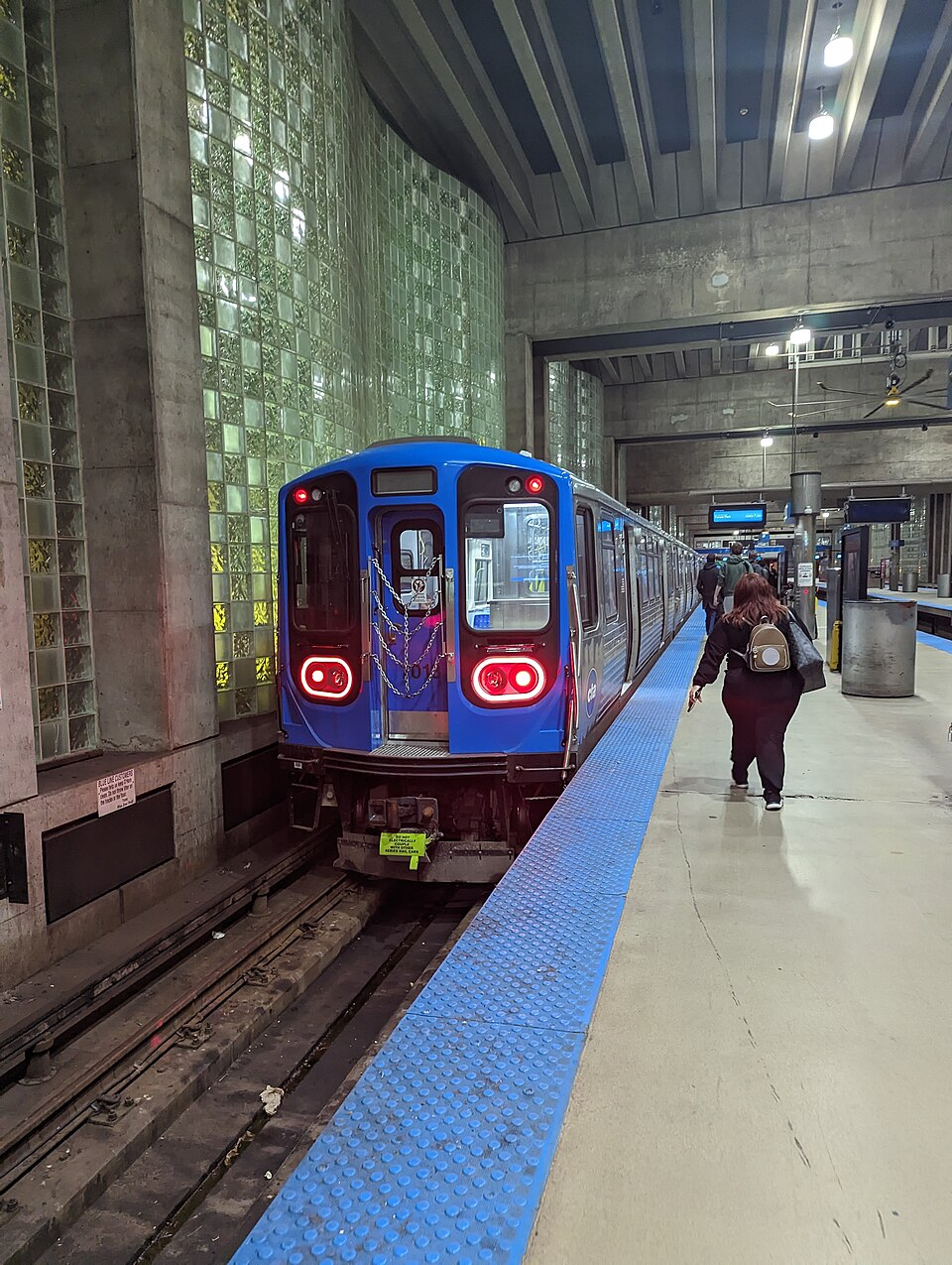
IMage: Wikimedia Commons
Some airports offer accessible drop-off zones near entrances, sometimes with the assistance of staff. In addition, airports are partnering with companies like Uber and Lyft to offer wheelchair accessible vehicles. Accessible transportation and parking options ensure that travelers with all sorts of disabilities can begin and end their airport journey independently and safely.
1. Introduction of Service animals and their relief areas
Airports respecting ADA protocols
In 2013, San Francisco International Airport (SFO) launched “Wag Brigade,” – a program that brought trained dogs to the terminals “to make passenger travel more enjoyable“. These dongs were brought from the Animal Assisted Therapy (AAT) Program run by the San Francisco Society for the Prevention of Cruelty to Animals (SPCA). Los Angeles International Airport has a pet program called PUPs, or Pets Unstressing Passengers., Although the program started in 2013 with just 20 dogs, LA Times reported in 2018, that there were 93 dogs to “spread the love at LAX’s gate areas at each terminal’s departures levels“.
For people looking to get onboard with Emotional Support Animals, the Department of Transportation (USDOT) has made it compulsory that there were service animal relief areas (SARAs) at airports. As of August 2016, US rules mandated airports that handled 10,000+ passengers a year to establish at least one service animal relief area (SARA) inside each terminal. Pet relief areas might include:
- Patches of fake grass in hidden nooks of terminals,
- Pet parks with real grass, faux fire hydrants and space to run and play.
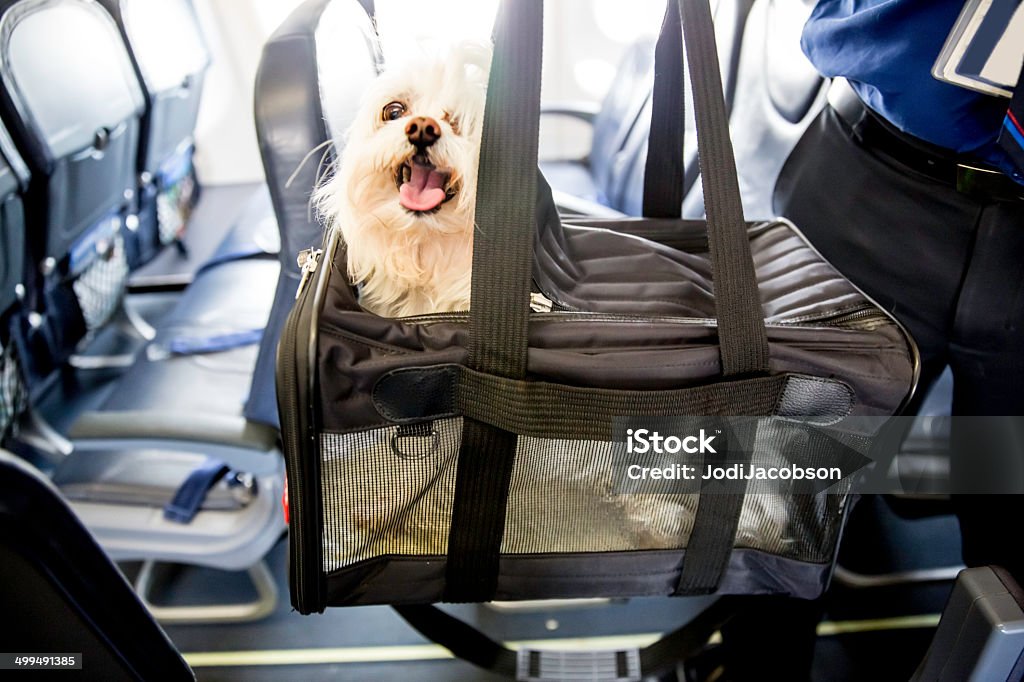
Such relief areas might have pop-up sprinkler systems to wash away liquid waste into a drain.
Airports provide marked signage, information counters, and TSA guidance for travelers with service animals. Staff are trained to consider ADA rights and offer assistance without unnecessary interference. Airports like Minneapolis-St. Paul (MSP) supports animal welcome kits with water bowls, treats, and pads.
Since a 2021 DOT rule change, airlines are no longer required to accommodate Emotional Support Animals, which are now generally treated as ordinary pets. Trained service dogs, including psychiatric service dogs, remain protected, with airlines allowed to cap the number at two per passenger. The USDOT prohibits airlines from “requiring passengers with a disability who are traveling with a service animal to physically check-in at the airport instead of using the online check-in process“.