The US Department of Homeland Security published a final rule on July 16, 2026, ending open-ended “duration of status” admissions for foreign students, exchange visitors, and journalists. The rule replaces that system with fixed time limits: up to four years for F-1 students and J-1 exchange visitors, and up to 240 days for I-visa journalists, or just 90 days for journalists holding a Chinese passport, Huff Post reported. DHS says the change closes a gap that let some visa holders remain in the country for years without routine check-ins.
The rule takes effect September 15, 2026, subject to congressional review. It affects hundreds of thousands of current visa holders, along with an estimated 37,300 foreign media representatives who received I-visas in fiscal year 2024, according to DHS data. Press freedom groups, a US senator, and China’s foreign ministry have all criticized the rule since its publication, while DHS says it addresses long-standing national security gaps.

DHS Ends Decades-Old Duration of Status System For F, J, And I Visa Holders
Under the old system, F-1 students, J-1 exchange visitors, and I-visa journalists were admitted for as long as they stayed enrolled, employed, or on assignment, with no fixed date printed on their paperwork. DHS has used that open-ended framework since 1991 for students and 1993 for exchange visitors. The agency argues that structure made it difficult for immigration officers to track compliance over time.
DHS says it has found cases of visa holders remaining in the country for decades under the old rules. Data cited in coverage of the rule shows about 2,100 people who entered on F-1 visas between 2000 and 2010 still hold that status today. Visa holders who need more time under the new system must file for an extension with US Citizenship and Immigration Services before their fixed period runs out.
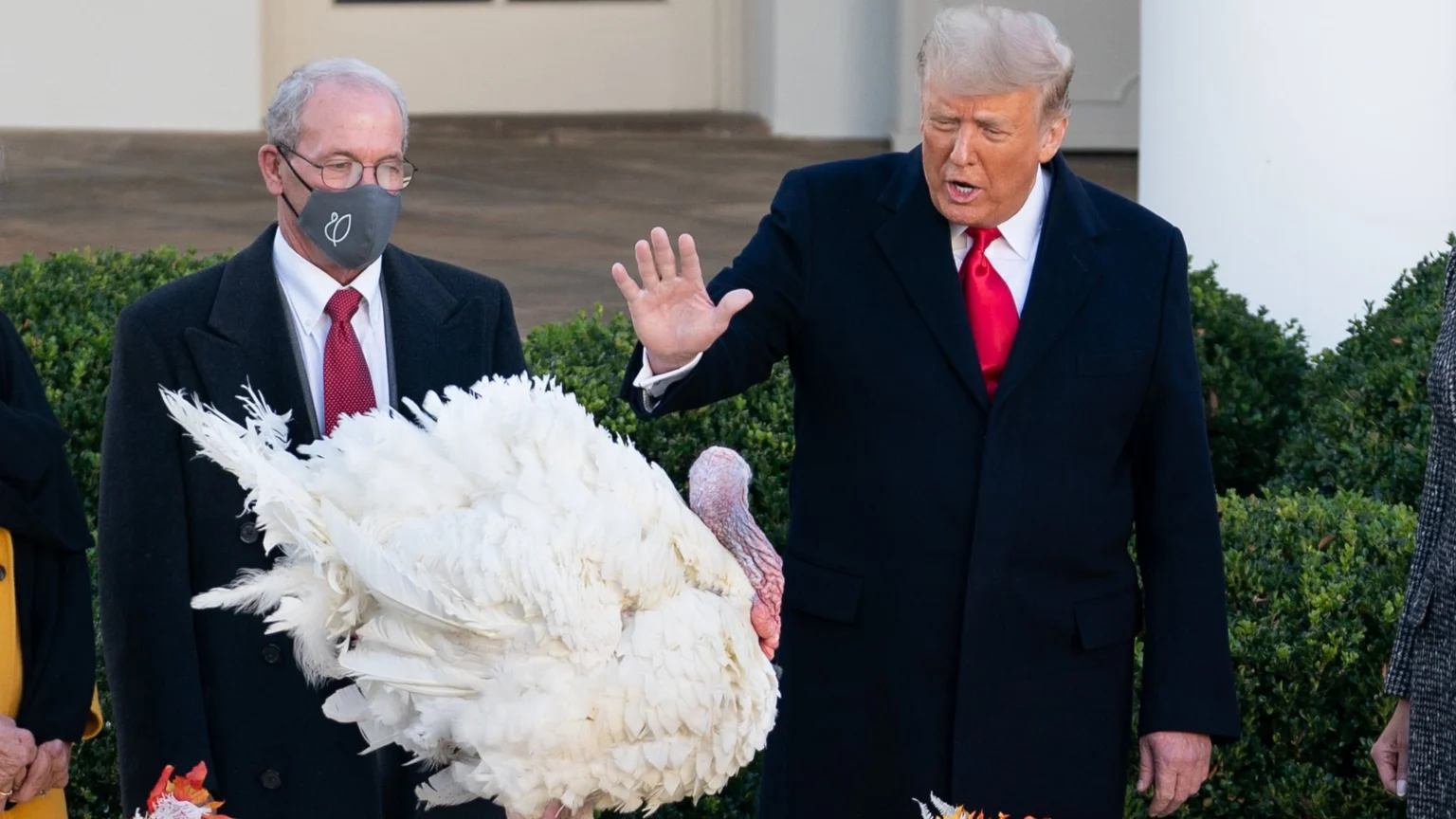
How The New Fixed Visa Periods Work for Students and Exchange Visitors
The rule sets specific caps for each visa category, tied to the applicant’s program paperwork rather than an open-ended enrollment period. Key changes include:
- F-1 student visas are capped at the length of study listed on Form I-20, up to four years total.
- J-1 exchange visitor visas follow the same structure, tied to Form DS-2019, also capped at four years.
- Graduate students generally cannot change their stated “educational objectives” partway through a program.
- Students generally cannot transfer to another school without approval from the Student and Exchange Visitor Program.
- The post-completion grace period to leave the US is cut from 60 days to 30 days for students whose programs end.
Anyone who needs more time beyond these caps must apply to DHS for an extension or leave the country and seek readmission. Programs that typically run longer than four years, including many doctoral degrees, will need at least one extension filing to finish.
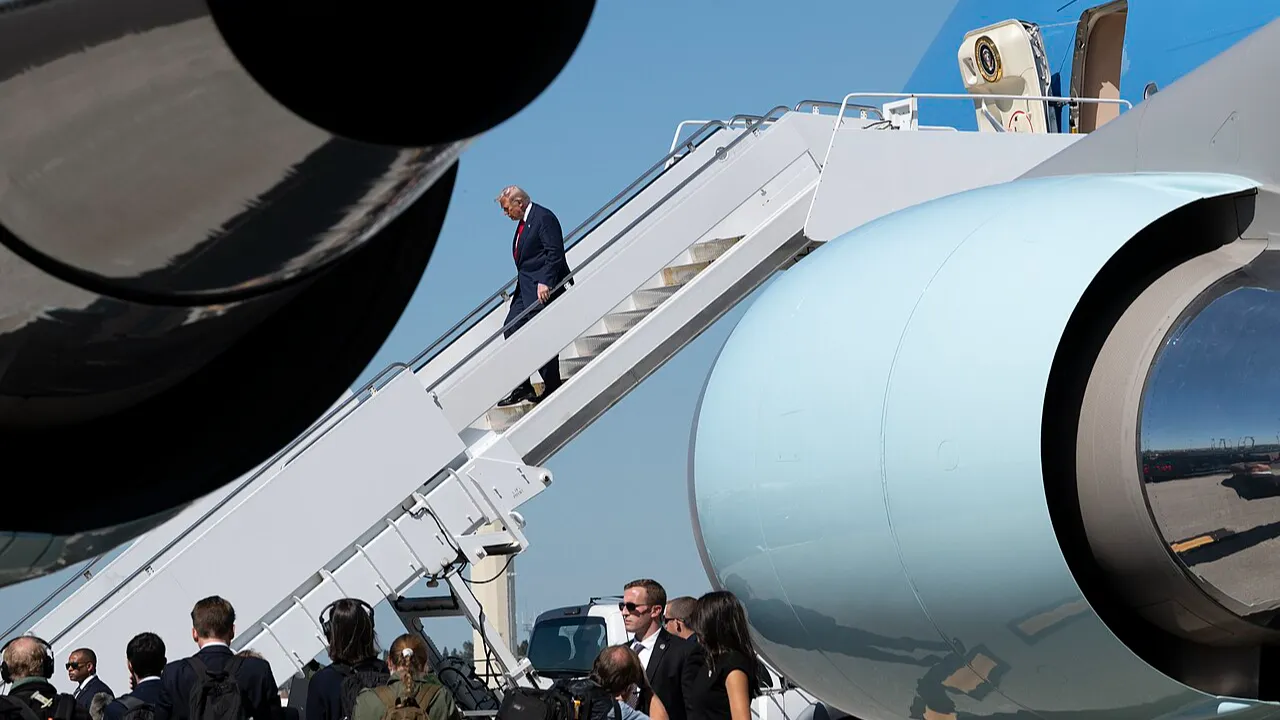
Foreign Journalists Face a Steeper Cut, With Chinese Reporters Limited To 90 Days
I-visa journalists see the sharpest change under the new rule. Visas that previously lasted for years, tied to a reporter’s ongoing assignment, are now capped at 240 days for most nationalities. Journalists holding a passport from the People’s Republic of China, excluding Hong Kong and Macau, face a tighter 90-day limit.
Journalists who need to stay longer must file Form I-539 for an extension, generally in increments of up to 240 days, or 90 days for the affected Chinese nationals. Immigration attorneys say that form currently takes six to fourteen months to process for most nonimmigrant categories. That processing time means a journalist admitted for 240 days would likely need to file for renewal almost immediately after arriving.

Press Freedom Groups and Lawmakers Push Back
The Committee to Protect Journalists condemned the rule immediately after publication. The watchdog group called the policy “the behavior of a backsliding democracy, not the international vanguard of free speech.” Reporters Without Borders advocacy manager Ben Grazda said the change “destroys international journalists’ ability to report from the U.S.”
US Senator Ron Wyden had urged DHS to abandon the proposal before it was finalized, warning it “would stifle meaningful reporting, chill press freedoms, diminish our global influence.” Nearly 22,000 public comments were filed on the proposed rule by its September 2025 comment deadline, according to the Society of Professional Journalists’ international community newsletter. Advocacy groups argue that repeated renewal filings give the government more chances to deny a journalist’s continued presence in the country.
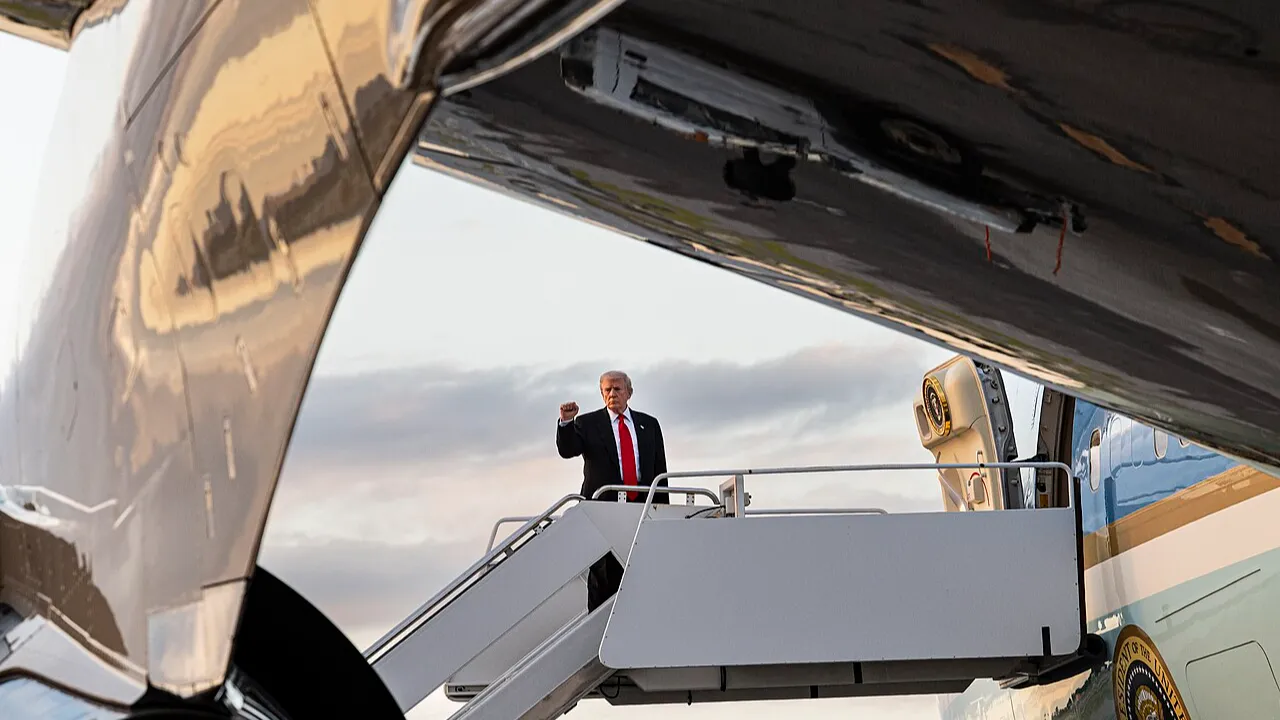
China Calls the Journalist Visa Change Discriminatory
China’s government responded within a day of the rule’s publication. Foreign ministry spokesperson Lin Jian told reporters in Beijing that the new policy “seriously violates the three-point consensus on media issues” reached between the two countries in 2021. He added that the rule affects the normal work of Chinese media operating in the US.
Lin said China reserves the right to take reciprocal countermeasures against American journalists working in China. The 90-day limit for Chinese nationals is the shortest fixed period the rule sets for any visa category. China’s embassy in Washington did not immediately respond to requests for comment when the rule was first proposed in August 2025.
DHS Defends the Rule as a National Security Fix
DHS Secretary Markwayne Mullin defended the rule as a correction to a system he said had outlived its usefulness. He said “the outdated ‘duration of status’ system has compromised national security” over its nearly five decades of use. DHS has framed the broader change as a way to reduce what it calls immigration fraud risk among long-staying visa holders.
Critics dispute that framing. Doug Rand, a former DHS official, said “most Americans understand the value of welcoming international students.” David Bier, immigration studies director at the Cato Institute, has said there is no legal basis for the new restrictions on students changing schools or majors.

How This Compares to Trump’s Failed 2020 Attempt at the Same Rule
This is not the first time the Trump administration has tried to eliminate duration of status. DHS proposed a nearly identical rule in September 2020, during Trump’s first term, which drew more than 32,000 public comments. That version was never finalized before the term ended, and the Biden administration formally withdrew it in 2021.
An earlier 2018 attempt to make the same change through agency memo, without formal rulemaking, was blocked by a federal court injunction. DHS then restarted the process through the Federal Register in 2020 but ran out of time. The current version, proposed again in June 2025, is the first to be finalized and published.
What Happens Next Before the September Deadline
The rule is classified as a major regulation, which means Congress can still review or reject it before the September 15, 2026, effective date. DHS has said it will issue a further notice if that timeline changes for any visa category. Visa holders already in the country under the old duration-of-status framework will not need an immediate fixed-date replacement but will still need to file for an extension once their program ends.


_(cropped).jpg)


