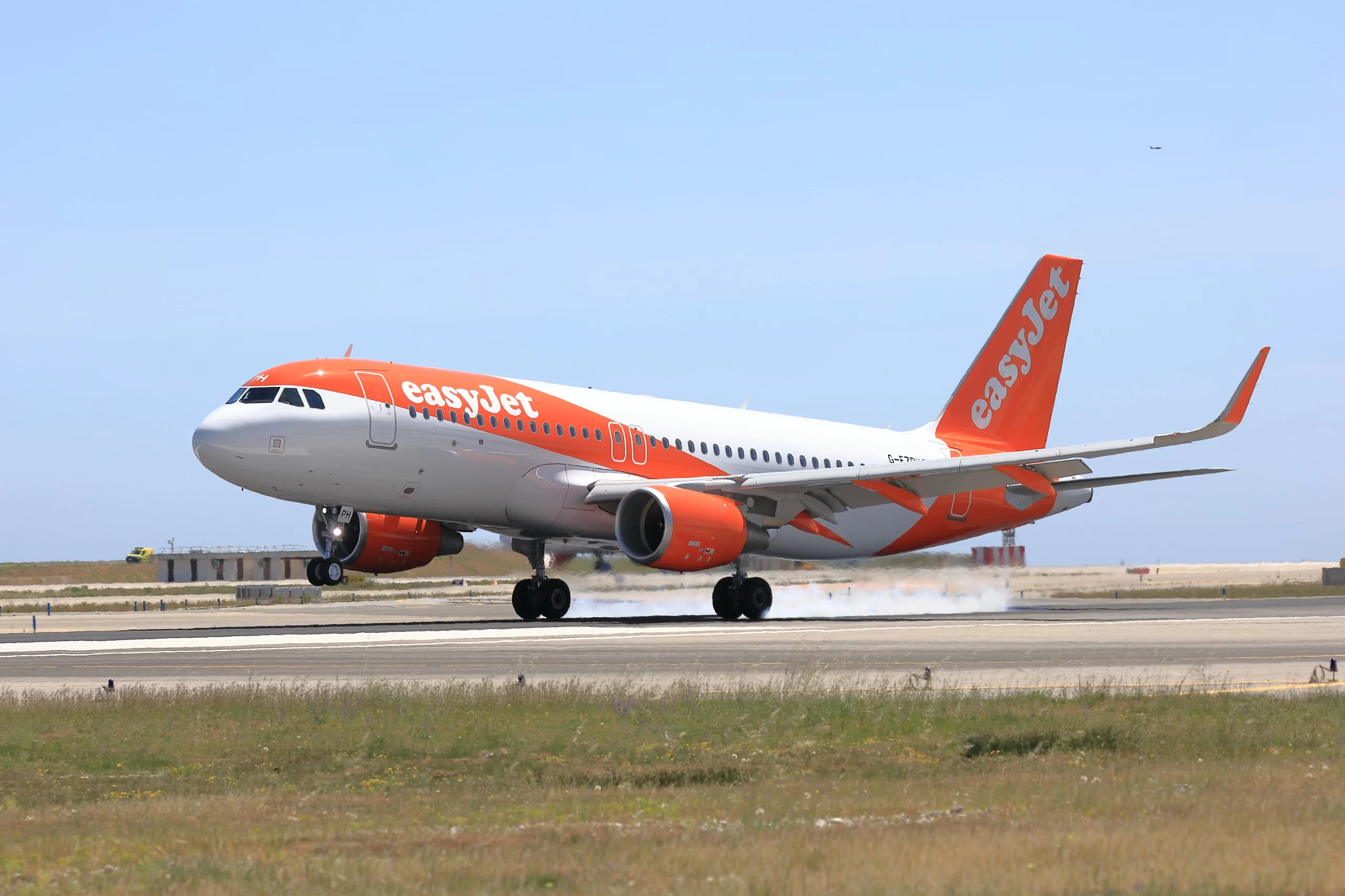
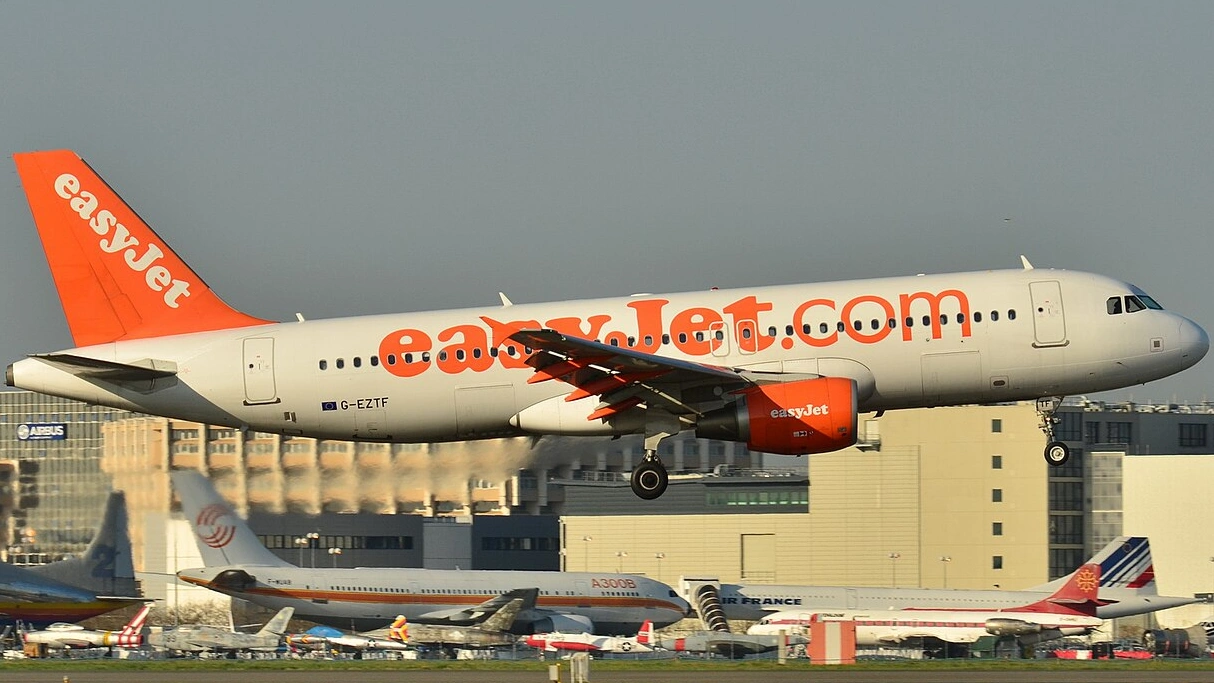
Six athletes from Italy’s national powerchair football team were denied boarding on an easyJet (U2) flight from Rome Fiumicino Airport (FCO) to Glasgow on July 20, 2026. The team, representing the Federazione Italiana Paralimpica Powerchair Sport (FIPPS), was traveling to an international tournament that served as preparation for the upcoming World Championships in Argentina.
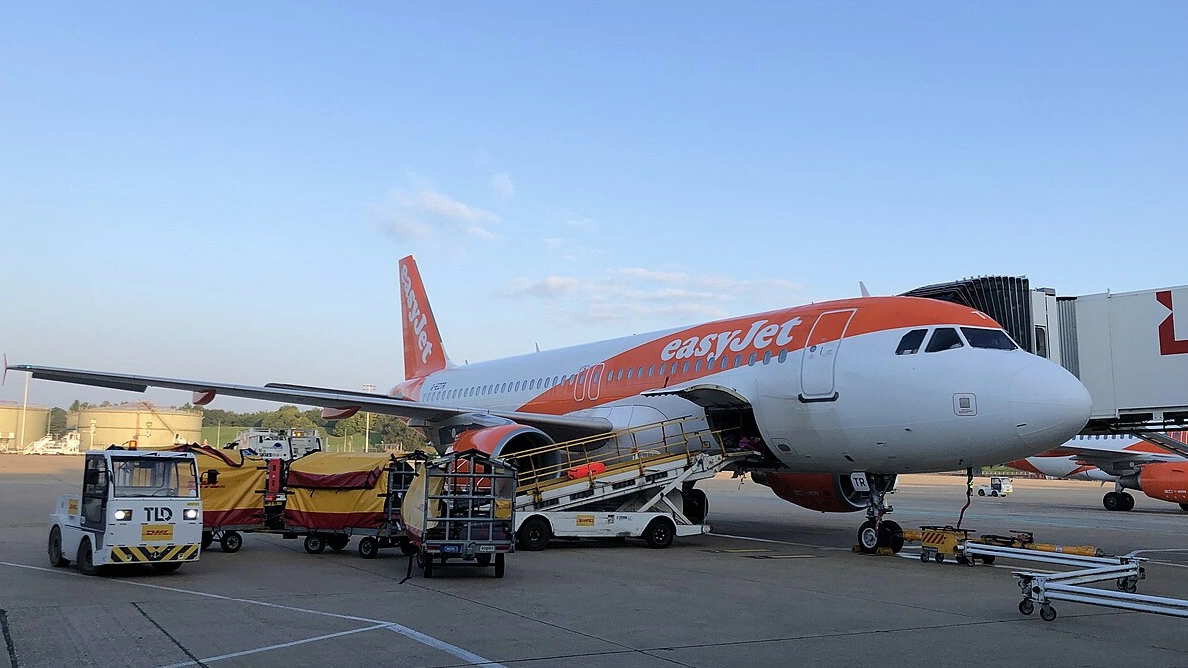
The flight was scheduled to depart at 11:55 AM. At 10:15 AM, roughly 90 minutes before departure, easyJet told the delegation it could carry a maximum of five sport wheelchairs on the Airbus A320 rather than the six the team needed, according to Italy’s Paralympic Committee (CIP). Faced with that decision, the entire delegation was forced to abandon the trip, The Herald Scotland reported.
Why The Denial Contradicted Prior Authorization
The cancellation blindsided the federation because the trip had been cleared for months beforehand. FIPPS had requested and received formal authorization from easyJet as early as April, covering six athletes with disabilities, their everyday wheelchairs, and six specialized sport wheelchairs used in competition. A further written confirmation was sent shortly before travel specifically to avoid logistical mix-ups.
Despite that paperwork trail, staff at the gate told the delegation the aircraft could not accommodate the full set of equipment. The airport operator, Aeroporti di Roma, said it had reviewed the case and confirmed that the accessibility assistance arranged for the six Paralympic athletes had been properly organized on its end, pointing responsibility toward the airline’s own capacity decision.
The Alternative easyJet Proposed
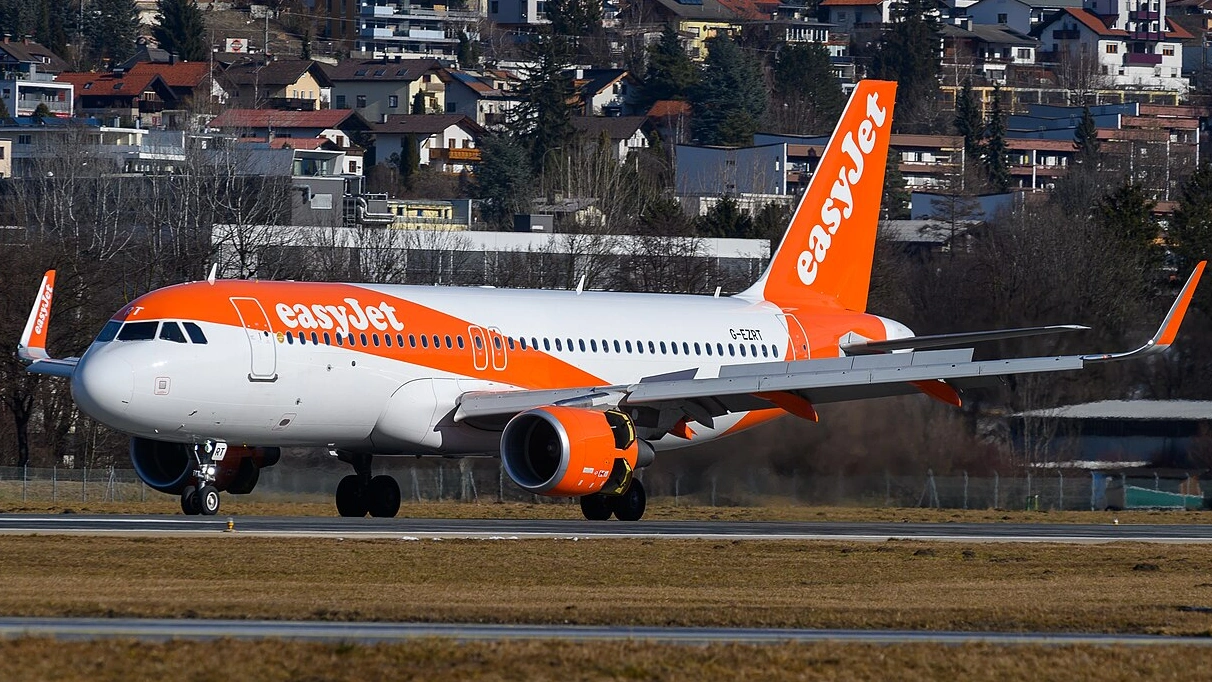
Rather than delaying the flight or adjusting capacity, easyJet reportedly offered a workaround that the Italian Paralympic Committee rejected as unworkable. The airline’s proposal involved:
- Splitting the six-person delegation, leaving one athlete behind in Rome.
- Sending the sport wheelchairs on a separate flight.
- Routing that separate flight to Edinburgh rather than Glasgow, the tournament’s actual location.
CIP president Marco Giunio De Sanctis dismissed the plan and said the episode amounted to “a shame that sets us back decades” on disability rights. He argued that a sport wheelchair is not a bulky extra item but, in his words, an extension of an athlete’s own body.

What Officials and Athletes Said
The reaction from Italian sport and government figures was swift. Sports Minister Andrea Abodi called the incident “of extreme gravity,” noting the airline had been informed of the equipment needs months in advance. Disabilities Minister Alessandra Locatelli separately described the episode as serious and unacceptable.
National team head coach Marco Ferrazza, who has a motor disability himself, told Il Fatto Quotidiano that the Glasgow tournament represented a key step in preparing for the World Championships. He said giving up the trip over issues unrelated to the sport itself left the squad with, in his words, enormous bitterness, while praising the players for handling the disruption with maturity.
The CIP has said the damage from the missed tournament, combining athlete preparation losses and financial costs, exceeds €20,000. The committee has called for Italy’s transport ministry and civil aviation authority to establish clearer, enforceable standards for accessible air travel.
Why Sport Wheelchairs Are Different from Standard Baggage
Powerchair football is a sport built specifically around motorized wheelchairs, which makes the equipment inseparable from the athletes who use it. Key details about the equipment at the center of this dispute include:
- Sport wheelchairs are fitted with metal footguards that let players dribble, pass, and shoot a 33 cm ball, distinguishing them from everyday mobility chairs.
- Athletes typically travel with two separate chairs each: one for daily mobility and one purpose-built for competition, which is why the Italian squad needed authorization for 12 total wheelchairs, not six.
- Unlike checked luggage, these chairs cannot simply be replaced or rented at the destination, since they are custom configured to each player’s disability and playing style.
That distinction is central to the Italian Paralympic Committee’s argument that easyJet’s decision was not a routine baggage limit but a barrier to the athletes’ basic mobility and participation.
Regulator And Airline Response
Italy’s national civil aviation authority, ENAC, opened a formal investigation into the incident and requested a detailed report from easyJet explaining what went wrong at the gate. The probe will examine whether the airline breached its obligations toward passengers with disabilities after having already confirmed capacity for their equipment weeks earlier.
easyJet issued an apology later the same day. A spokesperson said the airline was “deeply sorry for the experience” of the powerchair football delegation, adding that an internal investigation had been launched to reconstruct events and that the carrier remained in contact with the affected passengers to find a resolution. The airline said making air travel accessible to all passengers remains a priority.
This is not the first time easyJet has faced criticism over how it treats passengers with disabilities or mobility needs. British Paralympic sprinter Sophia Warner said she was told by easyJet staff to prove her disability before boarding a flight from Milan to London Gatwick, an incident she described as leaving her in tears. Advocacy groups have long flagged that mobility aids are frequently damaged, delayed, or mishandled by airlines industry-wide, a concern the World Institute on Disability has documented across carriers, not easyJet alone.
What Happens Next
The Italian powerchair football team missed its Glasgow tournament entirely, losing a scheduled preparation event ahead of the 2026 World Championships in Argentina. easyJet’s internal review and ENAC’s formal investigation are both ongoing, and neither body has published a timeline for conclusions or any compensation decision.
.jpg)

.jpg)

_G-EZTF_-_MSN_3922_(6960910130).jpg)
