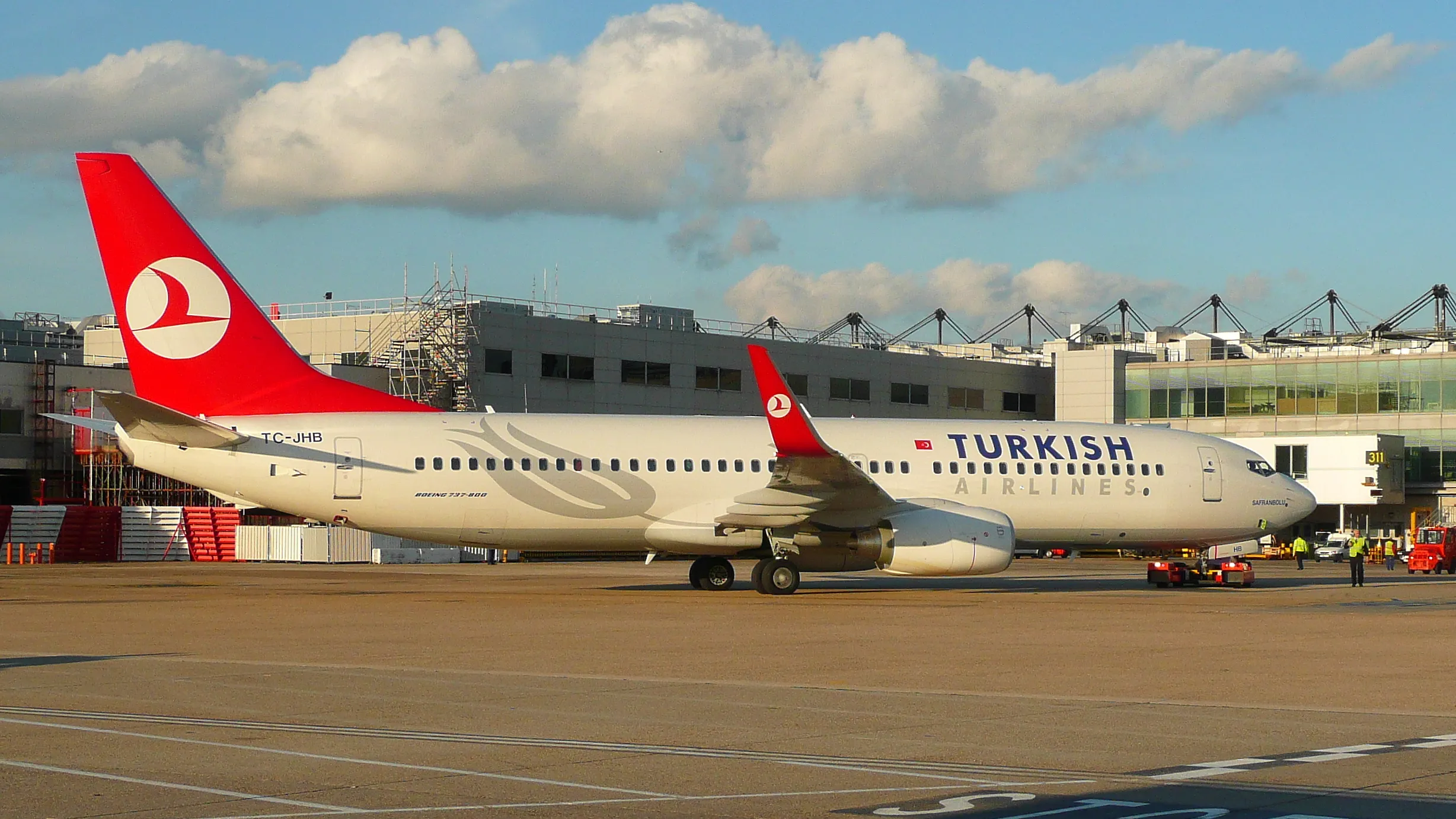
A prominent aviation journalist, Ali Kıdık, has claimed that Turkish Airlines (TK) has placed him on its internal “No‑Fly List” in a move he describes as an attempt to “silence criticism” of Türkiye’s flag carrier, reported Paddle Your Own Kanoo. The airline reportedly told Kıdık that he would be barred from the airline’s flights until 12 July 2026, pointing to alleged behaviour “not in line with [the carrier’s] brand image”.
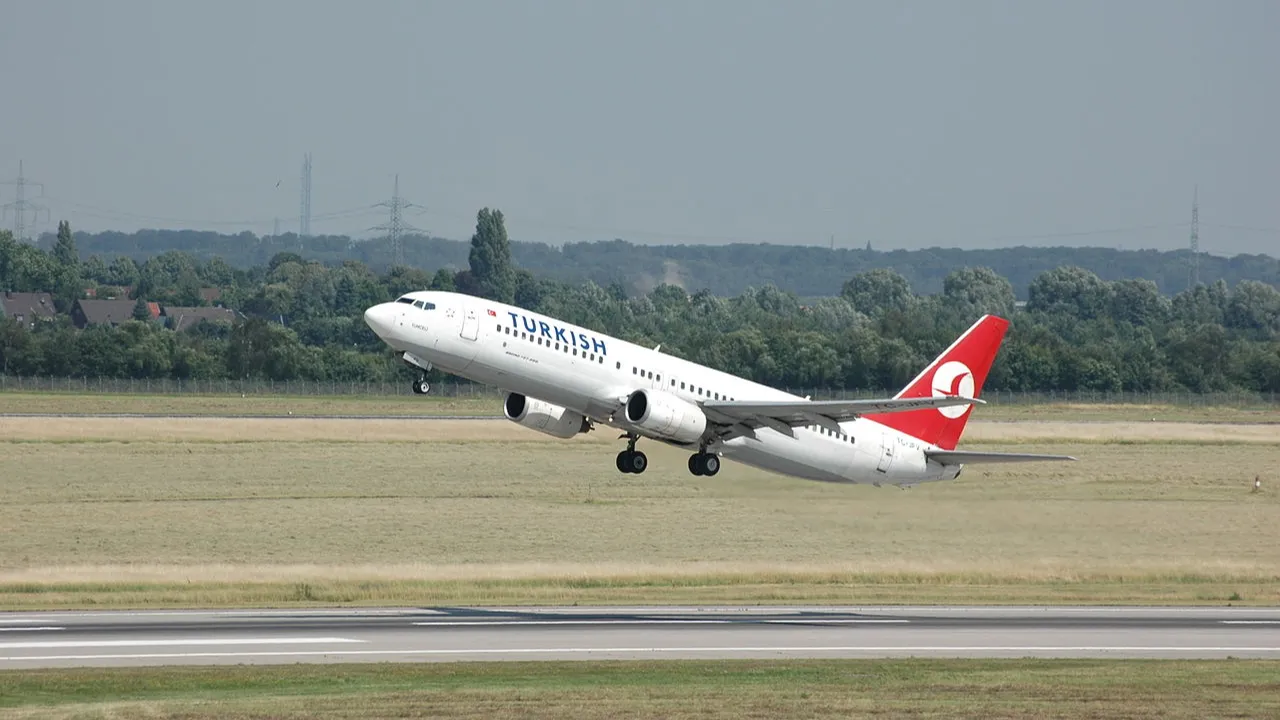
The reported ban was communicated via email and is said to relate to social media posts and reporting that Turkish Airlines found damaging to its reputation.
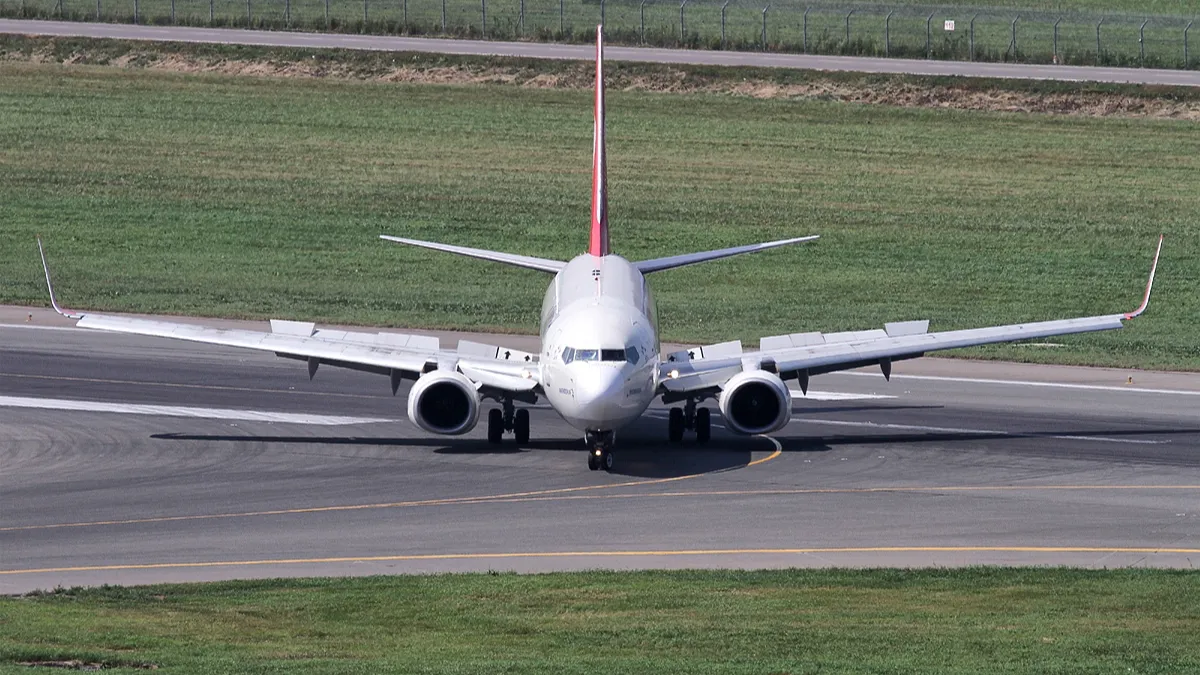
What Happened Ali Kıdık – the Journalist banned from Turkish Airlines?
Turkish Airlines, which has one of the largest airline fleets in 2026, is the national flag carrier of Türkiye, serving one of the world’s most extensive international route networks. It operates from Istanbul Airport (IST) as its primary hub and is a member of the Star Alliance network. Ali Kıdık — an established aviation reporter with a significant following in Türkiye — received an email stating that he had been added to the airline’s “Safe Flight Passenger Tracking System“, which Turkish Airlines uses to monitor passengers whose conduct it deems potentially damaging to the airline’s brand.
The email stated that he would be banned from travelling on Turkish Airlines flights until 12 July 2026.
Kıdık disputed this, asserting on social media that the decision amounted to censorship rather than normal passenger conduct enforcement.
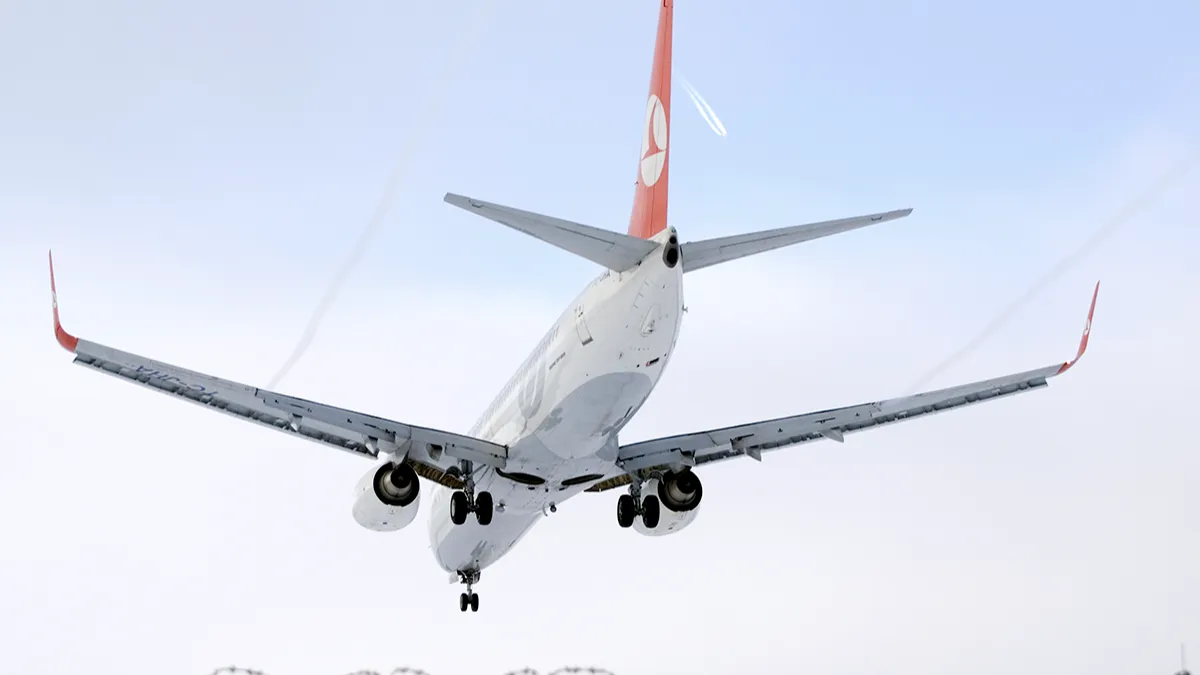
Context of Turkish Airlines’ Disputed Content
Kıdık had reported that certain uniform elements, including national flag pins or portraits, were reportedly restricted for cabin crew. He criticized this perceived policy change on social platforms, raising local and aviation community debate.
Turkish Airlines has not publicly detailed which exact reporting triggered the ban, though Kıdık shared on Social Media:
“Blacklisting a journalist for aviation reporting is censorship, not professionalism”
Kıdık, albeit in a different post, also wrote:
“This method that can be applied to me today, who will it be applied to tomorrow?”
On January 7, 2026, the journalist reported that Turkish Airlines flight attendants were no longer allowed to wear national flag pins on their uniforms. Further, he also claimed that the cabin crew were also were no longer allowed to feature a portrait of the Turkey’s founder, Mustafa Kemal Atatürk.
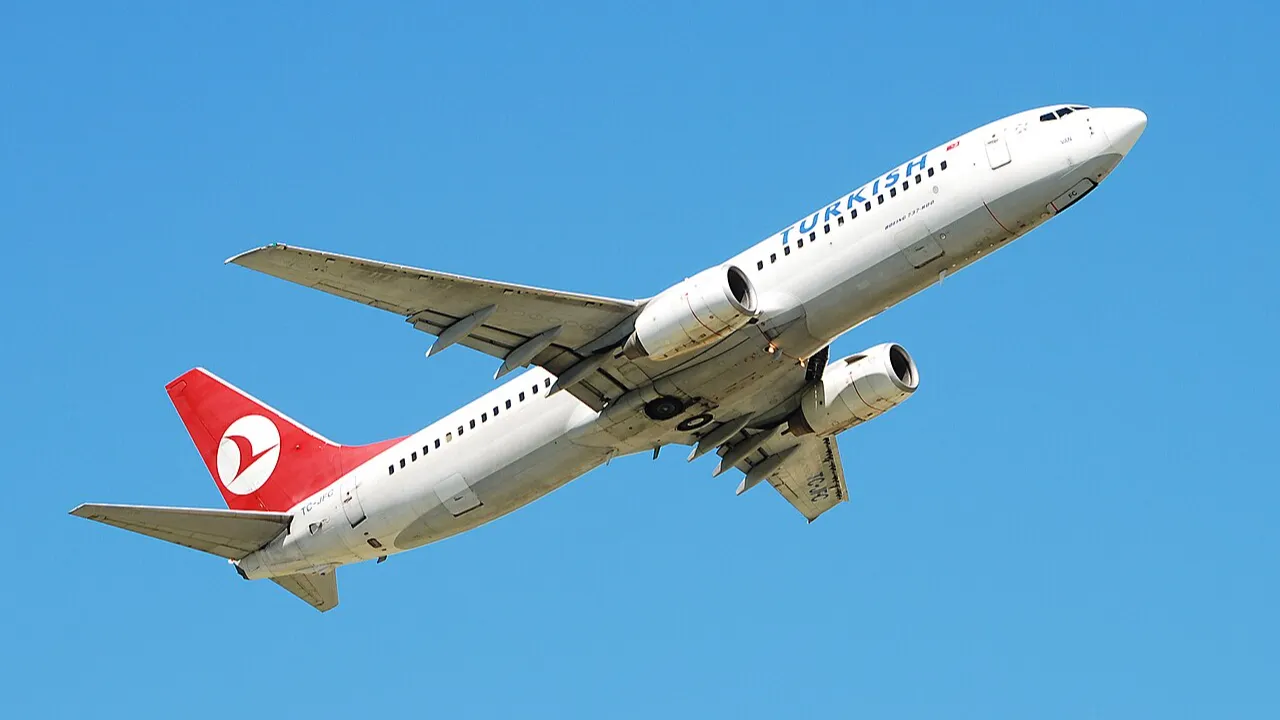
One notable incident that might be pertinent to Kıdık’s case involved Qatar Airways (QR). Aviation YouTuber Josh Cahill, who reported that the carrier effectively barred him from future flights after he published a critical review of its services.
Cahill, a well-known aviation content creator, said that after releasing a video titled “The Shocking Decline of Qatar Airways,” airline representatives contacted him with an offer of free flights if he removed the video, which he refused; subsequently, his upcoming booking was cancelled and he was informed that the airline would no longer accept future reservations from him under its conditions of carriage, which give carriers discretionary rights to refuse transport. Cahill criticised the move as a troubling example of censorship by a major airline.
All in All
Airlines have contractual rights to refuse transport under specific behavioural criteria. But applying that discretion to journalistic critique — real or perceived — raises harder questions about how modern carriers navigate criticism in an era of pervasive social media and digital reporting.
Kıdık’s case echoes a broader pattern, as seen in the earlier Qatar Airways dispute with aviation YouTuber Josh Cahill. Whether such incidents amount to legitimate brand protection or a chilling effect on independent aviation journalism remains contested.
.jpg)

.jpg)
,_Boeing_737-800.jpg)
_(2965659675).jpg)