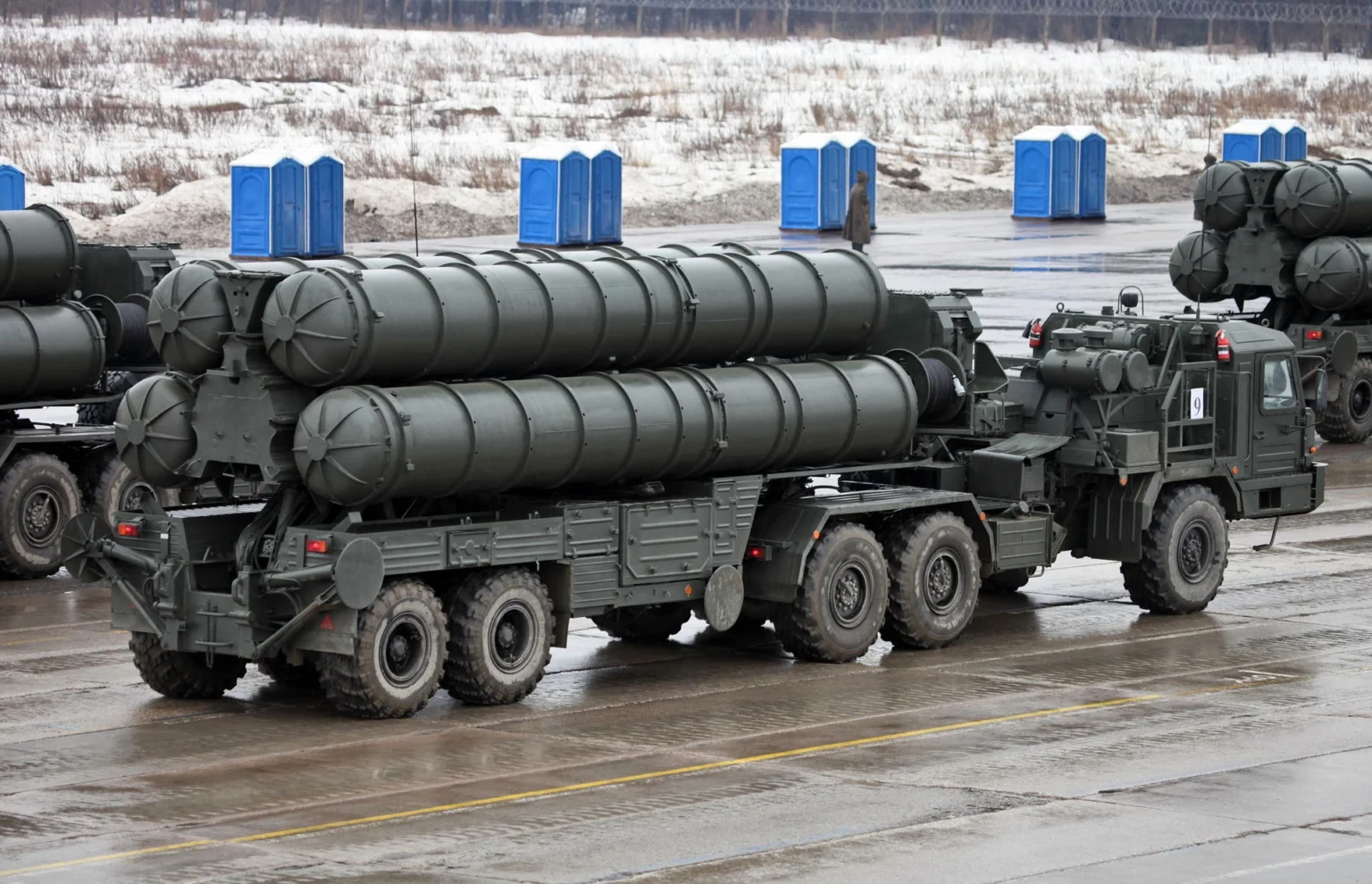
Turkey is once again pursuing a path back into the U.S.-led F-35 fighter jet program, with the future of its Russian-made S-400 air defense system now at the center of those efforts. The Ministry of National Defense confirmed that discussions are underway regarding the possible transfer of the missile system, describing the process as “multilateral work.”
Although no final decision has been announced, reports indicate the S-400 batteries could be sold to another country. Officials said the public would be informed once a concrete outcome is reached.
Qatar (DOH) has emerged as the leading prospective buyer, while the United Arab Emirates has also been mentioned as a possible destination. Even so, defense experts caution that disposing of the missile system alone may not be enough to secure Turkey’s return to the F-35 program.
Ankara Looks to Remove the Main Obstacle
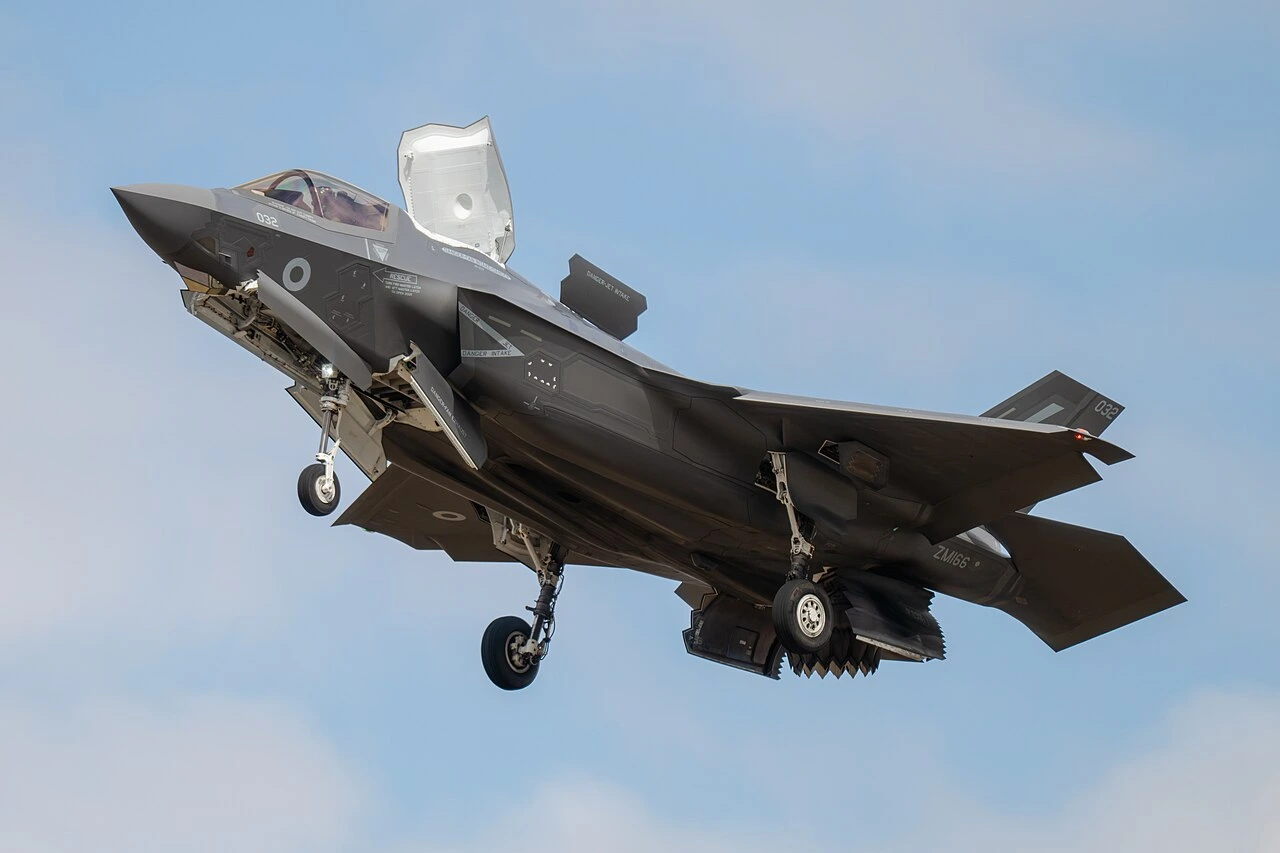
Turkey was originally one of the partner nations in the F-35 program before its purchase of the Russian S-400 prompted the United States to remove it from the project and impose sanctions under the Countering America’s Adversaries Through Sanctions Act (CAATSA).
Washington argued that operating the Russian-made air defense system alongside the F-35 could expose sensitive stealth technology and compromise the aircraft’s capabilities.
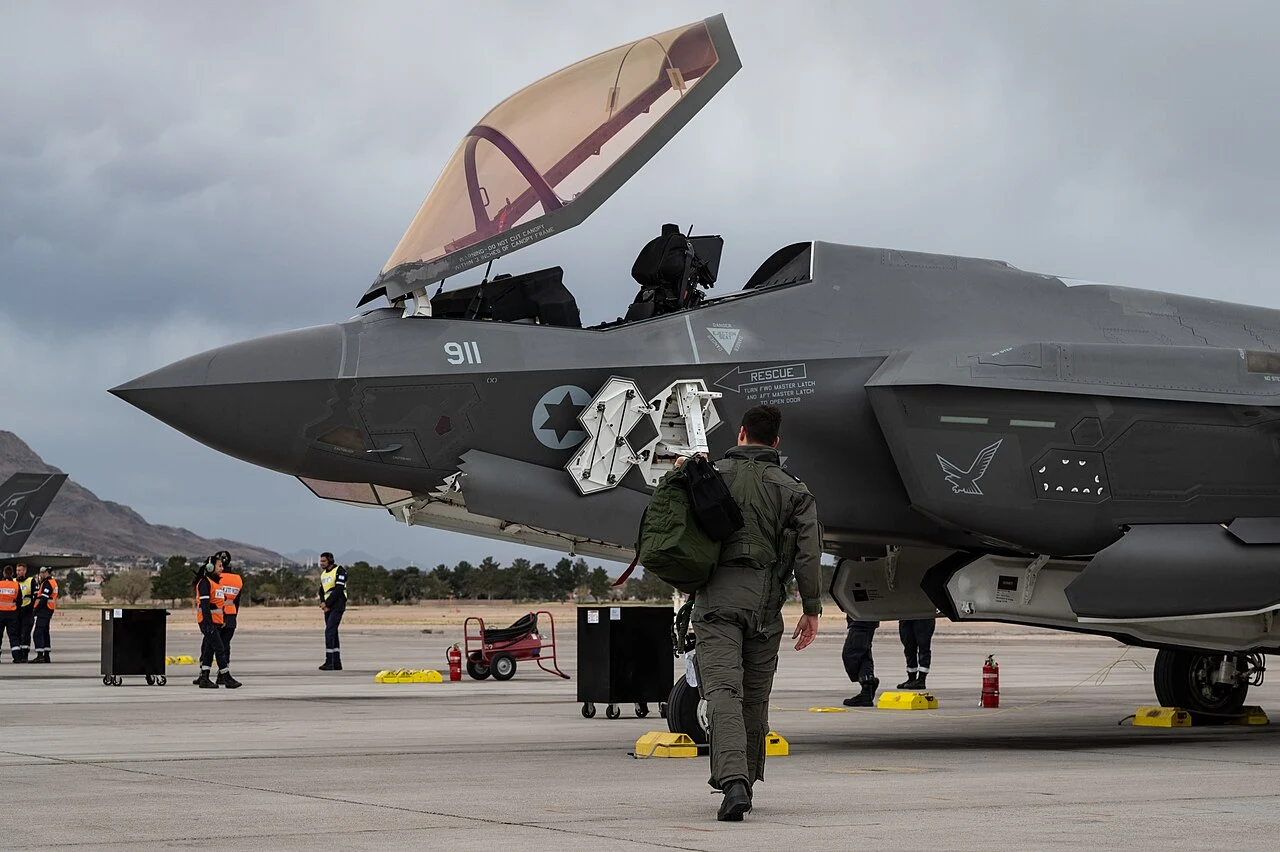
As neighboring Israel and Greece continue expanding their F-35 fleets, Ankara has become increasingly interested in restoring its access to the fifth-generation fighter.
Over the past several years, Turkish officials have examined multiple options, including leaving the S-400 inactive, storing it at a U.S. military facility, selling it to another country, or even returning it to Russia. Throughout this period, the missile system was never activated or integrated into Turkey’s national air defense network as Ankara continued seeking a path back to the F-35 program.
Why Turkey Purchased the S-400
Turkey’s decision to acquire the S-400 stemmed from its search for a long-range air defense capability during a period of heightened regional security concerns.
According to a EurAsian Times report, Ankara had been unable to obtain advanced NATO systems such as the Patriot and SAMP/T after negotiations were delayed or unsuccessful.
The report also noted that Turkey’s relationship with Moscow strengthened following the failed 2016 coup attempt, as mistrust between Ankara and several Western allies deepened.
Trump Signals Support, But Congress Holds the Key
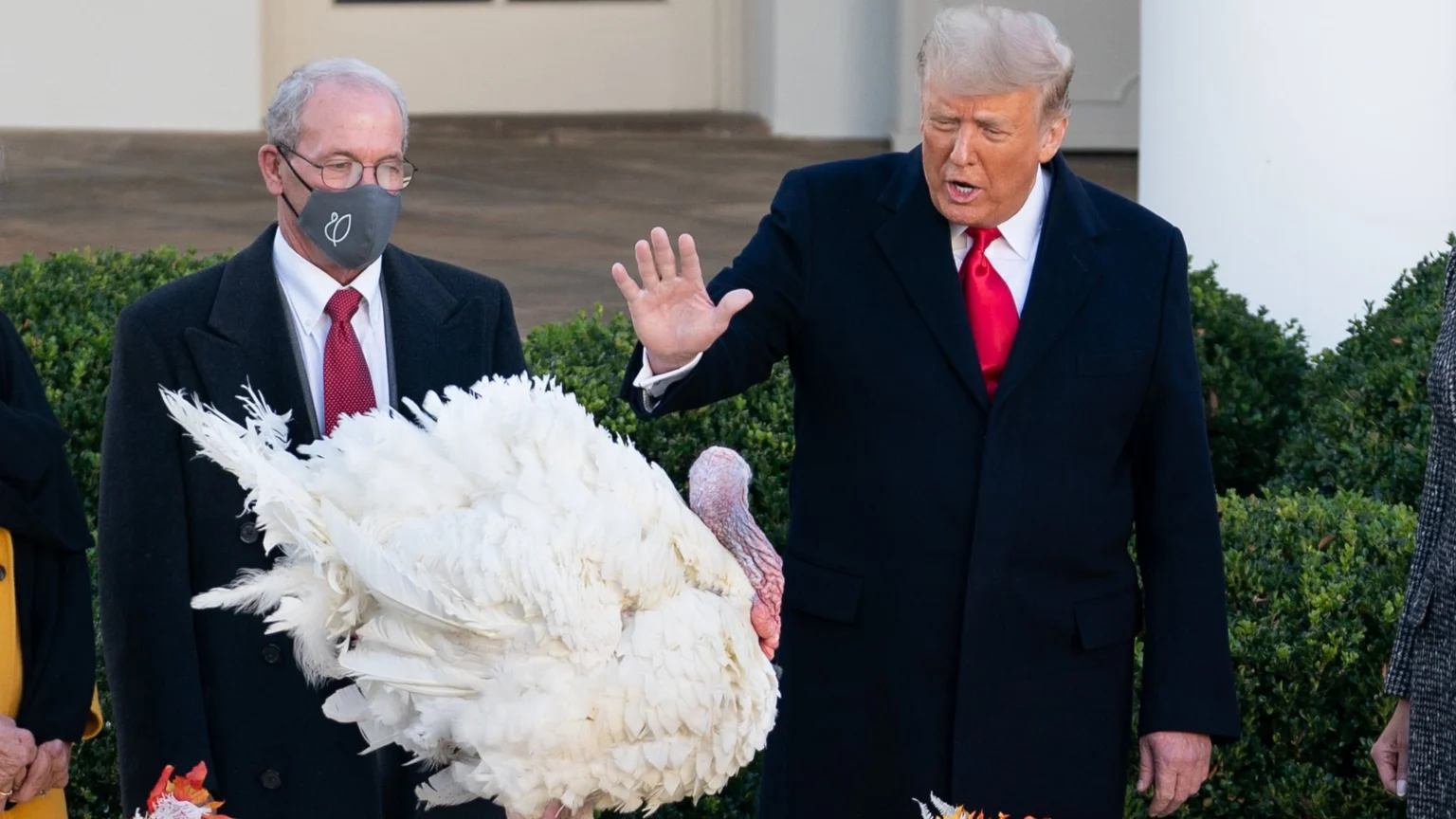
During the NATO leaders’ summit on July 7, U.S. President Donald Trump indicated he wanted sanctions on Turkey lifted.
“We’re going to lift the sanctions. We don’t want to sanction our friends. I don’t want to choke my friend with sanctions,” Trump said while appearing alongside Turkish President Recep Tayyip Erdogan.
When questioned about future F-35 sales, Trump described the aircraft as “the best plane by far” and said it was “certainly something we will consider.”
Bloomberg, citing Turkish officials, reported that the United States could eventually provide six F-35 aircraft if sanctions are removed. Erdogan also expressed confidence that Washington would support the sale.
However, any return to the program requires more than presidential backing.
Before sanctions can be lifted, Trump must certify to Congress that Turkey no longer possesses operational S-400 systems and has committed not to pursue similar defense cooperation with Russia. If lawmakers remain unconvinced, Congress could ultimately vote on the matter.
Analysts Doubt an S-400 Sale Would Be Enough
Defense analyst Shay Gal, former Vice President of External Relations at Israel Aerospace Industries (IAI), believes transferring the S-400 to another country would not resolve Washington’s concerns.
Speaking to EurAsian Times, Gal argued that moving the missile system to Qatar would not erase previous exposure risks or restore Turkey’s eligibility for the F-35.
“Qatar is Ankara’s closest military ally in the Gulf. Yet even an S-400 transfer to Qatar would not restore Turkey to the F-35 program,” he said.
Gal added that the United States had already anticipated attempts to solve the issue through relocation.
“Washington has already built safeguards against cosmetic divestment. I was directly involved in that effort. Relocation (to Qatar) does not erase the exposure, the record or Turkey’s strategic incompatibility with the West’s most sensitive combat aircraft.”
Experts also argue that Russian personnel involved in deploying the S-400 may have gained valuable information while Turkey remained an F-35 partner until 2019, creating what many U.S. officials consider a permanent security concern.
Qatar’s role further complicates the proposal because it hosts Al Udeid Air Base, one of the United States’ most significant military installations overseas.
“A Qatari transfer would not neutralize the S-400. It would transplant a Russian system into Turkey’s closest Gulf defense network and the country hosting Al Udeid. That is strategic laundering, not disposal,” Gal said.
Institutional Hurdles Extend Beyond the White House
Gal also argued that presidential promises alone cannot determine whether Turkey receives the F-35.
“The United States is not its president,” he said, explaining that Congress, the Pentagon, intelligence agencies, export regulations and the security review process all play decisive roles.
According to Gal, the approval process—including congressional review, production scheduling, pilot training, aircraft configuration, infrastructure preparation and certification—would likely extend beyond Trump’s current term.
He also noted that any transfer of the S-400 would depend on Moscow’s approval, arguing that Russia would agree only if the arrangement preserved its strategic interests, access or compensation.
Regional Opposition Remains Strong
Turkey’s potential return to the F-35 program continues to face resistance from Israel and Greece.
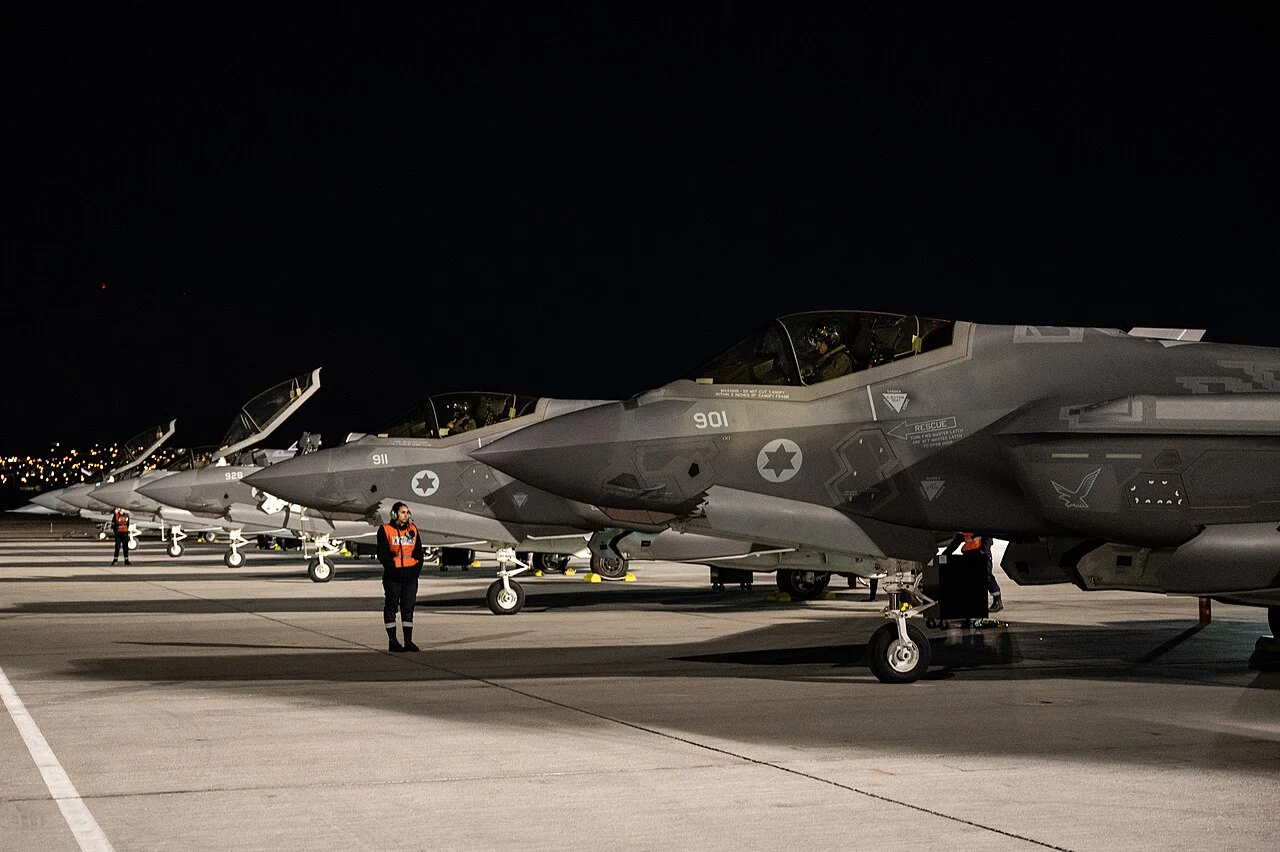
Israeli Prime Minister Benjamin Netanyahu told CNN that he had urged Trump not to approve the sale, warning that it would “destroy the power balance in the Middle East.” Israel maintains that supplying F-35s to Turkey could undermine the Qualitative Military Edge guaranteed by the United States.
Greek Defense Minister Nikos Dendias expressed similar concerns, stating that Greece would oppose both F-35 sales to Turkey and the transfer of engines for future fighter aircraft.
Gal believes Turkey would still trail both countries even if it eventually rejoined the program. Greece expects its first F-35 deliveries in 2028, while Israel’s third squadron of 25 additional F-35I fighters is also scheduled to begin arriving that year at a rate of three to five aircraft annually.
Opposition from Israel, concerns raised by Greece and skepticism among members of the U.S. Congress continue to complicate Ankara’s efforts.
Uncertain Path Back to the F-35
Several American lawmakers have already stated that simply relocating the S-400 should not qualify Turkey for renewed access to the F-35.
Analysts argue that even if Ankara permanently divests itself of the Russian air defense system, broader strategic concerns would remain because of Turkey’s continuing relationship with Moscow through projects such as TurkStream and its first nuclear power plant.
As Gal concluded, “The S-400 may leave Turkey. The strategic problem will not.“