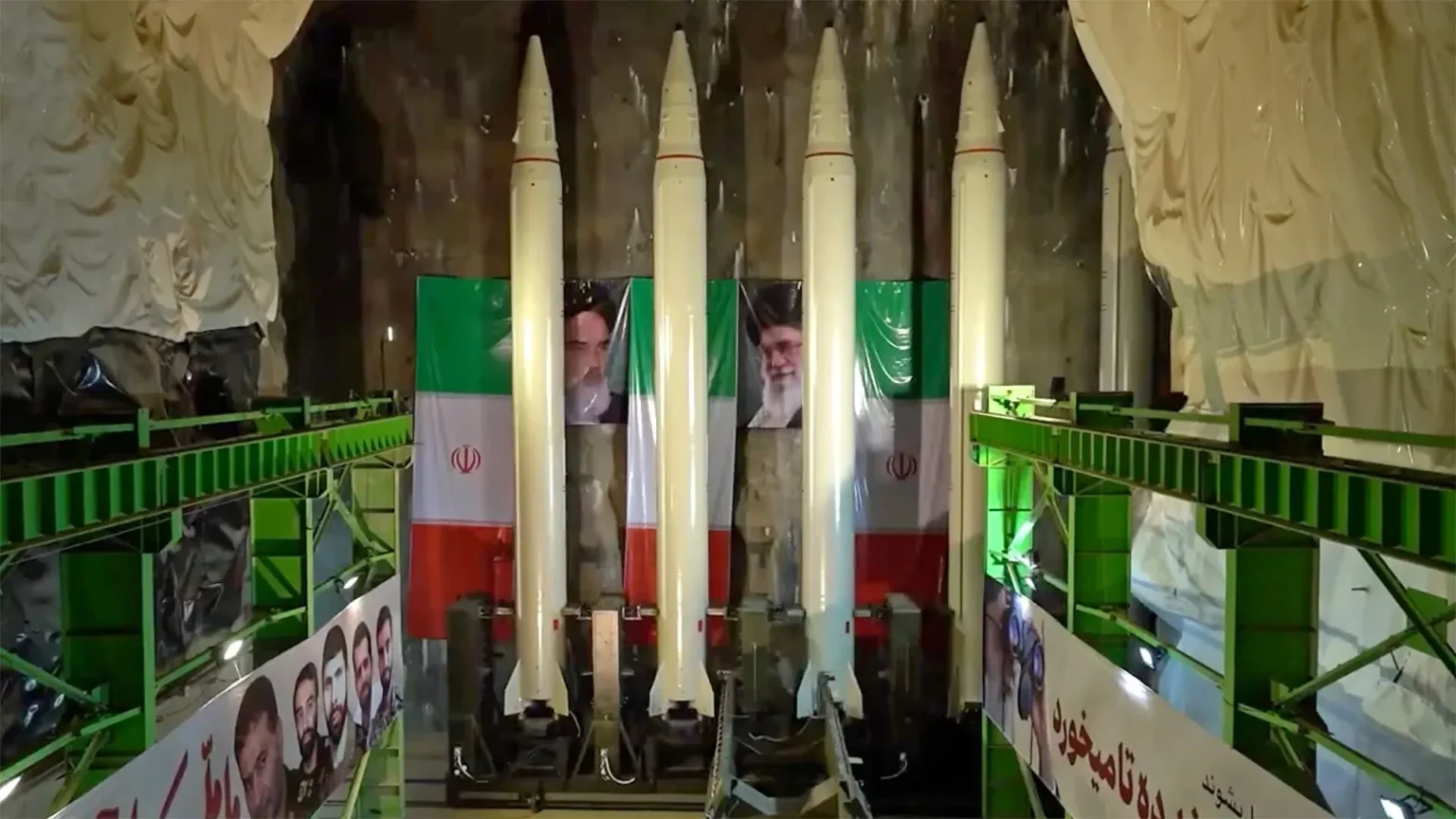
The US Department of State issued a new worldwide caution advisory on July 18, 2026, warning Americans everywhere, not only in the Middle East, to raise their level of alert. The advisory followed an Iranian ballistic missile and drone attack on US and partner forces in Jordan, which killed two service members and left another missing, according to US Central Command (CENTCOM). Two American service members were killed, four were injured and one is missing after an Iranian attack in Jordan. The department warned that flight cancellations and periodic airspace closures may disrupt travel plans worldwide.
The warning lands as the wider Iran war, which restarted on February 28, 2026, enters a more dangerous phase. In the first phase of the war, USAF’s A-10 and F-15E were shot down. Kuwait, Bahrain, and Israel have all reported fresh missile and drone activity in the past week, and airlines including Kuwait Airways (KU), Singapore Airlines (SQ), and Qatar Airways (QR) have suspended or rescheduled flights out of Kuwait International Airport (KWI), Farwaniya Governorate, and other regional hubs. The disruption adds to a conflict that has already cancelled tens of thousands of flights since February.

What The New Worldwide Caution Advisory Says
The State Department’s alert tells citizens everywhere to watch for security updates from the nearest US embassy or consulate. It states that the security environment remains complex with the potential for unforeseen escalation. The department separately confirmed that diplomatic posts outside the Middle East have already been targeted.
Officials stopped short of ordering evacuations from any single country. Instead, the advisory asks travelers to register with the Smart Traveler Enrollment Program at step.state.gov before any international trip. It also flags that groups sympathetic to Iran could target US interests or American citizens anywhere in the world, not just in the conflict zone.
Deadly Jordan Attack Triggered the Latest Warning
CENTCOM said the Jordan strike happened on July 17, during an Iranian missile and drone barrage that US and partner forces intercepted. On July 17, two U.S. service members in Jordan were killed in action as U.S. Central Command and partner forces defended against Iranian ballistic missile and drone attacks. Four additional troops were medically evacuated to Jordanian hospitals and later discharged.
President Donald Trump, after whom the Palm Beach airport’s code was changed into DJT, called the deaths “a very sad thing” while speaking to reporters. The US responded with retaliatory strikes on Iranian targets, which CENTCOM said were also meant to protect commercial shipping lanes through the Strait of Hormuz. Democratic Senator Chris Murphy warned that the exchange shows the conflict is “getting very dark very quickly.”

Flight Cancellations and Airspace Closures Sweep the Gulf
Airspace over Kuwait, Qatar, and Bahrain has closed intermittently through July as both sides trade strikes. Kuwait Airways rescheduled most of its flights after a fresh airspace closure on July 18 and said it “thanks its valued customers for their understanding and cooperation.” Singapore Airlines pushed its Dubai International Airport (DXB), Dubai service suspension from August 2 to October 24, telling passengers that “as the situation remains fluid, other SIA flights may be affected.”
Other carriers have made similar moves this month:
- Turkish Airlines (TK) has kept flights to Iran suspended amid ongoing security restrictions.
- Jazeera Airways (J9) has warned of intermittent Kuwait airspace closures affecting its schedule.
- Scoot, the low-cost arm of Singapore Airlines, suspended Singapore-Jeddah flights until late July.
- Etihad Airways (EY) and Turkish Airlines both reported delayed arrivals into Kuwait International Airport after the July 16 drone response.
The European Union Aviation Safety Agency has told European carriers to avoid the airspace of Qatar, Bahrain, and Kuwait through July 29. Kuwait’s Ali Al Salem Air Base, which hosts US troops, was also targeted in strikes claimed by Iran’s Islamic Revolutionary Guard Corps in the days before the Jordan attack.
How This Advisory Compares to Earlier Iran War Warnings
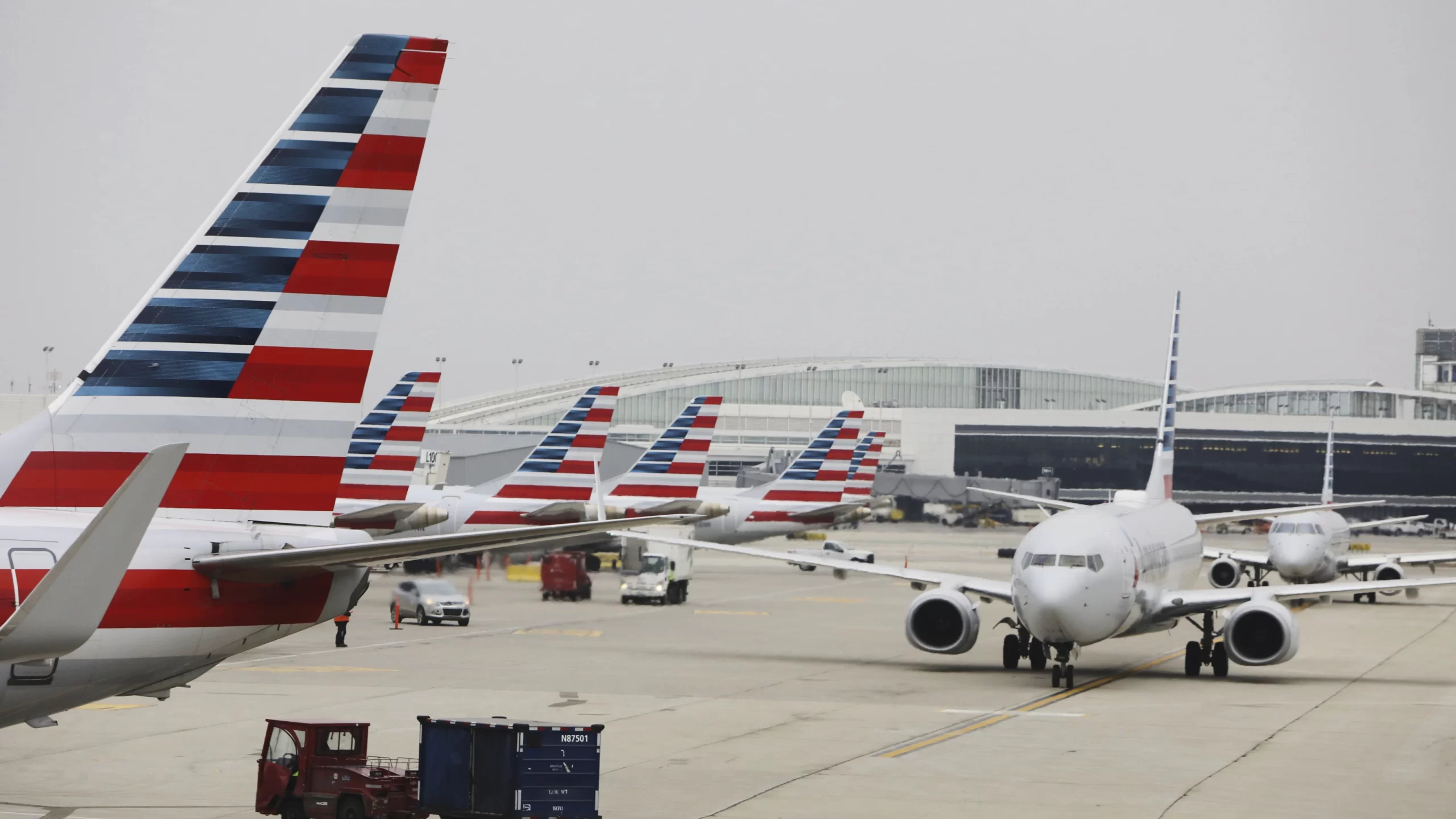
This is not the first worldwide caution of the conflict. When the US and Israel first struck Iran on February 28, 2026, airspace over Iran, Iraq, Kuwait, the UAE, Bahrain, and Jordan emptied within hours, and the State Department issued a similar global alert. More than 12,000 flights have been canceled since U.S. air strikes were launched against Iran in that opening wave, according to reporting compiled by The Independent US.
By early March, the toll had grown further. Industry tracking cited by Benzinga put global cancellations to the Middle East above 23,000 flights, with losses nearing $1 billion for airlines across the region. Coverage from that period focused on stranded passengers and Gulf carriers absorbing the bulk of the damage; the current wave of reporting instead centers on renewed US casualties and a fresh worldwide caution rather than a single regional shutdown, marking a shift from a Middle East story to a global one.
Wider Fallout for the Aviation Industry
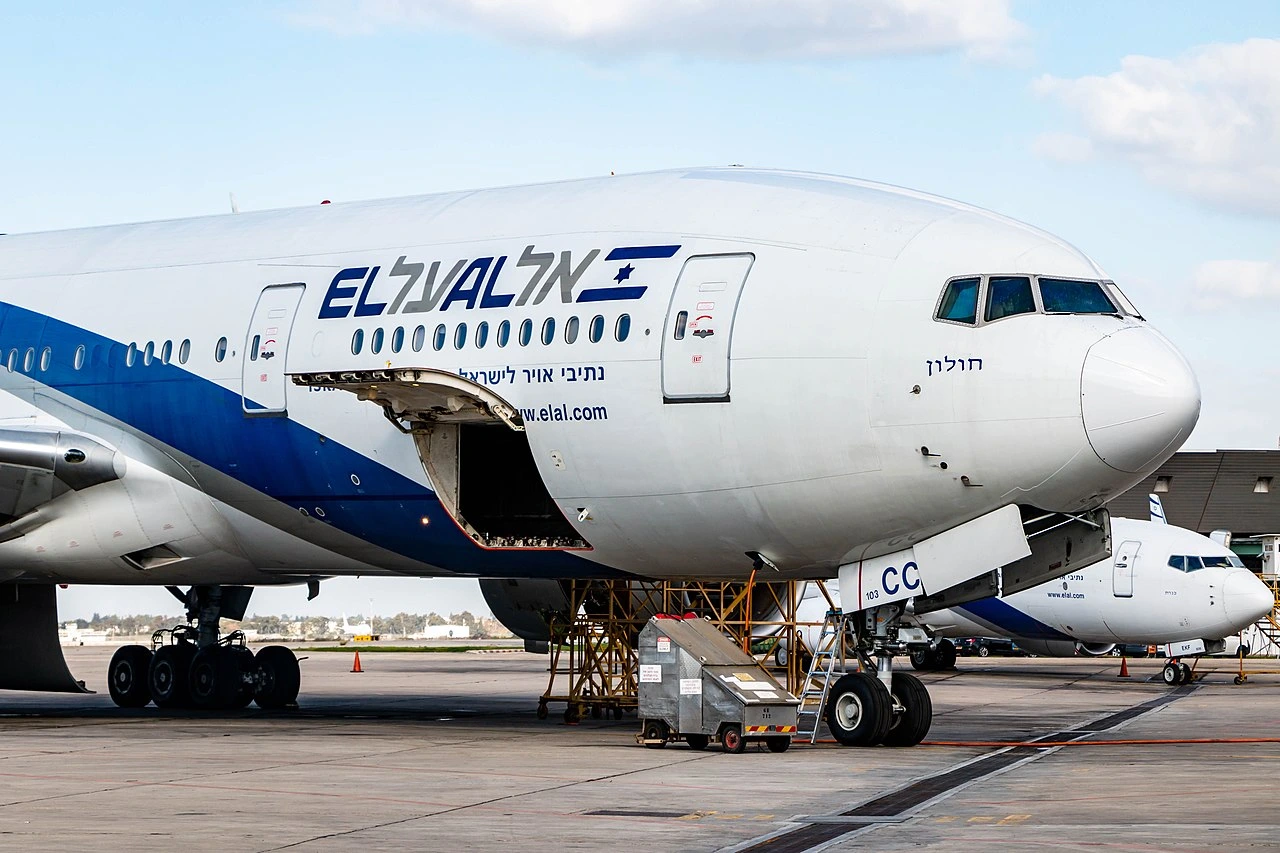
Beyond passenger disruption, the renewed strikes threaten a vital air corridor linking Europe, Asia, and Australia, much of which already reroutes around the closed airspace. Gulf carriers such as Qatar Airways, which operates from Hamad International Airport (DOH) in Doha, face renewed pressure just as some had begun restoring schedules from the February wave. Fuel costs tied to the conflict have also pushed several airlines toward temporary surcharges on long-haul tickets.
The State Department has not said how long the current worldwide caution will remain active, and previous versions issued during this war have stayed in place for weeks at a time. Airlines, for now, are treating the advisory as a signal that further short-notice cancellations remain likely across the region.


_(cropped).jpg)
