Airlines around the world dim cabin lights before every takeoff and landing, whether the flight departs at noon or at midnight. Flight attendants carry out this step on nearly all commercial jets, from short regional hops to long-haul international routes. The practice is not about comfort or mood lighting. It is a safety procedure rooted in how the human eye adapts to darkness.
The reasoning is simple. Takeoff and landing are the two phases of flight when most accidents occur. Cabin crews dim the lights during these windows so that if an emergency evacuation becomes necessary, passengers’ eyes are already adjusted to low light and can find exits faster. This report gathers the various explanations offered by pilots, flight attendants, and aviation researchers, and compares how different airlines and incidents have shaped the practice.
Cabin Lighting Follows a Set Routine on Every Flight
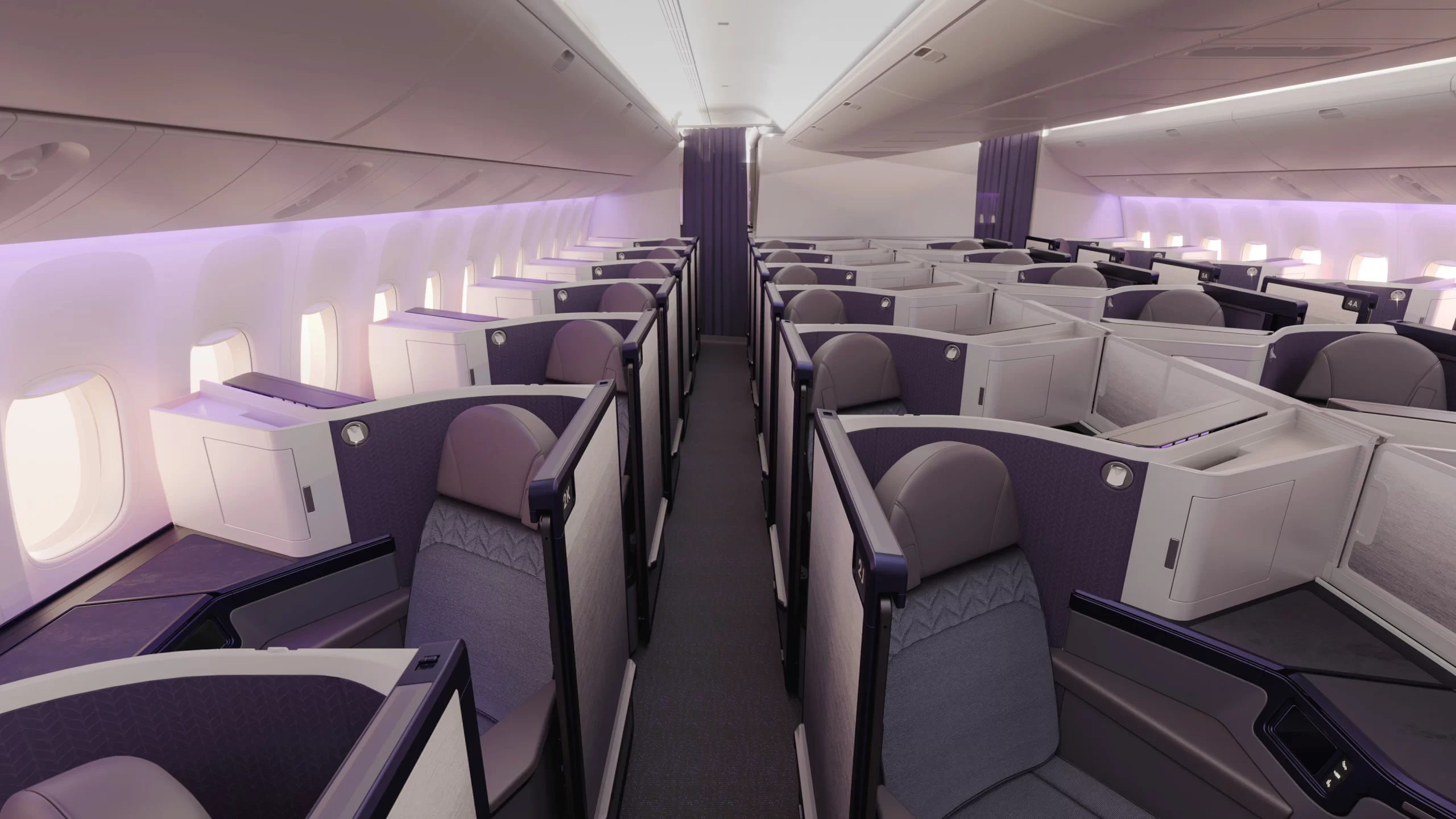
Cabin lights stay bright during boarding, often helped by daylight coming through the windows. Once the doors close and the aircraft begins to taxi, flight attendants dim the lights on instruction from the flight deck. The same dimming happens again as the aircraft descends toward landing.
This routine repeats on almost every commercial flight, regardless of the airline or aircraft type. Frequent flyers often use the dimming as an unofficial signal that departure or arrival is close. The timing is not accidental. It lines up precisely with the two flight phases that safety data identify as the riskiest.
Dark Adaptation Is the Core Safety Reason for Dimming
The central explanation offered by pilots and researchers is a process called dark adaptation. Human eyes need time to adjust when moving from a bright space to a dark one, similar to walking out of a lit room into a night sky. Dan Bubb, a former airline pilot and aviation historian at the University of Nevada, Las Vegas, told Reader’s Digest that flight crews dim the lights during dawn, dusk, and night so that in case of an emergency passengers’ eyes are already prepared for darkness, and he noted that it can take five to ten minutes for someone’s eyes to adjust to the dark if they have been in bright light conditions.
Agnes Chantre, chief pilot at Air Tahiti Nui, offered a similar explanation to Travel + Leisure. She compared the process to stargazing, saying “when you want to see the stars at night, your eyes need time to adapt” and that dimming the cabin in advance reduces that adjustment period. Without this step, a sudden loss of cabin power during an emergency could leave passengers temporarily blind in a dark aircraft.
Indian ophthalmology researcher Dr. Vandana Singh gave The Indian Express a comparable account, describing the process as “dark adaptation” that improves a passenger’s ability to see in low light, information reported by The Youth, which cited the original Indian Express interview. She added that if a real emergency strikes, passengers whose eyes are already adjusted can locate exits and safety signage far more quickly than those still adapting to sudden darkness.
Seeing Outside the Window Matters as Much as Seeing Inside
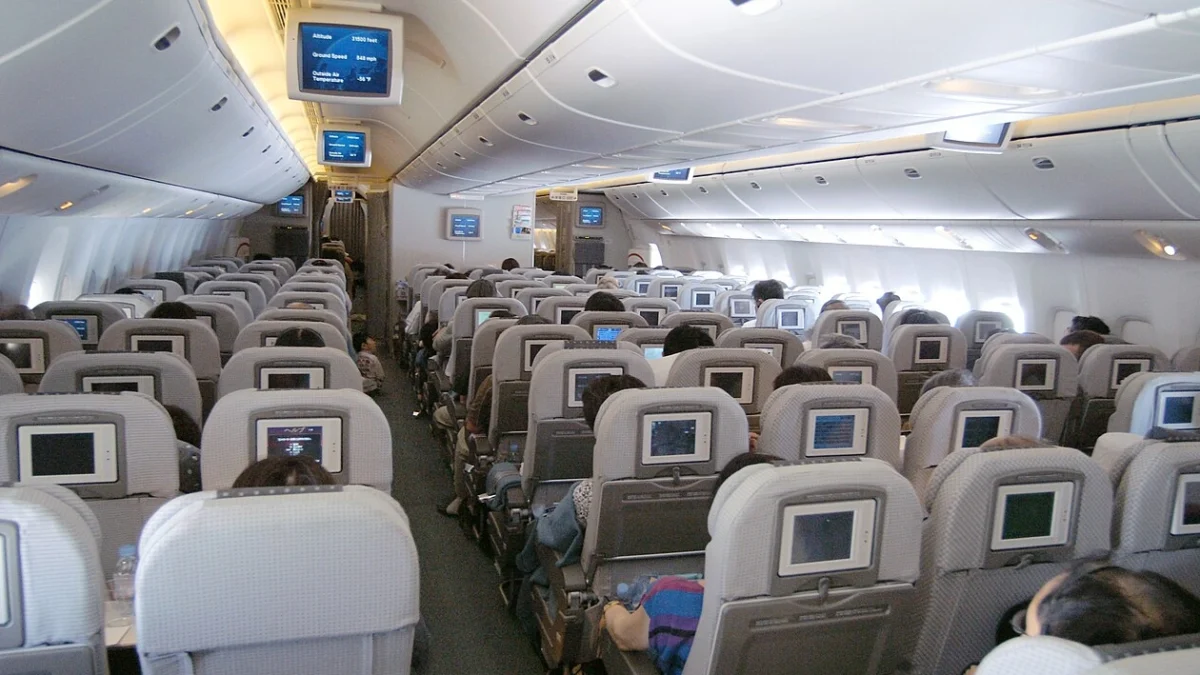
A second major reason for dimming lights concerns visibility through the window, not just inside the cabin. When cabin lights are bright, the glass reflects the interior glare, and neither crew nor passengers can see clearly outside. Patrick Smith, an airline pilot and author of Ask the Pilot, explained to AFAR that “by pre-adjusting your eyes, you won’t be suddenly blinded while dashing for the doors” in a low-visibility emergency.
Seeing outside the aircraft is not just about passenger reassurance. Flight attendants use the view through the window to check for smoke, fire, or visible structural problems during a critical phase of flight. A dim cabin, paired with raised window shades, gives crew members a clearer look at the wings and engines below.
Chris Cooke, a pilot with a major domestic carrier, described the value of this visibility to Travel + Leisure using an evacuation scenario: passengers exiting an unfamiliar space quickly need their eyes already adjusted, not adjusting for the first time as the lights go out, per Fortune’s republished report.
British Airways and United Airlines Incidents Show Why Visibility Counts
Two real-world incidents, both widely cited across aviation coverage, illustrate why window visibility has mattered in practice.
- In 2013, a British Airways (BA) aircraft experienced engine cowling doors that opened after takeoff. Because the problem was visible through the cabin windows, the crew was alerted quickly and carried out an emergency landing.
- In a separate incident, a United Airlines (UA) passenger on a flight from Newark Liberty International Airport (EWR) to Venice noticed fuel visibly leaking from the wing through the window and alerted the crew.
Emergency Exit Signs Are Easier to Spot in a Dim Cabin
Dimming the cabin also makes illuminated safety features easier to see. Exit signs and floor-level path lighting are designed to stand out against a darker background, and bright overhead cabin lights can wash out that contrast.
Floor path lighting on most aircraft relies on photoluminescent strips, a glow-in-the-dark material that keeps working even if the plane loses electrical power. This detail matters because emergencies sometimes involve a power failure, and crews cannot count on cabin lights functioning at all in a worst-case scenario.
Key visibility features that dimming helps highlight include:
- Illuminated exit signs mounted above each emergency door
- Photoluminescent floor path markers leading to the nearest exit
- Emergency lighting strips that remain visible in smoke or low light
- Window-level cues that help crew members judge outside conditions
According to the Flight Safety Foundation, passengers can lose a significant share of their wayfinding ability in smoke or fumes, which is why regulators require that exit path lighting stay visible even in poor conditions.

Do Aviation Regulators Require Dimmed Cabin Lights?
Despite how universal the practice is, there is no single global law that forces every airline to dim its lights. Dr. Vandana Singh told The Indian Express that agencies such as the U.S. Federal Aviation Administration (FAA) and the European Union Aviation Safety Agency (EASA) issue safety guidance, but “airlines typically adopt them based on safety recommendations rather than strict regulatory requirements,” as reported by The Youth.
In practice, this means the dimming procedure has become an industry-wide norm rather than a strict rule. Airlines follow it because it supports broader emergency evacuation standards set by regulators, even where the specific step of lowering cabin lights is not spelled out as a legal mandate.

Other Reasons: Reduced Glare and Minor Power Savings
Safety is the primary driver, but pilots point to a few secondary benefits as well. Dimmed lighting reduces glare on cockpit and cabin windows, which can otherwise distract pilots landing at night or interfere with a clear view of the runway.
Reducing cabin lighting also trims the aircraft’s electrical load slightly during two demanding phases of flight, when systems tied to the engines and flight controls need priority power access. This benefit is minor and secondary to the safety rationale, but it means fewer non-essential systems compete for electricity when it matters most.