A family of four traveling on Alaska Airlines (AS) was denied boarding on June 23, 2026, due to a system error over Canadian visa requirements, then removed from their replacement flight hours later following a seat dispute with crew. The incident took place on a route from Missoula Montana Airport (MSO) through Seattle-Tacoma International Airport (SEA) to Vancouver International Airport (YVR), as first reported by One Mile at a Time. The family, Swiss passport holders and US permanent residents, were traveling to watch a World Cup match between Switzerland and Canada.
Weeks after the incident, Alaska Airlines completed a formal investigation and offered the family $2,230 in cash compensation, along with future travel discount codes. The airline’s response, along with the family’s detailed rebuttal, was published in a follow-up report from One Mile at a Time. 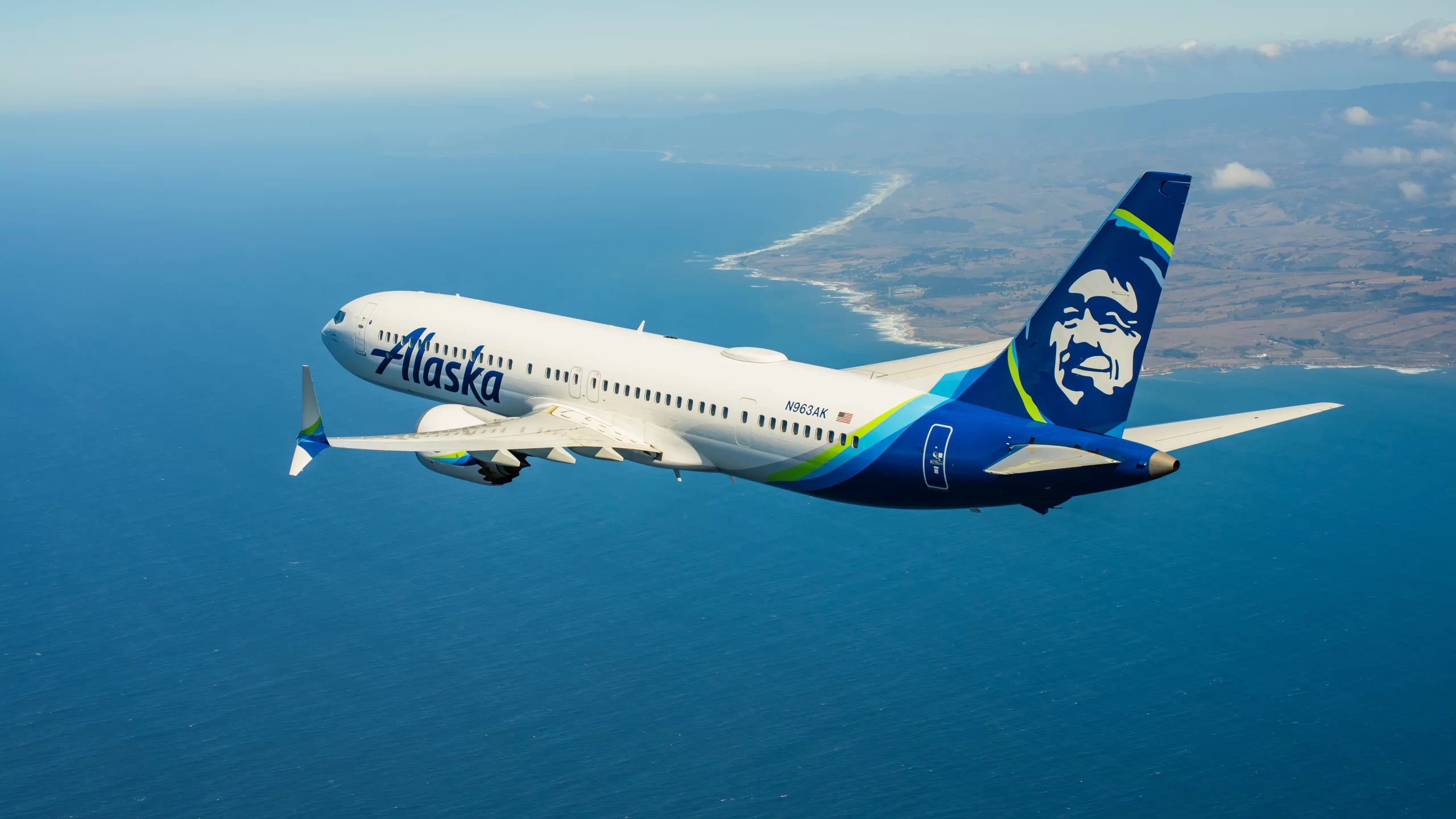
Photo: Alaska Airlines
A Visa System Error Caused the First Denied Boarding
The family’s documents were valid. Canada dropped its visa requirement for US permanent residents in 2022, and the traveler, identified as Christophe by One Mile at a Time, had confirmed this both in the Alaska app and on Canada’s immigration website before the trip.
Despite this, Alaska’s gate system repeatedly flagged the family for a Canadian visa it did not require. Staff at Missoula worked to manually verify the documents, but the process took so long that the aircraft departed without them, resulting in a denied boarding for a flight the family had never been at fault for missing.
The Family Was Removed from Their Replacement Flight Over a Seat Dispute
Alaska rebooked the family on a flight roughly six hours later, downgrading them from first class to economy without compensation. Before boarding, the family asked to board early in case the documentation issue resurfaced again, a request staff denied while assuring them the problem was fully resolved.
The same visa-verification glitch reappeared during boarding of the replacement flight, requiring another lengthy manual review before the family could board. To avoid triggering the system warning a third time, gate agents let the family board without rescanning their boarding passes, a workaround that unintentionally changed their seat assignments without their knowledge.
Once seated, the family found an Alaska employee occupying one of their assigned seats. A dispute over the seating assignment escalated, and the flight’s purser ultimately asked the family to leave the aircraft, citing discomfort with the situation. The family declined a further rebooking and instead purchased new tickets on Delta Air Lines for an additional $2,538.
When the traveler asked a gate agent for the names of the employees involved so he could file a complaint, the family was asked to deplane minutes later. One Mile at a Time reported that the agent who escorted them off the aircraft was apologetic and explained that the purser had said she felt uncomfortable having the family onboard, a decision the captain ultimately supported.
Alaska’s Investigation Concluded No Regulatory Violation Occurred
Alaska’s customer advocacy team told the family that the case did not meet the definition of involuntary denied boarding under 14 C.F.R. Part 250, since that rule applies specifically to oversold flights, not documentation delays. The airline applied similar reasoning to Canada’s Air Passenger Protection Regulations, arguing the disruption stemmed from processing issues rather than a reason within the carrier’s control.
Despite this position, Alaska chose to pay compensation “as a gesture of goodwill” rather than as an admission of regulatory liability. The airline’s letter, quoted by One Mile at a Time, stated that the crew’s removal decision was based on the “potential for further escalation” rather than any confirmed instruction the family failed to follow.
How The $2,230 Payment Was Calculated
Alaska broke down the compensation into two separate categories rather than issuing a single lump sum. The airline’s letter to the family outlined the reasoning behind each portion of the payment.
- $630 to cover the difference between the value of the four unused first-class Alaska tickets and the $2,538 the family spent on Delta Air Lines replacement tickets
- $1,600, or $400 per passenger, as a goodwill payment matching what would be owed under Canada’s Air Passenger Protection Regulations for an airline-controllable delay
- Full redeposit of the points originally used to purchase the Alaska tickets, plus a refund of associated taxes and fees
- Discount codes for future travel issued to each of the four family members
The Family’s Response and What Comes Next
The traveler disputed Alaska’s account of the seating incident, stating in his reply that the confusion stemmed entirely from outdated boarding passes issued by Alaska staff, not any refusal by his family to comply with crew instructions. Alaska maintained its position but shared the family’s account with inflight leadership for internal review.
In a widely discussed final response, the traveler noted he donated the compensation amount to Save the Children, framing the resolution around perspective on other families facing greater hardship.